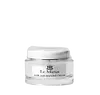
Le Mieux 24 Hr. Age Defying Cream Versus Mother Science Molecular Genesis Barrier Repair Moisturizer
This anti-aging moisturizer is formulated around Galactomyces Ferment Filtrate and Palmitoyl Tripeptide-5 to soften the look of wrinkles and hydrate skin.
This barrier-repair moisturizer is formulated around Copper Tripeptide-1 and Ceramide EOP to strengthen the skin barrier and soften the look of wrinkles.

What's inside
What's inside
 Key Ingredients
Benefits
Concerns
Ingredients Side-by-side
Galactomyces Ferment Filtrate
Humectant







Sodium Hyaluronate
Humectant
Oryza Sativa Bran Water
Masking
Hyaluronic Acid
Humectant
Zinc Hydrolyzed Hyaluronate
HumectantHydroxypropyltrimonium Hyaluronate
Sodium Hyaluronate Dimethylsilanol
HumectantSodium Hyaluronate Crosspolymer
Humectant
C12-13 Alkyl Glyceryl Hydrolyzed Hyaluronate
Hydrolyzed Hyaluronic Acid
Humectant
Sodium Acetylated Hyaluronate
Humectant
Ascorbyl Propyl Hyaluronate
Skin Conditioning
Palmitoyl Tripeptide-5
Skin Conditioning

Theobroma Grandiflorum Seed Butter
Skin Conditioning
Simmondsia Chinensis Seed Oil
Emollient
Squalane
Emollient
Pyrus Malus Fruit Water
MaskingPhospholipids
Skin Conditioning
Acetyl Hexapeptide-8
Humectant
Sh-Oligopeptide-1
Skin Conditioning
Sh-Oligopeptide-2
Skin Conditioning
Acetyl Glutamine
Skin ConditioningAcetyl Octapeptide-3
Humectant
DNA
Skin ConditioningSodium Carboxymethyl Beta-Glucan
CleansingDipalmitoyl Hydroxyproline
Skin Conditioning
Ceramide EOP
Skin Conditioning
Ceramide NP
Skin Conditioning
Palmitoyl Pentapeptide-4
Skin Conditioning
Vitis Vinifera Seed Oil
Emollient
Butyrospermum Parkii Butter
Skin Conditioning


Aleurites Moluccanus Seed Oil
Skin Conditioning
Oryza Sativa Bran Oil
Emollient
Enteromorpha Compressa Extract
Skin Protecting
Morus Alba Root Extract
BleachingSaccharomyces Lysate Extract
Humectant
Tocotrienols
Skin Conditioning
Camellia Sinensis Extract
Antioxidant

Vitis Vinifera Seed Extract
Antimicrobial
Vaccinium Myrtillus Seed Extract
Skin ConditioningSphingomonas Ferment Extract
Skin Conditioning
Tocopherol
Antioxidant
Caprylyl Glycol
Emollient
Ethylhexylglycerin
Skin ConditioningUndecylenoyl Glycine
CleansingCapryloyl Glycine
CleansingGalactomyces Ferment Filtrate, Sodium Hyaluronate, Oryza Sativa Bran Water, Hyaluronic Acid, Zinc Hydrolyzed Hyaluronate, Hydroxypropyltrimonium Hyaluronate, Sodium Hyaluronate Dimethylsilanol, Sodium Hyaluronate Crosspolymer, C12-13 Alkyl Glyceryl Hydrolyzed Hyaluronate, Hydrolyzed Hyaluronic Acid, Sodium Acetylated Hyaluronate, Ascorbyl Propyl Hyaluronate, Palmitoyl Tripeptide-5, Theobroma Grandiflorum Seed Butter, Simmondsia Chinensis Seed Oil, Squalane, Pyrus Malus Fruit Water, Phospholipids, Acetyl Hexapeptide-8, Sh-Oligopeptide-1, Sh-Oligopeptide-2, Acetyl Glutamine, Acetyl Octapeptide-3, DNA, Sodium Carboxymethyl Beta-Glucan, Dipalmitoyl Hydroxyproline, Ceramide EOP, Ceramide NP, Palmitoyl Pentapeptide-4, Vitis Vinifera Seed Oil, Butyrospermum Parkii Butter, Aleurites Moluccanus Seed Oil, Oryza Sativa Bran Oil, Enteromorpha Compressa Extract, Morus Alba Root Extract, Saccharomyces Lysate Extract, Tocotrienols, Camellia Sinensis Extract, Vitis Vinifera Seed Extract, Vaccinium Myrtillus Seed Extract, Sphingomonas Ferment Extract, Tocopherol, Caprylyl Glycol, Ethylhexylglycerin, Undecylenoyl Glycine, Capryloyl Glycine
Water
Skin ConditioningCaprylic/Capric Triglyceride
Masking
Cetearyl Alcohol
Emollient
Squalane
Emollient
Glycerin
Humectant
Dicaprylyl Carbonate
EmollientDimethyl Isosorbide
SolventGlyceryl Stearate Citrate
Emollient
Microcrystalline Cellulose
AbsorbentButyrospermum Parkii Butter
Skin Conditioning
Malassezin
Copper Tripeptide-1
Skin Conditioning
Ceramide EOP
Skin Conditioning
Sh-Oligopeptide-1
Skin Conditioning
Sh-Oligopeptide-2
Skin Conditioning
Sh-Polypeptide-1
Skin Conditioning
Sh-Polypeptide-11
Sh-Polypeptide-9
Skin Conditioning
Ceramide NP
Skin Conditioning
Ceramide AP
Skin Conditioning
Phytosphingosine
Skin Conditioning
Cholesterol
Emollient
Sodium Hyaluronate
Humectant
Carbomer
Emulsion Stabilising1,2-Hexanediol
Skin Conditioning
Bacillus
Skin ConditioningTocopherol
Antioxidant
Hydroxyethyl Acrylate/Sodium Acryloyldimethyl Taurate Copolymer
Emulsion StabilisingCetearyl Glucoside
Emulsifying
C15-23 Alkane
SolventC13-14 Alkane
SolventGlyceryl Caprylate
EmollientDecyl Glucoside
Cleansing
Ethylhexylglycerin
Skin ConditioningHexylene Glycol
EmulsifyingAcetyl Glutamine
Skin ConditioningLecithin
Emollient
Sodium Lauroyl Lactylate
EmulsifyingCaprylyl Glycol
Emollient
Cellulose Gum
Emulsion StabilisingPhenoxyethanol
Preservative
Xanthan Gum
EmulsifyingWater, Caprylic/Capric Triglyceride, Cetearyl Alcohol, Squalane, Glycerin, Dicaprylyl Carbonate, Dimethyl Isosorbide, Glyceryl Stearate Citrate, Microcrystalline Cellulose, Butyrospermum Parkii Butter, Malassezin, Copper Tripeptide-1, Ceramide EOP, Sh-Oligopeptide-1, Sh-Oligopeptide-2, Sh-Polypeptide-1, Sh-Polypeptide-11, Sh-Polypeptide-9, Ceramide NP, Ceramide AP, Phytosphingosine, Cholesterol, Sodium Hyaluronate, Carbomer, 1,2-Hexanediol, Bacillus, Tocopherol, Hydroxyethyl Acrylate/Sodium Acryloyldimethyl Taurate Copolymer, Cetearyl Glucoside, C15-23 Alkane, C13-14 Alkane, Glyceryl Caprylate, Decyl Glucoside, Ethylhexylglycerin, Hexylene Glycol, Acetyl Glutamine, Lecithin, Sodium Lauroyl Lactylate, Caprylyl Glycol, Cellulose Gum, Phenoxyethanol, Xanthan Gum
Ingredients Explained
These ingredients are found in both products.
Ingredients higher up in an ingredient list are typically present in a larger amount.
We don't have a description for Acetyl Glutamine yet.
This ingredient is also known as shea butter. It is a plant-derived extract from the nuts of the Africa shea tree and one of the most well-studied emollients.
Because it has a high concentration of fatty acids (primarily oleic, stearic, and linoleic) it is able to form a protective barrier on the skin's surface. This helps seal in moisture and prevents transepidermal water loss (TEWL).
In vitro research found an increase in skin hydration by 58% and a decrease in TEWL by 37.8% after 24 hours of applying this ingredient (pretty impressive for a single ingredient!).
Besides hydration, shea butter also contains triterpenes that have anti-inflammatory potential. In particule, lupeol cinnamate has shown the highest anti-inflammatory activity in vivo.
Shea butter also contains vitamins A and E which may contribute to antioxidant activity.
While Shea Butter has an SPF rating of about 3-4, it is not a sunscreen replacement.
This ingredient may not be fungal acne safe because its fatty acids fall within the C11-C24 range that the Malassezia yeast can metabolize.
This ingredient shows up on a lot of "pore-clogging" lists but there's no real evidence behind that. It doesn't even have a comedogenic rating from an actual study; the numbers you'll find online come from blogs citing other blogs.
Ratings for other ingredients mostly come from a 1980s rabbit ear test. This test doesn't translate well to human skin or to real products because the ingredient sits at a much lower percentage.
Some people still find it breaks them out. So if that's you, definitely trust your skin. Just know this one's based on experience and not evidence.
Learn more about Butyrospermum Parkii ButterCaprylyl Glycol is a humectant, skin conditioner, emollient, and preservative booster derived from either caprylic acid or synthetically created.
Typical use levels vary from 0.3-1% as a preservative booster and go up to 2% to condition skin.
Because it is not a free-fatty acid, this ingredient is fungal acne safe (there's nothing for Malassezia to feed on).
Learn more about Caprylyl GlycolCeramide EOP is formally known as Ceramide 1.
It is naturally found in skin and part of the intercellular "mortar" holding everything together in your outermost layer.
EOP stands for a linked Ester fatty acid, a linked Omega hydroxy fatty acid, and the Phytosphingosine base.
What makes Ceramide EOP special is its ultra-long fatty acid chain; this unique structure allows it to bridge the lipid layers in your skin barrier to prevent water loss (something no other ceramide can do).
Low levels of Ceramide EOP have been found in people with eczema and psoriasis.
Using it together with other ceramides, cholesterol, and linoleic acid have been shown to meaningfully improve hydration and reduce water loss.
In one clinical study, a regimen using Ceramide EOP, NP, and AP led to significant symptom improvements in patients with eczema, psoriasis, and dry skin in just 4 weeks.
You'll usually see concentrations between 0.1-0.5% in formulations. Overall, this is a well-tolerated and safe ingredient for cosmetic use.
Learn more about Ceramide EOPCeramide NP (formerly known as Ceramide 3) is one of the skin's naturally occurring lipids.
Since ceramides are the major lipid components of the skin, they are crucial for maintaining skin barrier and hydration. Ceramide NP most closely mirrors the dominant kind in human skin amongst ceramide subtypes.
This ceramide works by slotting into gaps within the stratum corneum's lipid matrix to limit trans-epidermal water loss (TEWL) and shield the skin against external irritants.
A study with 312 patients found that using a ceramide-containing routine for 4 weeks reduced the severity of atopic dermatitis by over 61%.
Another clinical study in subjects aged 60 and older found that a ceramide body wash and moisturizer improved skin dryness and itchy skin in 15 days.
Overall, ceramides are considered non-irritating and safety tests have found little to no observable adverse effects from using this ingredient.
Ceramide NP is usually sourced from plants (like soybean or rice bran), or produced synthetically.
Learn more about Ceramide NPEthylhexylglycerin is created from glycerin. It is a multitasker ingredient that:
The CIR Expert Panel found minimal skin absorption or sensitization of any kind in a safety assessment. Though this ingredient is considered well-tolerated, a small number of cases of allergic dermatitis have been published since 2002. Just be sure to patch test if you are unsure.
Industry-reported use ranges from 8% in rinse-off products and 2% in leave-on formulations.
Learn more about Ethylhexylglycerinsh-Oligopeptide-1 is a peptide found naturally in our bodies. Peptides are the building blocks for collagen and elastin in our skin.
In cosmetics, this ingredient is bioengineered to be identical to a human gene that codes for epidermal growth factor (EGF). EGF are signal molecules that simulate cell growth and healing.
Studies find EGF help with:
In South Korea and China, EGF is considered a controversial ingredient. The South Korean Ministry of Food and Drug Safety has cracked down on companies with products including EGF due to false advertisement claims.
According to Dr. Zoe Draelos, growth factors have some drawbacks:
There is also controversy surrounding growth factors. The controversy is due to their mitogenic activity, or their ability to increase the number of cells. It is best to avoid using growth factors if you have psoriasis or are at risk of skin cancer. However, it should be noted EGF are not mutagenic - meaning they will not cause cancer.
Learn more about Sh-Oligopeptide-1This peptide has similar properties to Sh-Oligopeptide-1.
In cosmetics, this ingredient is bioengineered to be identical to a human gene that codes for epidermal growth factor (EGF). EGF are signal molecules that simulate cell growth and healing.
There is also controversy surrounding EGF. The controversy is due to their mitogenic activity, or their ability to increase the number of cells. It is best to avoid using growth factors if you have psoriasis or are at risk of skin cancer. However, it should be noted EGF are not mutagenic - meaning they will not cause cancer.
Learn more about Sh-Oligopeptide-2Sodium Hyaluronate is the salt form of hyaluronic acid. It is a long sugar chain that is naturally found in your skin, joints, and connective tissue that maintains hydration and elasticity.
In skincare, it works as a humectant. It pulls water from the environment and deeper layers of skin and binds it to the surface.
Interestingly, the size of the molecule affects its behavior:
Some clinical evidence links low molecular weight versions to improved wrinkle depth, elasticity, anti-inflammatory effects, and barrier repair.
Many serums use a blend of both weights so you can get surface hydration plus longer-lasting and deeper effects.
You'll typically see concentrations between 0.1-2% for this ingredient.
Learn more about Sodium HyaluronateSqualane is the hydrogenated and shelf-stable form of squalene (a lipid that naturally occurs in human sebum).
It is an emollient and skin conditioning agent that is able to integrate seamlessly into the skin's lipid barrier without clogging pores.
This is due to how structurally similar it is to what your skin already produces.
Though it is mostly an emollient that helps soften and hydrate skin, it also has some humectant and occlusive action. Humectants help the skin retain moisture while occlusives seal it in, making squalane a triple-threat moisturizer.
Research shows it has antioxidant capabilities that help protect against stressors like UV exposure, specifically UVA induced oxidative stress. This study also found that it supports collagen biosynthesis in human dermal fibroblasts.
No clinical study has reported significant adverse effects and irritation reactions are very rare from this ingredient (even at 100% concentration).
Overall, it's a fantastic ingredient for hydration and is suitable for all skin types.
This depends on the source. Squalane can be derived from both plants and animals. Most squalane used in skincare comes from plants.
Please note: the source of squalane is only known if disclosed by the brand. We recommend reaching out to the brand if you have any questions about their squalane.
Read more about squalene with an "e".
Though squalane is often called an oil, it’s technically not one. It is a hydrocarbon, meaning it is only made of carbon and hydrogen. True oils are triglycerides and made of fatty acids and glycerol.
The term “oil-free” isn’t regulated so companies can define it however they want. Some exclude all oils, while others just avoid mineral oil or comedogenic oils.
Squalane has a comedogenic rating of 1 from the original 1972 study that tested raw ingredients under occlusion on rabbit ears. This system is not standardized or peer-reviewed, and using the raw ingredients is very different from how diluted cosmetic formulations are used on human skin.
A comedogenic rating of 1 means it is "unlikely to clog pores" according to the original rating system.
The overall formula of a product matters more than the individual ingredients on whether or not it will cause clogged pores.
Learn more about SqualaneTocopherol is a fat-soluble antioxidant known as Vitamin E.
You'll find this ingredient in the vast majority of skincare (for good reason). It works to neutralize free radicals, or unstable molecules generated by UV exposure, pollution, and other environmental stressors, before they can cause oxidative damage to your skin cells.
Topically applied tocopherol has been shown to protect against UV damage by ramping up the skin's own natural defense enzymes.
It also acts as a skin conditioning agent; some studies show that regular topical use can improve the skin's water-binding capacity over 2-4 weeks.
This ingredient is especially loved for being a team player. When combined with Vitamin C, the photoprotective effect of both ingredients roughly doubles and the combo also helps reduce UV-induced DNA damage.
This ingredient has some brightening potential but it's more of a prevention ingredient than spot-fader. Cell studies show it can slow down melanin production but it's worth noting that it's not the most powerful brightener out there.
In formulations, it also serves as a stabilizer that helps protect other oxidation-prone ingredients from degrading.
Concentrations usually range from 0.1-1% in most leave-on products.
Learn more about Tocopherol

