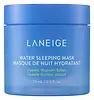
This hydrating overnight mask is formulated around Ceramide AP and Squalane to hydrate skin and strengthen the skin barrier.
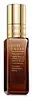
This calming serum is formulated around Lactobacillus Ferment and Resveratrol to calm redness and strengthen the skin barrier.


What's inside
What's inside
 Key Ingredients
Benefits
Concerns
Ingredients Side-by-side
Water
Skin ConditioningButylene Glycol
Humectant

Glycerin
Humectant
Methyl Trimethicone
Skin Conditioning
Ceramide AP
Skin Conditioning



1,2-Hexanediol
Skin Conditioning
Squalane
Emollient
Phenyl Trimethicone
Skin Conditioning
PCA Dimethicone
Skin Conditioning
Caprylyl Methicone
Skin Conditioning
Ammonium Acryloyldimethyltaurate/Vp Copolymer
Lactobacillus Ferment Lysate
Skin Conditioning
Carbomer
Emulsion StabilisingPropanediol
Solvent
Tromethamine
BufferingAcrylates/C10-30 Alkyl Acrylate Crosspolymer
Emulsion StabilisingGlyceryl Caprylate
EmollientEthylhexylglycerin
Skin ConditioningDisodium EDTA
Raffinose
Skin ConditioningStearyl Behenate
Emollient

Malachite Extract
Antioxidant
Parfum
Masking



Polyglyceryl-3 Methylglucose Distearate
Emulsifying
Inulin Lauryl Carbamate
Emulsion StabilisingNiacinamide
Smoothing






Tryptophan
MaskingHydroxypropyl Bispalmitamide Mea
Emollient
Beta-Glucan
Skin Conditioning
Limonene
Perfuming
Saururus Chinensis Extract
Skin ConditioningAcorus Gramineus Extract
HumectantLinalool
Perfuming
Tocopherol
Antioxidant
Water, Butylene Glycol, Glycerin, Methyl Trimethicone, Ceramide AP, 1,2-Hexanediol, Squalane, Phenyl Trimethicone, PCA Dimethicone, Caprylyl Methicone, Ammonium Acryloyldimethyltaurate/Vp Copolymer, Lactobacillus Ferment Lysate, Carbomer, Propanediol, Tromethamine, Acrylates/C10-30 Alkyl Acrylate Crosspolymer, Glyceryl Caprylate, Ethylhexylglycerin, Disodium EDTA, Raffinose, Stearyl Behenate, Malachite Extract, Parfum, Polyglyceryl-3 Methylglucose Distearate, Inulin Lauryl Carbamate, Niacinamide, Tryptophan, Hydroxypropyl Bispalmitamide Mea, Beta-Glucan, Limonene, Saururus Chinensis Extract, Acorus Gramineus Extract, Linalool, Tocopherol
Water
Skin ConditioningDimethicone
Emollient
Glycerin
Humectant
Methyl Trimethicone
Skin Conditioning
Bis-PEG-18 Methyl Ether Dimethyl Silane
EmollientButylene Glycol
Humectant
Isopropyl Isostearate
Emollient

PPG-15 Stearyl Ether
EmollientPEG-10 Dimethicone
Skin Conditioning
Faex Extract
Skin ConditioningTripeptide-32
Skin Conditioning
Sodium Hyaluronate Crosspolymer
Humectant
Sodium Hyaluronate
Humectant
Hydrolyzed Sodium Hyaluronate
Skin Conditioning
Hydrolyzed Algin
Lactobacillus Ferment
Skin Conditioning
Adansonia Digitata Seed Extract
Skin ConditioningSoy Amino Acids
Skin ConditioningAminopropyl Ascorbyl Phosphate
Antioxidant
Resveratrol
Antioxidant
Algae Extract
Emollient
Salicylic Acid
Masking


Ergothioneine
Antioxidant
Tocopheryl Acetate
Antioxidant
Whey Protein
Skin ConditioningAvena Sativa Kernel Extract
Abrasive
Citrullus Lanatus Fruit Extract
Skin Conditioning
Laminaria Digitata Extract
Skin Protecting
Lens Esculenta Fruit Extract
Skin ConditioningPyrus Malus Fruit Extract
Skin Conditioning
Caffeine
Skin Conditioning
Sodium PCA
Humectant
Propylene Glycol Caprylate
Skin ConditioningTriticum Vulgare Germ Extract
Skin ConditioningLavandula Angustifolia Oil
Masking

Hordeum Vulgare Extract
EmollientAnthemis Nobilis Flower Extract
Masking
Isohexadecane
EmollientPolysilicone-11
Methyldihydrojasmonate
MaskingSodium Lactate
Buffering
Disteardimonium Hectorite
StabilisingIsododecane
EmollientPolyacrylate Crosspolymer-6
Emulsion StabilisingSqualane
Emollient
Polyethylene
Abrasive
Propylene Carbonate
SolventPentylene Glycol
Skin Conditioning
Disodium EDTA
ChelatingBHT
Antioxidant
Potassium Sorbate
Preservative
Sodium Benzoate
Masking
Phenoxyethanol
Preservative
Linalool
Perfuming
CI 14700
Cosmetic ColorantCI 19140
Cosmetic ColorantWater, Dimethicone, Glycerin, Methyl Trimethicone, Bis-PEG-18 Methyl Ether Dimethyl Silane, Butylene Glycol, Isopropyl Isostearate, PPG-15 Stearyl Ether, PEG-10 Dimethicone, Faex Extract, Tripeptide-32, Sodium Hyaluronate Crosspolymer, Sodium Hyaluronate, Hydrolyzed Sodium Hyaluronate, Hydrolyzed Algin, Lactobacillus Ferment, Adansonia Digitata Seed Extract, Soy Amino Acids, Aminopropyl Ascorbyl Phosphate, Resveratrol, Algae Extract, Salicylic Acid, Ergothioneine, Tocopheryl Acetate, Whey Protein, Avena Sativa Kernel Extract, Citrullus Lanatus Fruit Extract, Laminaria Digitata Extract, Lens Esculenta Fruit Extract, Pyrus Malus Fruit Extract, Caffeine, Sodium PCA, Propylene Glycol Caprylate, Triticum Vulgare Germ Extract, Lavandula Angustifolia Oil, Hordeum Vulgare Extract, Anthemis Nobilis Flower Extract, Isohexadecane, Polysilicone-11, Methyldihydrojasmonate, Sodium Lactate, Disteardimonium Hectorite, Isododecane, Polyacrylate Crosspolymer-6, Squalane, Polyethylene, Propylene Carbonate, Pentylene Glycol, Disodium EDTA, BHT, Potassium Sorbate, Sodium Benzoate, Phenoxyethanol, Linalool, CI 14700, CI 19140
Reviews
Ingredients Explained
These ingredients are found in both products.
Ingredients higher up in an ingredient list are typically present in a larger amount.
Butylene Glycol (or BG) is used within cosmetic products for a few different reasons:
Overall, Butylene Glycol is a safe and well-rounded ingredient that works well with other ingredients.
Though this ingredient works well with most skin types, some people with sensitive skin may experience a reaction such as allergic rashes, closed comedones, or itchiness.
Learn more about Butylene GlycolDisodium EDTA is a chelating agent. It grabs onto and deactivates metal ions that sneak into your products from water, packaging, or air.
This ingredient mainly works behind the scenes and helps with:
On top of that, this ingredient can counteract the effects of hard water by binding to the minerals in it.
One thing worth knowing is that Disodium EDTA has been shown to be a mild penetration enhancer. It can help other ingredients absorb into skin more effectively which can be a double-edged sword (great for actives, but can also make the active too strong if you have sensitive skin).
Clinical patch testing showed no significant skin irritation at typical use concentrations and minimal dermal absorption.
You'll most likely see this ingredient near the end of an ingredient list. It's typically found in concentrations less than 1%.
Learn more about Disodium EDTAGlycerin (or glycerol) is a compound naturally found in your skin. It's a powerhouse humectant that pulls water into the stratum corneum.
Topically, glycerin does several things at once:
Your skin makes glycerin on its own (mostly from sebaceous oil breakdown) and shuttles it to your outermost layer of skin, or your epidermis, via aquaporin-3.
Aquaporin-3 is a transporter that is essential for normal skin hydration, elasticity, and repair. Interestingly, mice lacking in AQP3 have dry and less elastic skin that can be fully corrected with glycerin.
This ingredient is non-irritating, plays well with almost every ingredient, and works across all skin types. Typical use is anywhere between 3-10% but can go up to 79% in some leave-on products.
Just know very high concentrations (>40%) can feel tacky in low humidity.
Glycerin is the name for this ingredient in American English. British English uses Glycerol/Glycerine.
Learn more about GlycerinLinalool is a small, naturally occurring scent molecule found in plants like lavender, coriander, bergamot, and more.
It is one of the two most-used fragrance ingredients in cosmetics and added purely for smell. Since it's not used for a skin benefit, there's no "effective dose". Concentration depends on the fragrance load of the product.
The EU requires it to be named on the label above 0.001% in leave-on and 0.01% in rinse-off products.
Fresh linalool is a weak sensitizer but air exposure turns some of it into hydroperoxides, which are strong sensitizers. Those oxidation products are the actual allergy concern.
Patch-test clinics see positive reactions to linalool hydroperoxides in about 4% to 12% of dermatitis patients depending on country and test concentration.
Resassuringly, one analytical study found hydroperoxide levels in real fragranced products to be orders of magnitude below what induced sensitization in animal studies with no evidence of oxidation building up during normal storage.
The practical takeaway is that linalool is fine for most people but worth avoiding if you have a confirmed fragrance contact allergy or a badly compromised barrier.
Products stored a long time after opening are also the high-risk scenario since that is when oxidation happens.
The scent of linalool is described as floral, spicy tropical, and citrus-like.
Learn more about LinaloolMethyl Trimethicone is a type of silicone. It is a solvent and emulsifier.
Solvents are used to keep ingredients together in a product. They can help dissolve ingredients to stable bases or help evenly distribute ingredients throughout the product.
Emulsifiers help stabilize a product. It does this by preventing certain ingredients from separating.
Methyl Trimethicone does not get absorbed into the skin.
Learn more about Methyl TrimethiconeSqualane is the hydrogenated and shelf-stable form of squalene (a lipid that naturally occurs in human sebum).
It is an emollient and skin conditioning agent that is able to integrate seamlessly into the skin's lipid barrier without clogging pores.
This is due to how structurally similar it is to what your skin already produces.
Though it is mostly an emollient that helps soften and hydrate skin, it also has some humectant and occlusive action. Humectants help the skin retain moisture while occlusives seal it in, making squalane a triple-threat moisturizer.
Research shows it has antioxidant capabilities that help protect against stressors like UV exposure, specifically UVA induced oxidative stress. This study also found that it supports collagen biosynthesis in human dermal fibroblasts.
No clinical study has reported significant adverse effects and irritation reactions are very rare from this ingredient (even at 100% concentration).
Overall, it's a fantastic ingredient for hydration and is suitable for all skin types.
This depends on the source. Squalane can be derived from both plants and animals. Most squalane used in skincare comes from plants.
Please note: the source of squalane is only known if disclosed by the brand. We recommend reaching out to the brand if you have any questions about their squalane.
Read more about squalene with an "e".
Though squalane is often called an oil, it’s technically not one. It is a hydrocarbon, meaning it is only made of carbon and hydrogen. True oils are triglycerides and made of fatty acids and glycerol.
The term “oil-free” isn’t regulated so companies can define it however they want. Some exclude all oils, while others just avoid mineral oil or comedogenic oils.
Squalane has a comedogenic rating of 1 from the original 1972 study that tested raw ingredients under occlusion on rabbit ears. This system is not standardized or peer-reviewed, and using the raw ingredients is very different from how diluted cosmetic formulations are used on human skin.
A comedogenic rating of 1 means it is "unlikely to clog pores" according to the original rating system.
The overall formula of a product matters more than the individual ingredients on whether or not it will cause clogged pores.
Learn more about SqualaneWater. It's the most common cosmetic ingredient of all. You'll usually see it at the top of ingredient lists, meaning that it makes up the largest part of the product.
So why is it so popular? Water most often acts as a solvent - this means that it helps dissolve other ingredients into the formulation.
You'll also recognize water as that liquid we all need to stay alive. If you see this, drink a glass of water. Remember to stay hydrated!
Learn more about Water

