

What's inside
What's inside
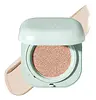 Key Ingredients
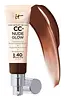
Benefits
Concerns
Ingredients Side-by-side
Water
Skin ConditioningCI 77891
Cosmetic ColorantMethyl Trimethicone
Skin Conditioning
Homosalate
Skin Conditioning

Caprylyl Methicone
Skin Conditioning
Titanium Dioxide
Cosmetic Colorant
Dimethicone
Emollient
Trimethylsiloxysilicate
Emollient
PEG-10 Dimethicone
Skin Conditioning
Butylene Glycol
Humectant

Glycerin
Humectant
Silica
Abrasive


Lauryl PEG-8 Dimethicone
Surfactant
CI 77492
Cosmetic ColorantAcrylates/Dimethicone Copolymer
Skin Conditioning
1,2-Hexanediol
Skin Conditioning
Hdi/Trimethylol Hexyllactone Crosspolymer
Silica Dimethicone Silylate
Absorbent
Aluminum Hydroxide
EmollientDisteardimonium Hectorite
StabilisingCI 77491
Cosmetic ColorantMica
Cosmetic ColorantSodium Chloride
MaskingIsopropyl Titanium Triisostearate
Emollient

Vinyl Dimethicone/Methicone Silsesquioxane Crosspolymer
Bis-PEG-15 Dimethicone/Ipdi Copolymer
Parfum
Masking



Alumina
Abrasive
Caprylyl Glycol
Emollient
Trihydroxystearin
Skin Conditioning
Stearic Acid
Cleansing
Dimethicone/Polyglycerin-3 Crosspolymer
Cleansing
Ethylhexylglycerin
Skin ConditioningPanthenol
Skin Conditioning

Triethoxycaprylylsilane
Disodium EDTA
ChelatingPEG-2 Soyamine
EmulsifyingSimethicone
Emollient
Mentha Arvensis Leaf Extract
MaskingHydrolyzed Hyaluronic Acid
Humectant

CI 77499
Cosmetic ColorantCitronellol
Perfuming
Geraniol
Perfuming
Limonene
Perfuming
Dipropylene Glycol
HumectantNelumbo Nucifera Flower Extract
Skin ConditioningHydroxycitronellal
Perfuming
Sodium Citrate
BufferingTocopherol
Antioxidant



Water, CI 77891, Methyl Trimethicone, Homosalate, Caprylyl Methicone, Titanium Dioxide, Dimethicone, Trimethylsiloxysilicate, PEG-10 Dimethicone, Butylene Glycol, Glycerin, Silica, Lauryl PEG-8 Dimethicone, CI 77492, Acrylates/Dimethicone Copolymer, 1,2-Hexanediol, Hdi/Trimethylol Hexyllactone Crosspolymer, Silica Dimethicone Silylate, Aluminum Hydroxide, Disteardimonium Hectorite, CI 77491, Mica, Sodium Chloride, Isopropyl Titanium Triisostearate, Vinyl Dimethicone/Methicone Silsesquioxane Crosspolymer, Bis-PEG-15 Dimethicone/Ipdi Copolymer, Parfum, Alumina, Caprylyl Glycol, Trihydroxystearin, Stearic Acid, Dimethicone/Polyglycerin-3 Crosspolymer, Ethylhexylglycerin, Panthenol, Triethoxycaprylylsilane, Disodium EDTA, PEG-2 Soyamine, Simethicone, Mentha Arvensis Leaf Extract, Hydrolyzed Hyaluronic Acid, CI 77499, Citronellol, Geraniol, Limonene, Dipropylene Glycol, Nelumbo Nucifera Flower Extract, Hydroxycitronellal, Sodium Citrate, Tocopherol
Water
Skin ConditioningGlycerin
Humectant
Homosalate
Skin Conditioning
Octocrylene
UV Absorber
Caprylyl Methicone
Skin Conditioning
Ethylhexyl Salicylate
UV Absorber
Dimethicone
Emollient
Butyloctyl Salicylate
Skin Conditioning
Cetyl PEG/PPG-10/1 Dimethicone
Emulsifying
Niacinamide
Smoothing


Propanediol
Solvent
Dimethicone/PEG-10/15 Crosspolymer
Synthetic Fluorphlogopite
Phenoxyethanol
Preservative
Sodium Chloride
MaskingButylene Glycol
Humectant
Trimethylsiloxysilicate
Emollient
Disteardimonium Hectorite
StabilisingDisodium Stearoyl Glutamate
CleansingParfum
Masking
Chlorphenesin
Antimicrobial
Caprylyl Glycol
Emollient
Snail Secretion Filtrate
Skin Conditioning
Silica Silylate
Emollient
Trisodium Ethylenediamine Disuccinate
ChelatingLimonene
Perfuming
Simethicone
Emollient
Maltodextrin
Absorbent
Aluminum Hydroxide
EmollientAdenosine
Skin Conditioning
Ethyl Hexanediol
SolventDipropylene Glycol
HumectantSodium Hyaluronate
Humectant
Citral
Perfuming
Linalool
Perfuming
Sodium Citrate
BufferingCamellia Sinensis Leaf Extract
Antimicrobial
Tocopherol
Antioxidant
Water, Glycerin, Homosalate, Octocrylene, Caprylyl Methicone, Ethylhexyl Salicylate, Dimethicone, Butyloctyl Salicylate, Cetyl PEG/PPG-10/1 Dimethicone, Niacinamide, Propanediol, Dimethicone/PEG-10/15 Crosspolymer, Synthetic Fluorphlogopite, Phenoxyethanol, Sodium Chloride, Butylene Glycol, Trimethylsiloxysilicate, Disteardimonium Hectorite, Disodium Stearoyl Glutamate, Parfum, Chlorphenesin, Caprylyl Glycol, Snail Secretion Filtrate, Silica Silylate, Trisodium Ethylenediamine Disuccinate, Limonene, Simethicone, Maltodextrin, Aluminum Hydroxide, Adenosine, Ethyl Hexanediol, Dipropylene Glycol, Sodium Hyaluronate, Citral, Linalool, Sodium Citrate, Camellia Sinensis Leaf Extract, Tocopherol
Reviews
Ingredients Explained
These ingredients are found in both products.
Ingredients higher up in an ingredient list are typically present in a larger amount.
Aluminum Hydroxide is a form of aluminum. It can be naturally found in nature as the mineral gibbsite. In cosmetics, Aluminum Hydroxide is used as a colorant, pH adjuster, and absorbent.
As a colorant, Aluminum Hydroxide may add opacity, or reduce the transparency. Aluminum hydroxide is contains both basic and acidic properties.
According to manufacturers, this ingredient is an emollient and humectant. This means it helps hydrate the skin.
In medicine, this ingredient is used to help relieve heartburn and help heal ulcers.
There is currently no credible scientific evidence linking aluminum hydroxide in cosmetics to increased cancer risk.
Major health organizations allow the use of aluminum hydroxide in personal care products and have not flagged it as a carcinogenic risk at typical usage levels.
Learn more about Aluminum HydroxideButylene Glycol (or BG) is used within cosmetic products for a few different reasons:
Overall, Butylene Glycol is a safe and well-rounded ingredient that works well with other ingredients.
Though this ingredient works well with most skin types, some people with sensitive skin may experience a reaction such as allergic rashes, closed comedones, or itchiness.
Learn more about Butylene GlycolCaprylyl Glycol is a humectant, skin conditioner, emollient, and preservative booster derived from either caprylic acid or synthetically created.
Typical use levels vary from 0.3-1% as a preservative booster and go up to 2% to condition skin.
Because it is not a free-fatty acid, this ingredient is fungal acne safe (there's nothing for Malassezia to feed on).
Learn more about Caprylyl GlycolCaprylyl Methicone is a synthetic and lightweight silicone fluid. It gives products a silky, dry-touch finish without the heaviness of pure oils.
Though the EU CosIng Database lists this ingredient as a skin conditioner, it is also used for sensory reasons. It spreads easily, cuts greasiness, and reduces tackiness.
This ingredient is volatile which means it will mostly evaporate (but it evaporates slower than older cyclomethicones, like Cyclotetrasiloxane).
Typical concentration ranges from 1-30% depending on if it's being used to tweak the feel of a product or acting as the main emollient.
Learn more about Caprylyl MethiconeDimethicone is a type of synthetic silicone created from natural materials such as quartz. It is also known as polydimethylsiloxane.
What it does:
Dimethicone comes in different viscosities:
Depending on the viscosity, dimethicone has different properties.
Ingredients lists don't always show which type is used, so we recommend reaching out to the brand if you have questions about the viscosity.
This ingredient is unlikely to cause irritation because it does not get absorbed into skin. However, people with silicone allergies should be careful about using this ingredient.
Note: Dimethicone may contribute to pilling. This is because it is not oil or water soluble, so pilling may occur when layered with products. When mixed with heavy oils in a formula, the outcome is also quite greasy.
Learn more about DimethiconeDipropylene Glycol is a synthetically created humectant, stabilizer, and solvent.
This ingredient helps:
Dipropylene glycol is technically an alcohol, but it belongs to the glycol family (often considered part of the ‘good’ alcohols). This means it is hydrating and gentle on skin unlike drying solvent alcohols like denatured alcohol.
As a masking agent, Dipropylene Glycol can be used to cover the smell of other ingredients. However, it does not have a scent.
Studies show Dipropylene Glycol is considered safe to use in skincare.
Learn more about Dipropylene GlycolDisteardimonium Hectorite comes from the clay mineral named hectorite. It is used to add thickness to a product.
It can also help stabilize a product by helping to disperse other ingredients.
Hectorite is a rare, white clay mineral.
Learn more about Disteardimonium HectoriteGlycerin (or glycerol) is a compound naturally found in your skin. It's a powerhouse humectant that pulls water into the stratum corneum.
Topically, glycerin does several things at once:
Your skin makes glycerin on its own (mostly from sebaceous oil breakdown) and shuttles it to your outermost layer of skin, or your epidermis, via aquaporin-3.
Aquaporin-3 is a transporter that is essential for normal skin hydration, elasticity, and repair. Interestingly, mice lacking in AQP3 have dry and less elastic skin that can be fully corrected with glycerin.
This ingredient is non-irritating, plays well with almost every ingredient, and works across all skin types. Typical use is anywhere between 3-10% but can go up to 79% in some leave-on products.
Just know very high concentrations (>40%) can feel tacky in low humidity.
Glycerin is the name for this ingredient in American English. British English uses Glycerol/Glycerine.
Learn more about GlycerinHomosalate is an oil-soluble organic UVB filter that has been a sunscreen staple for decades. Its job is to absorb UVB rays (~295-315 nm) and protect your skin against sunburn,
This is one of the more photostable organic UV filters; it holds up pretty well under UV and a 2022 quantum-chemistry study found it stays stable in sunlight.
It's actually so reliable that formulators often pair it with shakier ingredients like oxybenzone and avobenzone. Formulators also use it to help dissolve the other UV filters into the oil phase.
One thing to keep in mind: "stable" isn't the same as "strong". On its own, homosalate is actually a pretty weak UV filter so it's better off as a helpful team player that helps boost overall SPF protection.
The safety picture is a bit nuanced but not scary.
This ingredient has a long track record of being gentle and regulators agree it isn't an irritant; EU's Scientific Committee on Consumer Safety found that homosalate is not considered a skin irritant and doesn't raise eye-irritation flags either.
There's talk about homosalate because your skin absorbs a little bit of it into your bloodstream. A 2020 FDA-backed study found homosalate showed up in people's blood levels at the level where the FDA decides to double check.
The EU's Scientific Committee on Consumer Safety (SCCS) also found small amounts in blood and breast milk. They estimated that about 5% of what you apply gets absorbed through the skin.
Due to the debate about whether it might mess with hormones, the SCCS recommended a maximum limit of 0.5% in most products of 7.3% in face creams/pump sprays.
One important thing to keep in mind: in the US, Homosalate is currently labeled "non-GRASE" by the FDA. This sounds alarming but really just means the FDA wants more data to confirm it's safe. It's not confidently saying this ingredient is harmful.
As of now, homosalate is still completely legal and widely used while that research gets done.
The current maximum limits are:
Learn more about HomosalateLimonene is the compound that gives citrus peel its smell.
In skincare, it shows up as a standalone fragrance ingredient or as a natural compound of citrus and other essential oils.
You'll typically see this ingredient used in very small amounts; anything above 0.001% in a leave-on product or 0.01% in a rinse-off has to be named on the label in the EU. The citrus oils that carry it sit around 0.5-1% in a finished formula.
Fresh limonene is a weak allergen; the real issue is that it slowly reacts with air and then breaks down from oxidation to create hydroperoxides (which are strong sensitizers). This is why suppliers are required to keep the peroxide value below 20 mmol.
Positive reactions in people being investigated for eczema vary:
It's worth skipping if you have a known fragrance allergy or a compromised barrier, but the risk is low for most people.
Older or long-opened products are also more likely to bother you than fresh ones due to oxidation.
Learn more about LimoneneParfum is a catch-all term for an ingredient or more that is used to give a scent to products.
Also called "fragrance", this ingredient can be a blend of hundreds of chemicals or plant oils. This means every product with "fragrance" or "parfum" in the ingredients list is a different mixture.
For instance, Habanolide is a proprietary trade name for a specific aroma chemical. When used as a fragrance ingredient in cosmetics, most aroma chemicals fall under the broad labeling category of “FRAGRANCE” or “PARFUM” according to EU and US regulations.
The term 'parfum' or 'fragrance' is not regulated in many countries. In many cases, it is up to the brand to define this term.
For instance, many brands choose to label themselves as "fragrance-free" because they are not using synthetic fragrances. However, their products may still contain ingredients such as essential oils that are considered a fragrance by INCI standards.
One example is Calendula flower extract. Calendula is an essential oil that still imparts a scent or 'fragrance'.
Depending on the blend, the ingredients in the mixture can cause allergies and sensitivities on the skin. Some ingredients that are known EU allergens include linalool and citronellol.
Parfum can also be used to mask or cover an unpleasant scent.
The bottom line is: not all fragrances/parfum/ingredients are created equally. If you are worried about fragrances, we recommend taking a closer look at an ingredient. And of course, we always recommend speaking with a professional.
Learn more about ParfumSimethicone is a silicone. It is an emollient and used to reduce foaming in a product. It is also often used to coat sunscreen ingredients for better spreadability.
This ingredient is created by mixing dimethylpolysiloxane and hydrated silica.
Chances are, you eat sodium chloride every day. Sodium Chloride is also known as table salt. This ingredient has many purposes in skincare: thickener, emulsifier, and exfoliator.
You'll most likely find this ingredient in cleansers where it is used to create a gel-like texture. As an emulsifier, it also prevents ingredients from separating.
You might see people debate whether Sodium Chloride is comedogenic, but there actually haven't been any comedogenic tests done on it. Either way, the overall formulation of a product matters a lot more than any single ingredient.
You might see this ingredient used in scrubs as a primary exfoliating ingredient.
Learn more about Sodium ChlorideSodium Citrate is the sodium salts of citric acid. In skincare, it is used to alter pH levels and acts as a preservative.
Its main functions are to maintain the pH of a product and neutralize metal ions.
The acidity of our skin is maintained by our glands and skin biome; normal pH level of skin is slightly acidic (~4.75-5.5).
Being slightly acidic allows our skin to create an "acid mantle". This acid mantle is a thin barrier that protects our skin from bacteria and contaminants.
Learn more about Sodium CitrateTocopherol is a fat-soluble antioxidant known as Vitamin E.
You'll find this ingredient in the vast majority of skincare (for good reason). It works to neutralize free radicals, or unstable molecules generated by UV exposure, pollution, and other environmental stressors, before they can cause oxidative damage to your skin cells.
Topically applied tocopherol has been shown to protect against UV damage by ramping up the skin's own natural defense enzymes.
It also acts as a skin conditioning agent; some studies show that regular topical use can improve the skin's water-binding capacity over 2-4 weeks.
This ingredient is especially loved for being a team player. When combined with Vitamin C, the photoprotective effect of both ingredients roughly doubles and the combo also helps reduce UV-induced DNA damage.
This ingredient has some brightening potential but it's more of a prevention ingredient than spot-fader. Cell studies show it can slow down melanin production but it's worth noting that it's not the most powerful brightener out there.
In formulations, it also serves as a stabilizer that helps protect other oxidation-prone ingredients from degrading.
Concentrations usually range from 0.1-1% in most leave-on products.
Learn more about TocopherolThis silicone is an emollient. Emollients create a thin film on the skin to prevent moisture from escaping.
It is not soluble in water and helps increase water-resistance in products.
According to a manufacturer, it can blend seamlessly with silicone oils, such as Cyclopentasiloxane.
Learn more about TrimethylsiloxysilicateWater. It's the most common cosmetic ingredient of all. You'll usually see it at the top of ingredient lists, meaning that it makes up the largest part of the product.
So why is it so popular? Water most often acts as a solvent - this means that it helps dissolve other ingredients into the formulation.
You'll also recognize water as that liquid we all need to stay alive. If you see this, drink a glass of water. Remember to stay hydrated!
Learn more about Water

