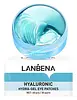
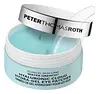
LANBENA Hyaluronic Hydra-Gel Eye Patches Versus Peter Thomas Roth Water Drench Hyaluronic Cloud Hydra-Gel Eye Patches
This hydrating eye mask is formulated around Sodium Hyaluronate and Niacinamide to hydrate skin and soften the look of wrinkles.
This hydrating eye mask is formulated around Sodium Hyaluronate and Caffeine to hydrate skin and soften the look of wrinkles.


What's inside
What's inside
 Key Ingredients
Benefits
Concerns
Ingredients Side-by-side
Water
Skin ConditioningGlycerin
Humectant


Carrageenan



Sodium Hyaluronate
Humectant


Niacinamide
Smoothing







Ceratonia Siliqua Gum
EmollientHydrolyzed Collagen
Emollient
Dipropylene Glycol
HumectantButylene Glycol
Humectant
Camellia Sinensis Leaf
Perfuming
Tocopheryl Acetate
Antioxidant

Adenosine
Skin Conditioning
Allantoin
Skin Conditioning
Caffeine
Skin Conditioning
Xanthan Gum
EmulsifyingPEG-60 Hydrogenated Castor Oil
Emulsifying


Ceramide NP
Skin Conditioning
Butyrospermum Parkii Butter
Skin Conditioning
Phenoxyethanol
Preservative
Mica
Cosmetic ColorantParfum
Masking

CI 42090
Cosmetic ColorantWater, Glycerin, Carrageenan, Sodium Hyaluronate, Niacinamide, Ceratonia Siliqua Gum, Hydrolyzed Collagen, Dipropylene Glycol, Butylene Glycol, Camellia Sinensis Leaf, Tocopheryl Acetate, Adenosine, Allantoin, Caffeine, Xanthan Gum, PEG-60 Hydrogenated Castor Oil, Ceramide NP, Butyrospermum Parkii Butter, Phenoxyethanol, Mica, Parfum, CI 42090
Water
Skin ConditioningGlycerin
Humectant
Butylene Glycol
Humectant
Sodium Hyaluronate
Humectant
Hydrolyzed Collagen
Emollient
Caffeine
Skin Conditioning
Ceramide NP
Skin Conditioning
Arnica Montana Flower Extract
Masking
Althaea Officinalis Root Extract
Skin Conditioning
Allantoin
Skin Conditioning
Tocopherol
Antioxidant
Hydrolyzed Sodium Hyaluronate
Skin Conditioning
Butyrospermum Parkii Butter
Skin Conditioning
Glycyrrhiza Glabra Root Extract
Bleaching
Scutellaria Baicalensis Root Extract
Astringent
Angelica Gigas Root Extract
Skin ConditioningCimicifuga Racemosa Root Extract
Antimicrobial
Morus Alba Bark Extract
Skin ConditioningPaeonia Lactiflora Root Extract
Skin ConditioningPhellinus Linteus Extract
Skin ConditioningPolygonum Multiflorum Root Extract
Skin ConditioningSesamum Indicum Seed Extract
Skin Conditioning
Sophora Angustifolia Root Extract
Skin ConditioningAloe Barbadensis Leaf Juice
Skin Conditioning
Ricinus Communis Seed Oil
Masking
Amorphophallus Konjac Root Powder
Abrasive
Carrageenan
Hydroxyacetophenone
Antioxidant
Hexylene Glycol
EmulsifyingPropanediol
Solvent
Xylitylglucoside
Humectant
Sucrose
Humectant
Anhydroxylitol
Humectant
Glyceryl Caprylate
EmollientXylitol
Humectant
Betaine
Humectant
Ethylhexylglycerin
Skin ConditioningGlucose
Humectant
Lecithin
Emollient
Maltodextrin
Absorbent
Magnesium Aspartate
Skin ConditioningZinc Gluconate
Skin Conditioning
Aluminum Hydroxide
EmollientCopper Gluconate
Skin Conditioning
PEG-60 Hydrogenated Castor Oil
Emulsifying
Gellan Gum
Cyamopsis Tetragonoloba Gum
Emulsion StabilisingCeratonia Siliqua Gum
EmollientCalcium Chloride
AstringentTin Oxide
Abrasive
Synthetic Fluorphlogopite
Bis(Glycidoxyphenyl)Propane/Bisaminomethylnorbornane Copolymer
Caprylhydroxamic Acid
ChelatingDisodium EDTA
Chelating1,2-Hexanediol
Skin Conditioning
Ethyl Hexanediol
SolventChlorphenesin
Antimicrobial
Phenoxyethanol
Preservative
Mica
Cosmetic ColorantCI 42090
Cosmetic ColorantCI 77891
Cosmetic ColorantCI 77491
Cosmetic ColorantWater, Glycerin, Butylene Glycol, Sodium Hyaluronate, Hydrolyzed Collagen, Caffeine, Ceramide NP, Arnica Montana Flower Extract, Althaea Officinalis Root Extract, Allantoin, Tocopherol, Hydrolyzed Sodium Hyaluronate, Butyrospermum Parkii Butter, Glycyrrhiza Glabra Root Extract, Scutellaria Baicalensis Root Extract, Angelica Gigas Root Extract, Cimicifuga Racemosa Root Extract, Morus Alba Bark Extract, Paeonia Lactiflora Root Extract, Phellinus Linteus Extract, Polygonum Multiflorum Root Extract, Sesamum Indicum Seed Extract, Sophora Angustifolia Root Extract, Aloe Barbadensis Leaf Juice, Ricinus Communis Seed Oil, Amorphophallus Konjac Root Powder, Carrageenan, Hydroxyacetophenone, Hexylene Glycol, Propanediol, Xylitylglucoside, Sucrose, Anhydroxylitol, Glyceryl Caprylate, Xylitol, Betaine, Ethylhexylglycerin, Glucose, Lecithin, Maltodextrin, Magnesium Aspartate, Zinc Gluconate, Aluminum Hydroxide, Copper Gluconate, PEG-60 Hydrogenated Castor Oil, Gellan Gum, Cyamopsis Tetragonoloba Gum, Ceratonia Siliqua Gum, Calcium Chloride, Tin Oxide, Synthetic Fluorphlogopite, Bis(Glycidoxyphenyl)Propane/Bisaminomethylnorbornane Copolymer, Caprylhydroxamic Acid, Disodium EDTA, 1,2-Hexanediol, Ethyl Hexanediol, Chlorphenesin, Phenoxyethanol, Mica, CI 42090, CI 77891, CI 77491
Reviews
Ingredients Explained
These ingredients are found in both products.
Ingredients higher up in an ingredient list are typically present in a larger amount.
Allantoin is a soothing ingredient known for its protective and moisturizing properties; it's basically a quiet workhorse ingredient you can find in a huge range of cosmetics.
Though it can be derived from the comfrey plant, allantoin is produced synthetically for cosmetic products to ensure purity.
Research shows it can encourage your skin cells to turn over and renew by stimulating keratinocyte and fibroblast proliferation.
It also has mild keratolytic properties to help loosen and shed dead skin cells without being harsh.
Studies also suggest allantoin can help calm inflammation by dialing down some of the chemical signals your skin sends out when it is irritated.
This ingredient is typically used in the 0.1-0.5% range, and the FDA recognizes it as a skin protectant in OTC products up to 2%.
Overall, allantoin is a wonderful addition to most routines; it is stable across a wide pH range (~4-8), works well with other ingredients, and is considered non-sensitizing/non-irritating.
Fun fact: Allantoin is naturally occurring in comfrey root, beets, chamomile, and wheat sprouts. Our bodies even produce it as a byproduct of uric acid metabolism.
Learn more about AllantoinButylene Glycol (or BG) is used within cosmetic products for a few different reasons:
Overall, Butylene Glycol is a safe and well-rounded ingredient that works well with other ingredients.
Though this ingredient works well with most skin types, some people with sensitive skin may experience a reaction such as allergic rashes, closed comedones, or itchiness.
Learn more about Butylene GlycolThis ingredient is also known as shea butter. It is a plant-derived extract from the nuts of the Africa shea tree and one of the most well-studied emollients.
Because it has a high concentration of fatty acids (primarily oleic, stearic, and linoleic) it is able to form a protective barrier on the skin's surface. This helps seal in moisture and prevents transepidermal water loss (TEWL).
In vitro research found an increase in skin hydration by 58% and a decrease in TEWL by 37.8% after 24 hours of applying this ingredient (pretty impressive for a single ingredient!).
Besides hydration, shea butter also contains triterpenes that have anti-inflammatory potential. In particule, lupeol cinnamate has shown the highest anti-inflammatory activity in vivo.
Shea butter also contains vitamins A and E which may contribute to antioxidant activity.
While Shea Butter has an SPF rating of about 3-4, it is not a sunscreen replacement.
This ingredient may not be fungal acne safe because its fatty acids fall within the C11-C24 range that the Malassezia yeast can metabolize.
This ingredient shows up on a lot of "pore-clogging" lists but there's no real evidence behind that. It doesn't even have a comedogenic rating from an actual study; the numbers you'll find online come from blogs citing other blogs.
Ratings for other ingredients mostly come from a 1980s rabbit ear test. This test doesn't translate well to human skin or to real products because the ingredient sits at a much lower percentage.
Some people still find it breaks them out. So if that's you, definitely trust your skin. Just know this one's based on experience and not evidence.
Learn more about Butyrospermum Parkii ButterCaffeine is a naturally occurring plant compound found in coffee beans, tea leaves, cocoa pods, and guarana.
As an antioxidant, caffeine protects your skin from free radical damage caused by UV exposure and envionrmnetal stressors.
Early research also shows that caffeine can help calm redness, soothe irritated skin, and support hair growth by stimulating microcirculation in the scalp.
You might have seen eye creams marketing caffeine as a depuffing ingredient. This is because it is a vasoconstrictor meaning it can temporarily constrict blood vessels, though clinical evidence for this specific use is still limited.
Most skincare products contain this ingredient at concentrations between 1-6%. It is able to penetrate skin easily regardless of skin type or thickness.
Just so you know, a very small number of case reports describe caffeine-induced allergy. This ingredient is generally well-tolerated, non-irritating, and non-sensitizing for the majority of people.
Learn more about CaffeineCarrageenan is a gel-forming sugar chain pulled out of red seaweed. In skincare, it's a texture ingredient rather than an active that:
Formulators typically use it around 0.1-2% but go up to 5% in thick gel masks or toothpaste-style products.
It's a very large molecule that doesn't meaningfully get through intact skin and the CIR Expert Panel has concluded it's safe at current use levels.
True allergy is rare and there are only two published cases from internal/mucosal exposure rather than anything topical. Most of the scary internet content about Carrageenan is actually about poligeenan (also called "degraded carrageenan").
Poligeenan is a deliberately acid-broken down version that isn't food or cosmetic grade.
Learn more about CarrageenanCeramide NP (formerly known as Ceramide 3) is one of the skin's naturally occurring lipids.
Since ceramides are the major lipid components of the skin, they are crucial for maintaining skin barrier and hydration. Ceramide NP most closely mirrors the dominant kind in human skin amongst ceramide subtypes.
This ceramide works by slotting into gaps within the stratum corneum's lipid matrix to limit trans-epidermal water loss (TEWL) and shield the skin against external irritants.
A study with 312 patients found that using a ceramide-containing routine for 4 weeks reduced the severity of atopic dermatitis by over 61%.
Another clinical study in subjects aged 60 and older found that a ceramide body wash and moisturizer improved skin dryness and itchy skin in 15 days.
Overall, ceramides are considered non-irritating and safety tests have found little to no observable adverse effects from using this ingredient.
Ceramide NP is usually sourced from plants (like soybean or rice bran), or produced synthetically.
Learn more about Ceramide NPCeratonia Siliqua Gum is extracted from the seeds of the carob tree. You might know this ingredient as Carob Gum or Locust Bean Gum. It is used to stabilize other ingredients and improve the texture of products.
Carob gum is made up of long-chain polysaccharides. This makes it a natural thickener.
Yes! This ingredient comes from the seeds of a tree. The name 'Locust Bean Gum' can be misleading.
Learn more about Ceratonia Siliqua GumCi 42090 is a synthetic dye created from petroleum. It is used to give a bright blue color to cosmetics, medicine, and food.
Glycerin (or glycerol) is a compound naturally found in your skin. It's a powerhouse humectant that pulls water into the stratum corneum.
Topically, glycerin does several things at once:
Your skin makes glycerin on its own (mostly from sebaceous oil breakdown) and shuttles it to your outermost layer of skin, or your epidermis, via aquaporin-3.
Aquaporin-3 is a transporter that is essential for normal skin hydration, elasticity, and repair. Interestingly, mice lacking in AQP3 have dry and less elastic skin that can be fully corrected with glycerin.
This ingredient is non-irritating, plays well with almost every ingredient, and works across all skin types. Typical use is anywhere between 3-10% but can go up to 79% in some leave-on products.
Just know very high concentrations (>40%) can feel tacky in low humidity.
Glycerin is the name for this ingredient in American English. British English uses Glycerol/Glycerine.
Learn more about GlycerinHydrolyzed Collagen is Collagen (usually sourced from fish, bovine, or porcine byproducts) that's been broken down into smaller peptides. This makes it water-soluble and easy to blend into formulations.
In a formula, it works mainly as a skin-conditioning and moisturizing agent.
The small peptides and amino acids (including Natural Moisturizing Factor components like Hydroxyproline, Serine, and Aspartic Acid) help the surface of the skin hold onto water, feel softer, and look temporarily plumper.
This ingredient also has mild film-forming and antioxidant properties with research showing the antioxidant effect is stronger the lower the molecular weight of the peptides.
It's worth being realistic here:
Topically applied Hydrolyzed Collagen conditions the upper layers of skin rather than rebuilding the structural collagen deep in your dermis (the wrinkle-and-firmness benefits people associate with Collagen mostly come from oral supplements in studies, not topicals).
However, recent lab and skin-model work on Hydrolyzed Fish Collagen has shown promising effects on cell viability and wound healing when used as an active.
Typical concentrations range from 0.2-2%, but the percentage can go much higher in rinse-off or hair products (sometimes even above 50%).
Clinical studies on this ingredient showed no irritation, sensitization, or phototoxicity.
If you are looking for vegan collagen, it usually goes by a different INCI name like hydrolyzed soy protein. Vegan collagen is derived from yeast, bacteria, or plant sources.
The results are varied.
A study from 2021 found hydrolyzed collagen increased elasticity and improved wrinkles in 1,125 participants between age 20 and 70. Another study found increased skin thickness in participants between the ages of 45 to 59.
However, It is difficult to prove that oral collagen will end up working on your skin. Many of the studies using hydrolyzed collagen also add several vitamins and nutrients into the test mixture as well.
Further studies are needed at this time.
Learn more about Hydrolyzed CollagenMica is a naturally occurring mineral used to add shimmer and color in cosmetics. It can also help improve the texture of a product or give it an opaque, white/silver color.
Serecite is the name for very fine but ragged grains of mica.
This ingredient is often coated with metal oxides like titanium dioxide. Trace amounts of heavy metals may be found in mica, but these metals are not harmful in our personal products.
Mica has been used since prehistoric times throughout the world. Ancient Egyptian, Indian, Greek, Roman, Aztec, and Chinese civilizations have used mica.
Learn more about MicaPeg-60 Hydrogenated Castor Oil comes from hydrogenated castor oil. It is a solubilizer and emulsifier.
As a solubilizer, it helps dissolve ingredients into a water-based version. It is also an emulsifer. Emulsifier help prevent oils and water from separating. Both these properties help create evenly-spread and uniform products.
Basically, Peg-60 Hydrogenated Castor Oil helps hold ingredients together.
Learn more about PEG-60 Hydrogenated Castor OilPhenoxyethanol is one of the most widely used preservatives in skincare (and for good reason!).
It has a large spectrum of antimicrobial activity and especially effective bacteria, yeast, and mold while only having a weak effect on your skin's natural microbiome.
On a cellular level, it disrupts the cell membranes of microbes by poking holes that make the cell leak. This shuts down the chemical reactions the microbe needs to make energy so it can no longer survive.
Another perk of this ingredient is that it stays functional across a wide pH range (3-10).
You'll often see it paired with boosters like Ethylhexylglycerin; one study showed that a 1:9 ratio of Ethylhexylglycerin to Phenoxyethanol damages bacterial membranes as effectively as doubling the Phenoxyethanol concentration on its own.
Typical use concentrations range from 0.3-1% depending on the formula, and this ingredient is capped at 1% int the EU.
Safety-wise, the fear mongering does not hold up to the evidence. The EU's Scientific Committee on Consumer Safety and FDA consider it safe as a preservative at up to 1%, including for children of all ages.
Adverse systemic effects only showed up in animal studies at exposures roughly 200x higher than what people get from cosmetics. And despite its very widespread use, this ingredient is a rare sensitizer and allergic reactions are uncommon.
Learn more about PhenoxyethanolSodium Hyaluronate is the salt form of hyaluronic acid. It is a long sugar chain that is naturally found in your skin, joints, and connective tissue that maintains hydration and elasticity.
In skincare, it works as a humectant. It pulls water from the environment and deeper layers of skin and binds it to the surface.
Interestingly, the size of the molecule affects its behavior:
Some clinical evidence links low molecular weight versions to improved wrinkle depth, elasticity, anti-inflammatory effects, and barrier repair.
Many serums use a blend of both weights so you can get surface hydration plus longer-lasting and deeper effects.
You'll typically see concentrations between 0.1-2% for this ingredient.
Learn more about Sodium HyaluronateWater. It's the most common cosmetic ingredient of all. You'll usually see it at the top of ingredient lists, meaning that it makes up the largest part of the product.
So why is it so popular? Water most often acts as a solvent - this means that it helps dissolve other ingredients into the formulation.
You'll also recognize water as that liquid we all need to stay alive. If you see this, drink a glass of water. Remember to stay hydrated!
Learn more about Water

