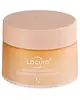
This hydrating lip mask is formulated around Butyrospermum Parkii Butter and Sodium Hyaluronate to hydrate lips and strengthen the lip barrier.
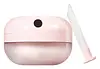
This anti-aging lip moisturizer is formulated around Butyrospermum Parkii Butter and Adenosine to soften the look of wrinkles and hydrate lips.


What's inside
What's inside
 Key Ingredients
Benefits
Concerns
Ingredients Side-by-side
Polyisobutene
Paraffinum Liquidum
Emollient


Diisostearyl Malate
EmollientHydrogenated Poly(C6-14 Olefin)
EmollientCera Microcristallina
Emulsion StabilisingHydrogenated Polyisobutene
EmollientButyrospermum Parkii Butter
Skin Conditioning





Candelilla Cera
Emollient
Hydrogenated Styrene/Isoprene Copolymer
Triacontanyl Pvp
HumectantSucrose Tetrastearate Triacetate
Emollient
Polyhydroxystearic Acid
Emulsifying
Parfum
Masking

Polyglyceryl-2 Diisostearate
Emulsifying
Polyglyceryl-4 Diisostearate/Polyhydroxystearate/Sebacate
Emulsifying
Cocos Nucifera Oil
Masking
Polyglyceryl-6 Pentastearate
Emulsifying
Vanillin
Masking
Tocopheryl Acetate
Antioxidant


Sodium Hyaluronate
Humectant


3-O-Ethyl Ascorbic Acid
Skin Conditioning



Vitis Vinifera Juice
Antioxidant
Rubus Idaeus Juice
AstringentPunica Granatum Fruit Juice
MaskingAluminum Hydroxide
EmollientTriethoxycaprylylsilane

Butylene Glycol
Humectant
Hydroxyacetophenone
Antioxidant
CI 19140
Cosmetic ColorantCI 77891
Cosmetic ColorantPolyisobutene, Paraffinum Liquidum, Diisostearyl Malate, Hydrogenated Poly(C6-14 Olefin), Cera Microcristallina, Hydrogenated Polyisobutene, Butyrospermum Parkii Butter, Candelilla Cera, Hydrogenated Styrene/Isoprene Copolymer, Triacontanyl Pvp, Sucrose Tetrastearate Triacetate, Polyhydroxystearic Acid, Parfum, Polyglyceryl-2 Diisostearate, Polyglyceryl-4 Diisostearate/Polyhydroxystearate/Sebacate, Cocos Nucifera Oil, Polyglyceryl-6 Pentastearate, Vanillin, Tocopheryl Acetate, Sodium Hyaluronate, 3-O-Ethyl Ascorbic Acid, Vitis Vinifera Juice, Rubus Idaeus Juice, Punica Granatum Fruit Juice, Aluminum Hydroxide, Triethoxycaprylylsilane, Butylene Glycol, Hydroxyacetophenone, CI 19140, CI 77891
Diisostearyl Malate
EmollientHydrogenated Polyisobutene
EmollientPhytosteryl/Isostearyl/Cetyl/Stearyl/Behenyl Dimer Dilinoleate
Skin Conditioning
Polybutene
Hydrogenated Poly(C6-14 Olefin)
EmollientButyrospermum Parkii Butter
Skin Conditioning
Cera Microcristallina
Emulsion StabilisingSynthetic Wax
Abrasive
Ethylene/Propylene/Styrene Copolymer
Sucrose Tetrastearate Triacetate
Emollient
Mica
Cosmetic ColorantCI 77891
Cosmetic ColorantEuphorbia Cerifera Wax
Ethylhexyl Palmitate
Emollient
Parfum
Masking
Candelilla Wax Esters
Astrocaryum Murumuru Seed Butter
Emollient
Tribehenin
Emollient
Menthoxypropanediol
Masking
Glycerin
Humectant
Cocos Nucifera Oil
Masking
Oenothera Biennis Oil
Emollient
Lecithin
Emollient
Butylene/Ethylene/Styrene Copolymer
Sorbitan Isostearate
Emulsifying
Copernicia Cerifera Cera
Emollient
Dehydroacetic Acid
Preservative
Adenosine
Skin Conditioning
Tocopherol
Antioxidant
Lactic Acid
Buffering

Pentaerythrityl Tetra-Di-T-Butyl Hydroxyhydrocinnamate
Antioxidant
Palmitoyl Tripeptide-1
Skin Conditioning
Diisostearyl Malate, Hydrogenated Polyisobutene, Phytosteryl/Isostearyl/Cetyl/Stearyl/Behenyl Dimer Dilinoleate, Polybutene, Hydrogenated Poly(C6-14 Olefin), Butyrospermum Parkii Butter, Cera Microcristallina, Synthetic Wax, Ethylene/Propylene/Styrene Copolymer, Sucrose Tetrastearate Triacetate, Mica, CI 77891, Euphorbia Cerifera Wax, Ethylhexyl Palmitate, Parfum, Candelilla Wax Esters, Astrocaryum Murumuru Seed Butter, Tribehenin, Menthoxypropanediol, Glycerin, Cocos Nucifera Oil, Oenothera Biennis Oil, Lecithin, Butylene/Ethylene/Styrene Copolymer, Sorbitan Isostearate, Copernicia Cerifera Cera, Dehydroacetic Acid, Adenosine, Tocopherol, Lactic Acid, Pentaerythrityl Tetra-Di-T-Butyl Hydroxyhydrocinnamate, Palmitoyl Tripeptide-1
Reviews
Ingredients Explained
These ingredients are found in both products.
Ingredients higher up in an ingredient list are typically present in a larger amount.
This ingredient is also known as shea butter. It is a plant-derived extract from the nuts of the Africa shea tree and one of the most well-studied emollients.
Because it has a high concentration of fatty acids (primarily oleic, stearic, and linoleic) it is able to form a protective barrier on the skin's surface. This helps seal in moisture and prevents transepidermal water loss (TEWL).
In vitro research found an increase in skin hydration by 58% and a decrease in TEWL by 37.8% after 24 hours of applying this ingredient (pretty impressive for a single ingredient!).
Besides hydration, shea butter also contains triterpenes that have anti-inflammatory potential. In particule, lupeol cinnamate has shown the highest anti-inflammatory activity in vivo.
Shea butter also contains vitamins A and E which may contribute to antioxidant activity.
While Shea Butter has an SPF rating of about 3-4, it is not a sunscreen replacement.
This ingredient may not be fungal acne safe because its fatty acids fall within the C11-C24 range that the Malassezia yeast can metabolize.
This ingredient shows up on a lot of "pore-clogging" lists but there's no real evidence behind that. It doesn't even have a comedogenic rating from an actual study; the numbers you'll find online come from blogs citing other blogs.
Ratings for other ingredients mostly come from a 1980s rabbit ear test. This test doesn't translate well to human skin or to real products because the ingredient sits at a much lower percentage.
Some people still find it breaks them out. So if that's you, definitely trust your skin. Just know this one's based on experience and not evidence.
Learn more about Butyrospermum Parkii ButterCera Microcristallina, aka microcrystalline wax, is a petroleum-derived wax that helps thicken texture and stabilize the oils in formulas.
It also has mild occlusive properties that creates a film on skin to slow down water loss.
The CIR Expert Panel has concluded this ingredient to be safe as used in cosmetics.
This ingredient is refined to a cosmetic grade with high purity. It is chemically inert, stable, and doesn't clog pores (petroleum has a comedogenic rating of 0).
Malassezia feeds on fatty acids roughly in the C11-24 range and this ingredient contains none of those. Since there's no plausible food source for it here, this ingredient is fungal acne safe.
Learn more about Cera MicrocristallinaCi 77891 is a white pigment from Titanium dioxide. It is naturally found in minerals such as rutile and ilmenite.
It's main function is to add a white color to cosmetics. It can also be mixed with other colors to create different shades.
Ci 77891 is commonly found in sunscreens due to its ability to block UV rays.
Learn more about CI 77891This ingredient is also known as coconut oil. It is a plant-derived ingredient with skin conditioning properties.
The fatty acid profile of coconut oil is mostly lauric acid (~54%), followed by capric, caprylic, palmitic, and myristic acids. This profile allows it to penetrate easily into skin, moisturize, and improve dry skin.
A double-blind study confirmed that extra virgin coconut oil is as effective as mineral oil for treating very dry skin. Another study found it outperformed mineral oil for mild to moderate atopic dermatitis in children.
Another study from 2018 found that virgin coconut oil can soothe inflammation and boost key skin barrier proteins. Just know this evidence is still only from lab settings and not human trials.
It has also been shown to reduce Staphylococcus aureus, a bacteria that commonly overgrows in people with eczema.
Clinical testing shows very minimal skin irritation and no evidence of sensitization or phototoxicity.
Coconut oil gets flagged as a "fragrance" because it has a natural mild scent (not because it's a synthetic perfume). The European Cosmetic ingredient database also lists "perfuming" as a function of this ingredient.
Just so you know, the term "fragrance" is completely unregulated. Some brands still use botanical extracts or essential oils in their "fragrance-free" formulas, but regulatory databases technically classify these under "fragrance".
Coconut oil has a tiny and useless bit of natural SPF. Early lab studies clocked it around SPF 7-8 but a more recent study found the real number closer to SPF 1.2. It also offers no meaningful UVA protection (SPF only overs UVB rays).
The comedogenic rating of 4/5 means it has a high potential to clog pores; but it's worth noting that comedogenicity is highly individual and ratings cannot predict how an overall formula will behave on skin.
Since lauric acid is the dominant fatty acid, this ingredient may not be fungal acne safe. The Malassezia yeast feeds on fatty acids with carbon chain lengths between 11-24, and lauric acid falls within these lengths (C12).
Learn more about Cocos Nucifera OilDiisostearyl Malate is an emollient and most often used in lip products. It comes from isostearyl alcohol, a fatty acid, and malic acid, an AHA.
As an emollient, Diisostearyl Malate helps create a thin film on your skin to trap moisture in. This helps keep your skin soft and smooth.
This ingredient is a synthetic ingredient with emollient and skin conditioner used to make skincare products feel more lightweight on the skin. It helps improve slip and spreadability without feeling greasy.
Because it is high molecular weight and lipophilic (oil loving), it remains on the surface of skin.
Hydrogenated Polyisobutene is a synthetic polymer. Polymers are compounds with high molecular weight. Hydrogenated Polyisobutene is an emollient and texture enhancer.
In one study, Hydrogenated Polyisobutene showed better skin hydration levels than Caprylic/Capric Triglyceride. As an emollient, it helps keep your skin soft and hydrated by trapping moisture in.
Hydrogenated Polyisobutene is often used as a mineral oil replacement.
Learn more about Hydrogenated PolyisobuteneParfum is a catch-all term for an ingredient or more that is used to give a scent to products.
Also called "fragrance", this ingredient can be a blend of hundreds of chemicals or plant oils. This means every product with "fragrance" or "parfum" in the ingredients list is a different mixture.
For instance, Habanolide is a proprietary trade name for a specific aroma chemical. When used as a fragrance ingredient in cosmetics, most aroma chemicals fall under the broad labeling category of “FRAGRANCE” or “PARFUM” according to EU and US regulations.
The term 'parfum' or 'fragrance' is not regulated in many countries. In many cases, it is up to the brand to define this term.
For instance, many brands choose to label themselves as "fragrance-free" because they are not using synthetic fragrances. However, their products may still contain ingredients such as essential oils that are considered a fragrance by INCI standards.
One example is Calendula flower extract. Calendula is an essential oil that still imparts a scent or 'fragrance'.
Depending on the blend, the ingredients in the mixture can cause allergies and sensitivities on the skin. Some ingredients that are known EU allergens include linalool and citronellol.
Parfum can also be used to mask or cover an unpleasant scent.
The bottom line is: not all fragrances/parfum/ingredients are created equally. If you are worried about fragrances, we recommend taking a closer look at an ingredient. And of course, we always recommend speaking with a professional.
Learn more about ParfumSucrose Tetrastearate Triacetate isn't fungal acne safe.


