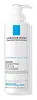
This mild cream cleanser is made to cleanse without leaving your skin tight or dry.
This mild cream cleanser is made to cleanse without leaving your skin tight or dry.


What's inside
What's inside
 Key Ingredients
Benefits
Concerns
Ingredients Side-by-side







Glycerin
Humectant


Water
Skin ConditioningSodium Cocoyl Glycinate
Cleansing
Butylene Glycol
Humectant
Squalane
Emollient
Stearic Acid
Cleansing


Diheptyl Succinate
EmollientButyrospermum Parkii Butter
Skin Conditioning

Vitis Vinifera Seed Oil
Emollient

Shea Butter Ethyl Esters
Emollient
Capryloyl Glycerin/Sebacic Acid Copolymer
Skin ConditioningAvena Sativa Kernel Oil
Skin Conditioning
Simmondsia Chinensis Seed Oil
Emollient
Adansonia Digitata Seed Oil
Emollient
Citrullus Lanatus Seed Oil
Emollient
Argania Spinosa Kernel Oil
Emollient

Helianthus Annuus Seed Oil
Emollient
Rosmarinus Officinalis Leaf Extract
AntimicrobialFicus Carica Fruit Extract
Humectant
Agastache Mexicana Flower/Leaf/Stem Extract
Skin ConditioningAvena Sativa Kernel Extract
Abrasive

Adansonia Digitata Fruit Extract
EmollientAloe Barbadensis Leaf Juice
Skin Conditioning
Sodium Hyaluronate
Humectant
Polyglyceryl-10 Laurate
Skin Conditioning
Hydroxyethylcellulose
Emulsion StabilisingCocamidopropyl Betaine
Cleansing
Sodium Lauroyl Methyl Isethionate
CleansingSodium Methyl Oleoyl Taurate
CleansingPropanediol
Solvent
Gluconolactone
Skin Conditioning




Coco-Glucoside
Cleansing
Lauryl Glucoside
CleansingOctyldodecanol
Emollient
Propylene Glycol
Humectant
Octyldodecyl Xyloside
EmulsifyingGlyceryl Caprylate
EmollientGlyceryl Undecylenate
Emollient
Phospholipids
Skin Conditioning
Xanthan Gum
EmulsifyingPEG-30 Dipolyhydroxystearate
Emulsifying
Polyglyceryl-10 Dioleate
Emulsifying
Polyglyceryl-10 Oleate
Skin Conditioning
Polyglyceryl-2 Isostearate
Emulsifying
Calcium Gluconate
HumectantPEG-60 Hydrogenated Castor Oil
Emulsifying
Disodium Sebacoyl Bis-Lauramidolysine
Skin ConditioningDisodium Phosphate
BufferingPolysorbate 60
Emulsifying
Sodium Phosphate
BufferingSodium Citrate
BufferingSodium Benzoate
Masking
Potassium Sorbate
Preservative
Glycerin, Water, Sodium Cocoyl Glycinate, Butylene Glycol, Squalane, Stearic Acid, Diheptyl Succinate, Butyrospermum Parkii Butter, Vitis Vinifera Seed Oil, Shea Butter Ethyl Esters, Capryloyl Glycerin/Sebacic Acid Copolymer, Avena Sativa Kernel Oil, Simmondsia Chinensis Seed Oil, Adansonia Digitata Seed Oil, Citrullus Lanatus Seed Oil, Argania Spinosa Kernel Oil, Helianthus Annuus Seed Oil, Rosmarinus Officinalis Leaf Extract, Ficus Carica Fruit Extract, Agastache Mexicana Flower/Leaf/Stem Extract, Avena Sativa Kernel Extract, Adansonia Digitata Fruit Extract, Aloe Barbadensis Leaf Juice, Sodium Hyaluronate, Polyglyceryl-10 Laurate, Hydroxyethylcellulose, Cocamidopropyl Betaine, Sodium Lauroyl Methyl Isethionate, Sodium Methyl Oleoyl Taurate, Propanediol, Gluconolactone, Coco-Glucoside, Lauryl Glucoside, Octyldodecanol, Propylene Glycol, Octyldodecyl Xyloside, Glyceryl Caprylate, Glyceryl Undecylenate, Phospholipids, Xanthan Gum, PEG-30 Dipolyhydroxystearate, Polyglyceryl-10 Dioleate, Polyglyceryl-10 Oleate, Polyglyceryl-2 Isostearate, Calcium Gluconate, PEG-60 Hydrogenated Castor Oil, Disodium Sebacoyl Bis-Lauramidolysine, Disodium Phosphate, Polysorbate 60, Sodium Phosphate, Sodium Citrate, Sodium Benzoate, Potassium Sorbate
Reviews
Ingredients Explained
These ingredients are found in both products.
Ingredients higher up in an ingredient list are typically present in a larger amount.
Glycerin (or glycerol) is a compound naturally found in your skin. It's a powerhouse humectant that pulls water into the stratum corneum.
Topically, glycerin does several things at once:
Your skin makes glycerin on its own (mostly from sebaceous oil breakdown) and shuttles it to your outermost layer of skin, or your epidermis, via aquaporin-3.
Aquaporin-3 is a transporter that is essential for normal skin hydration, elasticity, and repair. Interestingly, mice lacking in AQP3 have dry and less elastic skin that can be fully corrected with glycerin.
This ingredient is non-irritating, plays well with almost every ingredient, and works across all skin types. Typical use is anywhere between 3-10% but can go up to 79% in some leave-on products.
Just know very high concentrations (>40%) can feel tacky in low humidity.
Glycerin is the name for this ingredient in American English. British English uses Glycerol/Glycerine.
Learn more about GlycerinPolysorbate 60 is used to help stabilize products. It is a surfactant and emulsifier. These properties help keep ingredients together in a product. Surfactants help reduce surface tension between ingredients with different states, such as liquids and solids. Emulsifiers help prevent oils and waters from separating.
Polysorbate 60 is sorbitol-based and created from the ethoxylation of sorbitan. Ethoxylation is a chemical reaction used to add ethylene oxide. Sorbitan is a the dehydrated version of sorbitol, a sugar found in fruits.
In this case, the 60 comes from reacting 60 units of ethylene oxide with sorbitan.
Polysorbates are commonly used in medicine and foods.
Learn more about Polysorbate 60Propylene Glycol is a synthetic, colorless, odorless liquid that has been a staple in cosmetics for decades. It is a skin conditioning agent, humectant, and solvent.
As a humectant, it draw water to the skin to reduce flaking and restore suppleness. It's also a solvent that helps dissolve other actives and keeps formulas stable across temperature changes.
The CIR Expert Panel has confirmed this ingredient to be nontoxic and clinical studies show no sensitization at cosmetic use concentrations.
True allergic reactions are quite rare: a 15-year retrospective study of 6,751 patients found only 0.31% had a positive reaction (and less than half were considered clinically relevant).
It seemed that when sensitization does occur, it's most commonly linked to topical medication (like corticosteroids) and not cosmetics. Allergic contact dermatitis also appears largely limited to individuals with underlying skin conditions.
Overall, propylene glycol is a well-studied ingredient that most people can tolerate without issue.
Learn more about Propylene GlycolWater. It's the most common cosmetic ingredient of all. You'll usually see it at the top of ingredient lists, meaning that it makes up the largest part of the product.
So why is it so popular? Water most often acts as a solvent - this means that it helps dissolve other ingredients into the formulation.
You'll also recognize water as that liquid we all need to stay alive. If you see this, drink a glass of water. Remember to stay hydrated!
Learn more about Water

