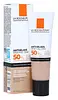
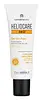
La Roche-Posay Anthelios Mineral One SPF 50+ Tinted Sunscreen Versus HELIOCARE 360 Gel Oil-Free SPF50 PA++++


What's inside
What's inside
 Key Ingredients
Benefits
Concerns
Ingredients Side-by-side
Titanium Dioxide 13.6%
Cosmetic Colorant

Water
Skin ConditioningDiisopropyl Sebacate
EmollientGlycerin
Humectant


Alcohol Denat.
Antimicrobial




Isopropyl Palmitate
Emollient


Caprylic/Capric Triglyceride
Masking
Propanediol
Solvent
Ethylhexyl Methoxycrylene
Skin Conditioning
Diethylhexyl Syringylidenemalonate
Skin ProtectingPolyglyceryl-6 Polyricinoleate
Emulsifying
Isocetyl Stearate
Emollient
CI 77891
Cosmetic ColorantAluminum Hydroxide
EmollientStearic Acid
Cleansing
Tocopherol
Antioxidant





Polyhydroxystearic Acid
Emulsifying
Caprylyl Glycol
Emollient
Aluminum Stearate
Cosmetic ColorantStearalkonium Hectorite
Gel FormingAlumina
Abrasive
Parfum
Masking

Xanthan Gum
EmulsifyingSclerotium Gum
Emulsion StabilisingLecithin
Emollient
Pullulan
Sodium Lauroyl Glutamate
SurfactantLysine
Skin ConditioningSodium Hyaluronate
Humectant
Magnesium Chloride
Silica
Abrasive

Citric Acid
Buffering
CI 77491
Cosmetic ColorantCI 77492
Cosmetic ColorantCI 77499
Cosmetic ColorantTitanium Dioxide 13.6%, Water, Diisopropyl Sebacate, Glycerin, Alcohol Denat., Isopropyl Palmitate, Caprylic/Capric Triglyceride, Propanediol, Ethylhexyl Methoxycrylene, Diethylhexyl Syringylidenemalonate, Polyglyceryl-6 Polyricinoleate, Isocetyl Stearate, CI 77891, Aluminum Hydroxide, Stearic Acid, Tocopherol, Polyhydroxystearic Acid, Caprylyl Glycol, Aluminum Stearate, Stearalkonium Hectorite, Alumina, Parfum, Xanthan Gum, Sclerotium Gum, Lecithin, Pullulan, Sodium Lauroyl Glutamate, Lysine, Sodium Hyaluronate, Magnesium Chloride, Silica, Citric Acid, CI 77491, CI 77492, CI 77499
Water
Skin ConditioningC12-15 Alkyl Benzoate
AntimicrobialArginine
Masking
Phenylbenzimidazole Sulfonic Acid
UV Absorber
Disodium Phenyl Dibenzimidazole Tetrasulfonate
UV Absorber
Bis-Ethylhexyloxyphenol Methoxyphenyl Triazine
Skin Conditioning
Titanium Dioxide
Cosmetic Colorant
Hexylene Glycol
EmulsifyingC14-22 Alcohols
Emulsion Stabilising
C12-20 Alkyl Glucoside
EmulsifyingDiethylamino Hydroxybenzoyl Hexyl Benzoate
UV Filter
Nylon-12
Myristyl Alcohol
Emollient
Dipropylene Glycol Dibenzoate
EmollientDiethylhexyl Butamido Triazone
UV Absorber
Phenoxyethanol
Preservative
Polypodium Leucotomos Leaf Extract
Skin Protecting
Ethylhexyl Ferulate
Antioxidant
Ferulic Acid
Antimicrobial
Caffeic Acid
Antioxidant
Physalis Angulata Extract
Skin ProtectingCeteareth-25
CleansingCaprylyl Glycol
Emollient
Melanin
Skin ProtectingMyristyl Glucoside
CleansingEthylhexyl Triazone
UV Absorber
Caprylyl Methicone
Skin Conditioning
Hydrolyzed Wheat Protein/Pvp Crosspolymer
Glycerin
Humectant
3-O-Ethyl Ascorbic Acid
Skin Conditioning

Alumina
Abrasive
PPG-15 Stearyl Ether Benzoate
EmollientDisodium Ethylene Dicocamide PEG-15 Disulfate
Cleansing
Camellia Sinensis Extract
Antioxidant
Ethylhexylglycerin
Skin ConditioningTocopheryl Acetate
Antioxidant
Xanthan Gum
EmulsifyingPhytosphingosine Hcl
Skin ConditioningArabidopsis Thaliana Extract
Antioxidant
Ethyl Lauroyl Arginate Hcl
Skin ConditioningPanthenyl Triacetate
Parfum
Masking
Simethicone
Emollient
Oxothiazolidine
Skin ProtectingDisodium EDTA
Silica
Abrasive
Ethyl Linoleate
Emollient
Caprylic/Capric Triglyceride
Masking
Oleyl Alcohol
Emollient
Butylene Glycol
Humectant
Lecithin
Emollient
Sodium Benzoate
Masking
Tocopherol
Antioxidant
Linalool
Perfuming
Limonene
Perfuming
Water, C12-15 Alkyl Benzoate, Arginine, Phenylbenzimidazole Sulfonic Acid, Disodium Phenyl Dibenzimidazole Tetrasulfonate, Bis-Ethylhexyloxyphenol Methoxyphenyl Triazine, Titanium Dioxide, Hexylene Glycol, C14-22 Alcohols, C12-20 Alkyl Glucoside, Diethylamino Hydroxybenzoyl Hexyl Benzoate, Nylon-12, Myristyl Alcohol, Dipropylene Glycol Dibenzoate, Diethylhexyl Butamido Triazone, Phenoxyethanol, Polypodium Leucotomos Leaf Extract, Ethylhexyl Ferulate, Ferulic Acid, Caffeic Acid, Physalis Angulata Extract, Ceteareth-25, Caprylyl Glycol, Melanin, Myristyl Glucoside, Ethylhexyl Triazone, Caprylyl Methicone, Hydrolyzed Wheat Protein/Pvp Crosspolymer, Glycerin, 3-O-Ethyl Ascorbic Acid, Alumina, PPG-15 Stearyl Ether Benzoate, Disodium Ethylene Dicocamide PEG-15 Disulfate, Camellia Sinensis Extract, Ethylhexylglycerin, Tocopheryl Acetate, Xanthan Gum, Phytosphingosine Hcl, Arabidopsis Thaliana Extract, Ethyl Lauroyl Arginate Hcl, Panthenyl Triacetate, Parfum, Simethicone, Oxothiazolidine, Disodium EDTA, Silica, Ethyl Linoleate, Caprylic/Capric Triglyceride, Oleyl Alcohol, Butylene Glycol, Lecithin, Sodium Benzoate, Tocopherol, Linalool, Limonene
Reviews
Ingredients Explained
These ingredients are found in both products.
Ingredients higher up in an ingredient list are typically present in a larger amount.
Alumina is another name for the compound aluminum oxide. It is a white powder used as a thickener, absorbent, and abrasive.
As an absorbent, alumina can give a mattifying effect. It is used in mineral sunscreens to help coat nano-sized filters, such as titanium dioxide. By increasing the size of the UV filters, these ingredients stay on the skin for a longer time. By coating small sized ingredients, alumina helps thicken a product.
Alumina may be used as an abrasive, or exfoliant.
Alumina is naturally occurring in the mineral corundum. Certain varieties of corundum create rubies and sapphires. Corundum is also the crystalline form of alumina.
Learn more about AluminaCaprylic/Capric Triglyceride (aka MCT Oil) is a lightweight emollient, solvent, and texture enhancer. It is considered a skin-softener by helping to prevent moisture loss.
Though it behaves like an oil, it is not technically one due to its chemical composition. One perk of this ingredient is that it is very stable, resistant to oxidation, and unlikely to go rancid.
In practice, that translates to a long shelf life and a consistently elegant skin feel.
While there is an assumption Caprylic Triglyceride can clog pores due to it being derived from coconut oil, there is no research supporting this. Just patch test if you have concerns.
Fractionated coconut oil and MCT Oil are both listed as Caprylic/Capric Triglyceride according to INCI. This is because INCI names are based on the ingredient’s final chemical composition and not its marketing name or source.
This ingredient is treated as the gold standard fungal acne safe oil. Even though it is coconut derived, the problematic lauric acid is stripped out.
This leaves just caprylic (C8) and capric (C10) acid. These chain lengths actually trend antifungal; a 2020 study found caprylic acid was enough to disrupt Malassezia furfur cell membrane, with a caprylic acid derivative damaging membrane structures at concentrations as low as 0.2%.
Learn more about Caprylic/Capric TriglycerideCaprylyl Glycol is a humectant, skin conditioner, emollient, and preservative booster derived from either caprylic acid or synthetically created.
Typical use levels vary from 0.3-1% as a preservative booster and go up to 2% to condition skin.
Because it is not a free-fatty acid or alcohol, this ingredient is fungal acne safe (there's nothing for Malassezia to feed on).
Learn more about Caprylyl GlycolGlycerin (or glycerol) is a compound naturally found in your skin. It's a powerhouse humectant that pulls water into the stratum corneum.
Topically, glycerin does several things at once:
Your skin makes glycerin on its own (mostly from sebaceous oil breakdown) and shuttles it to your outermost layer of skin, or your epidermis, via aquaporin-3.
Aquaporin-3 is a transporter that is essential for normal skin hydration, elasticity, and repair. Interestingly, mice lacking in AQP3 have dry and less elastic skin that can be fully corrected with glycerin.
This ingredient is non-irritating, plays well with almost every ingredient, and works across all skin types. Typical use is anywhere between 3-10% but can go up to 79% in some leave-on products.
Just know very high concentrations (>40%) can feel tacky in low humidity.
Glycerin is the name for this ingredient in American English. British English uses Glycerol/Glycerine.
Learn more about GlycerinLecithin is a term for a group of substances found in the cell membranes of plants, animals, and humans. They are made up of phospholipids.
Thanks to its amphiphilic structure (water-loving head and oil-loving tail), it is a true multitasker:
It plays well with most ingredients and is typically used at 0.1-1%. However, concentrations up to 50% have been reported in moisturizers.
Depending on the source of this ingredient, lecithin may not be fungal acne safe. This is because some sources of lecithin come from soybean oil, which may feed the malassezia yeast that causes fungal acne.
We recommend reaching out to the brand you are purchasing from to inquire about the source of their lecithin.
Learn more about LecithinParfum is a catch-all term for an ingredient or more that is used to give a scent to products.
Also called "fragrance", this ingredient can be a blend of hundreds of chemicals or plant oils. This means every product with "fragrance" or "parfum" in the ingredients list is a different mixture.
For instance, Habanolide is a proprietary trade name for a specific aroma chemical. When used as a fragrance ingredient in cosmetics, most aroma chemicals fall under the broad labeling category of “FRAGRANCE” or “PARFUM” according to EU and US regulations.
The term 'parfum' or 'fragrance' is not regulated in many countries. In many cases, it is up to the brand to define this term.
For instance, many brands choose to label themselves as "fragrance-free" because they are not using synthetic fragrances. However, their products may still contain ingredients such as essential oils that are considered a fragrance by INCI standards.
One example is Calendula flower extract. Calendula is an essential oil that still imparts a scent or 'fragrance'.
Depending on the blend, the ingredients in the mixture can cause allergies and sensitivities on the skin. Some ingredients that are known EU allergens include linalool and citronellol.
Parfum can also be used to mask or cover an unpleasant scent.
The bottom line is: not all fragrances/parfum/ingredients are created equally. If you are worried about fragrances, we recommend taking a closer look at an ingredient. And of course, we always recommend speaking with a professional.
Learn more about ParfumSilica, also known as silicon dioxide, is a naturally occurring mineral. It is used as a fine, spherical, and porous powder in cosmetics.
Though it has exfoliant properties, the function of silica varies depending on the product.
The unique structure of silica enhances the spreadability and adds smoothness, making it a great texture enhancer.
It is also used as an active carrier, emulsifier, and mattifier due to its ability to absorb excess oil.
In some products, tiny microneedles called spicules are made from silica or hydrolyzed sponge. When you rub them in, they lightly polish away dead skin layers and enhance the penetration of active ingredients.
Learn more about SilicaTitanium dioxide is a mineral UV filter widely used in sunscreens and cosmetics.
It is one of only two UV filters officially classified as “mineral” by regulatory agencies, the other being zinc oxide.
Titanium dioxide provides broad-spectrum protection mostly in the UVB and UVAII range, with some protection in the UVAI range.
While its UVA protection isn’t as strong as zinc oxide’s, the difference is minor.
A common myth is that mineral UV filters reflect UV light. However, modern research shows titanium dioxide absorbs UV radiation like chemical filters (~95% absorption & 5% reflection).
Thanks to its non-irritating nature, titanium dioxide is suitable for sensitive, acne-prone, or redness-prone skin. It is unlikely to cause "eye sting" like other sunscreen ingredients.
A major drawback of this ingredient is its white cast and thick texture. This is why mineral sunscreens often leave a white cast and are less cosmetically elegant than chemical/hybrid sunscreens.
To improve white cast and spreadability, micronized or nano-sized titanium dioxide is often used.
There are ongoing concerns surrounding nano-titanium oxide's impact on marine ecosystems.
There is no conclusive evidence that any form of titanium oxide (or any other sunscreen ingredients) will cause harm to marine ecosystems or coral reefs. The science is still developing but many consumers are keeping a close eye on this issue.
Please note, many destinations have reef-safety sunscreen rules. For instance, the U.S. Virgin Islands advises all visitors to use non-nano mineral sunscreens.
Nano mineral sunscreens once raised safety concerns about absorption into skin.
Extensive research has shown that they do not penetrate healthy or damaged skin; they remain safely on the surface and the top layer of dead skin (stratum corneum).
You'll likely find titanium dioxide bundled with alumina, silica, or dimethicone. These ingredients help make titanium dioxide highly photostable; this prevents it from interacting with other formula components under UV light.
Learn more about Titanium DioxideTocopherol is a fat-soluble antioxidant known as Vitamin E.
You'll find this ingredient in the vast majority of skincare (for good reason). It works to neutralize free radicals, or unstable molecules generated by UV exposure, pollution, and other environmental stressors, before they can cause oxidative damage to your skin cells.
Topically applied tocopherol has been shown to protect against UV damage by ramping up the skin's own natural defense enzymes.
It also acts as a skin conditioning agent; some studies show that regular topical use can improve the skin's water-binding capacity over 2-4 weeks.
This ingredient is especially loved for being a team player. When combined with Vitamin C, the photoprotective effect of both ingredients roughly doubles and the combo also helps reduce UV-induced DNA damage.
This ingredient has some brightening potential but it's more of a prevention ingredient than spot-fader. Cell studies show it can slow down melanin production but it's worth noting that it's not the most powerful brightener out there.
In formulations, it also serves as a stabilizer that helps protect other oxidation-prone ingredients from degrading.
Concentrations usually range from 0.1-1% in most leave-on products.
Learn more about TocopherolWater. It's the most common cosmetic ingredient of all. You'll usually see it at the top of ingredient lists, meaning that it makes up the largest part of the product.
So why is it so popular? Water most often acts as a solvent - this means that it helps dissolve other ingredients into the formulation.
You'll also recognize water as that liquid we all need to stay alive. If you see this, drink a glass of water. Remember to stay hydrated!
Learn more about WaterXanthan gum is used as a stabilizer and thickener within cosmetic products. It helps give products a sticky, thick feeling - preventing them from being too runny.
On the technical side of things, xanthan gum is a polysaccharide - a combination consisting of multiple sugar molecules bonded together.
Xanthan gum is a pretty common and great ingredient. It is a natural, non-toxic, non-irritating ingredient that is also commonly used in food products.
Learn more about Xanthan Gum
