L'Oreal Triple Active Multi-Protection Day Moisturiser Normal to Combination Skin Versus Catalysis Blue Cap Cream
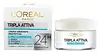
This barrier-repair moisturizer is formulated around Capryloyl Salicylic Acid and Panthenol to strengthen the skin barrier and hydrate skin.
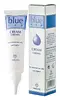
This calming moisturizer is formulated around Zinc Pyrithione and Bisabolol to calm redness and strengthen the skin barrier.


What's inside
What's inside
 Key Ingredients
Benefits
Concerns
Ingredients Side-by-side
Water
Skin ConditioningGlycerin
Humectant


Isohexadecane
EmollientDimethicone
Emollient
Isopropyl Palmitate
Emollient




Sorbitan Stearate
Emulsifying
Alcohol Denat.
Antimicrobial


Stearyl Alcohol
Emollient
Methyl Gluceth-20
Humectant
Ethylhexyl Salicylate
UV Absorber

C13-14 Isoparaffin
Emollient
PEG-100 Stearate
Surfactant
Glyceryl Stearate
Emollient
2-Oleamido-1,3-Octadecanediol
Skin ConditioningDisodium EDTA
Sucrose Cocoate
Emulsifying
Capryloyl Salicylic Acid
Exfoliating




Laureth-7
EmulsifyingXanthan Gum
EmulsifyingPanthenol
Skin Conditioning

Polyacrylamide
Tocopheryl Acetate
Antioxidant


Phenoxyethanol
Preservative
Myrtrimonium Bromide
Preservative
Linalool
Perfuming

Geraniol
Perfuming
Eugenol
Perfuming
Limonene
Perfuming
Citronellol
Perfuming
Benzyl Alcohol
Perfuming
Benzyl Salicylate
Perfuming
Parfum
Masking
Water, Glycerin, Isohexadecane, Dimethicone, Isopropyl Palmitate, Sorbitan Stearate, Alcohol Denat., Stearyl Alcohol, Methyl Gluceth-20, Ethylhexyl Salicylate, C13-14 Isoparaffin, PEG-100 Stearate, Glyceryl Stearate, 2-Oleamido-1,3-Octadecanediol, Disodium EDTA, Sucrose Cocoate, Capryloyl Salicylic Acid, Laureth-7, Xanthan Gum, Panthenol, Polyacrylamide, Tocopheryl Acetate, Phenoxyethanol, Myrtrimonium Bromide, Linalool, Geraniol, Eugenol, Limonene, Citronellol, Benzyl Alcohol, Benzyl Salicylate, Parfum
Zinc Pyrithione 0.2%
Antiseborrhoeic
Water
Skin ConditioningIsopropyl Palmitate
Emollient
Diethylhexyl Carbonate
EmollientSucrose Cocoate
Emulsifying
Polyglyceryl-3 Methylglucose Distearate
Emulsifying
Glycerin
Humectant
Cyclopentasiloxane
Emollient
Glyceryl Stearate
Emollient
Tocopheryl Acetate
Antioxidant
Stearyl Alcohol
Emollient
Methyl Gluceth-20
Humectant
BHT
Antioxidant
BHA
Antioxidant
Propylene Glycol
Humectant
Bisabolol
Antioxidant
Carbomer
Emulsion StabilisingSodium Lauroyl Lactylate
EmulsifyingCeramide NP
Skin Conditioning

Ceramide AP
Skin Conditioning
Ceramide EOP
Skin Conditioning
Phytosphingosine
Skin Conditioning
Cholesterol
Emollient
Xanthan Gum
EmulsifyingDiazolidinyl Urea
Preservative
Sodium Methylparaben
Preservative
Sodium Propylparaben
Preservative
Farnesol
Perfuming
Citric Acid
Buffering
Methylparaben
Preservative
Propylparaben
Preservative
Phosphoric Acid
BufferingParfum
Masking
Hexyl Cinnamal
Perfuming
Citronellol
Perfuming
Benzyl Salicylate
Perfuming
Butylphenyl Methylpropional
Perfuming
Geraniol
Perfuming
Coumarin
Perfuming
Linalool
Perfuming
Cinnamyl Alcohol
Perfuming
Benzyl Benzoate
Antimicrobial
Alpha-Isomethyl Ionone
Perfuming
Isoeugenol
Perfuming
Zinc Pyrithione 0.2%, Water, Isopropyl Palmitate, Diethylhexyl Carbonate, Sucrose Cocoate, Polyglyceryl-3 Methylglucose Distearate, Glycerin, Cyclopentasiloxane, Glyceryl Stearate, Tocopheryl Acetate, Stearyl Alcohol, Methyl Gluceth-20, BHT, BHA, Propylene Glycol, Bisabolol, Carbomer, Sodium Lauroyl Lactylate, Ceramide NP, Ceramide AP, Ceramide EOP, Phytosphingosine, Cholesterol, Xanthan Gum, Diazolidinyl Urea, Sodium Methylparaben, Sodium Propylparaben, Farnesol, Citric Acid, Methylparaben, Propylparaben, Phosphoric Acid, Parfum, Hexyl Cinnamal, Citronellol, Benzyl Salicylate, Butylphenyl Methylpropional, Geraniol, Coumarin, Linalool, Cinnamyl Alcohol, Benzyl Benzoate, Alpha-Isomethyl Ionone, Isoeugenol
Reviews
Ingredients Explained
These ingredients are found in both products.
Ingredients higher up in an ingredient list are typically present in a larger amount.
Benzyl Salicylate is a solvent and fragrance additive. It is an ester of benzyl alcohol and salicylic acid. This ingredient can be naturally found in some plants and plant extracts.
In fragrances, Benzyl Salicylate may be a solvent or a fragrance component. In synthetic musk scents, it is used as a solvent. For floral fragrances such as lilac and jasmine, it is used as a fragrance component. The natural scent of Benzyl Salicylate is described as "lightly-sweet, slightly balsamic".
While Benzyl Salicylate has been associated with contact dermatitis and allergies, emerging studies show it may not be caused by this ingredient alone.
However, this ingredient is often used with fragrances and other components that may cause allergies. It is still listed as a known allergen in the EU. We recommend speaking with a professional if you have concerns.
Another study from 2021 shows Benzyl Salicylate may have anti-inflammatory properties.
Learn more about Benzyl SalicylateCitronellol is used to add fragrance/parfum to a product. It is often derived from plants such as roses. In fact, it can be found in many essential oils including geranium, lavender, neroli, and more. The scent of Citronellol is often described as "fresh, grassy, and citrus-like".
Since the Citronellol molecule is already unstable, Citronellol becomes irritating on the skin when exposed to air.
Citronellol is a modified terpene. Terpenes are unsaturated hydrocarbons found in plants. They make up the primary part of essential oils.
Citronellol is not able to be absorbed into deeper layers of the skin. It has low permeability,
Citronellol is also a natural insect repellent.
Learn more about CitronellolGeraniol is used to add fragrance/parfum to a product. It is the main component of citronellol. It is a monoterpenoid and an alcohol.
Monoterpenes are naturally found in many parts of different plants.
Geraniol can be found in many essential oils including Rose Oil and Citronella Oil. The scent of Geraniol is often described as "rose-like". Many foods also contain Geraniol for fruit flavoring.
Geraniol can irritate the skin when exposed to air. However, irritation depends on the ability of geraniol to penetrate into the skin. In general, geraniol is not able to penetrate skin easily.
Geraniol is colorless and has low water-solubility. However, it is soluble in common organic solvents.
Like citronellol, it is a natural insect repellent.
2,6-Octadien-1-ol, 3,7-dimethyl-, (2E)-
Learn more about GeraniolGlycerin (or glycerol) is a compound naturally found in your skin. It's a powerhouse humectant that pulls water into the stratum corneum.
Topically, glycerin does several things at once:
Your skin makes glycerin on its own (mostly from sebaceous oil breakdown) and shuttles it to your outermost layer of skin, or your epidermis, via aquaporin-3.
Aquaporin-3 is a transporter that is essential for normal skin hydration, elasticity, and repair. Interestingly, mice lacking in AQP3 have dry and less elastic skin that can be fully corrected with glycerin.
This ingredient is non-irritating, plays well with almost every ingredient, and works across all skin types. Typical use is anywhere between 3-10% but can go up to 79% in some leave-on products.
Just know very high concentrations (>40%) can feel tacky in low humidity.
Glycerin is the name for this ingredient in American English. British English uses Glycerol/Glycerine.
Learn more about GlycerinGlyceryl Stearate is made by reacting glycerin with stearic acid (typically sourced from plant oils like palm or coconut). It's an emulsifier, emollient, and mild occlusive.
Emulsifiers help ingredients like oil and water stay mixed so your formula stays nicely blended and uniform in texture.
This ingredient is typically used in concentrations between 1-10%. Studies have found it to be non-sensitizing, non-phototoxic, and non-photoallergenic.
A close cousin of this ingredient is Glyceryl Stearate SE ("self-emulsifying"). This just has a small amount of sodium or potassium stearate added so it can emulsify without a co-emulsifier.
Since this ingredient is an ester of a C18 fatty acid, it may not be fungal acne safe. The Malassezia yeast can potentially metabolize within the C11-C24 range.
Fun fact: The human body also creates Glyceryl Stearate naturally.
Learn more about Glyceryl StearateIsopropyl Palmitate is a lightweight emollient made by combining isopropyl alcohol and palmitic acid.
It is an emollient that leaves skin feeling smooth and silky without leaving a greasy feel.
Typical usage concentrations range from 1-5%.
Human testing shows it's non-irritating and non-sensitizing, and the EU Scientific Committee on Consumer Safety (SCCS) has cleared it at very high levels (79% in leave-on products).
The one thing worth knowing about its comedogenic score of 3-4 is to keep it in perspective: these ratings come from old rabbit-ear tests using 100% of pure ingredient and doesn't reflect how it behaves at low levels in a finished product.
Because it is an ester of palmitic acid (C16), it falls into the range that the Malassezia yeast can feed on and is considered not fungal acne safe.
Learn more about Isopropyl PalmitateLinalool is a fragrance and helps add scent to products. It's derived from common plants such as cinnamon, mint, citrus, and lavender.
Like Limonene, this ingredient oxidizes when exposed to air. Oxidized linalool can cause allergies and skin sensitivity.
This ingredient has a scent that is floral, spicy tropical, and citrus-like.
Learn more about LinaloolMethyl Gluceth-20 is a humectant. Humectants help draw moisture from the air to your skin.
It is created by combining polyethylene glycol with glucose.
Parfum is a catch-all term for an ingredient or more that is used to give a scent to products.
Also called "fragrance", this ingredient can be a blend of hundreds of chemicals or plant oils. This means every product with "fragrance" or "parfum" in the ingredients list is a different mixture.
For instance, Habanolide is a proprietary trade name for a specific aroma chemical. When used as a fragrance ingredient in cosmetics, most aroma chemicals fall under the broad labeling category of “FRAGRANCE” or “PARFUM” according to EU and US regulations.
The term 'parfum' or 'fragrance' is not regulated in many countries. In many cases, it is up to the brand to define this term.
For instance, many brands choose to label themselves as "fragrance-free" because they are not using synthetic fragrances. However, their products may still contain ingredients such as essential oils that are considered a fragrance by INCI standards.
One example is Calendula flower extract. Calendula is an essential oil that still imparts a scent or 'fragrance'.
Depending on the blend, the ingredients in the mixture can cause allergies and sensitivities on the skin. Some ingredients that are known EU allergens include linalool and citronellol.
Parfum can also be used to mask or cover an unpleasant scent.
The bottom line is: not all fragrances/parfum/ingredients are created equally. If you are worried about fragrances, we recommend taking a closer look at an ingredient. And of course, we always recommend speaking with a professional.
Learn more about ParfumStearyl Alcohol is a type of fatty alcohol from stearic acid. It is a white, waxy compound used to emulsify ingredients used as an emollient or to thicken a product.
Emollients help soothe and hydrate the skin by trapping moisture.
Fatty alcohols are usually derived from natural fats and oils and therefore do not have the same drying or irritating effect as solvent (ethanol) alcohols.
The FDA allows products labeled "alcohol-free" to have fatty alcohols.
This ingredient may not be fungal acne safe. It is a primary fatty alcohol with a chain length above 12 carbons. A study from 2019 show Malassezia can feed on fatty alcohols in this range, so it may trigger fungal acne in those prone to it.
Learn more about Stearyl AlcoholSucrose cocoate is a mild multitasking ingredient made by esterifying sugar with the fatty acids of coconut oil.
It functions as a surfactant, emulsifier, and skin-conditioning ingredient all in one.
Typical use concentrations range from:
This ingredient is well-tolerated across skin types and has been classified safe for use in cosmetic products by the Cosmetic Ingredient Review Expert Panel. It's even considered gentle enough for use in baby care products like shampoos and lotions.
Fungal acne note: Sucrose cocoate is a fatty acid ester derived from coconut oil that contains fatty acids in the C12-18 range. This is the range that Malassezia can metabolize, meaning this ingredient may not be fungal acne safe.
Learn more about Sucrose CocoateTocopheryl Acetate is a stable, shelf-friendly form of vitamin E.
Formulators love it because plain vitamin E oxidizes quickly once it hits air. This acetate version stays stable and resists going off, helping to extend a product's shelf life.
It's actually inactive on its own and works like a slow-release "storage" form; the enzymes in your skin called esterases gradually convert it into active vitamin E over time.
One in vivo study showed 5% of the acetate in the living layer of the epidermis converted to vitamin E after 5 days of application. This study also found the skin gained protection against UV damage even though the conversion was slow and small.
Once converted, vitamin E acts as a skin's main fat-soluble antioxidant that fights free radicals to protect skin from damage.
Topical vitamin E generally boosts the skin's photoprotection, and it reduced UV-damage in animal models.
This ingredient has some brightening potential but it's more of a prevention ingredient than spot-fader. Cell studies show it can slow down melanin production but it's worth noting that it's not the most powerful brightener out there.
Overall, it has a pretty solid safety profile and has been found to be non-irritating and non-comedogenic. Allergic reactions may happen but stay rare due to how widely the ingredient gets used.
The concentration will vary depending on the formula; industry data shows 0.1% in baby lotions, 3% in lipsticks, and 5% in foot powders. You can also find this ingredient at 100% in a pure vitamin E oil.
Most leave-on skincare keeps it at the lower end, often between 0.5-1%.
Learn more about Tocopheryl AcetateWater. It's the most common cosmetic ingredient of all. You'll usually see it at the top of ingredient lists, meaning that it makes up the largest part of the product.
So why is it so popular? Water most often acts as a solvent - this means that it helps dissolve other ingredients into the formulation.
You'll also recognize water as that liquid we all need to stay alive. If you see this, drink a glass of water. Remember to stay hydrated!
Learn more about WaterXanthan gum is used as a stabilizer and thickener within cosmetic products. It helps give products a sticky, thick feeling - preventing them from being too runny.
On the technical side of things, xanthan gum is a polysaccharide - a combination consisting of multiple sugar molecules bonded together.
Xanthan gum is a pretty common and great ingredient. It is a natural, non-toxic, non-irritating ingredient that is also commonly used in food products.
Learn more about Xanthan Gum

