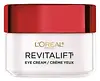
This anti-aging eye moisturizer is formulated around Caffeine and Retinyl Palmitate to soften the look of wrinkles.
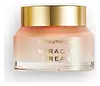
This barrier-repair moisturizer is formulated around Vitis Vinifera Seed Oil and Niacinamide to strengthen the skin barrier and hydrate skin.


What's inside
What's inside
 Key Ingredients
Benefits
Concerns
Ingredients Side-by-side
Water
Skin ConditioningDimethicone
Emollient

Glycerin
Humectant

C12-15 Alkyl Benzoate
AntimicrobialShorea Robusta Seed Butter
Emollient

Stearic Acid
Cleansing
Palmitic Acid
Emollient

PEG-100 Stearate
Surfactant
Glyceryl Stearate
Emollient
PEG-20 Stearate
Emulsifying
Stearyl Alcohol
Emollient
Paraffin
Skin Conditioning
Glycine Soja Protein
EmulsifyingTriethanolamine
BufferingCaffeine
Skin Conditioning

Isohexadecane
EmollientPhenethyl Alcohol
MaskingHydrolyzed Soy Protein
Humectant
Acetyl Trifluoromethylphenyl Valylglycine
Skin ConditioningYeast Extract
Skin ConditioningPolysorbate 80
Emulsifying
Acrylamide/Sodium Acryloyldimethyltaurate Copolymer
Emulsion StabilisingAcrylates Copolymer
Cetyl Alcohol
Emollient
Retinyl Palmitate
Skin Conditioning


Potassium Sorbate
Preservative
Methylparaben
Preservative

Sodium Benzoate
Masking
Chlorhexidine Digluconate
Antimicrobial
Ethylparaben
Preservative
Phenoxyethanol
Preservative
Water, Dimethicone, Glycerin, C12-15 Alkyl Benzoate, Shorea Robusta Seed Butter, Stearic Acid, Palmitic Acid, PEG-100 Stearate, Glyceryl Stearate, PEG-20 Stearate, Stearyl Alcohol, Paraffin, Glycine Soja Protein, Triethanolamine, Caffeine, Isohexadecane, Phenethyl Alcohol, Hydrolyzed Soy Protein, Acetyl Trifluoromethylphenyl Valylglycine, Yeast Extract, Polysorbate 80, Acrylamide/Sodium Acryloyldimethyltaurate Copolymer, Acrylates Copolymer, Cetyl Alcohol, Retinyl Palmitate, Potassium Sorbate, Methylparaben, Sodium Benzoate, Chlorhexidine Digluconate, Ethylparaben, Phenoxyethanol
Water
Skin ConditioningVitis Vinifera Seed Oil
Emollient

Glycerin
Humectant
Phenyl Trimethicone
Skin Conditioning
Butylene Glycol
Humectant
Isopropyl Isostearate
Emollient
Theobroma Cacao Seed Butter
Emollient
Hydrogenated Ethylhexyl Olivate
EmollientCaprylic/Capric Triglyceride
Masking
Dimethicone
Emollient
Camelina Sativa Seed Oil
Skin Conditioning
Stearyl Alcohol
Emollient
Glyceryl Stearate Se
Emulsifying
Butyrospermum Parkii Butter
Skin Conditioning
Ammonium Acryloyldimethyltaurate/Vp Copolymer
Simmondsia Chinensis Seed Oil
Emollient
Niacinamide
Smoothing




Stearic Acid
Cleansing
Benzyl Alcohol
Perfuming



Cetyl Alcohol
Emollient
Parfum
Masking
Hydrogenated Olive Oil Unsaponifiables
Emollient
Stevia Rebaudiana Extract
Polyacrylamide
C13-14 Isoparaffin
Emollient
Disodium EDTA
ChelatingSodium Ascorbyl Phosphate
Antioxidant

Titanium Dioxide
Cosmetic Colorant
Allantoin
Skin Conditioning
Dehydroacetic Acid
Preservative
Laureth-7
EmulsifyingSodium Hyaluronate
Humectant
Potassium Sorbate
Preservative
Hexyl Cinnamal
Perfuming
Benzyl Salicylate
Perfuming
Caprylyl Glycol
Emollient
Sorbic Acid
Preservative
Benzyl Benzoate
Antimicrobial
Bis(Tripeptide-1) Copper Acetate
Skin Conditioning
Ethylhexylglycerin
Skin ConditioningWater, Vitis Vinifera Seed Oil, Glycerin, Phenyl Trimethicone, Butylene Glycol, Isopropyl Isostearate, Theobroma Cacao Seed Butter, Hydrogenated Ethylhexyl Olivate, Caprylic/Capric Triglyceride, Dimethicone, Camelina Sativa Seed Oil, Stearyl Alcohol, Glyceryl Stearate Se, Butyrospermum Parkii Butter, Ammonium Acryloyldimethyltaurate/Vp Copolymer, Simmondsia Chinensis Seed Oil, Niacinamide, Stearic Acid, Benzyl Alcohol, Cetyl Alcohol, Parfum, Hydrogenated Olive Oil Unsaponifiables, Stevia Rebaudiana Extract, Polyacrylamide, C13-14 Isoparaffin, Disodium EDTA, Sodium Ascorbyl Phosphate, Titanium Dioxide, Allantoin, Dehydroacetic Acid, Laureth-7, Sodium Hyaluronate, Potassium Sorbate, Hexyl Cinnamal, Benzyl Salicylate, Caprylyl Glycol, Sorbic Acid, Benzyl Benzoate, Bis(Tripeptide-1) Copper Acetate, Ethylhexylglycerin
Reviews
Ingredients Explained
These ingredients are found in both products.
Ingredients higher up in an ingredient list are typically present in a larger amount.
Cetyl Alcohol is a fatty alcohol. Fatty Alcohols are most often used as an emollient or to thicken a product.
Its main roles are:
Though it has "alcohol" in the name, it is not related to denatured alcohol or ethyl alcohol.
The FDA allows products labeled "alcohol-free" to have fatty alcohols.
This ingredient may not be fungal acne safe. It is a primary fatty alcohol with a chain length above 12 carbons. A study from 2019 show Malassezia can feed on fatty alcohols in this range, so it may trigger fungal acne in those prone to it.
Learn more about Cetyl AlcoholDimethicone is a type of synthetic silicone created from natural materials such as quartz. It is also known as polydimethylsiloxane.
What it does:
Dimethicone comes in different viscosities:
Depending on the viscosity, dimethicone has different properties.
Ingredients lists don't always show which type is used, so we recommend reaching out to the brand if you have questions about the viscosity.
This ingredient is unlikely to cause irritation because it does not get absorbed into skin. However, people with silicone allergies should be careful about using this ingredient.
Note: Dimethicone may contribute to pilling. This is because it is not oil or water soluble, so pilling may occur when layered with products. When mixed with heavy oils in a formula, the outcome is also quite greasy.
Learn more about DimethiconeGlycerin (or glycerol) is a compound naturally found in your skin. It's a powerhouse humectant that pulls water into the stratum corneum.
Topically, glycerin does several things at once:
Your skin makes glycerin on its own (mostly from sebaceous oil breakdown) and shuttles it to your outermost layer of skin, or your epidermis, via aquaporin-3.
Aquaporin-3 is a transporter that is essential for normal skin hydration, elasticity, and repair. Interestingly, mice lacking in AQP3 have dry and less elastic skin that can be fully corrected with glycerin.
This ingredient is non-irritating, plays well with almost every ingredient, and works across all skin types. Typical use is anywhere between 3-10% but can go up to 79% in some leave-on products.
Just know very high concentrations (>40%) can feel tacky in low humidity.
Glycerin is the name for this ingredient in American English. British English uses Glycerol/Glycerine.
Learn more about GlycerinPotassium Sorbate is a preservative used to prevent yeast and mold in products. It is commonly found in both cosmetic and food products.
This ingredient comes from potassium salt derived from sorbic acid. Sorbic acid is a natural antibiotic and effective against fungus.
Both potassium sorbate and sorbic acid can be found in baked goods, cheeses, dried meats, dried fruit, ice cream, pickles, wine, yogurt, and more.
You'll often find this ingredient used with other preservatives.
Learn more about Potassium SorbateStearic Acid is a fatty acid that is already found in your skin. It's one of the free fatty acids that works alongside ceramides and cholesterols to maintain your barrier.
In cosmetics, it is a multitasker:
Safety-wise, the CIR Expert Panel has concluded it to be safe in cosmetics when formulated to be non-irritating and non-sensitizing.
Free stearic acid is a C18 fatty acid that the Malassezia yeast can substrate, so this ingredient may not be fungal acne safe.
This ingredient does have a comedogenic rating of 2-3, but this doesn't mean a formula with this ingredient will clog pores.
Human testing has proved that any finished product with this ingredient won't automatically make you break out; it really comes down to concentration, formula, and your skin.
Learn more about Stearic AcidStearyl Alcohol is a type of fatty alcohol from stearic acid. It is a white, waxy compound used to emulsify ingredients used as an emollient or to thicken a product.
Emollients help soothe and hydrate the skin by trapping moisture.
Fatty alcohols are usually derived from natural fats and oils and therefore do not have the same drying or irritating effect as solvent (ethanol) alcohols.
The FDA allows products labeled "alcohol-free" to have fatty alcohols.
This ingredient may not be fungal acne safe. It is a primary fatty alcohol with a chain length above 12 carbons. A study from 2019 show Malassezia can feed on fatty alcohols in this range, so it may trigger fungal acne in those prone to it.
Learn more about Stearyl AlcoholWater. It's the most common cosmetic ingredient of all. You'll usually see it at the top of ingredient lists, meaning that it makes up the largest part of the product.
So why is it so popular? Water most often acts as a solvent - this means that it helps dissolve other ingredients into the formulation.
You'll also recognize water as that liquid we all need to stay alive. If you see this, drink a glass of water. Remember to stay hydrated!
Learn more about Water

