Kosé Melanoshot Versus Decorte Whitelogist
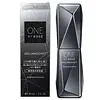
This brightening serum is formulated around Kojic Acid and Resveratrol to fade the look of dark spots and brighten dull-looking skin.
This brightening serum is formulated around Ascorbic Acid and Glycyrrhiza Glabra Root Extract to fade the look of dark spots and brighten dull-looking skin.

What's inside
What's inside
 Key Ingredients
Benefits
Concerns
Ingredients Side-by-side
Water
Skin ConditioningDipropylene Glycol
HumectantButylene Glycol
Humectant

Alcohol
Antimicrobial




Glycerin
Humectant
Trimethylolpropane Triisostearate
Emollient
Acetyl Hydroxyproline
EmollientChaenomeles Sinensis Fruit Extract
Antioxidant
Glycogen
HumectantGlycosyl Trehalose
Emulsion StabilisingKojic Acid
Antioxidant


Lilium Candidum Bulb Extract
Skin ConditioningOenothera Biennis Seed Extract
Skin ConditioningPaeonia Suffruticosa Root Extract
Skin ProtectingPhellinus Linteus Extract
Skin ConditioningResveratrol
Antioxidant


Sodium Acetylated Hyaluronate
Humectant
Tocopherol
Antioxidant
Zanthoxylum Bungeanum Pericarp Extract
Skin ConditioningAluminum Hydroxide
EmollientBenzophenone-5
UV Absorber
C13-14 Isoparaffin
Emollient
Cetearyl Alcohol
Emollient


Citric Acid
Buffering
Disodium EDTA
ChelatingDisodium Stearoyl Glutamate
CleansingEthyl Oleate
Emollient

Gellan Gum
Glyceryl Stearate
Emollient
Hydrogenated Starch Hydrolysate
HumectantLaureth-7
EmulsifyingPEG-20 Hydrogenated Castor Oil
Emulsifying
Polyacrylamide
Polysorbate 80
Emulsifying
Sodium Citrate
BufferingTriceteareth-4 Phosphate
EmulsifyingXanthan Gum
EmulsifyingEthylparaben
Preservative


Methylparaben
Preservative
Parfum
Masking
Caramel
Cosmetic ColorantCI 77891
Cosmetic ColorantWater, Dipropylene Glycol, Butylene Glycol, Alcohol, Glycerin, Trimethylolpropane Triisostearate, Acetyl Hydroxyproline, Chaenomeles Sinensis Fruit Extract, Glycogen, Glycosyl Trehalose, Kojic Acid, Lilium Candidum Bulb Extract, Oenothera Biennis Seed Extract, Paeonia Suffruticosa Root Extract, Phellinus Linteus Extract, Resveratrol, Sodium Acetylated Hyaluronate, Tocopherol, Zanthoxylum Bungeanum Pericarp Extract, Aluminum Hydroxide, Benzophenone-5, C13-14 Isoparaffin, Cetearyl Alcohol, Citric Acid, Disodium EDTA, Disodium Stearoyl Glutamate, Ethyl Oleate, Gellan Gum, Glyceryl Stearate, Hydrogenated Starch Hydrolysate, Laureth-7, PEG-20 Hydrogenated Castor Oil, Polyacrylamide, Polysorbate 80, Sodium Citrate, Triceteareth-4 Phosphate, Xanthan Gum, Ethylparaben, Methylparaben, Parfum, Caramel, CI 77891
Water
Skin ConditioningButylene Glycol
Humectant
Alcohol
Antimicrobial
Dipropylene Glycol
HumectantGlycerin
Humectant
Angelica Acutiloba Root Extract
Skin ConditioningAscorbic Acid
Antioxidant

Calcium Pantetheine Sulfonate
Skin ConditioningCassia Mimosoides Extract
Skin ConditioningCoffea Arabica Seed Extract
Masking
Crocus Sativus Flower Extract
MaskingEchinacea Angustifolia Leaf Extract
MoisturisingGlycyrrhiza Glabra Root Extract
Bleaching
Kappaphycus Alvarezii Extract
Skin Conditioning
Kojic Acid
Antioxidant
Lonicera Japonica Flower Extract
Skin ConditioningMalva Sylvestris Extract
AstringentPinus Sylvestris Cone Extract
Masking
Rhodiola Sacra Root Extract
EmollientThymus Serpyllum Extract
Skin ConditioningTocopherol
Antioxidant
Vitis Vinifera Seed Extract
Antimicrobial
Zizyphus Jujuba Fruit Extract
Benzophenone-5
UV Absorber
Cholesterol
Emollient
Citric Acid
Buffering
Disodium EDTA
ChelatingDisodium Succinate
MaskingGellan Gum
Hydrogenated Lecithin
Emulsifying
Hydroxylated Lecithin
EmulsifyingLecithin
Emollient
Oleyl Alcohol
Emollient
Sodium Polyacrylate
Absorbent
Succinic Acid
BufferingTrimethylolpropane Triisostearate
Emollient
Xanthan Gum
EmulsifyingPhenoxyethanol
Preservative
Parfum
Masking
Caramel
Cosmetic ColorantWater, Butylene Glycol, Alcohol, Dipropylene Glycol, Glycerin, Angelica Acutiloba Root Extract, Ascorbic Acid, Calcium Pantetheine Sulfonate, Cassia Mimosoides Extract, Coffea Arabica Seed Extract, Crocus Sativus Flower Extract, Echinacea Angustifolia Leaf Extract, Glycyrrhiza Glabra Root Extract, Kappaphycus Alvarezii Extract, Kojic Acid, Lonicera Japonica Flower Extract, Malva Sylvestris Extract, Pinus Sylvestris Cone Extract, Rhodiola Sacra Root Extract, Thymus Serpyllum Extract, Tocopherol, Vitis Vinifera Seed Extract, Zizyphus Jujuba Fruit Extract, Benzophenone-5, Cholesterol, Citric Acid, Disodium EDTA, Disodium Succinate, Gellan Gum, Hydrogenated Lecithin, Hydroxylated Lecithin, Lecithin, Oleyl Alcohol, Sodium Polyacrylate, Succinic Acid, Trimethylolpropane Triisostearate, Xanthan Gum, Phenoxyethanol, Parfum, Caramel
Ingredients Explained
These ingredients are found in both products.
Ingredients higher up in an ingredient list are typically present in a larger amount.
This ingredient is also called ethanol or ethyl alcohol. It is denatured, meaning made undrinkable for cosmetic use.
In formulas, it:
Is it bad for your skin?
The answer comes down to concentration. Patch and wash studies have found highly concentrated alcohol-based hand rubs (60-100%) cause less barrier disruption than washing with a basic detergent like SLS. The only measurable effect in these studies was a temporary dip in skin hydration.
Concentrations below 12-15% in leave-on cosmetics is generally well-tolerated. Concentrations above start to see increased transepidermal water loss (TEWL) and reduced hydration.
In concentrations about 58%, it creates temporary channels in your skin's lipid layers to become more permeable and allow other ingredients to slip through easily.
This ingredient can be up to 80% of the formula in alcohol-based perfumes.
Overall, this ingredient is probably harmless if found lower down an ingredients list but worth side-eyeing if it's high up (especially if your barrier is already struggling).
Alcohol can worsen dry skin, eczema, and oily skin, especially at higher concentrations. This is because it can increase transepidermal water loss and decrease hydration to disrupt the skin barrier.
According to the National Rosacea Society based in the US, you should be mindful of products with these alcohols in the top half of ingredients.
True allergic contact dermatitis to ethanol is uncommon, but be sure to patch test if you have dry or sensitive skin.
Learn more about AlcoholBenzophenone-5 is the water-soluble salt of Benzophenone-4.
In a formula, it has two roles:
What makes it a little different is its sulfonate-plus-sodium structure that makes it water-soluble and easy to formulate into lightweight formulas.
The EU and US FDA recognize this ingredient as a safe and effective OTC sunscreen active. Typical use concentrations are at or below 5%, which is also the cap set by the EU.
In 2025, the EU's Scientific Committee on Consumer Safety (SCCS) read safety data from its close analogue, Benzophenone-4, and concluded Benzophenone-5 is safe as a UV filter up to 5% in cosmetics. In that same review, the SCCS couldn't give Benzophenone-2 a clean bill of health, but Benzophenone-5 passed and was judged safe at the allowed amounts.
Learn more about Benzophenone-5Butylene Glycol (or BG) is used within cosmetic products for a few different reasons:
Overall, Butylene Glycol is a safe and well-rounded ingredient that works well with other ingredients.
Though this ingredient works well with most skin types, some people with sensitive skin may experience a reaction such as allergic rashes, closed comedones, or itchiness.
Learn more about Butylene GlycolWe don't have a description for Caramel yet.
Citric Acid is an alpha hydroxy acid (AHA) naturally found in citrus fruits like oranges, lemons, and limes.
Like other AHAs, citric acid can exfoliate skin by breaking down the bonds that hold dead skin cells together. This helps reveal smoother and brighter skin underneath.
However, this exfoliating effect only happens at high concentrations (20%) which can be hard to find in cosmetic products.
Due to this, citric acid is usually included in small amounts as a pH adjuster. This helps keep products slightly more acidic and compatible with skin's natural pH.
In skincare formulas, citric acid can:
While it can provide some skin benefits, research shows lactic acid and glycolic acid are generally more effective and less irritating exfoliants.
Most citric acid used in skincare today is made by fermenting sugars (usually from molasses). This synthetic version is identical to the natural citrus form but easier to stabilize and use in formulations.
Rosacea skin has a lower threshold for acids generally, with 62.5% of rosacea subjects in one study reacting to lactic acid in a sting test. This is why we mark citric acid as a potential rosacea trigger.
However, this ingredient shows up as a pH adjuster or chelator at roughly 0.1-1% in many products. These low levels are unlikely to be an issue for rosacea skin and becomes a potential trigger at exfoliating concentrations (20%). Because everybody's skin is unique, we recommend a patch test if you are unsure.
Learn more about Citric AcidDipropylene Glycol is a synthetically created humectant, stabilizer, and solvent.
This ingredient helps:
Dipropylene glycol is technically an alcohol, but it belongs to the glycol family (often considered part of the ‘good’ alcohols). This means it is hydrating and gentle on skin unlike drying solvent alcohols like denatured alcohol.
As a masking agent, Dipropylene Glycol can be used to cover the smell of other ingredients. However, it does not have a scent.
Studies show Dipropylene Glycol is considered safe to use in skincare.
Learn more about Dipropylene GlycolDisodium EDTA is a chelating agent. It grabs onto and deactivates metal ions that sneak into your products from water, packaging, or air.
This ingredient mainly works behind the scenes and helps with:
On top of that, this ingredient can counteract the effects of hard water by binding to the minerals in it.
One thing worth knowing is that Disodium EDTA has been shown to be a mild penetration enhancer. It can help other ingredients absorb into skin more effectively which can be a double-edged sword (great for actives, but can also make the active too strong if you have sensitive skin).
Clinical patch testing showed no significant skin irritation at typical use concentrations and minimal dermal absorption.
You'll most likely see this ingredient near the end of an ingredient list. It's typically found in concentrations less than 1%.
Learn more about Disodium EDTAGellan Gum is a high-molecular weight heteropolysaccharide gum. It is created by the process of pure-culture fermentation with the bacterium Pseudomonas elodea.
Gellan Gum is used to stabilize products. This helps improve the texture, consistency, and shelf life.
Glycerin (or glycerol) is a compound naturally found in your skin. It's a powerhouse humectant that pulls water into the stratum corneum.
Topically, glycerin does several things at once:
Your skin makes glycerin on its own (mostly from sebaceous oil breakdown) and shuttles it to your outermost layer of skin, or your epidermis, via aquaporin-3.
Aquaporin-3 is a transporter that is essential for normal skin hydration, elasticity, and repair. Interestingly, mice lacking in AQP3 have dry and less elastic skin that can be fully corrected with glycerin.
This ingredient is non-irritating, plays well with almost every ingredient, and works across all skin types. Typical use is anywhere between 3-10% but can go up to 79% in some leave-on products.
Just know very high concentrations (>40%) can feel tacky in low humidity.
Glycerin is the name for this ingredient in American English. British English uses Glycerol/Glycerine.
Learn more about GlycerinKojic Acid is a naturally occurring organic acid that is produced during the fermentation of certain fungi. It is one of the most well-studied brightening ingredients (tyrosinase inhibitors) out there.
That's why you'll see Kojic Acid in products that target dark spots, hyperpigmentation, and general uneven skin tone. It also pairs well with other brightening actives like Alpha Arbutin, Glycolic Acid, and Vitamin C derivatives.
By latching onto the copper that the enzyme tyrosinase needs to function, Kojic Acid prevents less pigment from being made. It's so well-established that researchers regularly use it as the go-to benchmark when testing new brightening ingredients.
Some other perks include documented antioxidant and antimicrobial properties. The The CIR (Cosmetic Ingredient Review) Expert Panel concluded Kojic Acid is safe for use in cosmetic products at concentrations up to 1% and the EU's SCCS (Scientific Committee on Consumer Safety) considers it safe as a skin lightening agent at concentrations up to 0.7%.
One thing to know about Kojic Acid is that stability is its weak spot; it is sensitive to light, heat, and air exposure and will oxidize/turn brown in formulations. Its derivative, Kojic Dipalmitate, was developed as a stable alternative.
Some individuals have reported contact sensitization so be sure to patch test if you have reactive or sensitive skin.
Fun fact: It was first discovered in 1907 and naturally occurs in the production of sake, soy sauce, and miso.
Learn more about Kojic AcidParfum is a catch-all term for an ingredient or more that is used to give a scent to products.
Also called "fragrance", this ingredient can be a blend of hundreds of chemicals or plant oils. This means every product with "fragrance" or "parfum" in the ingredients list is a different mixture.
For instance, Habanolide is a proprietary trade name for a specific aroma chemical. When used as a fragrance ingredient in cosmetics, most aroma chemicals fall under the broad labeling category of “FRAGRANCE” or “PARFUM” according to EU and US regulations.
The term 'parfum' or 'fragrance' is not regulated in many countries. In many cases, it is up to the brand to define this term.
For instance, many brands choose to label themselves as "fragrance-free" because they are not using synthetic fragrances. However, their products may still contain ingredients such as essential oils that are considered a fragrance by INCI standards.
One example is Calendula flower extract. Calendula is an essential oil that still imparts a scent or 'fragrance'.
Depending on the blend, the ingredients in the mixture can cause allergies and sensitivities on the skin. Some ingredients that are known EU allergens include linalool and citronellol.
Parfum can also be used to mask or cover an unpleasant scent.
The bottom line is: not all fragrances/parfum/ingredients are created equally. If you are worried about fragrances, we recommend taking a closer look at an ingredient. And of course, we always recommend speaking with a professional.
Learn more about ParfumTocopherol is a fat-soluble antioxidant known as Vitamin E.
You'll find this ingredient in the vast majority of skincare (for good reason). It works to neutralize free radicals, or unstable molecules generated by UV exposure, pollution, and other environmental stressors, before they can cause oxidative damage to your skin cells.
Topically applied tocopherol has been shown to protect against UV damage by ramping up the skin's own natural defense enzymes.
It also acts as a skin conditioning agent; some studies show that regular topical use can improve the skin's water-binding capacity over 2-4 weeks.
This ingredient is especially loved for being a team player. When combined with Vitamin C, the photoprotective effect of both ingredients roughly doubles and the combo also helps reduce UV-induced DNA damage.
This ingredient has some brightening potential but it's more of a prevention ingredient than spot-fader. Cell studies show it can slow down melanin production but it's worth noting that it's not the most powerful brightener out there.
In formulations, it also serves as a stabilizer that helps protect other oxidation-prone ingredients from degrading.
Concentrations usually range from 0.1-1% in most leave-on products.
Learn more about TocopherolThis ingredient comes from trimethylolpropane and isostearic acid. It has emollient and skin conditioning properties.
According to a manufacturer, this ingredient provides a non-tacky, light, glossy feeling on the skin.
Due to its isotearic acid base, this ingredient may not be fungal-acne safe.
Learn more about Trimethylolpropane TriisostearateWater. It's the most common cosmetic ingredient of all. You'll usually see it at the top of ingredient lists, meaning that it makes up the largest part of the product.
So why is it so popular? Water most often acts as a solvent - this means that it helps dissolve other ingredients into the formulation.
You'll also recognize water as that liquid we all need to stay alive. If you see this, drink a glass of water. Remember to stay hydrated!
Learn more about WaterXanthan gum is used as a stabilizer and thickener within cosmetic products. It helps give products a sticky, thick feeling - preventing them from being too runny.
On the technical side of things, xanthan gum is a polysaccharide - a combination consisting of multiple sugar molecules bonded together.
Xanthan gum is a pretty common and great ingredient. It is a natural, non-toxic, non-irritating ingredient that is also commonly used in food products.
Learn more about Xanthan Gum

