KORRES Santorini Grape Poreless Skin Cream Versus Origins Clear Improvement™ Pore Clearing Moisturizer With Bamboo Charcoal
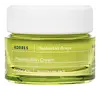
This pore-care moisturizer is formulated around Lactic Acid and Salicylic Acid to refine the look of pores and refine skin texture.
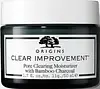
This pore-care moisturizer is formulated around Salicylic Acid and Charcoal Powder to refine the look of pores and clear breakouts.


What's inside
What's inside
 Key Ingredients
Benefits
Concerns
Ingredients Side-by-side
Water
Skin ConditioningGlycerin
Humectant


Simmondsia Chinensis Seed Oil
Emollient


C12-15 Alkyl Benzoate
AntimicrobialDicaprylyl Carbonate
EmollientAmmonium Acryloyldimethyltaurate/Vp Copolymer
Dicaprylyl Ether
Emollient
Macadamia Integrifolia Seed Oil
Skin Conditioning
Potassium Cetyl Phosphate
EmulsifyingVitis Vinifera Fruit Extract
Skin ConditioningAcrylates/C10-30 Alkyl Acrylate Crosspolymer
Emulsion StabilisingAscorbyl Palmitate
Antioxidant


Calendula Officinalis Extract
Skin Conditioning

Caprylyl Glycol
Emollient
Citric Acid
Buffering
Cyclodextrin
AbsorbentEpilobium Fleischeri Flower/Leaf/Stem Extract
Skin ConditioningGlyceryl Stearate
Emollient
Glycine Soja Oil
Emollient



Helianthus Annuus Seed Oil
Emollient
Lactic Acid
Buffering




Olea Europaea Fruit Oil
Masking
Panthenol
Skin Conditioning
Persea Gratissima Oil
Skin Conditioning
Phytosterols
Skin Conditioning
Punica Granatum Fruit Extract
Antioxidant
Rosmarinus Officinalis Leaf Extract
AntimicrobialSodium Gluceptate
Sodium Hyaluronate
Humectant
Sodium Hydroxide
BufferingSorbitan Oleate
Emulsifying
Tocopherol
Antioxidant
Tocopheryl Acetate
Antioxidant
Troxerutin
Skin Conditioning
Phenoxyethanol
Preservative
Potassium Sorbate
Preservative
Salicylic Acid
Masking


Sodium Benzoate
Masking
Parfum
Masking
Water, Glycerin, Simmondsia Chinensis Seed Oil, C12-15 Alkyl Benzoate, Dicaprylyl Carbonate, Ammonium Acryloyldimethyltaurate/Vp Copolymer, Dicaprylyl Ether, Macadamia Integrifolia Seed Oil, Potassium Cetyl Phosphate, Vitis Vinifera Fruit Extract, Acrylates/C10-30 Alkyl Acrylate Crosspolymer, Ascorbyl Palmitate, Calendula Officinalis Extract, Caprylyl Glycol, Citric Acid, Cyclodextrin, Epilobium Fleischeri Flower/Leaf/Stem Extract, Glyceryl Stearate, Glycine Soja Oil, Helianthus Annuus Seed Oil, Lactic Acid, Olea Europaea Fruit Oil, Panthenol, Persea Gratissima Oil, Phytosterols, Punica Granatum Fruit Extract, Rosmarinus Officinalis Leaf Extract, Sodium Gluceptate, Sodium Hyaluronate, Sodium Hydroxide, Sorbitan Oleate, Tocopherol, Tocopheryl Acetate, Troxerutin, Phenoxyethanol, Potassium Sorbate, Salicylic Acid, Sodium Benzoate, Parfum
Salicylic Acid 1%
Masking
Ethylhexyl Palmitate
Emollient
PPG-14 Butyl Ether
Skin ConditioningHamamelis Virginiana Water
Astringent
Dimethicone
Emollient
Ammonium Acryloyldimethyltaurate/Vp Copolymer
PEG-7 Glyceryl Cocoate
Emulsifying
Silica
Abrasive
Steareth-21
CleansingLavandula Angustifolia Oil
Masking

Citrus Limon Peel Oil
Masking
Mentha Viridis Leaf Oil
Astringent
Gaultheria Procumbens Leaf Oil
Masking
Cananga Odorata Flower Oil
Masking
Eugenia Caryophyllus Bud Oil
Masking
Rosmarinus Officinalis Leaf Oil
Masking
Citral
Perfuming
Geraniol
Perfuming
Eugenol
Perfuming
Linalool
Perfuming
Limonene
Perfuming
Benzyl Benzoate
Antimicrobial
Eugenia Caryophyllus Flower Extract
AstringentCharcoal Powder
Abrasive
Porphyra Yezoensis Extract
Skin ConditioningSucrose
Humectant
Glycine
Buffering
Algae Extract
Emollient
Avena Sativa Kernel Extract
Abrasive
Caffeine
Skin Conditioning
Glucosamine Hcl
Sodium Hyaluronate
Humectant
Laminaria Saccharina Extract
Skin Protecting
Glycine Soja Seed
Skin ConditioningButylene Glycol
Humectant
Steareth-2
EmulsifyingZinc PCA
Humectant
Quaternium-22
Menthol
Masking
Alcohol
Antimicrobial
Disodium EDTA
Phenoxyethanol
Preservative
Salicylic Acid 1%, Ethylhexyl Palmitate, PPG-14 Butyl Ether, Hamamelis Virginiana Water, Dimethicone, Ammonium Acryloyldimethyltaurate/Vp Copolymer, PEG-7 Glyceryl Cocoate, Silica, Steareth-21, Lavandula Angustifolia Oil, Citrus Limon Peel Oil, Mentha Viridis Leaf Oil, Gaultheria Procumbens Leaf Oil, Cananga Odorata Flower Oil, Eugenia Caryophyllus Bud Oil, Rosmarinus Officinalis Leaf Oil, Citral, Geraniol, Eugenol, Linalool, Limonene, Benzyl Benzoate, Eugenia Caryophyllus Flower Extract, Charcoal Powder, Porphyra Yezoensis Extract, Sucrose, Glycine, Algae Extract, Avena Sativa Kernel Extract, Caffeine, Glucosamine Hcl, Sodium Hyaluronate, Laminaria Saccharina Extract, Glycine Soja Seed, Butylene Glycol, Steareth-2, Zinc PCA, Quaternium-22, Menthol, Alcohol, Disodium EDTA, Phenoxyethanol
Reviews
Alternatives
Ingredients Explained
These ingredients are found in both products.
Ingredients higher up in an ingredient list are typically present in a larger amount.
Ammonium Acryloyldimethyltaurate/Vp Copolymer is a synthetically created polymer. It's used as a film-forming agent and used to thicken the consistency of products.
Think of it as a supportive ingredient that helps your gel-creams feel silky, "cloud cream-like", and spread evenly without being greasy.
The Cosmetic Ingredient Review (CIR) Expert Panel evaluated it (along with 22 other acryloyldimethyltaurate polymers) and concluded it's:
Due to its large molecular size, it sits on the surface of skin rather than penetrating it.
Learn more about Ammonium Acryloyldimethyltaurate/Vp CopolymerPhenoxyethanol is one of the most widely used preservatives in skincare (and for good reason!).
It has a large spectrum of antimicrobial activity and especially effective bacteria, yeast, and mold while only having a weak effect on your skin's natural microbiome.
On a cellular level, it disrupts the cell membranes of microbes by poking holes that make the cell leak. This shuts down the chemical reactions the microbe needs to make energy so it can no longer survive.
Another perk of this ingredient is that it stays functional across a wide pH range (3-10).
You'll often see it paired with boosters like Ethylhexylglycerin; one study showed that a 1:9 ratio of Ethylhexylglycerin to Phenoxyethanol damages bacterial membranes as effectively as doubling the Phenoxyethanol concentration on its own.
Typical use concentrations range from 0.3-1% depending on the formula, and this ingredient is capped at 1% int the EU.
Safety-wise, the fear mongering does not hold up to the evidence. The EU's Scientific Committee on Consumer Safety and FDA consider it safe as a preservative at up to 1%, including for children of all ages.
Adverse systemic effects only showed up in animal studies at exposures roughly 200x higher than what people get from cosmetics. And despite its very widespread use, this ingredient is a rare sensitizer and allergic reactions are uncommon.
Learn more about PhenoxyethanolSalicylic Acid (also known as beta hydroxy acid or BHA) is a well-known ingredient for treating skin that struggles with acne and clogged pores. It exfoliates both the skin's surface and deep within the pores to help clear out buildup, control oil, and reduce inflammation.
Unlike AHAs (alpha hydroxy acids), salicylic acid is oil-soluble. This allows it to penetrate into pores which makes it especially effective for treating blackheads and preventing future breakouts.
Salicylic acid is also known for its soothing properties. It has a similar structure to aspirin and can calm inflamed or irritated skin, making it a good option for acne-prone skin that is also sensitive.
Concentrations of 0.5-2% are recognized by the U.S. FDA as an over-the-counter topical acne product.
It can cause irritation and/or dryness if one's skin already has a compromised moisture barrier, so it's best to focus on repairing that before introducing this ingredient into your routine.
While salicylic acid does not increase sun sensitivity, it’s still important to wear sunscreen daily to protect your skin.
If you are looking for the ingredient called BHA or Butylated Hydroxyanisole, click here.
Learn more about Salicylic AcidSodium Hyaluronate is the salt form of hyaluronic acid. It is a long sugar chain that is naturally found in your skin, joints, and connective tissue that maintains hydration and elasticity.
In skincare, it works as a humectant. It pulls water from the environment and deeper layers of skin and binds it to the surface.
Interestingly, the size of the molecule affects its behavior:
Some clinical evidence links low molecular weight versions to improved wrinkle depth, elasticity, anti-inflammatory effects, and barrier repair.
Many serums use a blend of both weights so you can get surface hydration plus longer-lasting and deeper effects.
You'll typically see concentrations between 0.1-2% for this ingredient.
Learn more about Sodium Hyaluronate

