

What's inside
What's inside
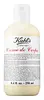 Key Ingredients
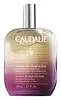
Benefits
Concerns
Ingredients Side-by-side
Water
Skin ConditioningHydrogenated Polyisobutene
EmollientGlycerin
Humectant


Coco-Caprylate/Caprate
Emollient
Propylene Glycol
Humectant

PEG-100 Stearate
Surfactant
Glyceryl Stearate
Emollient
Squalane
Emollient
Stearyl Alcohol
Emollient
Helianthus Annuus Seed Oil
Emollient
Butyrospermum Parkii Butter
Skin Conditioning

Myristyl Alcohol
Emollient
PPG-5 Pentaerythrityl Ether
EmollientPEG-5 Pentaerythrityl Ether
EmollientOlea Europaea Fruit Oil
Masking
Sesamum Indicum Seed Oil
Emollient
Dimethicone
Emollient
Phenoxyethanol
Preservative
Isopropyl Palmitate
Emollient
Citric Acid
Buffering

Microcrystalline Wax
Emulsion StabilisingPentaerythrityl Tetra-Di-T-Butyl Hydroxyhydrocinnamate
Antioxidant
Chlorphenesin
Antimicrobial
Potassium Sorbate
Preservative
Glycine Soja Sterols
Emollient
Magnesium Aluminum Silicate
Absorbent
Xanthan Gum
EmulsifyingSodium PCA
Humectant
Allantoin
Skin Conditioning
Prunus Amygdalus Dulcis Oil
Skin Conditioning
Prunus Armeniaca Kernel Oil
Masking
Theobroma Cacao Seed Butter
Emollient
Persea Gratissima Oil
Skin Conditioning
Tocopherol
Antioxidant

Glycine Soja Oil
Emollient
Lecithin
Emollient
Aloe Barbadensis Leaf Juice Powder
Skin Conditioning
CI 40800
Cosmetic ColorantWater, Hydrogenated Polyisobutene, Glycerin, Coco-Caprylate/Caprate, Propylene Glycol, PEG-100 Stearate, Glyceryl Stearate, Squalane, Stearyl Alcohol, Helianthus Annuus Seed Oil, Butyrospermum Parkii Butter, Myristyl Alcohol, PPG-5 Pentaerythrityl Ether, PEG-5 Pentaerythrityl Ether, Olea Europaea Fruit Oil, Sesamum Indicum Seed Oil, Dimethicone, Phenoxyethanol, Isopropyl Palmitate, Citric Acid, Microcrystalline Wax, Pentaerythrityl Tetra-Di-T-Butyl Hydroxyhydrocinnamate, Chlorphenesin, Potassium Sorbate, Glycine Soja Sterols, Magnesium Aluminum Silicate, Xanthan Gum, Sodium PCA, Allantoin, Prunus Amygdalus Dulcis Oil, Prunus Armeniaca Kernel Oil, Theobroma Cacao Seed Butter, Persea Gratissima Oil, Tocopherol, Glycine Soja Oil, Lecithin, Aloe Barbadensis Leaf Juice Powder, CI 40800
Vitis Vinifera Seed Oil
Emollient
Sesamum Indicum Seed Oil
Emollient
Caprylic/Capric Triglyceride
Masking
Coco-Caprylate/Caprate
Emollient
Ethylhexyl Palmitate
Emollient
Parfum
Masking

Butyrospermum Parkii Butter
Skin Conditioning
Helianthus Annuus Seed Oil
Emollient
Argania Spinosa Kernel Oil
Emollient
Opuntia Ficus-Indica Seed Oil
Emollient
Prunus Amygdalus Dulcis Oil
Skin Conditioning
Coumarin
Perfuming
Solanum Lycopersicum Fruit Extract
Antioxidant
Rosmarinus Officinalis Leaf Extract
AntimicrobialTocopherol
Antioxidant
Linalool
Perfuming
Limonene
Perfuming
Vitis Vinifera Seed Oil, Sesamum Indicum Seed Oil, Caprylic/Capric Triglyceride, Coco-Caprylate/Caprate, Ethylhexyl Palmitate, Parfum, Butyrospermum Parkii Butter, Helianthus Annuus Seed Oil, Argania Spinosa Kernel Oil, Opuntia Ficus-Indica Seed Oil, Prunus Amygdalus Dulcis Oil, Coumarin, Solanum Lycopersicum Fruit Extract, Rosmarinus Officinalis Leaf Extract, Tocopherol, Linalool, Limonene
Reviews
Ingredients Explained
These ingredients are found in both products.
Ingredients higher up in an ingredient list are typically present in a larger amount.
This ingredient is also known as shea butter. It is a plant-derived extract from the nuts of the Africa shea tree and one of the most well-studied emollients.
Because it has a high concentration of fatty acids (primarily oleic, stearic, and linoleic) it is able to form a protective barrier on the skin's surface. This helps seal in moisture and prevents transepidermal water loss (TEWL).
In vitro research found an increase in skin hydration by 58% and a decrease in TEWL by 37.8% after 24 hours of applying this ingredient (pretty impressive for a single ingredient!).
Besides hydration, shea butter also contains triterpenes that have anti-inflammatory potential. In particule, lupeol cinnamate has shown the highest anti-inflammatory activity in vivo.
Shea butter also contains vitamins A and E which may contribute to antioxidant activity.
While Shea Butter has an SPF rating of about 3-4, it is not a sunscreen replacement.
This ingredient may not be fungal acne safe because its fatty acids fall within the C11-C24 range that the Malassezia yeast can metabolize.
This ingredient shows up on a lot of "pore-clogging" lists but there's no real evidence behind that. It doesn't even have a comedogenic rating from an actual study; the numbers you'll find online come from blogs citing other blogs.
Ratings for other ingredients mostly come from a 1980s rabbit ear test. This test doesn't translate well to human skin or to real products because the ingredient sits at a much lower percentage.
Some people still find it breaks them out. So if that's you, definitely trust your skin. Just know this one's based on experience and not evidence.
Learn more about Butyrospermum Parkii ButterCoco-Caprylate/Caprate is a lightweight ester created from coconut oil fatty acids, caprylic acid, and capric acid.
It is an emollient that helps soften skin and reduce transepidermal water loss (TEWL). What sets it apart from heavier emollients is its ultralight, non-greasy feel.
Once applied, this ingredient dries down quickly and leaves a dry, silky finish behind. This also helps improve spreadability and texture.
This ingredient has an excellent safety-record and is non-irritating.
Typical concentrations for cosmetics range from 0.5-62%.
Research on Malassezia growth found no growth on fatty acid esters with chain lengths shorter than 12 carbons (it prefers C11-24).
Since Coco-Caprylate/Caprate is built on C8 and C10 fatty acids, it is out of the range that Malassezia metabolizes, and therefore safe for fungal acne.
Learn more about Coco-Caprylate/CaprateHelianthus Annuus Seed Oil is a plant oil derived from the seeds of a sunflower.
It is rich in fatty acids, primarily linoleic acid and oleic acid. This gives it emollient and skin conditioning properties.
The reason this ingredient is so effective is because it forms a thin film on the skin that reduces transepidermal water loss (TEWL) while supplying linoleic acid to the stratum corneum to improve barrier strength.
The high linoleic acid content is particularly noteworthy for acne-prone skin.
Research suggests that acne-prone skin tends to be deficient in linoleic acid in sebum. Topical application may help replenish this to support a healthier follicular environment and less comedone-promoting sebum.
One randomized study found sunflower seed oil preserved skin barrier integrity in adult volunteers with and without atopic dermatitis (outperforming olive oil).
This ingredient is well-studied, gentle, and an effective emollient suitable for most skin types.
On fungal acne: This ingredient may not be Fungal acne (Malassezia folliculitis) safe. This is because it contains fatty acids with carbon chain lengths in the C11-C24 range.
Learn more about Helianthus Annuus Seed OilThis ingredient is also known as sweet almond oil. It is a lightweight, cold-pressed oil from the ripe seeds of the sweet almond tree.
Sweet almond oil is rich in skin-nourishing fatty acids such as oleic acid (55-86%) and linolenic acid (7-35%).
As an emollient, it softens and hydrates skin by forming a thin barrier that locks in moisture.
Clinical studies have found it to be non-irritating and non-sensitizing. The CIR Expert Panel has evaluated the available safety data and concluded it is safe for topical use.
Because of the oleic acid content, this ingredient may not be fungal acne safe.
Learn more about Prunus Amygdalus Dulcis OilSesamum Indicum Seed Oil is the cold-pressed oil from sesame seeds.
It is an emollient and skin conditioning agent made up of roughly 82-85% unsaturated fatty acids, mostly linoleic (~41%) and oleic acid (~39%).
This pairing gives it barrier-supporting and moisturizing properties. Linoleic acid, an essential omega-6 fatty acid, can be incorporated into complex skin lipids. Topical application has shown barrier repair, anti-inflammatory, and wound-healing effects in cell and animal studies.
Beyond fatty acids, sesame oil brings something more distinctive to the table:
It contains natural antioxidants sesamol, sesamolin, and gamma-tocopherol. These also give the oil notably high oxidative stability.
One of the oil's key lignans, sesamin, has also demonstrated anti-inflammatory activity in preclinical models.
A 2023 clinical study found that a single application of sesame seed oil to the forearms of 35 healthy women improved stratum corneum hydration (though it didn't outperform raspberry seed oil).
The comedogenic rating of 1-3 depends on the type of sesame oil; unrefined carries a rating of 3 while refined sesame oil drops to a 1.
This ingredient may not be safe for fungal acne as it contains fatty acids that can feed Malassezia.
Learn more about Sesamum Indicum Seed OilTocopherol is a fat-soluble antioxidant known as Vitamin E.
You'll find this ingredient in the vast majority of skincare (for good reason). It works to neutralize free radicals, or unstable molecules generated by UV exposure, pollution, and other environmental stressors, before they can cause oxidative damage to your skin cells.
Topically applied tocopherol has been shown to protect against UV damage by ramping up the skin's own natural defense enzymes.
It also acts as a skin conditioning agent; some studies show that regular topical use can improve the skin's water-binding capacity over 2-4 weeks.
This ingredient is especially loved for being a team player. When combined with Vitamin C, the photoprotective effect of both ingredients roughly doubles and the combo also helps reduce UV-induced DNA damage.
This ingredient has some brightening potential but it's more of a prevention ingredient than spot-fader. Cell studies show it can slow down melanin production but it's worth noting that it's not the most powerful brightener out there.
In formulations, it also serves as a stabilizer that helps protect other oxidation-prone ingredients from degrading.
Concentrations usually range from 0.1-1% in most leave-on products.
Learn more about Tocopherol

