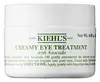
This barrier-repair eye moisturizer is formulated around Butyrospermum Parkii Butter and Persea Gratissima Oil to strengthen the skin barrier and hydrate skin.
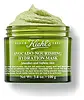
This wash off mask is made with Squalane and Oenothera Biennis Oil for a rinse-off hydration boost.

What's inside
What's inside
 Key Ingredients
Benefits
Concerns
Ingredients Side-by-side
Water
Skin ConditioningButyrospermum Parkii Butter
Skin Conditioning






Butylene Glycol
Humectant
Tridecyl Stearate
Emollient
PEG-30 Dipolyhydroxystearate
Emulsifying
Isodecyl Salicylate
Skin Conditioning
Tridecyl Trimellitate
EmollientPersea Gratissima Oil
Skin Conditioning
Isocetyl Stearoyl Stearate
Emollient
Propylene Glycol
Humectant
Dipentaerythrityl Hexacaprylate/Hexacaprate
EmulsifyingSorbitan Sesquioleate
Emulsifying
Magnesium Sulfate
Hydrogenated Castor Oil
Emollient
Sodium PCA
Humectant
Phenoxyethanol
Preservative
Chlorphenesin
Antimicrobial
Hydrogenated Jojoba Oil
Abrasive
P-Anisic Acid
MaskingTocopheryl Acetate
Antioxidant


Isopropyl Palmitate
Emollient
Disodium EDTA
ChelatingCopper PCA
HumectantHelianthus Annuus Seed Oil
Emollient
CI 40800
Cosmetic ColorantCitric Acid
Buffering
Water, Butyrospermum Parkii Butter, Butylene Glycol, Tridecyl Stearate, PEG-30 Dipolyhydroxystearate, Isodecyl Salicylate, Tridecyl Trimellitate, Persea Gratissima Oil, Isocetyl Stearoyl Stearate, Propylene Glycol, Dipentaerythrityl Hexacaprylate/Hexacaprate, Sorbitan Sesquioleate, Magnesium Sulfate, Hydrogenated Castor Oil, Sodium PCA, Phenoxyethanol, Chlorphenesin, Hydrogenated Jojoba Oil, P-Anisic Acid, Tocopheryl Acetate, Isopropyl Palmitate, Disodium EDTA, Copper PCA, Helianthus Annuus Seed Oil, CI 40800, Citric Acid
Water
Skin ConditioningGlycerin
Humectant
Caprylic/Capric Triglyceride
Masking
Bis-Diglyceryl Polyacyladipate-2
Emollient
Squalane
Emollient
Ethylhexyl Palmitate
Emollient
Cetearyl Alcohol
Emollient
Cetyl Esters
Emollient
Propanediol
Solvent
Oenothera Biennis Oil
Emollient
Butyrospermum Parkii Butter
Skin Conditioning
PEG-100 Stearate
Surfactant
Glyceryl Stearate
Emollient
Persea Gratissima Oil
Skin Conditioning
Theobroma Grandiflorum Seed Butter
Skin Conditioning
Persea Gratissima Fruit Extract
EmollientBentonite
Absorbent

Phenoxyethanol
Preservative
Gellan Gum
Caprylyl Glycol
Emollient
Melia Azadirachta Leaf
Skin ConditioningCI 77492
Cosmetic ColorantSodium Chloride
MaskingCI 77288
Cosmetic ColorantMagnesium Sulfate
Tocopheryl Acetate
Antioxidant
Ethylhexylglycerin
Skin ConditioningMelia Azadirachta Flower Extract
Skin ConditioningCI 77163
Cosmetic Colorant
Mica
Cosmetic ColorantCaramel
Cosmetic ColorantTocopherol
Antioxidant
Helianthus Annuus Seed Oil
Emollient
Citric Acid
Buffering
Water, Glycerin, Caprylic/Capric Triglyceride, Bis-Diglyceryl Polyacyladipate-2, Squalane, Ethylhexyl Palmitate, Cetearyl Alcohol, Cetyl Esters, Propanediol, Oenothera Biennis Oil, Butyrospermum Parkii Butter, PEG-100 Stearate, Glyceryl Stearate, Persea Gratissima Oil, Theobroma Grandiflorum Seed Butter, Persea Gratissima Fruit Extract, Bentonite, Phenoxyethanol, Gellan Gum, Caprylyl Glycol, Melia Azadirachta Leaf, CI 77492, Sodium Chloride, CI 77288, Magnesium Sulfate, Tocopheryl Acetate, Ethylhexylglycerin, Melia Azadirachta Flower Extract, CI 77163, Mica, Caramel, Tocopherol, Helianthus Annuus Seed Oil, Citric Acid
Reviews
Ingredients Explained
These ingredients are found in both products.
Ingredients higher up in an ingredient list are typically present in a larger amount.
This ingredient is also known as shea butter. It is a plant-derived extract from the nuts of the Africa shea tree and one of the most well-studied emollients.
Because it has a high concentration of fatty acids (primarily oleic, stearic, and linoleic) it is able to form a protective barrier on the skin's surface. This helps seal in moisture and prevents transepidermal water loss (TEWL).
In vitro research found an increase in skin hydration by 58% and a decrease in TEWL by 37.8% after 24 hours of applying this ingredient (pretty impressive for a single ingredient!).
Besides hydration, shea butter also contains triterpenes that have anti-inflammatory potential. In particule, lupeol cinnamate has shown the highest anti-inflammatory activity in vivo.
Shea butter also contains vitamins A and E which may contribute to antioxidant activity.
While Shea Butter has an SPF rating of about 3-4, it is not a sunscreen replacement.
This ingredient may not be fungal acne safe because its fatty acids fall within the C11-C24 range that the Malassezia yeast can metabolize.
This ingredient shows up on a lot of "pore-clogging" lists but there's no real evidence behind that. It doesn't even have a comedogenic rating from an actual study; the numbers you'll find online come from blogs citing other blogs.
Ratings for other ingredients mostly come from a 1980s rabbit ear test. This test doesn't translate well to human skin or to real products because the ingredient sits at a much lower percentage.
Some people still find it breaks them out. So if that's you, definitely trust your skin. Just know this one's based on experience and not evidence.
Learn more about Butyrospermum Parkii ButterCitric Acid is an alpha hydroxy acid (AHA) naturally found in citrus fruits like oranges, lemons, and limes.
Like other AHAs, citric acid can exfoliate skin by breaking down the bonds that hold dead skin cells together. This helps reveal smoother and brighter skin underneath.
However, this exfoliating effect only happens at high concentrations (20%) which can be hard to find in cosmetic products.
Due to this, citric acid is usually included in small amounts as a pH adjuster. This helps keep products slightly more acidic and compatible with skin's natural pH.
In skincare formulas, citric acid can:
While it can provide some skin benefits, research shows lactic acid and glycolic acid are generally more effective and less irritating exfoliants.
Most citric acid used in skincare today is made by fermenting sugars (usually from molasses). This synthetic version is identical to the natural citrus form but easier to stabilize and use in formulations.
Rosacea skin has a lower threshold for acids generally, with 62.5% of rosacea subjects in one study reacting to lactic acid in a sting test. This is why we mark citric acid as a potential rosacea trigger.
However, this ingredient shows up as a pH adjuster or chelator at roughly 0.1-1% in many products. These low levels are unlikely to be an issue for rosacea skin and becomes a potential trigger at exfoliating concentrations (20%). Because everybody's skin is unique, we recommend a patch test if you are unsure.
Learn more about Citric AcidHelianthus Annuus Seed Oil is a plant oil derived from the seeds of a sunflower.
It is rich in fatty acids, primarily linoleic acid and oleic acid. This gives it emollient and skin conditioning properties.
The reason this ingredient is so effective is because it forms a thin film on the skin that reduces transepidermal water loss (TEWL) while supplying linoleic acid to the stratum corneum to improve barrier strength.
The high linoleic acid content is particularly noteworthy for acne-prone skin.
Research suggests that acne-prone skin tends to be deficient in linoleic acid in sebum. Topical application may help replenish this to support a healthier follicular environment and less comedone-promoting sebum.
One randomized study found sunflower seed oil preserved skin barrier integrity in adult volunteers with and without atopic dermatitis (outperforming olive oil).
This ingredient is well-studied, gentle, and an effective emollient suitable for most skin types.
On fungal acne: This ingredient may not be Fungal acne (Malassezia folliculitis) safe. This is because it contains fatty acids with carbon chain lengths in the C11-C24 range.
Learn more about Helianthus Annuus Seed OilMagnesium Sulfate is a salt. More specifically, it is an epsom salt, or the bath salt used to help relieve muscle aches.
Despite having ‘sulfate’ in the name, it isn’t a surfactant or cleansing agent like sodium lauryl sulfate. Unlike those sulfates, magnesium sulfate doesn’t have the same cleansing or foaming properties (it's simply a type of salt).
In cosmetics, Magnesium Sulfate is used to thicken a product or help dilute other solids. It is a non-reactive and non-irritating ingredient.
One study shows magnesium deficiency may lead to inflammation of the skin. Applying magnesium topically may help reduce inflammation.
You can find this ingredient in sea water or mineral deposits.
Learn more about Magnesium SulfateThis ingredient is also known as Avocado oil. It's the cold-pressed oil from the flesh of the avocado fruit packed with fatty acids (mostly oleic acid).
The rich fatty acid profile allows it to function as a skin conditioning agent and emollient; it helps soften and smooth skin while reducing water loss.
Preclinical research has found that topical avocado oil increased collagen synthesis and reduced inflammation during wound healing, giving it some skin-repairing credibility.
The unsaponifiable fraction of the oil is also interesting: studies on avocado unsaponifiables showed that it helped skin produce more collagen and other structural compounds that support healing.
The CIR Expert Panel has found this ingredient to be non-irritating in formulations.
This ingredient may not be fungal acne safe. This is because the oleic acid content falls within the range that Malassezia can use as a food source.
This ingredient does have a comedogenic rating of 0-3, but this doesn't mean a formula with this ingredient will clog pores. Human testing has proved that any finished product with a comedogenic ingredient won't automatically make you break out; it really comes down to concentration, formula, and your skin.
Learn more about Persea Gratissima OilPhenoxyethanol is one of the most widely used preservatives in skincare (and for good reason!).
It has a large spectrum of antimicrobial activity and especially effective bacteria, yeast, and mold while only having a weak effect on your skin's natural microbiome.
On a cellular level, it disrupts the cell membranes of microbes by poking holes that make the cell leak. This shuts down the chemical reactions the microbe needs to make energy so it can no longer survive.
Another perk of this ingredient is that it stays functional across a wide pH range (3-10).
You'll often see it paired with boosters like Ethylhexylglycerin; one study showed that a 1:9 ratio of Ethylhexylglycerin to Phenoxyethanol damages bacterial membranes as effectively as doubling the Phenoxyethanol concentration on its own.
Typical use concentrations range from 0.3-1% depending on the formula, and this ingredient is capped at 1% int the EU.
Safety-wise, the fear mongering does not hold up to the evidence. The EU's Scientific Committee on Consumer Safety and FDA consider it safe as a preservative at up to 1%, including for children of all ages.
Adverse systemic effects only showed up in animal studies at exposures roughly 200x higher than what people get from cosmetics. And despite its very widespread use, this ingredient is a rare sensitizer and allergic reactions are uncommon.
Learn more about PhenoxyethanolTocopheryl Acetate is a stable, shelf-friendly form of vitamin E.
Formulators love it because plain vitamin E oxidizes quickly once it hits air. This acetate version stays stable and resists going off, helping to extend a product's shelf life.
It's actually inactive on its own and works like a slow-release "storage" form; the enzymes in your skin called esterases gradually convert it into active vitamin E over time.
One in vivo study showed 5% of the acetate in the living layer of the epidermis converted to vitamin E after 5 days of application. This study also found the skin gained protection against UV damage even though the conversion was slow and small.
Once converted, vitamin E acts as a skin's main fat-soluble antioxidant that fights free radicals to protect skin from damage.
Topical vitamin E generally boosts the skin's photoprotection, and it reduced UV-damage in animal models.
This ingredient has some brightening potential but it's more of a prevention ingredient than spot-fader. Cell studies show it can slow down melanin production but it's worth noting that it's not the most powerful brightener out there.
Overall, it has a pretty solid safety profile and has been found to be non-irritating and non-comedogenic. Allergic reactions may happen but stay rare due to how widely the ingredient gets used.
The concentration will vary depending on the formula; industry data shows 0.1% in baby lotions, 3% in lipsticks, and 5% in foot powders. You can also find this ingredient at 100% in a pure vitamin E oil.
Most leave-on skincare keeps it at the lower end, often between 0.5-1%.
Learn more about Tocopheryl AcetateWater. It's the most common cosmetic ingredient of all. You'll usually see it at the top of ingredient lists, meaning that it makes up the largest part of the product.
So why is it so popular? Water most often acts as a solvent - this means that it helps dissolve other ingredients into the formulation.
You'll also recognize water as that liquid we all need to stay alive. If you see this, drink a glass of water. Remember to stay hydrated!
Learn more about Water

