

What's inside
What's inside
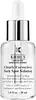 Key Ingredients
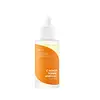
Benefits
Concerns
Ingredients Side-by-side
Water
Skin ConditioningPropylene Glycol
Humectant


Glycerin
Humectant


Alcohol Denat.
Antimicrobial



PEG/PPG/Polybutylene Glycol-8/5/3 Glycerin
HumectantHydroxypropyl Tetrahydropyrantriol
Skin Conditioning3-O-Ethyl Ascorbic Acid
Skin Conditioning



PPG-6-Decyltetradeceth-30
EmulsifyingPhenoxyethanol
Preservative
Salicylic Acid
Masking


Xanthan Gum
EmulsifyingHydroxyethylcellulose
Emulsion StabilisingPotassium Hydroxide
BufferingCitric Acid
Buffering
Sodium Citrate
BufferingTocopheryl Acetate
Antioxidant

Lavandula Angustifolia Oil
Masking


Disodium EDTA
Adenosine
Skin Conditioning

Linalool
Perfuming
Butylene Glycol
Humectant
Tocopherol
Antioxidant
Citrus Aurantium Tachibana Peel Extract
HumectantPaeonia Suffruticosa Root Extract
Skin ProtectingWater, Propylene Glycol, Glycerin, Alcohol Denat., PEG/PPG/Polybutylene Glycol-8/5/3 Glycerin, Hydroxypropyl Tetrahydropyrantriol, 3-O-Ethyl Ascorbic Acid, PPG-6-Decyltetradeceth-30, Phenoxyethanol, Salicylic Acid, Xanthan Gum, Hydroxyethylcellulose, Potassium Hydroxide, Citric Acid, Sodium Citrate, Tocopheryl Acetate, Lavandula Angustifolia Oil, Disodium EDTA, Adenosine, Linalool, Butylene Glycol, Tocopherol, Citrus Aurantium Tachibana Peel Extract, Paeonia Suffruticosa Root Extract
Hippophae Rhamnoides Fruit Extract
Skin Conditioning
Butylene Glycol
Humectant
Pentylene Glycol
Skin ConditioningGlycerin
Humectant
Betaine
Humectant
Water
Skin ConditioningNiacinamide
Smoothing
Propanediol
Solvent
Aloe Barbadensis Leaf Extract
Emollient
Melia Azadirachta Flower Extract
Skin ConditioningMelia Azadirachta Leaf Extract
Skin ConditioningCucurbita Pepo Fruit Extract
Skin Conditioning
Physalis Alkekengi Fruit Extract
Skin ConditioningSodium Hyaluronate
Humectant
Dipotassium Glycyrrhizate
Humectant
Ocimum Sanctum Leaf Extract
Skin Conditioning
Beta-Glucan
Skin Conditioning
Curcuma Longa Root Extract
Masking
Corallina Officinalis Extract
Skin Conditioning
Brassica Oleracea Italica Extract
AstringentCoccinia Indica Fruit Extract
Skin ConditioningMoringa Oleifera Seed Oil
Emollient
Boswellia Serrata Resin Extract
SmoothingBioflavonoids
Skin ConditioningPanthenol
Skin Conditioning
Allantoin
Skin Conditioning
Sodium Polyacrylate
Absorbent
Ammonium Acryloyldimethyltaurate/Vp Copolymer
3-O-Ethyl Ascorbic Acid
Skin Conditioning
Ethyl Hexanediol
SolventPolysorbate 80
Emulsifying
1,2-Hexanediol
Skin Conditioning
Hippophae Rhamnoides Fruit Extract, Butylene Glycol, Pentylene Glycol, Glycerin, Betaine, Water, Niacinamide, Propanediol, Aloe Barbadensis Leaf Extract, Melia Azadirachta Flower Extract, Melia Azadirachta Leaf Extract, Cucurbita Pepo Fruit Extract, Physalis Alkekengi Fruit Extract, Sodium Hyaluronate, Dipotassium Glycyrrhizate, Ocimum Sanctum Leaf Extract, Beta-Glucan, Curcuma Longa Root Extract, Corallina Officinalis Extract, Brassica Oleracea Italica Extract, Coccinia Indica Fruit Extract, Moringa Oleifera Seed Oil, Boswellia Serrata Resin Extract, Bioflavonoids, Panthenol, Allantoin, Sodium Polyacrylate, Ammonium Acryloyldimethyltaurate/Vp Copolymer, 3-O-Ethyl Ascorbic Acid, Ethyl Hexanediol, Polysorbate 80, 1,2-Hexanediol
Reviews
Ingredients Explained
These ingredients are found in both products.
Ingredients higher up in an ingredient list are typically present in a larger amount.
You might know this ingredient as Ethyl Ascorbic Acid, a more stable version of ascorbic acid.
Like other types of vitamin C, this ingredient has many benefits including reducing wrinkles, skin soothing, dark spot fading, and fighting against free radicals.
3-O-Ethyl Ascorbic Acid interferes with the process of skin darkening, helping to reduce hyperpigmentation. It also encourages the skin to produce more collagen.
Once applied, 3-O-Ethyl Ascorbic Acid is converted to Vitamin C deeper in the skin's layers. This process is slow but makes this ingredient more tolerable for skin.
The optimum pH range for this ingredient is 4 - 5.5
Learn more about 3-O-Ethyl Ascorbic AcidButylene Glycol (or BG) is used within cosmetic products for a few different reasons:
Overall, Butylene Glycol is a safe and well-rounded ingredient that works well with other ingredients.
Though this ingredient works well with most skin types, some people with sensitive skin may experience a reaction such as allergic rashes, closed comedones, or itchiness.
Learn more about Butylene GlycolGlycerin is already naturally found in your skin. It helps moisturize and protect your skin.
A study from 2016 found glycerin to be more effective as a humectant than AHAs and hyaluronic acid.
As a humectant, it helps the skin stay hydrated by pulling moisture to your skin. The low molecular weight of glycerin allows it to pull moisture into the deeper layers of your skin.
Hydrated skin improves your skin barrier; Your skin barrier helps protect against irritants and bacteria.
Glycerin has also been found to have antimicrobial and antiviral properties. Due to these properties, glycerin is often used in wound and burn treatments.
In cosmetics, glycerin is usually derived from plants such as soybean or palm. However, it can also be sourced from animals, such as tallow or animal fat.
This ingredient is organic, colorless, odorless, and non-toxic.
Glycerin is the name for this ingredient in American English. British English uses Glycerol/Glycerine.
Learn more about GlycerinWater. It's the most common cosmetic ingredient of all. You'll usually see it at the top of ingredient lists, meaning that it makes up the largest part of the product.
So why is it so popular? Water most often acts as a solvent - this means that it helps dissolve other ingredients into the formulation.
You'll also recognize water as that liquid we all need to stay alive. If you see this, drink a glass of water. Stay hydrated!
Learn more about Water
