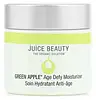
This anti-aging moisturizer is formulated around Aloe Barbadensis Leaf Juice and Palmitoyl Tripeptide-5 to soften the look of wrinkles and brighten dull-looking skin.
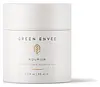
This barrier-repair moisturizer is formulated around Camellia Sinensis Leaf Extract and Simmondsia Chinensis Seed Oil to strengthen the skin barrier and hydrate skin.

What's inside
What's inside
 Key Ingredients
Benefits
Concerns
Ingredients Side-by-side
Aloe Barbadensis Leaf Juice
Skin Conditioning


Caprylic/Capric Triglyceride
Masking

Glyceryl Stearate
Emollient

Helianthus Annuus Seed Oil
Emollient
Glycerin
Humectant
Stearyl Alcohol
Emollient
Cetyl Alcohol
Emollient
Myristyl Myristate
Emollient


Glyceryl Stearate Citrate
Emollient
Simmondsia Chinensis Seed Oil
Emollient
Squalane
Emollient
Caprylyl Glycol
Emollient
Pyrus Malus Juice
Skin ConditioningVitis Vinifera Juice
Antioxidant
Citrus Limon Juice
Skin Conditioning
Butyrospermum Parkii Butter
Skin Conditioning
Carthamus Tinctorius Seed Oil
Masking
Palmitoyl Tripeptide-5
Skin Conditioning

Borago Officinalis Seed Oil
Emollient
Camellia Sinensis Leaf Extract
Antimicrobial


Magnesium Ascorbyl Phosphate
Antioxidant
Xanthan Gum
EmulsifyingAlgae Extract
Emollient
Persea Gratissima Oil
Skin Conditioning
Ubiquinone
Antioxidant
Oenothera Biennis Oil
Emollient
Allantoin
Skin Conditioning
Salix Alba Bark Extract
Astringent
Panthenol
Skin Conditioning
Linum Usitatissimum Seed Oil
Perfuming
Hyaluronic Acid
Humectant
Lonicera Caprifolium Extract
AstringentLonicera Japonica Callus Extract
Skin ProtectingSaccharum Officinarum Extract
MoisturisingThioctic Acid
Antioxidant
Tocopherol
Antioxidant
Citrus Aurantium Dulcis Oil
Masking
Cinnamomum Camphora Bark Oil
Masking
Litsea Cubeba Fruit Oil
Masking
Ethyl Linalool
Masking
Citral
Perfuming
Limonene
Perfuming
Geraniol
Perfuming
Aloe Barbadensis Leaf Juice, Caprylic/Capric Triglyceride, Glyceryl Stearate, Helianthus Annuus Seed Oil, Glycerin, Stearyl Alcohol, Cetyl Alcohol, Myristyl Myristate, Glyceryl Stearate Citrate, Simmondsia Chinensis Seed Oil, Squalane, Caprylyl Glycol, Pyrus Malus Juice, Vitis Vinifera Juice, Citrus Limon Juice, Butyrospermum Parkii Butter, Carthamus Tinctorius Seed Oil, Palmitoyl Tripeptide-5, Borago Officinalis Seed Oil, Camellia Sinensis Leaf Extract, Magnesium Ascorbyl Phosphate, Xanthan Gum, Algae Extract, Persea Gratissima Oil, Ubiquinone, Oenothera Biennis Oil, Allantoin, Salix Alba Bark Extract, Panthenol, Linum Usitatissimum Seed Oil, Hyaluronic Acid, Lonicera Caprifolium Extract, Lonicera Japonica Callus Extract, Saccharum Officinarum Extract, Thioctic Acid, Tocopherol, Citrus Aurantium Dulcis Oil, Cinnamomum Camphora Bark Oil, Litsea Cubeba Fruit Oil, Ethyl Linalool, Citral, Limonene, Geraniol
Camellia Sinensis Leaf Extract
Antimicrobial
Camellia Oleifera Seed Oil
Skin Conditioning
Aloe Barbadensis Leaf Juice
Skin Conditioning
Simmondsia Chinensis Seed Oil
Emollient
Oenothera Biennis Oil
Emollient
Glycerin
Humectant
Polyacrylate Crosspolymer-6
Emulsion StabilisingGlyceryl Stearate
Emollient
Citrus Limon Peel Oil
Masking
Palmitoyl Tripeptide-5
Skin Conditioning
Polyglyceryl-6 Palmitate/Succinate
Emulsifying
Cetearyl Alcohol
Emollient
Squalane
Emollient
Opuntia Ficus-Indica Seed Oil
Emollient
Plukenetia Volubilis Seed Oil
Emollient
Sodium Hyaluronate
Humectant
Lavandula Angustifolia Oil
Masking
Citrus Aurantifolia Oil
Cleansing
Cymbopogon Martini Oil
Masking
Tocopherol
Antioxidant
Coriandrum Sativum Oil
Masking
Ubiquinone
Antioxidant
Citrus Limon Fruit Oil
Astringent
Sodium Bicarbonate
Abrasive
Ethyl Ether
SolventEthylhexylglycerin
Skin ConditioningCamellia Sinensis Leaf Extract, Camellia Oleifera Seed Oil, Aloe Barbadensis Leaf Juice, Simmondsia Chinensis Seed Oil, Oenothera Biennis Oil, Glycerin, Polyacrylate Crosspolymer-6, Glyceryl Stearate, Citrus Limon Peel Oil, Palmitoyl Tripeptide-5, Polyglyceryl-6 Palmitate/Succinate, Cetearyl Alcohol, Squalane, Opuntia Ficus-Indica Seed Oil, Plukenetia Volubilis Seed Oil, Sodium Hyaluronate, Lavandula Angustifolia Oil, Citrus Aurantifolia Oil, Cymbopogon Martini Oil, Tocopherol, Coriandrum Sativum Oil, Ubiquinone, Citrus Limon Fruit Oil, Sodium Bicarbonate, Ethyl Ether, Ethylhexylglycerin
Ingredients Explained
These ingredients are found in both products.
Ingredients higher up in an ingredient list are typically present in a larger amount.
Aloe Barbadensis Leaf Juice is the filtered, stabilized liquid pressed from the inner gel of the aloe vera leaf.
In cosmetics, it shows up as either soothing active or a water-replacement base. It is roughly 98-99% water and the last 1-2% is an interesting mix of polysaccharides, amino acids, vitamins, minerals, and enzymes.
The polysaccharides do most of the work: they bind water at the skin surface for a light, non-greasy hydration boost. And one of the polysaccharides, glycomannan, is linked to fibroblast stimulation + collagen synthesis. This is also why aloe has such a long track record in wound and burn healing.
This ingredient is also calming with anti-inflammatory and mild antimicrobial activity, making it a great pick for sensitive, irritated, or post-sun skin.
Realistic expectations matter though; the solid evidence is mostly limited to hydration, soothing, and wound support. Deeper claims about anti-aging or sun protection are not well backed, and science reviews note it does not prevent radiation-induced skin injury.
Because it plays well with almost everything, it's commonly used as a base alongside other actives like niacinamide or vitamin C.
Typical usage concentrations range from 0.5% (where hydration benefits already show up) all the way to 90%+ (where it replaces water as the main base).
The safety for this ingredient is well-establish as well. Overall, this is a great supporting ingredient for those who want a boost in hydration.
Learn more about Aloe Barbadensis Leaf JuiceCamellia Sinensis Leaf Extract (tea extract) is one of the most well-researched plant extracts in skincare with an impressive resume.
Black tea, green tea, and oolong tea are all harvested from the Camellia Sinensis plant.
Studies show green tea extract and its catechins (like epigallocatechin gallate (EGCG)) help your skin cells product energy more efficiently and reducing the number of free-radicals that can damage your skin from the inside.
In lab-grown skin models, this translated to younger, healthier, and stronger skin.
There's also good sun protection data; researchers saw less DNA damage and redness on human skin when green tea was applied before UVB exposure. And the more they applied, the better the protection.
Needless to say, this ingredient shouldn't replace your sunscreen. But it is a great supportive ingredient that you can already find in many sunscreens and antioxidant serums.
A 2009 study found a 2% green tea lotion was effective for mild-to-moderate acne thanks to its anti-inflammatory and mild antimicrobial activity.
The quality of the extract matters a lot here:
Good extracts contain 50-90% catechins while lower quality ones are mostly there for marketing. We recommend reaching out to the brand if you have questions about the quality or source of their ingredients.
Human Repeated Insult Patch Testing showed no irritation or sensitization at use concentrations (0.86% in leave-on products and up to 30% as leaf water).
Learn more about Camellia Sinensis Leaf ExtractGlycerin (or glycerol) is a compound naturally found in your skin. It's a powerhouse humectant that pulls water into the stratum corneum.
Topically, glycerin does several things at once:
Your skin makes glycerin on its own (mostly from sebaceous oil breakdown) and shuttles it to your outermost layer of skin, or your epidermis, via aquaporin-3.
Aquaporin-3 is a transporter that is essential for normal skin hydration, elasticity, and repair. Interestingly, mice lacking in AQP3 have dry and less elastic skin that can be fully corrected with glycerin.
This ingredient is non-irritating, plays well with almost every ingredient, and works across all skin types. Typical use is anywhere between 3-10% but can go up to 79% in some leave-on products.
Just know very high concentrations (>40%) can feel tacky in low humidity.
Glycerin is the name for this ingredient in American English. British English uses Glycerol/Glycerine.
Learn more about GlycerinGlyceryl Stearate is made by reacting glycerin with stearic acid (typically sourced from plant oils like palm or coconut). It's an emulsifier, emollient, and mild occlusive.
Emulsifiers help ingredients like oil and water stay mixed so your formula stays nicely blended and uniform in texture.
This ingredient is typically used in concentrations between 1-10%. Studies have found it to be non-sensitizing, non-phototoxic, and non-photoallergenic.
A close cousin of this ingredient is Glyceryl Stearate SE ("self-emulsifying"). This just has a small amount of sodium or potassium stearate added so it can emulsify without a co-emulsifier.
Since this ingredient is an ester of a C18 fatty acid, it may not be fungal acne safe. The Malassezia yeast can potentially metabolize within the C11-C24 range.
Fun fact: The human body also creates Glyceryl Stearate naturally.
Learn more about Glyceryl StearateOenothera Biennis Oil (aka Evening Primrose Oil) is a non-fragrant oil from the evening primrose. Like other botanical oils, it is an emollient that helps hydrate and nourish skin.
It has an interesting fatty acid profile: linoleic (70-74%) and γ-linolenic (8-10%), with some amounts ofoleic palmitic, and stearic acids.
The gamma-linoleic acid (GLA) is the headliner here; it's relatively rare in plant oils and acts as a precursor for anti-inflammatory signaling molecules in the skin.
There's a mixed body of clinical research with this ingredient as well, mostly on eczema/atopic dermatitis skin.
Some controlled trials showed improvement in inflammation, dryness, scaling, and overall severity. Other studies and large meta-analysis failed to show a significant effect; the honest takeaway here is "promising but inconsistent" rather than "miracle oil".
On the safety front, this ingredient is found to be safe as used in cosmetics and even has a history of safe food use.
This ingredient does have a comedogenic rating of 3, but this doesn't mean a formula with this ingredient will clog pores. Human testing has proved that any finished product with this ingredient won't automatically make you break out; it really comes down to concentration, formula, and your skin.
Since this oil is contains oleic acid and palmitic acid, it may not be fungal acne safe. The Malassezia yeast feeds on fatty acids with carbon chain lengths between C11-C24. Oleic Acid sits at C18 and Palmitic acid sits at C16.
In vitro studies have shown that oleic acid and palmitic acid are some of the fatty acids that induce rapid Malassezia growth in lab settings.
Learn more about Oenothera Biennis OilPalmitoyl Tripeptide-5 is a synthetic signal lipopeptide. This just means it is a three amino acid chain bolted onto a palmitic acid tail so it can slip through the skin's lipid barrier.
This peptide has a "build more, lose less" approach.
It's designed to mimic the collagen-stimulating activity in your skin by copying a snippet of one of your skin's own matrix proteins. This nudges fibroblasts into making more collagen while inhibiting the enzyme that breaks down skin protein.
The manufacturer's in vivo study of 45 volunteers found 1% and 2.5% reduced the appearance of wrinkles by 7% and 12% respectively, after using it twice daily for 84 days.
This is in the expected range for peptides; they're slow and cumulative actives and not overnight fixers.
Typical use levels range from 1-3% and this ingredient gets along with pretty much everything.
On the fungal acne front:
Although palmitic acid sits in the chain length that Malassezia can feed on, this ingredient has it locked in an amine bond. This makes it hard for Malassezia to access as a source of food, and therefore fungal acne safe.
Jojoba oil is one of the most well-studied plant-derived ingredients in cosmetics. It is an emollient with a special structure.
Because it is made up of 97-98% wax esters, it closely mirrors the linear monoesters found in human sebum. This makes it skin compatible, non-greasy, and lightweight.
Unlike other plant oils, jojoba wax doesn't easily penetrate skin. It mostly works in the uppermost layers as an emollient. This just means it forms a light barrier on the skin to help retain moisture.
Formulations with jojoba esters up to 90% reduced transepidermal water loss (TEWL) and increased barrier recovery by 81% (outperforming bisabolol at 47%).
Besides barrier support, the science also suggests jojoba to have anti-inflammatory effects and potential applications for skin infections, aging, and wound healing.
Fun fact: Indigenous cultures have used jojoba as a moisturizer and to help treat burns for centuries.
Fungal acne: The Malassezia yeast is known to metabolize fatty acids in the C11-24 range and jojoba's dominant fatty acid components fall into this range. This ingredient may not be fungal acne safe.
Learn more about Simmondsia Chinensis Seed OilSqualane is the hydrogenated and shelf-stable form of squalene (a lipid that naturally occurs in human sebum).
It is an emollient and skin conditioning agent that is able to integrate seamlessly into the skin's lipid barrier without clogging pores.
This is due to how structurally similar it is to what your skin already produces.
Though it is mostly an emollient that helps soften and hydrate skin, it also has some humectant and occlusive action. Humectants help the skin retain moisture while occlusives seal it in, making squalane a triple-threat moisturizer.
Research shows it has antioxidant capabilities that help protect against stressors like UV exposure, specifically UVA induced oxidative stress. This study also found that it supports collagen biosynthesis in human dermal fibroblasts.
No clinical study has reported significant adverse effects and irritation reactions are very rare from this ingredient (even at 100% concentration).
Overall, it's a fantastic ingredient for hydration and is suitable for all skin types.
This depends on the source. Squalane can be derived from both plants and animals. Most squalane used in skincare comes from plants.
Please note: the source of squalane is only known if disclosed by the brand. We recommend reaching out to the brand if you have any questions about their squalane.
Read more about squalene with an "e".
Though squalane is often called an oil, it’s technically not one. It is a hydrocarbon, meaning it is only made of carbon and hydrogen. True oils are triglycerides and made of fatty acids and glycerol.
The term “oil-free” isn’t regulated so companies can define it however they want. Some exclude all oils, while others just avoid mineral oil or comedogenic oils.
Squalane has a comedogenic rating of 1 from the original 1972 study that tested raw ingredients under occlusion on rabbit ears. This system is not standardized or peer-reviewed, and using the raw ingredients is very different from how diluted cosmetic formulations are used on human skin.
A comedogenic rating of 1 means it is "unlikely to clog pores" according to the original rating system.
The overall formula of a product matters more than the individual ingredients on whether or not it will cause clogged pores.
Learn more about SqualaneTocopherol is a fat-soluble antioxidant known as Vitamin E.
You'll find this ingredient in the vast majority of skincare (for good reason). It works to neutralize free radicals, or unstable molecules generated by UV exposure, pollution, and other environmental stressors, before they can cause oxidative damage to your skin cells.
Topically applied tocopherol has been shown to protect against UV damage by ramping up the skin's own natural defense enzymes.
It also acts as a skin conditioning agent; some studies show that regular topical use can improve the skin's water-binding capacity over 2-4 weeks.
This ingredient is especially loved for being a team player. When combined with Vitamin C, the photoprotective effect of both ingredients roughly doubles and the combo also helps reduce UV-induced DNA damage.
This ingredient has some brightening potential but it's more of a prevention ingredient than spot-fader. Cell studies show it can slow down melanin production but it's worth noting that it's not the most powerful brightener out there.
In formulations, it also serves as a stabilizer that helps protect other oxidation-prone ingredients from degrading.
Concentrations usually range from 0.1-1% in most leave-on products.
Learn more about TocopherolUbiquinone (Coenzyme Q10) is a molecule already found in our bodies. It is a potent antioxidant and skin-soothing ingredient.
Aging and environmental exposure diminishes our skin's natural ubiquinone levels. This is much like our natural collagen and elastin.
The good news is: studies show applying this ingredient topically replenishes ubiquinone levels in our skin. This also comes with a ton of skin benefits. These benefits include:
Ubiquinone is considered a large molecule and cannot be absorbed into the lower layers of skin. This is why it is believed to be such an effective antioxidant: it protects our skin in the upper layers and prevents damage in the deeper layers.
When used in sunscreen, ubiquinone is shown to increase ingredient stability, increase SPF factor, and add to infrared protection.
Fun fact: ubiquinone is fat-soluble.
Learn more about Ubiquinone

