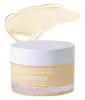
This barrier-repair moisturizer is formulated around Panthenol and Sodium Hyaluronate to strengthen the skin barrier and hydrate skin.
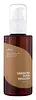
This calming emulsion is formulated around Camellia Sinensis Leaf Extract and Centella Asiatica Extract to calm redness and balance excess oil.

What's inside
What's inside
 Key Ingredients
Benefits
Concerns
Ingredients Side-by-side
Water
Skin ConditioningButylene Glycol
Humectant

Glycereth-26
Humectant
Glycerin
Humectant
Methylpropanediol
Solvent1,2-Hexanediol
Skin Conditioning
Polyglycerin-3
Humectant
Acrylates/C10-30 Alkyl Acrylate Crosspolymer
Emulsion StabilisingAmmonium Acryloyldimethyltaurate/Vp Copolymer
Arginine
Masking
Panthenol
Skin Conditioning

Hydroxyacetophenone
Antioxidant
Rosa Damascena Extract
MaskingAloe Barbadensis Leaf Water
MaskingEthylhexylglycerin
Skin ConditioningSodium Hyaluronate
Humectant

Propanediol
Solvent
Polyglyceryl-10 Laurate
Skin Conditioning

Maltodextrin
Absorbent
Disodium EDTA
ChelatingCaramel
Cosmetic ColorantGlyceryl Acrylate/Acrylic Acid Copolymer
HumectantParfum
Masking



Nigella Sativa Seed Oil
Emollient
Glyceryl Glucoside
Humectant
Benzyl Glycol
SolventTremella Fuciformis Polysaccharide
Emulsion Stabilising
Hydrolyzed Glycosaminoglycans
HumectantCetyl Ethylhexanoate
EmollientHydrogenated Lecithin
Emulsifying
Caprylic/Capric Triglyceride
Masking
Squalane
Emollient
Sodium Hyaluronate Crosspolymer
Humectant
Lecithin
Emollient
Macadamia Ternifolia Seed Oil
Emollient
Hydrolyzed Hyaluronic Acid
Humectant
Candida Bombicola/Glucose/Methyl Rapeseedate Ferment
AntimicrobialHydroxypropyltrimonium Hyaluronate
Sodium Ascorbyl Phosphate
Antioxidant



Olea Europaea Oil Unsaponifiables
Skin Conditioning
Ceramide NP
Skin Conditioning
Glycine Soja Oil Unsaponifiables
Emollient
Triticum Vulgare Germ Oil Unsaponifiables
Emollient
Cholesterol
Emollient
Hyaluronic Acid
Humectant
Stearic Acid
Cleansing
Pollen Extract
EmollientSodium Acetylated Hyaluronate
Humectant
Water, Butylene Glycol, Glycereth-26, Glycerin, Methylpropanediol, 1,2-Hexanediol, Polyglycerin-3, Acrylates/C10-30 Alkyl Acrylate Crosspolymer, Ammonium Acryloyldimethyltaurate/Vp Copolymer, Arginine, Panthenol, Hydroxyacetophenone, Rosa Damascena Extract, Aloe Barbadensis Leaf Water, Ethylhexylglycerin, Sodium Hyaluronate, Propanediol, Polyglyceryl-10 Laurate, Maltodextrin, Disodium EDTA, Caramel, Glyceryl Acrylate/Acrylic Acid Copolymer, Parfum, Nigella Sativa Seed Oil, Glyceryl Glucoside, Benzyl Glycol, Tremella Fuciformis Polysaccharide, Hydrolyzed Glycosaminoglycans, Cetyl Ethylhexanoate, Hydrogenated Lecithin, Caprylic/Capric Triglyceride, Squalane, Sodium Hyaluronate Crosspolymer, Lecithin, Macadamia Ternifolia Seed Oil, Hydrolyzed Hyaluronic Acid, Candida Bombicola/Glucose/Methyl Rapeseedate Ferment, Hydroxypropyltrimonium Hyaluronate, Sodium Ascorbyl Phosphate, Olea Europaea Oil Unsaponifiables, Ceramide NP, Glycine Soja Oil Unsaponifiables, Triticum Vulgare Germ Oil Unsaponifiables, Cholesterol, Hyaluronic Acid, Stearic Acid, Pollen Extract, Sodium Acetylated Hyaluronate
Water
Skin ConditioningCamellia Sinensis Leaf Extract
Antimicrobial
Propanediol
Solvent
Caprylic/Capric Triglyceride
Masking
Glycerin
Humectant
Cetyl Ethylhexanoate
EmollientPolyglyceryl-3 Methylglucose Distearate
Emulsifying
Beeswax
Emulsion Stabilising
Ginkgo Biloba Leaf Extract
Skin Conditioning
Centella Asiatica Extract
Cleansing
Salix Alba Bark Extract
Astringent
Vaccinium Angustifolium Fruit Extract
Skin Protecting
Pinus Palustris Leaf Extract
TonicUlmus Davidiana Root Extract
Skin Conditioning
Oenothera Biennis Flower Extract
AstringentPueraria Lobata Root Extract
HumectantAllantoin
Skin Conditioning
Beta-Glucan
Skin Conditioning
Dipotassium Glycyrrhizate
Humectant
Acrylates/C10-30 Alkyl Acrylate Crosspolymer
Emulsion StabilisingXanthan Gum
EmulsifyingTromethamine
BufferingDisodium EDTA
Chelating1,2-Hexanediol
Skin Conditioning
Hydroxyacetophenone
Antioxidant
Water, Camellia Sinensis Leaf Extract, Propanediol, Caprylic/Capric Triglyceride, Glycerin, Cetyl Ethylhexanoate, Polyglyceryl-3 Methylglucose Distearate, Beeswax, Ginkgo Biloba Leaf Extract, Centella Asiatica Extract, Salix Alba Bark Extract, Vaccinium Angustifolium Fruit Extract, Pinus Palustris Leaf Extract, Ulmus Davidiana Root Extract, Oenothera Biennis Flower Extract, Pueraria Lobata Root Extract, Allantoin, Beta-Glucan, Dipotassium Glycyrrhizate, Acrylates/C10-30 Alkyl Acrylate Crosspolymer, Xanthan Gum, Tromethamine, Disodium EDTA, 1,2-Hexanediol, Hydroxyacetophenone
Reviews
Ingredients Explained
These ingredients are found in both products.
Ingredients higher up in an ingredient list are typically present in a larger amount.
1,2-Hexanediol is a synthetic liquid and another multi-functional powerhouse.
It is a:
- Humectant, drawing moisture into the skin
- Emollient, helping to soften skin
- Solvent, dispersing and stabilizing formulas
- Preservative booster, enhancing the antimicrobial activity of other preservatives
Acrylates/C10-30 Alkyl Acrylate Crosspolymer is a synthetic polymer. It is used to thicken, emulsify, and improve the texture of products.
As an emulsifier, it helps stabilize oil-in-water emulsions to give products an elegant feel when applied.
It can also form a thin protective film on skin. One study found that a formula using this polymer helped slow down how quickly other ingredients (like DEET) were absorbed through skin.
A 2024 study of over 1,300 patients confirmed that sensitization to this ingredient is rare. It is also non-mutagenic and has a clean track record.
Learn more about Acrylates/C10-30 Alkyl Acrylate CrosspolymerCaprylic/Capric Triglyceride (aka MCT Oil) is a lightweight emollient, solvent, and texture enhancer. It is considered a skin-softener by helping to prevent moisture loss.
Though it behaves like an oil, it is not technically one due to its chemical composition. One perk of this ingredient is that it is very stable, resistant to oxidation, and unlikely to go rancid.
In practice, that translates to a long shelf life and a consistently elegant skin feel.
While there is an assumption Caprylic Triglyceride can clog pores due to it being derived from coconut oil, there is no research supporting this. Just patch test if you have concerns.
Fractionated coconut oil and MCT Oil are both listed as Caprylic/Capric Triglyceride according to INCI. This is because INCI names are based on the ingredient’s final chemical composition and not its marketing name or source.
This ingredient is treated as the gold standard fungal acne safe oil. Even though it is coconut derived, the problematic lauric acid is stripped out.
This leaves just caprylic (C8) and capric (C10) acid. These chain lengths actually trend antifungal; a 2020 study found caprylic acid was enough to disrupt Malassezia furfur cell membrane, with a caprylic acid derivative damaging membrane structures at concentrations as low as 0.2%.
Learn more about Caprylic/Capric TriglycerideCetyl Ethylhexanoate is an emollient ester. It comes from cetearyl alcohol and 2-ethylhexanoic acid.
Cetyl Ethylhexanoate is an emollient that adds a velvety feel to skin without being greasy or oily. Emollients help trap moisture into your skin, keeping your skin soft and hydrated.
Disodium EDTA is a chelating agent. It grabs onto and deactivates metal ions that sneak into your products from water, packaging, or air.
This ingredient mainly works behind the scenes and helps with:
On top of that, this ingredient can counteract the effects of hard water by binding to the minerals in it.
One thing worth knowing is that Disodium EDTA has been shown to be a mild penetration enhancer. It can help other ingredients absorb into skin more effectively which can be a double-edged sword (great for actives, but can also make the active too strong if you have sensitive skin).
Clinical patch testing showed no significant skin irritation at typical use concentrations and minimal dermal absorption.
You'll most likely see this ingredient near the end of an ingredient list. It's typically found in concentrations less than 1%.
Learn more about Disodium EDTAGlycerin (or glycerol) is a compound naturally found in your skin. It's a powerhouse humectant that pulls water into the stratum corneum.
Topically, glycerin does several things at once:
Your skin makes glycerin on its own (mostly from sebaceous oil breakdown) and shuttles it to your outermost layer of skin, or your epidermis, via aquaporin-3.
Aquaporin-3 is a transporter that is essential for normal skin hydration, elasticity, and repair. Interestingly, mice lacking in AQP3 have dry and less elastic skin that can be fully corrected with glycerin.
This ingredient is non-irritating, plays well with almost every ingredient, and works across all skin types. Typical use is anywhere between 3-10% but can go up to 79% in some leave-on products.
Just know very high concentrations (>40%) can feel tacky in low humidity.
Glycerin is the name for this ingredient in American English. British English uses Glycerol/Glycerine.
Learn more about GlycerinHydroxyacetophenone is a small phenolic molecule that earns its place in a formulas as an antioxidant and preservative booster.
As a phenol, it is able to neutralize free radicals to protect both the product and the skin from oxidative stress.
Though it can't kill microbes on its own, it works as a good supporting agent when combined with other preservatives like Phenoxyethanol or 1,2-Hexanediol.
This ingredient naturally occurs as piceol in Norwegian spruce needles (~0.4-1.1% dry weight and in cloudberries). Though the cosmetic-grade material is synthesized for purity and consistency.
You'll usually see it used at low levels and suppliers recommend up to 1% added to a water phase.
Safety testing was done at concentrations like 0.05% in SPF products and 0.5% in a Human Repeated Insult Patch Test. The safety evidence is assuring; this ingredient is safe for cosmetics in current use and also holds safety status as a food flavoring as well.
An honest caveat: the "soothing" and "anti-inflammatory" claims come mostly from supplier marketing rather than published clinical trials. The Cosmetic Ingredient Review's own literature search found no useful efficacy studies on this ingredient.
So the antioxidant and preservative-boosting roles are the well supported ones while the calming benefit is plausible but thinly evidenced.
Overall, this is a well-tolerated, low-irritation multitasker that quietly helps a formula stay fresh and stable.
Learn more about HydroxyacetophenonePropanediol is an all-star ingredient. It softens, hydrates, and smooths the skin.
It’s often used to:
Propanediol is not likely to cause sensitivity and considered safe to use. It is derived from corn or petroleum with a clear color and no scent.
Learn more about PropanediolWater. It's the most common cosmetic ingredient of all. You'll usually see it at the top of ingredient lists, meaning that it makes up the largest part of the product.
So why is it so popular? Water most often acts as a solvent - this means that it helps dissolve other ingredients into the formulation.
You'll also recognize water as that liquid we all need to stay alive. If you see this, drink a glass of water. Remember to stay hydrated!
Learn more about Water


