

What's inside
What's inside
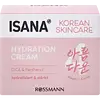 Key Ingredients
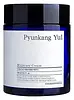
No key ingredients
Benefits
Concerns
Ingredients Side-by-side
Water
Skin ConditioningDipropylene Glycol
HumectantGlycerin
Humectant


Niacinamide
Smoothing









Caprylic/Capric Triglyceride
Masking
Phenyl Trimethicone
Skin Conditioning
Butylene Glycol
Humectant
Sodium Polyacrylate
Absorbent
Hydroxyacetophenone
Antioxidant
Polyglyceryl-3 Methylglucose Distearate
Emulsifying
Glyceryl Stearate
Emollient
Caprylyl Glycol
Emollient
Cetearyl Olivate
Sorbitan Olivate
Emulsifying
Panthenol
Skin Conditioning
Arctostaphylos Uva Ursi Leaf Extract
Skin Conditioning
Parfum
Masking



Ethylhexylglycerin
Skin ConditioningAdenosine
Skin Conditioning
Xylitylglucoside
Humectant
1,2-Hexanediol
Skin Conditioning
Xanthan Gum
EmulsifyingAnhydroxylitol
Humectant
Xylitol
Humectant
Centella Asiatica Extract
Cleansing
Houttuynia Cordata Extract
Skin Conditioning
Melaleuca Alternifolia Leaf Extract
Perfuming
Portulaca Oleracea Extract
Skin Conditioning
Glucose
Humectant
Hydrogenated Lecithin
Emulsifying
Dipotassium Glycyrrhizate
Humectant
Ceramide NP
Skin Conditioning
Sodium Hyaluronate
Humectant
Madecassoside
Antioxidant
Hydrolyzed Hyaluronic Acid
Humectant
Tocopherol
Antioxidant
Asiatic Acid
Skin Conditioning
Asiaticoside
Antioxidant
Madecassic Acid
Skin Conditioning
Sodium Acetylated Hyaluronate
Humectant
Water, Dipropylene Glycol, Glycerin, Niacinamide, Caprylic/Capric Triglyceride, Phenyl Trimethicone, Butylene Glycol, Sodium Polyacrylate, Hydroxyacetophenone, Polyglyceryl-3 Methylglucose Distearate, Glyceryl Stearate, Caprylyl Glycol, Cetearyl Olivate, Sorbitan Olivate, Panthenol, Arctostaphylos Uva Ursi Leaf Extract, Parfum, Ethylhexylglycerin, Adenosine, Xylitylglucoside, 1,2-Hexanediol, Xanthan Gum, Anhydroxylitol, Xylitol, Centella Asiatica Extract, Houttuynia Cordata Extract, Melaleuca Alternifolia Leaf Extract, Portulaca Oleracea Extract, Glucose, Hydrogenated Lecithin, Dipotassium Glycyrrhizate, Ceramide NP, Sodium Hyaluronate, Madecassoside, Hydrolyzed Hyaluronic Acid, Tocopherol, Asiatic Acid, Asiaticoside, Madecassic Acid, Sodium Acetylated Hyaluronate
Coptis Japonica Root Extract
Skin ConditioningButylene Glycol
Humectant
Simmondsia Chinensis Seed Oil
Emollient
Polyglyceryl-3 Methylglucose Distearate
Emulsifying
Cetyl Ethylhexanoate
EmollientButylene Glycol Dicaprylate/Dicaprate
EmollientIsohexadecane
Emollient1,2-Hexanediol
Skin Conditioning
Cetearyl Alcohol
Emollient

Glyceryl Stearate
Emollient
Butyrospermum Parkii Butter
Skin Conditioning
Sodium Acrylate/Sodium Acryloyldimethyl Taurate Copolymer
Emulsion StabilisingPolysorbate 80
Emulsifying
Glyceryl Caprylate
EmollientCoptis Japonica Root Extract, Butylene Glycol, Simmondsia Chinensis Seed Oil, Polyglyceryl-3 Methylglucose Distearate, Cetyl Ethylhexanoate, Butylene Glycol Dicaprylate/Dicaprate, Isohexadecane, 1,2-Hexanediol, Cetearyl Alcohol, Glyceryl Stearate, Butyrospermum Parkii Butter, Sodium Acrylate/Sodium Acryloyldimethyl Taurate Copolymer, Polysorbate 80, Glyceryl Caprylate
Reviews
Ingredients Explained
These ingredients are found in both products.
Ingredients higher up in an ingredient list are typically present in a larger amount.
1,2-Hexanediol is a synthetic liquid and another multi-functional powerhouse.
It is a:
- Humectant, drawing moisture into the skin
- Emollient, helping to soften skin
- Solvent, dispersing and stabilizing formulas
- Preservative booster, enhancing the antimicrobial activity of other preservatives
Butylene Glycol (or BG) is used within cosmetic products for a few different reasons:
Overall, Butylene Glycol is a safe and well-rounded ingredient that works well with other ingredients.
Though this ingredient works well with most skin types, some people with sensitive skin may experience a reaction such as allergic rashes, closed comedones, or itchiness.
Learn more about Butylene GlycolGlyceryl Stearate is made by reacting glycerin with stearic acid (typically sourced from plant oils like palm or coconut). It's an emulsifier, emollient, and mild occlusive.
Emulsifiers help ingredients like oil and water stay mixed so your formula stays nicely blended and uniform in texture.
This ingredient is typically used in concentrations between 1-10%. Studies have found it to be non-sensitizing, non-phototoxic, and non-photoallergenic.
A close cousin of this ingredient is Glyceryl Stearate SE ("self-emulsifying"). This just has a small amount of sodium or potassium stearate added so it can emulsify without a co-emulsifier.
Since this ingredient is an ester of a C18 fatty acid, it may not be fungal acne safe. The Malassezia yeast can potentially metabolize within the C11-C24 range.
Fun fact: The human body also creates Glyceryl Stearate naturally.
Learn more about Glyceryl StearatePolyglyceryl-3 Methylglucose Distearate is created from the diester of stearic acid and the condensation product of methylglucose and Polyglycerin-3.
As an emulsifier, it is used to bind ingredients together. Many ingredients, such as oils and water, separate naturally. Emulsifiers prevent them from separating to ensure even consistency in texture.
One of the manufacturer for this ingredient states it is vegetable-based. It is also claimed to be stable at both high and low temperatures.
This ingredient may not be safe for fungal acne. We recommend speaking with a professional if you have any concerns.
Learn more about Polyglyceryl-3 Methylglucose Distearate
