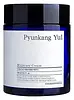
This barrier-repair moisturizer is formulated around Simmondsia Chinensis Seed Oil and Butyrospermum Parkii Butter to strengthen the skin barrier and hydrate skin.
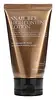
This barrier-repair moisturizer is formulated around Niacinamide and Snail Secretion Filtrate to strengthen the skin barrier and calm redness.

What's inside
What's inside
 Key Ingredients
No key ingredients
Benefits
Concerns
Ingredients Side-by-side
Coptis Japonica Root Extract
Skin ConditioningButylene Glycol
Humectant

Simmondsia Chinensis Seed Oil
Emollient



Polyglyceryl-3 Methylglucose Distearate
Emulsifying
Cetyl Ethylhexanoate
EmollientButylene Glycol Dicaprylate/Dicaprate
EmollientIsohexadecane
Emollient1,2-Hexanediol
Skin Conditioning
Cetearyl Alcohol
Emollient




Glyceryl Stearate
Emollient
Butyrospermum Parkii Butter
Skin Conditioning
Sodium Acrylate/Sodium Acryloyldimethyl Taurate Copolymer
Emulsion StabilisingPolysorbate 80
Emulsifying
Glyceryl Caprylate
EmollientCoptis Japonica Root Extract, Butylene Glycol, Simmondsia Chinensis Seed Oil, Polyglyceryl-3 Methylglucose Distearate, Cetyl Ethylhexanoate, Butylene Glycol Dicaprylate/Dicaprate, Isohexadecane, 1,2-Hexanediol, Cetearyl Alcohol, Glyceryl Stearate, Butyrospermum Parkii Butter, Sodium Acrylate/Sodium Acryloyldimethyl Taurate Copolymer, Polysorbate 80, Glyceryl Caprylate
Butylene Glycol
Humectant
Glycerin
Humectant
Cetyl Ethylhexanoate
EmollientNiacinamide
Smoothing









Pentylene Glycol
Skin Conditioning
1,2-Hexanediol
Skin Conditioning
Palmitic Acid
Emollient
Stearic Acid
Cleansing
Simmondsia Chinensis Seed Oil
Emollient
Sorbitan Olivate
Emulsifying
Aloe Barbadensis Leaf Juice
Skin Conditioning
Althaea Rosea Root Extract
HumectantAloe Barbadensis Leaf Extract
Emollient
Beta-Glucan
Skin Conditioning
Xanthan Gum
EmulsifyingPanthenol
Skin Conditioning
Sodium Hyaluronate
Humectant
Salix Alba Bark Extract
Astringent
Plantago Asiatica Extract
Skin ConditioningLaminaria Digitata Extract
Skin Protecting
Diospyros Kaki Leaf Extract
Skin Protecting
Ulmus Campestris Bark Extract
AstringentCaprylyl Glycol
Emollient
Polyglyceryl-10 Laurate
Skin Conditioning
Snail Secretion Filtrate
Skin Conditioning
Cetearyl Olivate
Helianthus Annuus Seed Oil
Emollient
Citric Acid
Buffering
Tripeptide-1
Skin Conditioning
Myristic Acid
Cleansing
Usnea Barbata Extract
Glyceryl Stearate
Emollient
Ethylhexylglycerin
Skin ConditioningPulsatilla Koreana Extract
Skin ConditioningUrea
Buffering
Hexapeptide-11
Skin Conditioning
Palmitoyl Pentapeptide-4
Skin Conditioning
Bee Venom
Astringent
Sh-Oligopeptide-1
Skin Conditioning
Lecithin
Emollient
Tocopheryl Acetate
Antioxidant

Copper Tripeptide-1
Skin Conditioning
Water
Skin ConditioningPalmitoyl Tripeptide-1
Skin Conditioning
Hexapeptide-9
Skin Conditioning
Polysorbate 20
Emulsifying
Zanthoxylum Piperitum Fruit Extract
Skin ConditioningBehenyl Alcohol
Emollient
Carthamus Tinctorius Seed Oil
Masking
Lauric Acid
Cleansing
Argania Spinosa Kernel Oil
Emollient
Tocopherol
Antioxidant
Cetearyl Alcohol
Emollient
Butylene Glycol, Glycerin, Cetyl Ethylhexanoate, Niacinamide, Pentylene Glycol, 1,2-Hexanediol, Palmitic Acid, Stearic Acid, Simmondsia Chinensis Seed Oil, Sorbitan Olivate, Aloe Barbadensis Leaf Juice, Althaea Rosea Root Extract, Aloe Barbadensis Leaf Extract, Beta-Glucan, Xanthan Gum, Panthenol, Sodium Hyaluronate, Salix Alba Bark Extract, Plantago Asiatica Extract, Laminaria Digitata Extract, Diospyros Kaki Leaf Extract, Ulmus Campestris Bark Extract, Caprylyl Glycol, Polyglyceryl-10 Laurate, Snail Secretion Filtrate, Cetearyl Olivate, Helianthus Annuus Seed Oil, Citric Acid, Tripeptide-1, Myristic Acid, Usnea Barbata Extract, Glyceryl Stearate, Ethylhexylglycerin, Pulsatilla Koreana Extract, Urea, Hexapeptide-11, Palmitoyl Pentapeptide-4, Bee Venom, Sh-Oligopeptide-1, Lecithin, Tocopheryl Acetate, Copper Tripeptide-1, Water, Palmitoyl Tripeptide-1, Hexapeptide-9, Polysorbate 20, Zanthoxylum Piperitum Fruit Extract, Behenyl Alcohol, Carthamus Tinctorius Seed Oil, Lauric Acid, Argania Spinosa Kernel Oil, Tocopherol, Cetearyl Alcohol
Reviews
Ingredients Explained
These ingredients are found in both products.
Ingredients higher up in an ingredient list are typically present in a larger amount.
1,2-Hexanediol is a synthetic liquid and another multi-functional powerhouse.
It is a:
- Humectant, drawing moisture into the skin
- Emollient, helping to soften skin
- Solvent, dispersing and stabilizing formulas
- Preservative booster, enhancing the antimicrobial activity of other preservatives
Butylene Glycol (or BG) is used within cosmetic products for a few different reasons:
Overall, Butylene Glycol is a safe and well-rounded ingredient that works well with other ingredients.
Though this ingredient works well with most skin types, some people with sensitive skin may experience a reaction such as allergic rashes, closed comedones, or itchiness.
Learn more about Butylene GlycolCetearyl alcohol is a waxy mixture of two fatty alcohols: cetyl alcohol and stearyl alcohol. It is an emollient and emulsifier.
Despite having "alcohol" in its name, it has nothing to do with drying solvent alcohols; the FDA also allows "alcohol-free" products to contain fatty alcohols like this ingredient.
It plays several roles in a formula:
Typical use levels for this ingredient sit around 1-10% and the Cosmetic Ingredient Review Expert Panel has affirmed safety at concentrations up to 25% in leave-on products.
Multiple assessments have found it to be non-irritating and non-sensitizing to most people.
However, there have been some cases of allergic contact dermatitis in patients with chronically compromised skin barriers.
Cetearyl alcohol has a comedogenic rating of 2 and irritancy rating of 1. Both of these numbers come from the 1989 study that used rabbit ears; a "2" means mildly comedogenic and a "1" means low irritancy.
Here's the catch: rabbit skin is more sensitive than human skin and throws a lot of false positives. A 1996 reappraisal found that ingredients rated 1-2 in the rabbit ear tests are generally safe for humans.
Remember comedogenic ratings are unable to assess the entire formula of a product or how it will react on your skin. Just be sure to patch test if you are unsure about certain ingredients.
This ingredient is not fungal acne safe. Cetearyl alcohol is a fatty alcohol with chain lengths that fall within the range that Malassezia can metabolize.
A 2019 study has also observed Malassezia growth in the presence of this ingredient, confirming it to be not-fungal acne safe.
Learn more about Cetearyl AlcoholCetyl Ethylhexanoate is an emollient ester. It comes from cetearyl alcohol and 2-ethylhexanoic acid.
Cetyl Ethylhexanoate is an emollient that adds a velvety feel to skin without being greasy or oily. Emollients help trap moisture into your skin, keeping your skin soft and hydrated.
Glyceryl Stearate is made by reacting glycerin with stearic acid (typically sourced from plant oils like palm or coconut). It's an emulsifier, emollient, and mild occlusive.
Emulsifiers help ingredients like oil and water stay mixed so your formula stays nicely blended and uniform in texture.
This ingredient is typically used in concentrations between 1-10%. Studies have found it to be non-sensitizing, non-phototoxic, and non-photoallergenic.
A close cousin of this ingredient is Glyceryl Stearate SE ("self-emulsifying"). This just has a small amount of sodium or potassium stearate added so it can emulsify without a co-emulsifier.
Since this ingredient is an ester of a C18 fatty acid, it may not be fungal acne safe. The Malassezia yeast can potentially metabolize within the C11-C24 range.
Fun fact: The human body also creates Glyceryl Stearate naturally.
Learn more about Glyceryl StearateJojoba oil is one of the most well-studied plant-derived ingredients in cosmetics. It is an emollient with a special structure.
Because it is made up of 97-98% wax esters, it closely mirrors the linear monoesters found in human sebum. This makes it skin compatible, non-greasy, and lightweight.
Unlike other plant oils, jojoba wax doesn't easily penetrate skin. It mostly works in the uppermost layers as an emollient. This just means it forms a light barrier on the skin to help retain moisture.
Formulations with jojoba esters up to 90% reduced transepidermal water loss (TEWL) and increased barrier recovery by 81% (outperforming bisabolol at 47%).
Besides barrier support, the science also suggests jojoba to have anti-inflammatory effects and potential applications for skin infections, aging, and wound healing.
Fun fact: Indigenous cultures have used jojoba as a moisturizer and to help treat burns for centuries.
Fungal acne: The Malassezia yeast is known to metabolize fatty acids in the C11-24 range and jojoba's dominant fatty acid components fall into this range. This ingredient may not be fungal acne safe.
Learn more about Simmondsia Chinensis Seed Oil

