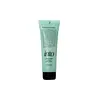
This salicylic acid gel cleanser is formulated around Salicylic Acid to clear breakouts and unclog pores.

What's inside
What's inside
 Key Ingredients
Benefits
Concerns
Ingredients Side-by-side
Water
Skin ConditioningDisodium Laureth Sulfosuccinate
CleansingAcrylates Copolymer
Cocamidopropyl Betaine
Cleansing



Sodium Lauroyl Sarcosinate
CleansingCocamide DEA
Emulsifying
Coco-Glucoside
Cleansing
Triethanolamine
BufferingMicrocrystalline Cellulose
AbsorbentLactose
HumectantHydroxypropyl Methylcellulose
Emulsion StabilisingTitanium Dioxide
Cosmetic Colorant

Glycerin
Humectant


Salicylic Acid
Masking







Dextrin
AbsorbentPolydextrose
HumectantAmylopectin
Niacinamide
Smoothing




Phenoxyethanol
Preservative
Ethylhexylglycerin
Skin ConditioningPolysorbate 20
Emulsifying
Panthenol
Skin Conditioning
Tocopheryl Acetate
Antioxidant

Sodium Hyaluronate
Humectant
Cucumis Sativus Seed
Exfoliating
Camellia Sinensis Leaf Extract
Antimicrobial
Centella Asiatica Extract
Cleansing
Curcuma Longa Root Extract
Antioxidant
Vitis Vinifera Seed Extract
Antimicrobial
Gluconolactone
Skin Conditioning
Sodium Benzoate
Masking
Calcium Gluconate
HumectantSqualane
Emollient
Caprylic/Capric Triglyceride
Masking
Arginine
Masking
Disodium EDTA
Water, Disodium Laureth Sulfosuccinate, Acrylates Copolymer, Cocamidopropyl Betaine, Sodium Lauroyl Sarcosinate, Cocamide DEA, Coco-Glucoside, Triethanolamine, Microcrystalline Cellulose, Lactose, Hydroxypropyl Methylcellulose, Titanium Dioxide, Glycerin, Salicylic Acid, Dextrin, Polydextrose, Amylopectin, Niacinamide, Phenoxyethanol, Ethylhexylglycerin, Polysorbate 20, Panthenol, Tocopheryl Acetate, Sodium Hyaluronate, Cucumis Sativus Seed, Camellia Sinensis Leaf Extract, Centella Asiatica Extract, Curcuma Longa Root Extract, Vitis Vinifera Seed Extract, Gluconolactone, Sodium Benzoate, Calcium Gluconate, Squalane, Caprylic/Capric Triglyceride, Arginine, Disodium EDTA
Water
Skin ConditioningSodium C14-16 Olefin Sulfonate
Cleansing
Sodium Cocoamphoacetate
CleansingCocamide Mea
Emulsifying
Coco-Betaine
Cleansing
Sodium Lauroyl Sarcosinate
CleansingCoco-Glucoside
Cleansing
Decyl Glucoside
Cleansing
PEG-150 Distearate
Emulsifying
Panthenol
Skin Conditioning
Glycerin
Humectant
Gluconolactone
Skin Conditioning
Phenoxyethanol
Preservative
Ethylhexylglycerin
Skin ConditioningParfum
Masking
Lactobacillus/Aloe Barbadensis Ferment Filtrate
Skin ConditioningSpinacia Oleracea Leaf Extract
Skin ConditioningCucumis Sativus Extract
Skin Conditioning
Ocimum Sanctum Leaf Extract
Skin ConditioningAzadirachta Indica Leaf Extract
Skin ConditioningCamellia Sinensis Leaf Extract
Antimicrobial
Moringa Oleifera Leaf Extract
Skin ConditioningCoriandrum Sativum Leaf Extract
AntimicrobialMedicago Sativa Extract
TonicLactococcus Ferment Lysate
Skin Conditioning
Bifida Ferment Lysate
Skin Conditioning
CI 75810
Cosmetic ColorantWater, Sodium C14-16 Olefin Sulfonate, Sodium Cocoamphoacetate, Cocamide Mea, Coco-Betaine, Sodium Lauroyl Sarcosinate, Coco-Glucoside, Decyl Glucoside, PEG-150 Distearate, Panthenol, Glycerin, Gluconolactone, Phenoxyethanol, Ethylhexylglycerin, Parfum, Lactobacillus/Aloe Barbadensis Ferment Filtrate, Spinacia Oleracea Leaf Extract, Cucumis Sativus Extract, Ocimum Sanctum Leaf Extract, Azadirachta Indica Leaf Extract, Camellia Sinensis Leaf Extract, Moringa Oleifera Leaf Extract, Coriandrum Sativum Leaf Extract, Medicago Sativa Extract, Lactococcus Ferment Lysate, Bifida Ferment Lysate, CI 75810
Ingredients Explained
These ingredients are found in both products.
Ingredients higher up in an ingredient list are typically present in a larger amount.
Camellia Sinensis Leaf Extract (tea extract) is one of the most well-researched plant extracts in skincare with an impressive resume.
Black tea, green tea, and oolong tea are all harvested from the Camellia Sinensis plant.
Studies show green tea extract and its catechins (like epigallocatechin gallate (EGCG)) help your skin cells product energy more efficiently and reducing the number of free-radicals that can damage your skin from the inside.
In lab-grown skin models, this translated to younger, healthier, and stronger skin.
There's also good sun protection data; researchers saw less DNA damage and redness on human skin when green tea was applied before UVB exposure. And the more they applied, the better the protection.
Needless to say, this ingredient shouldn't replace your sunscreen. But it is a great supportive ingredient that you can already find in many sunscreens and antioxidant serums.
A 2009 study found a 2% green tea lotion was effective for mild-to-moderate acne thanks to its anti-inflammatory and mild antimicrobial activity.
The quality of the extract matters a lot here:
Good extracts contain 50-90% catechins while lower quality ones are mostly there for marketing. We recommend reaching out to the brand if you have questions about the quality or source of their ingredients.
Human Repeated Insult Patch Testing showed no irritation or sensitization at use concentrations (0.86% in leave-on products and up to 30% as leaf water).
Learn more about Camellia Sinensis Leaf ExtractCoco-Glucoside is a surfactant, or a cleansing ingredient. It is made from glucose and coconut oil.
Surfactants help gather dirt, oil, and other pollutants from your skin to be rinsed away.
This ingredient is considered gentle and non-comedogenic. However, it may still be irritating for some.
Learn more about Coco-GlucosideEthylhexylglycerin is created from glycerin. It is a multitasker ingredient that:
The CIR Expert Panel found minimal skin absorption or sensitization of any kind in a safety assessment. Though this ingredient is considered well-tolerated, a small number of cases of allergic dermatitis have been published since 2002. Just be sure to patch test if you are unsure.
Industry-reported use ranges from 8% in rinse-off products and 2% in leave-on formulations.
Learn more about EthylhexylglycerinGluconolactone is a PHA. PHAs are a great gentle alternative to traditional AHAs.
When applied, Gluconolactone has the same affect on skin as AHAs such as lactic acid. It helps dissolve the dead skin cells in the top layer of your skin. This improves texture and brightens the skin.
PHAs are more gentle than AHAs due to their larger structure. They do not penetrate as deeply as AHAs and take a longer time to dissolve dead cells. Studies show PHAs do not cause as much irritation.
Gluconolactone has some interesting properties:
In a 2004 study, Gluconolactone was found to prevent UV damage in mouse skin cells and has not been found to increase sun sensitivity. However, we still recommend wearing SPF daily.
This ingredient is is an created by reacting gluconic acid with an alcohol.
Learn more about GluconolactoneGlycerin (or glycerol) is a compound naturally found in your skin. It's a powerhouse humectant that pulls water into the stratum corneum.
Topically, glycerin does several things at once:
Your skin makes glycerin on its own (mostly from sebaceous oil breakdown) and shuttles it to your outermost layer of skin, or your epidermis, via aquaporin-3.
Aquaporin-3 is a transporter that is essential for normal skin hydration, elasticity, and repair. Interestingly, mice lacking in AQP3 have dry and less elastic skin that can be fully corrected with glycerin.
This ingredient is non-irritating, plays well with almost every ingredient, and works across all skin types. Typical use is anywhere between 3-10% but can go up to 79% in some leave-on products.
Just know very high concentrations (>40%) can feel tacky in low humidity.
Glycerin is the name for this ingredient in American English. British English uses Glycerol/Glycerine.
Learn more about GlycerinPanthenol is a common ingredient that helps hydrate and soothe the skin. It is found naturally in our skin and hair.
There are two forms of panthenol: D and L.
D-panthenol is also known as dexpanthenol. Most cosmetics use dexpanthenol or a mixture of D and L-panthenol.
Panthenol is famous due to its ability to go deeper into the skin's layers. Using this ingredient has numerous pros (and no cons):
Like hyaluronic acid, panthenol is a humectant. Humectants are able to bind and hold large amounts of water to keep skin hydrated.
This ingredient works well for wound healing. It works by increasing tissue in the wound and helps close open wounds.
Once oxidized, panthenol converts to pantothenic acid. Panthothenic acid is found in all living cells.
This ingredient is also referred to as pro-vitamin B5.
Learn more about PanthenolPhenoxyethanol is one of the most widely used preservatives in skincare (and for good reason!).
It has a large spectrum of antimicrobial activity and especially effective bacteria, yeast, and mold while only having a weak effect on your skin's natural microbiome.
On a cellular level, it disrupts the cell membranes of microbes by poking holes that make the cell leak. This shuts down the chemical reactions the microbe needs to make energy so it can no longer survive.
Another perk of this ingredient is that it stays functional across a wide pH range (3-10).
You'll often see it paired with boosters like Ethylhexylglycerin; one study showed that a 1:9 ratio of Ethylhexylglycerin to Phenoxyethanol damages bacterial membranes as effectively as doubling the Phenoxyethanol concentration on its own.
Typical use concentrations range from 0.3-1% depending on the formula, and this ingredient is capped at 1% int the EU.
Safety-wise, the fear mongering does not hold up to the evidence. The EU's Scientific Committee on Consumer Safety and FDA consider it safe as a preservative at up to 1%, including for children of all ages.
Adverse systemic effects only showed up in animal studies at exposures roughly 200x higher than what people get from cosmetics. And despite its very widespread use, this ingredient is a rare sensitizer and allergic reactions are uncommon.
Learn more about PhenoxyethanolSodium Lauroyl Sarcosinate is a cleansing agent and emulsifier. It is a surfactant derived from sarcosine, and a common source is coconut oil.
As a surfactant, Sodium Lauroyl Sarcosinate helps lift dirts, oil, and other molecules to be washed away. In leave-on products, this ingredient is used as an emulsifier. Emulsifier help prevent ingredients such as oils and waters from separating.
Sodium Lauroyl Sarcosinate is also commonly found as a foaming agent in shampoo, toothpaste, and shaving foam. It is amphiphilic, meaning it loves both water and fats.
Learn more about Sodium Lauroyl SarcosinateWater. It's the most common cosmetic ingredient of all. You'll usually see it at the top of ingredient lists, meaning that it makes up the largest part of the product.
So why is it so popular? Water most often acts as a solvent - this means that it helps dissolve other ingredients into the formulation.
You'll also recognize water as that liquid we all need to stay alive. If you see this, drink a glass of water. Remember to stay hydrated!
Learn more about Water

