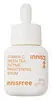
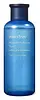
innisfree Vitamin C Green Tea Enzyme Brightening Serum Versus innisfree Moisture Plumping Serum with Lava Seawater
This brightening serum is formulated around 3-O-Ethyl Ascorbic Acid and Gluconolactone to brighten dull-looking skin and refine skin texture.
This barrier-repair serum is formulated around Niacinamide to strengthen the skin barrier.

What's inside
What's inside
 Key Ingredients
Benefits
Concerns
Ingredients Side-by-side
Water
Skin ConditioningPropanediol
Solvent

Glycerin
Humectant
1,2-Hexanediol
Skin Conditioning
3-O-Ethyl Ascorbic Acid
Skin Conditioning




Betaine
Humectant
Erythritol
Humectant
Butylene Glycol
Humectant
Lactobacillus Ferment Lysate
Skin Conditioning
Squalane
Emollient
Helianthus Annuus Seed Oil
Emollient


Acrylates/C10-30 Alkyl Acrylate Crosspolymer
Emulsion StabilisingDextrin
AbsorbentXanthan Gum
EmulsifyingTromethamine
BufferingGluconolactone
Chelating


Citrus Unshiu Peel Extract
MaskingPanthenol
Skin Conditioning
Carnosine
Skin Conditioning
Niacinamide
Smoothing

Allantoin
Skin Conditioning
Hyaluronic Acid
Humectant
Caprylic/Capric Triglyceride
Masking
Daucus Carota Sativa Root Extract
Skin Conditioning
Pentylene Glycol
Skin Conditioning
Sodium Metaphosphate
BufferingSilica Dimethyl Silylate
EmollientTocopherol
Antioxidant

Ethylhexylglycerin
Skin ConditioningCyclodextrin
AbsorbentMadecassoside
Antioxidant
Ascorbyl Tetraisopalmitate
Antioxidant
Salix Alba Bark Extract
Astringent
Dipotassium Glycyrrhizate
Humectant
Protease
Exfoliating
Tranexamic Acid
Astringent
Glutathione
Achillea Millefolium Extract
CleansingSodium Hyaluronate
Humectant
Beta-Carotene
Skin ConditioningFerulic Acid
Antimicrobial
Hydrolyzed Hyaluronic Acid
Humectant
Sodium Hyaluronate Crosspolymer
Humectant
Sodium Acetylated Hyaluronate
Humectant
Water, Propanediol, Glycerin, 1,2-Hexanediol, 3-O-Ethyl Ascorbic Acid, Betaine, Erythritol, Butylene Glycol, Lactobacillus Ferment Lysate, Squalane, Helianthus Annuus Seed Oil, Acrylates/C10-30 Alkyl Acrylate Crosspolymer, Dextrin, Xanthan Gum, Tromethamine, Gluconolactone, Citrus Unshiu Peel Extract, Panthenol, Carnosine, Niacinamide, Allantoin, Hyaluronic Acid, Caprylic/Capric Triglyceride, Daucus Carota Sativa Root Extract, Pentylene Glycol, Sodium Metaphosphate, Silica Dimethyl Silylate, Tocopherol, Ethylhexylglycerin, Cyclodextrin, Madecassoside, Ascorbyl Tetraisopalmitate, Salix Alba Bark Extract, Dipotassium Glycyrrhizate, Protease, Tranexamic Acid, Glutathione, Achillea Millefolium Extract, Sodium Hyaluronate, Beta-Carotene, Ferulic Acid, Hydrolyzed Hyaluronic Acid, Sodium Hyaluronate Crosspolymer, Sodium Acetylated Hyaluronate
Sea Water
HumectantGlycerin
Humectant
Propanediol
Solvent
Alcohol
Antimicrobial



Betaine
Humectant
Butylene Glycol
Humectant
Dimethicone
Emollient
Niacinamide
Smoothing
1,2-Hexanediol
Skin Conditioning
Silica
Abrasive
Cyclopentasiloxane
Emollient
Cetearyl Alcohol
Emollient


Water
Skin ConditioningGlyceryl Stearate
Emollient
Dimethiconol
Emollient
Tromethamine
BufferingAcrylates/C10-30 Alkyl Acrylate Crosspolymer
Emulsion StabilisingHydrogenated Lecithin
Emulsifying
Parfum
Masking

Carbomer
Emulsion StabilisingStearic Acid
Cleansing
Polyglyceryl-3 Methylglucose Distearate
Emulsifying
Palmitic Acid
Emollient
Adenosine
Skin Conditioning
Disodium EDTA
ChelatingEthylhexylglycerin
Skin ConditioningMineral Salts
Skin ConditioningMyristic Acid
Cleansing
Lauric Acid
Cleansing
Sea Water, Glycerin, Propanediol, Alcohol, Betaine, Butylene Glycol, Dimethicone, Niacinamide, 1,2-Hexanediol, Silica, Cyclopentasiloxane, Cetearyl Alcohol, Water, Glyceryl Stearate, Dimethiconol, Tromethamine, Acrylates/C10-30 Alkyl Acrylate Crosspolymer, Hydrogenated Lecithin, Parfum, Carbomer, Stearic Acid, Polyglyceryl-3 Methylglucose Distearate, Palmitic Acid, Adenosine, Disodium EDTA, Ethylhexylglycerin, Mineral Salts, Myristic Acid, Lauric Acid
Reviews
Ingredients Explained
These ingredients are found in both products.
Ingredients higher up in an ingredient list are typically present in a larger amount.
1,2-Hexanediol is a synthetic liquid and another multi-functional powerhouse.
It is a:
- Humectant, drawing moisture into the skin
- Emollient, helping to soften skin
- Solvent, dispersing and stabilizing formulas
- Preservative booster, enhancing the antimicrobial activity of other preservatives
Acrylates/C10-30 Alkyl Acrylate Crosspolymer is a synthetic polymer. It is used to thicken, emulsify, and improve the texture of products.
As an emulsifier, it helps stabilize oil-in-water emulsions to give products an elegant feel when applied.
It can also form a thin protective film on skin. One study found that a formula using this polymer helped slow down how quickly other ingredients (like DEET) were absorbed through skin.
A 2024 study of over 1,300 patients confirmed that sensitization to this ingredient is rare. It is also non-mutagenic and has a clean track record.
Learn more about Acrylates/C10-30 Alkyl Acrylate CrosspolymerBetaine is a humectant. Like hyaluronic acid, it helps attract and retain moisture in the skin. It’s known for being gentle and for helping the skin maintain balanced hydration.
Betaine is mainly used to improve hydration and support calmer skin. It helps skin cells regulate water balance because it functions as an osmolyte.
Some studies suggest betaine may support making skin tone more even.
Fun fact: Betaine naturally exists in the skin and the body. In cosmetic products, it can be either plant-derived (most commonly from sugar beets) or synthetically produced for consistency and stability.
Betaine is also known as trimethylglycine.
Learn more about BetaineButylene Glycol (or BG) is used within cosmetic products for a few different reasons:
Overall, Butylene Glycol is a safe and well-rounded ingredient that works well with other ingredients.
Though this ingredient works well with most skin types, some people with sensitive skin may experience a reaction such as allergic rashes, closed comedones, or itchiness.
Learn more about Butylene GlycolEthylhexylglycerin is created from glycerin. It is a multitasker ingredient that:
The CIR Expert Panel found minimal skin absorption or sensitization of any kind in a safety assessment. Though this ingredient is considered well-tolerated, a small number of cases of allergic dermatitis have been published since 2002. Just be sure to patch test if you are unsure.
Industry-reported use ranges from 8% in rinse-off products and 2% in leave-on formulations.
Learn more about EthylhexylglycerinGlycerin (or glycerol) is a compound naturally found in your skin. It's a powerhouse humectant that pulls water into the stratum corneum.
Topically, glycerin does several things at once:
Your skin makes glycerin on its own (mostly from sebaceous oil breakdown) and shuttles it to your outermost layer of skin, or your epidermis, via aquaporin-3.
Aquaporin-3 is a transporter that is essential for normal skin hydration, elasticity, and repair. Interestingly, mice lacking in AQP3 have dry and less elastic skin that can be fully corrected with glycerin.
This ingredient is non-irritating, plays well with almost every ingredient, and works across all skin types. Typical use is anywhere between 3-10% but can go up to 79% in some leave-on products.
Just know very high concentrations (>40%) can feel tacky in low humidity.
Glycerin is the name for this ingredient in American English. British English uses Glycerol/Glycerine.
Learn more about GlycerinNiacinamide is a multitasking form of vitamin B3 that strengthens the skin barrier, reduces pores and dark spots, regulates oil, and improves signs of aging.
And the best part? It's gentle and well-tolerated by most skin types, including sensitive and reactive skin.
You might have heard of "niacin flush", or the reddening of skin that causes itchiness. Niacinamide has not been found to cause this.
In very rare cases, some individuals may not be able to tolerate niacinamide at all or experience an allergic reaction to it.
If you are experiencing flaking, irritation, and dryness with this ingredient, be sure to double check all your products as this ingredient can be found in all categories of skincare.
When incorporating niacinamide into your routine, look out for concentration amounts. Typically, 5% niacinamide provides benefits such as fading dark spots. However, if you have sensitive skin, it is better to begin with a smaller concentration.
When you apply niacinamide to your skin, your body converts it into nicotinamide adenine dinucleotide (NAD). NAD is an essential coenzyme that is already found in your cells as "fuel" and powers countless biological processes.
In your skin, NAD helps repair cell damage, produce new healthy cells, support collagen production, strengthen the skin barrier, and fight environmental stressors (like UV and pollution).
Our natural NAD levels start to decline with age, leading to slower skin repair, visible aging, and a weaker skin barrier. By providing your skin niacinamide, you're recharging your skin's NAD levels. This leads to stronger, healthier, and younger looking skin.
Another name for vitamin B3 is nicotinamide. This vitamin is water-soluble and our bodies don't store it. We obtain Vitamin B3 from either food or skincare. Meat, fish, wheat, yeast, and leafy greens contain vitamin B3.
The type of niacinamide used in skincare is synthetically created.
Learn more about NiacinamidePropanediol is an all-star ingredient. It softens, hydrates, and smooths the skin.
It’s often used to:
Propanediol is not likely to cause sensitivity and considered safe to use. It is derived from corn or petroleum with a clear color and no scent.
Learn more about PropanediolTromethamine (aka THAM) is a synthetic amino acid that shows up in skincare as a helper ingredient.
It functions as a pH adjuster to help neutralize acidic ingredients and set a formula's pH to the right spot.
This matters a lot because a lot of actives (like vitamin C) needs a specific pH to work well and feel comfortable on skin.
Concentration use ranges from 0.1-1.0% depending on the formula.
Learn more about TromethamineWater. It's the most common cosmetic ingredient of all. You'll usually see it at the top of ingredient lists, meaning that it makes up the largest part of the product.
So why is it so popular? Water most often acts as a solvent - this means that it helps dissolve other ingredients into the formulation.
You'll also recognize water as that liquid we all need to stay alive. If you see this, drink a glass of water. Remember to stay hydrated!
Learn more about Water

