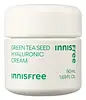
This barrier-repair moisturizer is formulated around Squalane and Hyaluronic Acid to strengthen the skin barrier and hydrate skin.
This moisturizer is formulated around Sh-Oligopeptide-1 and Sh-Polypeptide-22 to soften signs of aging and support scar healing.

What's inside
What's inside
 Key Ingredients
Benefits
Concerns
Ingredients Side-by-side
Water
Skin ConditioningPropanediol
Solvent

Glycerin
Humectant
Stearyl Dimethicone
Emollient
Methyl Trimethicone
Skin Conditioning
Pentaerythrityl Tetraethylhexanoate
Emollient
Butylene Glycol Dicaprylate/Dicaprate
EmollientGlyceryl Polymethacrylate
1,2-Hexanediol
Skin Conditioning
Polymethylsilsesquioxane
Squalane
Emollient
Hydroxyethyl Acrylate/Sodium Acryloyldimethyl Taurate Copolymer
Emulsion StabilisingPolyglyceryl-3 Methylglucose Distearate
Emulsifying

Carbomer
Emulsion StabilisingHydrogenated Lecithin
Emulsifying
Cholesterol
Emollient
Glyceryl Stearate
Emollient
Tromethamine
BufferingSodium Stearoyl Glutamate
CleansingLactobacillus Ferment Lysate
Skin Conditioning
Hyaluronic Acid
Humectant
Panthenol
Skin Conditioning
Allantoin
Skin Conditioning
Sodium Metaphosphate
BufferingCamellia Sinensis Seed Oil
Humectant
Cetearyl Alcohol
Emollient




Xanthan Gum
EmulsifyingGlyceryl Caprylate
EmollientButylene Glycol
Humectant
Ethylhexylglycerin
Skin ConditioningSorbitan Isostearate
Emulsifying
Sodium Hyaluronate
Humectant
Camellia Sinensis Leaf Extract
Antimicrobial



Madecassoside
Antioxidant
Lactic Acid
Buffering


Dextrin
AbsorbentTheobroma Cacao Extract
Skin ConditioningHydrolyzed Hyaluronic Acid
Humectant
Sodium Hyaluronate Crosspolymer
Humectant
Camellia Sinensis Seed Extract
Humectant
Ceramide NP
Skin Conditioning
Tocopherol
Antioxidant
Phytosphingosine
Skin Conditioning
Sodium Acetylated Hyaluronate
Humectant
Water, Propanediol, Glycerin, Stearyl Dimethicone, Methyl Trimethicone, Pentaerythrityl Tetraethylhexanoate, Butylene Glycol Dicaprylate/Dicaprate, Glyceryl Polymethacrylate, 1,2-Hexanediol, Polymethylsilsesquioxane, Squalane, Hydroxyethyl Acrylate/Sodium Acryloyldimethyl Taurate Copolymer, Polyglyceryl-3 Methylglucose Distearate, Carbomer, Hydrogenated Lecithin, Cholesterol, Glyceryl Stearate, Tromethamine, Sodium Stearoyl Glutamate, Lactobacillus Ferment Lysate, Hyaluronic Acid, Panthenol, Allantoin, Sodium Metaphosphate, Camellia Sinensis Seed Oil, Cetearyl Alcohol, Xanthan Gum, Glyceryl Caprylate, Butylene Glycol, Ethylhexylglycerin, Sorbitan Isostearate, Sodium Hyaluronate, Camellia Sinensis Leaf Extract, Madecassoside, Lactic Acid, Dextrin, Theobroma Cacao Extract, Hydrolyzed Hyaluronic Acid, Sodium Hyaluronate Crosspolymer, Camellia Sinensis Seed Extract, Ceramide NP, Tocopherol, Phytosphingosine, Sodium Acetylated Hyaluronate
Water
Skin ConditioningGlycerin
Humectant
Propanediol
Solvent
1,2-Hexanediol
Skin Conditioning
Betaine
Humectant
Pentylene Glycol
Skin Conditioning
Polymethylsilsesquioxane
Sodium Acrylate/Sodium Acryloyldimethyl Taurate Copolymer
Emulsion StabilisingCyclohexasiloxane
Emollient
Isohexadecane
EmollientHydroxyethyl Acrylate/Sodium Acryloyldimethyl Taurate Copolymer
Emulsion StabilisingCyclopentasiloxane
Emollient
Acrylates/C10-30 Alkyl Acrylate Crosspolymer
Emulsion StabilisingTromethamine
BufferingPolysorbate 80
Emulsifying
Ethylhexylglycerin
Skin ConditioningSorbitan Oleate
Emulsifying
Disodium EDTA
Glyceryl Acrylate/Acrylic Acid Copolymer
HumectantCaprylyl Glycol
Emollient
Hydrogenated Lecithin
Emulsifying
Cetraria Islandica Extract
CleansingYeast Ferment Extract
Skin ConditioningXanthan Gum
EmulsifyingPhenoxyethanol
Preservative
Alanine
Masking
Proline
Skin Conditioning
Serine
Masking
Sodium Phosphate
BufferingSodium Hydroxide
BufferingSh-Oligopeptide-1
Skin Conditioning
Sh-Polypeptide-1
Skin Conditioning
Sh-Oligopeptide-2
Skin Conditioning
Sh-Polypeptide-22
Skin Conditioning
Sh-Polypeptide-45
Skin Conditioning
Sh-Polypeptide-8
Humectant
Sh-Polypeptide-9
Skin Conditioning
Water, Glycerin, Propanediol, 1,2-Hexanediol, Betaine, Pentylene Glycol, Polymethylsilsesquioxane, Sodium Acrylate/Sodium Acryloyldimethyl Taurate Copolymer, Cyclohexasiloxane, Isohexadecane, Hydroxyethyl Acrylate/Sodium Acryloyldimethyl Taurate Copolymer, Cyclopentasiloxane, Acrylates/C10-30 Alkyl Acrylate Crosspolymer, Tromethamine, Polysorbate 80, Ethylhexylglycerin, Sorbitan Oleate, Disodium EDTA, Glyceryl Acrylate/Acrylic Acid Copolymer, Caprylyl Glycol, Hydrogenated Lecithin, Cetraria Islandica Extract, Yeast Ferment Extract, Xanthan Gum, Phenoxyethanol, Alanine, Proline, Serine, Sodium Phosphate, Sodium Hydroxide, Sh-Oligopeptide-1, Sh-Polypeptide-1, Sh-Oligopeptide-2, Sh-Polypeptide-22, Sh-Polypeptide-45, Sh-Polypeptide-8, Sh-Polypeptide-9
Reviews
Ingredients Explained
These ingredients are found in both products.
Ingredients higher up in an ingredient list are typically present in a larger amount.
1,2-Hexanediol is a synthetic liquid and another multi-functional powerhouse.
It is a:
- Humectant, drawing moisture into the skin
- Emollient, helping to soften skin
- Solvent, dispersing and stabilizing formulas
- Preservative booster, enhancing the antimicrobial activity of other preservatives
Ethylhexylglycerin is created from glycerin. It is a multitasker ingredient that:
The CIR Expert Panel found minimal skin absorption or sensitization of any kind in a safety assessment. Though this ingredient is considered well-tolerated, a small number of cases of allergic dermatitis have been published since 2002. Just be sure to patch test if you are unsure.
Industry-reported use ranges from 8% in rinse-off products and 2% in leave-on formulations.
Learn more about EthylhexylglycerinGlycerin (or glycerol) is a compound naturally found in your skin. It's a powerhouse humectant that pulls water into the stratum corneum.
Topically, glycerin does several things at once:
Your skin makes glycerin on its own (mostly from sebaceous oil breakdown) and shuttles it to your outermost layer of skin, or your epidermis, via aquaporin-3.
Aquaporin-3 is a transporter that is essential for normal skin hydration, elasticity, and repair. Interestingly, mice lacking in AQP3 have dry and less elastic skin that can be fully corrected with glycerin.
This ingredient is non-irritating, plays well with almost every ingredient, and works across all skin types. Typical use is anywhere between 3-10% but can go up to 79% in some leave-on products.
Just know very high concentrations (>40%) can feel tacky in low humidity.
Glycerin is the name for this ingredient in American English. British English uses Glycerol/Glycerine.
Learn more about GlycerinHydrogenated Lecithin is a more stable version of lecithin.
It's made by taking lecithin (a phospholipid commonly found in soybeans and egg yolks) and hydrogenating it. This just means the unsaturated fatty acids are turned into saturated ones so they don't go bad as easily.
This ingredient is an emollient, emulsifier, and penetration enhancer. As an emollient, it helps soften and hydrate skin by trapping moisture within. As an emulsifier, it prevents oil and water ingredients from separating.
Hydrogenated Lecithin can form tiny spherical structures made of phospholipid bilayers called liposomes. These liposomes are able to capture compounds inside their structure and deliver them through the skin barrier.
Because phospholipids are a natural component of our cell membranes, this ingredient is inherently compatible with skin.
A 2021 study found lecithin-based surfactants were less harsh and more tolerable comared to Sodium Lauryl Sulfate (SLS).
Learn more about Hydrogenated LecithinThis is a synthetic polymer. It helps improve the texture of products by adding thickness and gel-like feel.
It is also an emulsifer, meaning it prevents ingredients such as oil and water from separating. It also helps evenly disperse other ingredients.
Polymethylsilsesquioxane is a silicone used as a film forming agent.
When applied to the skin, this ingredient creates an invisible film on the surface. This film still allows oxygen to pass through, but prevents moisture from escaping. This can help condition and hydrate the skin. It also leaves a silky feel when applied.
Polymethylsilsesquioxane has not been shown to clog pores. It has been deemed safe to use up to 55%, but most cosmetics use much less.
If you have concerns about using this ingredient, we recommend speaking with a professional.
Learn more about PolymethylsilsesquioxanePropanediol is an all-star ingredient. It softens, hydrates, and smooths the skin.
It’s often used to:
Propanediol is not likely to cause sensitivity and considered safe to use. It is derived from corn or petroleum with a clear color and no scent.
Learn more about PropanediolTromethamine (aka THAM) is a synthetic amino acid that shows up in skincare as a helper ingredient.
It functions as a pH adjuster to help neutralize acidic ingredients and set a formula's pH to the right spot.
This matters a lot because a lot of actives (like vitamin C) needs a specific pH to work well and feel comfortable on skin.
Concentration use ranges from 0.1-1.0% depending on the formula.
Learn more about TromethamineWater. It's the most common cosmetic ingredient of all. You'll usually see it at the top of ingredient lists, meaning that it makes up the largest part of the product.
So why is it so popular? Water most often acts as a solvent - this means that it helps dissolve other ingredients into the formulation.
You'll also recognize water as that liquid we all need to stay alive. If you see this, drink a glass of water. Remember to stay hydrated!
Learn more about WaterXanthan gum is used as a stabilizer and thickener within cosmetic products. It helps give products a sticky, thick feeling - preventing them from being too runny.
On the technical side of things, xanthan gum is a polysaccharide - a combination consisting of multiple sugar molecules bonded together.
Xanthan gum is a pretty common and great ingredient. It is a natural, non-toxic, non-irritating ingredient that is also commonly used in food products.
Learn more about Xanthan Gum

