
What's inside
What's inside
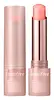 Key Ingredients
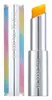
Benefits
Concerns
Ingredients Side-by-side
Polyisobutene
Phytosteryl/Isostearyl/Cetyl/Stearyl/Behenyl Dimer Dilinoleate
Skin Conditioning

Octyldodecyl Neopentanoate
EmollientDiisostearyl Malate
EmollientPentaerythrityl Tetraisostearate
Emollient
Phytosteryl/Octyldodecyl Lauroyl Glutamate
Skin ConditioningPentaerythrityl Tetraethylhexanoate
Emollient
Synthetic Wax
Abrasive

Paraffin
Skin Conditioning
Microcrystalline Wax
Emulsion StabilisingCamellia Japonica Seed Oil
Emollient
Astrocaryum Murumuru Seed Butter
Emollient

Eucalyptus Globulus Leaf Oil
Perfuming


Polyhydroxystearic Acid
Emulsifying
Ethylhexyl Palmitate
Emollient
Lecithin
Emollient
Isostearic Acid
Cleansing
Isopropyl Palmitate
Emollient
Limonene
Perfuming
CI 45380
Cosmetic ColorantPolyglyceryl-3 Polyricinoleate
Emulsifying
Polyglyceryl-2 Triisostearate
Emulsifying
CI 45410
Cosmetic ColorantCI 77891
Cosmetic ColorantCI 15985
Cosmetic ColorantPolyglyceryl-2 Diisostearate
Emulsifying
Glycerin
Humectant
Tocopherol
Antioxidant





Ceramide NP
Skin Conditioning

Phytosphingosine
Skin Conditioning
Hyaluronic Acid
Humectant
Hydrogenated Lecithin
Emulsifying
Polyisobutene, Phytosteryl/Isostearyl/Cetyl/Stearyl/Behenyl Dimer Dilinoleate, Octyldodecyl Neopentanoate, Diisostearyl Malate, Pentaerythrityl Tetraisostearate, Phytosteryl/Octyldodecyl Lauroyl Glutamate, Pentaerythrityl Tetraethylhexanoate, Synthetic Wax, Paraffin, Microcrystalline Wax, Camellia Japonica Seed Oil, Astrocaryum Murumuru Seed Butter, Eucalyptus Globulus Leaf Oil, Polyhydroxystearic Acid, Ethylhexyl Palmitate, Lecithin, Isostearic Acid, Isopropyl Palmitate, Limonene, CI 45380, Polyglyceryl-3 Polyricinoleate, Polyglyceryl-2 Triisostearate, CI 45410, CI 77891, CI 15985, Polyglyceryl-2 Diisostearate, Glycerin, Tocopherol, Ceramide NP, Phytosphingosine, Hyaluronic Acid, Hydrogenated Lecithin
Pentaerythrityl Tetraisostearate
Emollient
Octyldodecanol
Emollient
Tridecyl Trimellitate
EmollientOzokerite
Emulsion StabilisingDiisostearyl Malate
EmollientBis-Diglyceryl Polyacyladipate-2
Emollient
Squalane
Emollient
Polyisobutene
Beeswax
Emulsion Stabilising
Polyethylene
Abrasive
Polyglyceryl-2 Triisostearate
Emulsifying
Tocopheryl Acetate
Antioxidant
Glyceryl Caprylate
EmollientSilica Dimethyl Silylate
EmollientCitric Acid
Buffering
Pentaerythrityl Tetra-Di-T-Butyl Hydroxyhydrocinnamate
Antioxidant
Triethoxycaprylylsilane

Aluminum Hydroxide
EmollientGlycerin
Humectant
Honey
Humectant
CI 45380
Cosmetic ColorantCI 19140
Cosmetic ColorantCI 77891
Cosmetic ColorantCI 15850
Cosmetic ColorantPentaerythrityl Tetraisostearate, Octyldodecanol, Tridecyl Trimellitate, Ozokerite, Diisostearyl Malate, Bis-Diglyceryl Polyacyladipate-2, Squalane, Polyisobutene, Beeswax, Polyethylene, Polyglyceryl-2 Triisostearate, Tocopheryl Acetate, Glyceryl Caprylate, Silica Dimethyl Silylate, Citric Acid, Pentaerythrityl Tetra-Di-T-Butyl Hydroxyhydrocinnamate, Triethoxycaprylylsilane, Aluminum Hydroxide, Glycerin, Honey, CI 45380, CI 19140, CI 77891, CI 15850
Reviews
Ingredients Explained
These ingredients are found in both products.
Ingredients higher up in an ingredient list are typically present in a larger amount.
Ci 45380 is a synthetic dye that comes from coal or tar sources. Due to this, it is often used in small quantities.
A common name for this dye is Red 22. Red 22 imparts a warm reddish color.
Similar to Red 27, this dye changes color based on pH and moisture levels.
This dye is colorless when dry but turns pink between pH levels 0.0 to ~3.0.
Learn more about CI 45380Ci 77891 is a white pigment from Titanium dioxide. It is naturally found in minerals such as rutile and ilmenite.
It's main function is to add a white color to cosmetics. It can also be mixed with other colors to create different shades.
Ci 77891 is commonly found in sunscreens due to its ability to block UV rays.
Learn more about CI 77891Diisostearyl Malate is an emollient and most often used in lip products. It comes from isostearyl alcohol, a fatty acid, and malic acid, an AHA.
As an emollient, Diisostearyl Malate helps create a thin film on your skin to trap moisture in. This helps keep your skin soft and smooth.
Glycerin (or glycerol) is a compound naturally found in your skin. It's a powerhouse humectant that pulls water into the stratum corneum.
Topically, glycerin does several things at once:
Your skin makes glycerin on its own (mostly from sebaceous oil breakdown) and shuttles it to your outermost layer of skin, or your epidermis, via aquaporin-3.
Aquaporin-3 is a transporter that is essential for normal skin hydration, elasticity, and repair. Interestingly, mice lacking in AQP3 have dry and less elastic skin that can be fully corrected with glycerin.
This ingredient is non-irritating, plays well with almost every ingredient, and works across all skin types. Typical use is anywhere between 3-10% but can go up to 79% in some leave-on products.
Just know very high concentrations (>40%) can feel tacky in low humidity.
Glycerin is the name for this ingredient in American English. British English uses Glycerol/Glycerine.
Learn more about GlycerinPentaerythrityl Tetraisostearate is a synthetic emollient and "skin-feel" ingredient that spreads well and leaves a non-sticky finish with high gloss.
In makeup, it also doubles as a pigment-wetting agent for better color payoff.
It's a well-vetted ingredient for safety and does not penetrate into skin due to its large molecule size.
Because it's a long-chain fatty acid ester, this ingredient may not be fungal acne or Malassezia safe.
Learn more about Pentaerythrityl TetraisostearatePolyglyceryl-2 Triisostearate is a plant-derived emulsifier and pigment-dispersing agent with a non-sticky skin feel.
It helps products glide on smoothly and prevents oil and water from separating in a formula, making it suitable for sunscreen and makeup formulations.
The EU inventory of cosmetics has no use restrictions on this ingredient and it is considered well-tolerated.
This ingredient may not be fungal acne safe because it is derived from isostearic acid.
Learn more about Polyglyceryl-2 TriisostearatePolyisobutene is a synthetic polymer made from isobutene.
It is a film-forming agent and helps bind ingredients together.
Polyisobutene is not absorbed by the skin.
Learn more about Polyisobutene

