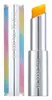
This barrier-repair lip moisturizer is formulated around Squalane and Honey to strengthen the lip barrier and hydrate lips.
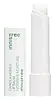
This lip moisturizer is formulated around Petrolatum and Honey Extract to hydrate lips.

What's inside
What's inside
 Key Ingredients
Benefits
Concerns
Ingredients Side-by-side
Pentaerythrityl Tetraisostearate
Emollient

Octyldodecanol
Emollient
Tridecyl Trimellitate
EmollientOzokerite
Emulsion StabilisingDiisostearyl Malate
EmollientBis-Diglyceryl Polyacyladipate-2
Emollient
Squalane
Emollient

Polyisobutene
Beeswax
Emulsion Stabilising


Polyethylene
Abrasive
Polyglyceryl-2 Triisostearate
Emulsifying
Tocopheryl Acetate
Antioxidant


Glyceryl Caprylate
EmollientSilica Dimethyl Silylate
EmollientCitric Acid
Buffering
Pentaerythrityl Tetra-Di-T-Butyl Hydroxyhydrocinnamate
Antioxidant
Triethoxycaprylylsilane

Aluminum Hydroxide
EmollientGlycerin
Humectant
Honey
Humectant
CI 45380
Cosmetic ColorantCI 19140
Cosmetic ColorantCI 77891
Cosmetic ColorantCI 15850
Cosmetic ColorantPentaerythrityl Tetraisostearate, Octyldodecanol, Tridecyl Trimellitate, Ozokerite, Diisostearyl Malate, Bis-Diglyceryl Polyacyladipate-2, Squalane, Polyisobutene, Beeswax, Polyethylene, Polyglyceryl-2 Triisostearate, Tocopheryl Acetate, Glyceryl Caprylate, Silica Dimethyl Silylate, Citric Acid, Pentaerythrityl Tetra-Di-T-Butyl Hydroxyhydrocinnamate, Triethoxycaprylylsilane, Aluminum Hydroxide, Glycerin, Honey, CI 45380, CI 19140, CI 77891, CI 15850
Petrolatum
Emollient

Polyglyceryl-2 Triisostearate
Emulsifying
Diisostearyl Malate
EmollientParaffinum Liquidum
Emollient
Jojoba Esters
Emollient
Hydrogenated Polyisobutene
EmollientPolyethylene
Abrasive
Meadowfoam Delta-Lactone
Skin ConditioningCholesteryl Hydroxystearate
EmollientHydrogenated Coco-Glycerides
Emollient
Euphorbia Cerifera Wax
Microcrystalline Wax
Emulsion StabilisingMangifera Indica Seed Butter
Skin Conditioning
Ceresin
Emulsion StabilisingPrunus Amygdalus Dulcis Oil
Skin Conditioning
Trihydroxystearin
Skin Conditioning
Phenoxyethanol
Preservative
Caprylyl Glycol
Emollient
Tocopheryl Acetate
Antioxidant
Glyceryl Caprylate
EmollientSimmondsia Chinensis Seed Oil
Emollient
Camellia Japonica Seed Oil
Emollient
Parfum
Masking

Tocopherol
Antioxidant

Tbhq
Antioxidant
Cymbopogon Schoenanthus Oil
Masking
Water
Skin ConditioningButylene Glycol
Humectant
Honey Extract
Humectant
Ethylhexylglycerin
Skin ConditioningPetrolatum, Polyglyceryl-2 Triisostearate, Diisostearyl Malate, Paraffinum Liquidum, Jojoba Esters, Hydrogenated Polyisobutene, Polyethylene, Meadowfoam Delta-Lactone, Cholesteryl Hydroxystearate, Hydrogenated Coco-Glycerides, Euphorbia Cerifera Wax, Microcrystalline Wax, Mangifera Indica Seed Butter, Ceresin, Prunus Amygdalus Dulcis Oil, Trihydroxystearin, Phenoxyethanol, Caprylyl Glycol, Tocopheryl Acetate, Glyceryl Caprylate, Simmondsia Chinensis Seed Oil, Camellia Japonica Seed Oil, Parfum, Tocopherol, Tbhq, Cymbopogon Schoenanthus Oil, Water, Butylene Glycol, Honey Extract, Ethylhexylglycerin
Reviews
Ingredients Explained
These ingredients are found in both products.
Ingredients higher up in an ingredient list are typically present in a larger amount.
Diisostearyl Malate is an emollient and most often used in lip products. It comes from isostearyl alcohol, a fatty acid, and malic acid, an AHA.
As an emollient, Diisostearyl Malate helps create a thin film on your skin to trap moisture in. This helps keep your skin soft and smooth.
Glyceryl Caprylate comes from glycerin and caprylic acid. It is an emollient, co-emulsifier, and preservative booster.
Its short C8 fatty acid chain makes it behave differently from its longer-chain emollient cousins like Glyceryl Stearate. It feels more lightweight, fast-absorbing, and silky instead of rich and waxy.
As a co-emulsifier, its "head" and "tail" sit at the oil-water interface. But overall, the short C8 tail and not being water soluble means it doesn't really have the muscle to emulsify a formula on its own. That's why you'll often see it paired with a primary emulsifier like Cetearyl Glucoside.
Interestingly, Glyceryl Caprylate acts as a preservative booster. This is because its fatty-acid backbone disrupts microbial lipid membranes. It shows excellent activity against bacteria and yeast but is weaker against mold.
Typical concentrations range from 0.5-1% and this ingredient is generally non-irritating.
Because this ingredient has a C8 fatty acid chain, it is outside the range that the Malassezia yeast metabolizes (making it fungal acne safe).
Learn more about Glyceryl CaprylatePolyethylene is a synthetic ingredient that helps the skin retain moisture. It is a polymer.
It is also typically used within product formulations to help bind solid ingredients together and thicken oil-based ingredients. When added to balms and emulsions, it helps increase the melting point temperature.
Polyglyceryl-2 Triisostearate is a plant-derived emulsifier and pigment-dispersing agent with a non-sticky skin feel.
It helps products glide on smoothly and prevents oil and water from separating in a formula, making it suitable for sunscreen and makeup formulations.
The EU inventory of cosmetics has no use restrictions on this ingredient and it is considered well-tolerated.
This ingredient may not be fungal acne safe because it is derived from isostearic acid.
Learn more about Polyglyceryl-2 TriisostearateTocopheryl Acetate is a stable, shelf-friendly form of vitamin E.
Formulators love it because plain vitamin E oxidizes quickly once it hits air. This acetate version stays stable and resists going off, helping to extend a product's shelf life.
It's actually inactive on its own and works like a slow-release "storage" form; the enzymes in your skin called esterases gradually convert it into active vitamin E over time.
One in vivo study showed 5% of the acetate in the living layer of the epidermis converted to vitamin E after 5 days of application. This study also found the skin gained protection against UV damage even though the conversion was slow and small.
Once converted, vitamin E acts as a skin's main fat-soluble antioxidant that fights free radicals to protect skin from damage.
Topical vitamin E generally boosts the skin's photoprotection, and it reduced UV-damage in animal models.
This ingredient has some brightening potential but it's more of a prevention ingredient than spot-fader. Cell studies show it can slow down melanin production but it's worth noting that it's not the most powerful brightener out there.
Overall, it has a pretty solid safety profile and has been found to be non-irritating and non-comedogenic. Allergic reactions may happen but stay rare due to how widely the ingredient gets used.
The concentration will vary depending on the formula; industry data shows 0.1% in baby lotions, 3% in lipsticks, and 5% in foot powders. You can also find this ingredient at 100% in a pure vitamin E oil.
Most leave-on skincare keeps it at the lower end, often between 0.5-1%.
Learn more about Tocopheryl Acetate

