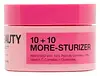
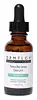
iNNBEAUTY PROJECT 10 + 10 Moisturizer with 10% Vitamin C + 10% Peptide Complex + Ceramides Versus DRMTLGY Needle-Less Serum
This anti-aging moisturizer is formulated around 3-O-Ethyl Ascorbic Acid and Palmitoyl Tetrapeptide-7 to soften the look of wrinkles and brighten dull-looking skin.
This anti-aging serum is formulated around Palmitoyl Tripeptide-1 and Palmitoyl Tetrapeptide-7 to soften the look of wrinkles.

What's inside
What's inside
 Key Ingredients
Benefits
Concerns
Ingredients Side-by-side
Water
Skin ConditioningGlycerin
Humectant


Dimethicone
Emollient
Butyrospermum Parkii Butter
Skin Conditioning




Caprylic/Capric/Myristic/Stearic Triglyceride
EmollientC12-15 Alkyl Benzoate
Antimicrobial3-O-Ethyl Ascorbic Acid
Skin Conditioning




Tapioca Starch
Cetearyl Alcohol
Emollient

Arachidyl Alcohol
Emollient
Squalane
Emollient
Coco-Caprylate/Caprate
Emollient
Pentaerythrityl Tetraisostearate
Emollient
Tridecyl Trimellitate
EmollientPalmitoyl Tetrapeptide-7
Skin Conditioning
Palmitoyl Tripeptide-1
Skin Conditioning
Tetrahexyldecyl Ascorbate
Antioxidant
Ceramide NP
Skin Conditioning

Caprylyl Glycol
Emollient
Caprylyl/Capryl Glucoside
CleansingLinoleic Acid
Cleansing
Citric Acid
Buffering
Phytosterols
Skin Conditioning
Glucose
Humectant
Sodium Acrylate/Sodium Acryloyldimethyl Taurate Copolymer
Emulsion StabilisingBehenyl Alcohol
Emollient
Polyisobutene
Bis-Diglyceryl Polyacyladipate-2
Emollient
Hydroxyacetophenone
Antioxidant
1,2-Hexanediol
Skin Conditioning
Cetearyl Glucoside
Emulsifying
Arachidyl Glucoside
EmulsifyingCarrageenan
Sorbitan Laurate
Emulsifying
Sodium Phytate
ChelatingC18-36 Acid Glycol Ester
EmollientC18-36 Acid Triglyceride
EmollientWater, Glycerin, Dimethicone, Butyrospermum Parkii Butter, Caprylic/Capric/Myristic/Stearic Triglyceride, C12-15 Alkyl Benzoate, 3-O-Ethyl Ascorbic Acid, Tapioca Starch, Cetearyl Alcohol, Arachidyl Alcohol, Squalane, Coco-Caprylate/Caprate, Pentaerythrityl Tetraisostearate, Tridecyl Trimellitate, Palmitoyl Tetrapeptide-7, Palmitoyl Tripeptide-1, Tetrahexyldecyl Ascorbate, Ceramide NP, Caprylyl Glycol, Caprylyl/Capryl Glucoside, Linoleic Acid, Citric Acid, Phytosterols, Glucose, Sodium Acrylate/Sodium Acryloyldimethyl Taurate Copolymer, Behenyl Alcohol, Polyisobutene, Bis-Diglyceryl Polyacyladipate-2, Hydroxyacetophenone, 1,2-Hexanediol, Cetearyl Glucoside, Arachidyl Glucoside, Carrageenan, Sorbitan Laurate, Sodium Phytate, C18-36 Acid Glycol Ester, C18-36 Acid Triglyceride
Water
Skin ConditioningGlycerin
Humectant
Sodium Chondroitin Sulfate
Skin ConditioningSodium Hyaluronate
Humectant
Pisum Sativum Extract
Skin ConditioningBambusa Vulgaris Leaf/Stem Extract
HumectantPalmitoyl Tripeptide-1
Skin Conditioning
Palmitoyl Tetrapeptide-7
Skin Conditioning
Ceramide EOP
Skin Conditioning
Glucosamine Hcl
Glycosaminoglycans
EmollientCeramide NP
Skin Conditioning
Palmitoyl Tripeptide-5
Skin Conditioning
Ceramide AP
Skin Conditioning
Phytosphingosine
Skin Conditioning
Cholesterol
Emollient
Niacinamide
Smoothing


Sodium Lauroyl Lactylate
EmulsifyingMethylglucoside Phosphate
Skin ConditioningCopper Lysinate/Prolinate
Skin ConditioningPanthenol
Skin Conditioning
Tocopheryl Acetate
Antioxidant
Phenoxyethanol
Preservative
Polysorbate 20
Emulsifying
Ethylhexylglycerin
Skin ConditioningDisodium EDTA
ChelatingButylene Glycol
Humectant
Carbomer
Emulsion StabilisingXanthan Gum
EmulsifyingWater, Glycerin, Sodium Chondroitin Sulfate, Sodium Hyaluronate, Pisum Sativum Extract, Bambusa Vulgaris Leaf/Stem Extract, Palmitoyl Tripeptide-1, Palmitoyl Tetrapeptide-7, Ceramide EOP, Glucosamine Hcl, Glycosaminoglycans, Ceramide NP, Palmitoyl Tripeptide-5, Ceramide AP, Phytosphingosine, Cholesterol, Niacinamide, Sodium Lauroyl Lactylate, Methylglucoside Phosphate, Copper Lysinate/Prolinate, Panthenol, Tocopheryl Acetate, Phenoxyethanol, Polysorbate 20, Ethylhexylglycerin, Disodium EDTA, Butylene Glycol, Carbomer, Xanthan Gum
Reviews
Ingredients Explained
These ingredients are found in both products.
Ingredients higher up in an ingredient list are typically present in a larger amount.
Ceramide NP (formerly known as Ceramide 3) is one of the skin's naturally occurring lipids.
Since ceramides are the major lipid components of the skin, they are crucial for maintaining skin barrier and hydration. Ceramide NP most closely mirrors the dominant kind in human skin amongst ceramide subtypes.
This ceramide works by slotting into gaps within the stratum corneum's lipid matrix to limit trans-epidermal water loss (TEWL) and shield the skin against external irritants.
A study with 312 patients found that using a ceramide-containing routine for 4 weeks reduced the severity of atopic dermatitis by over 61%.
Another clinical study in subjects aged 60 and older found that a ceramide body wash and moisturizer improved skin dryness and itchy skin in 15 days.
Overall, ceramides are considered non-irritating and safety tests have found little to no observable adverse effects from using this ingredient.
Ceramide NP is usually sourced from plants (like soybean or rice bran), or produced synthetically.
Learn more about Ceramide NPGlycerin (or glycerol) is a compound naturally found in your skin. It's a powerhouse humectant that pulls water into the stratum corneum.
Topically, glycerin does several things at once:
Your skin makes glycerin on its own (mostly from sebaceous oil breakdown) and shuttles it to your outermost layer of skin, or your epidermis, via aquaporin-3.
Aquaporin-3 is a transporter that is essential for normal skin hydration, elasticity, and repair. Interestingly, mice lacking in AQP3 have dry and less elastic skin that can be fully corrected with glycerin.
This ingredient is non-irritating, plays well with almost every ingredient, and works across all skin types. Typical use is anywhere between 3-10% but can go up to 79% in some leave-on products.
Just know very high concentrations (>40%) can feel tacky in low humidity.
Glycerin is the name for this ingredient in American English. British English uses Glycerol/Glycerine.
Learn more about GlycerinPalmitoyl Tetrapeptide-7 (formerly Palmitoyl Tetrapeptide-3) is a synthetic peptide. Its main job is to fight what researchers call "inflammaging".
"Inflammaging" is the slow, low-grade chronic inflammation that quietly breaks down collagen as we age.
This ingredient calms down a specific inflammation signal in your skin cells (called IL-6). When left unchecked, this signal triggers enzymes that break down collagen and elastin.
Clinical testing showed statistically significant improvements in:
Studies also found the more of this ingredient used, the more your skin produces Collagen I, fibronectin, and hyaluronic acid.
You'll likely see this ingredient paired with Palmitoyl Tripeptide-1 in the well-known Matrixyl 3000 complex for enhanced anti-aging effects.
A 3% concentration applied twice daily for two months showed meaningful skin rejuvenation results in clinical panels.
Fungal acne note:
Usually a palmitic acid component can feed Malassezia in unbound form, but here is is covalently bonded to the peptide. This means it is very difficult for Malassezia to access, and therefore very unlikely to cause fungal acne.
Palmitoyl Tripeptide-1 (aka Pal-GHK) is a synthetic signal peptide made of three amino acids attached to palmitic acid.
That fatty acid attachment is the key: it boosts the peptide's ability to penetrate the skin barrier. This puts it closer to the dermal cells where it can actually make a difference.
Once there, it acts as a matrikine, a signaling peptide that prompts fibroblasts to produce more collagen, fibronectin, and hyaluronic acid.
In vitro studies show it can boost collagen production in skin cells even when UV-damaged skin samples were treated with it at a tiny concentration (it almost fully restored dermal collagen at 5ppm). It achieved this at 100x lower concentration than retinoic acid, which needed 500 ppm to do the same thing.
Human clinical data is promising, but modest:
A study of 23 female volunteers found a small but statistically significant increase (~4%) in skin thickness after treatment at 4 ppm.
A separate small trial of 15 women showed statistically significant reductions in wrinkle length, depth, and skin roughness after applying it twice daily for four weeks.
You'll likely see Pal-GHK paired with Palmitoyl Tetrapeptide-7 as part of the Matrixyl 3000 complex.
Fungal acne note:
Usually a palmitic acid component can feed Malassezia in unbound form, but here is is covalently bonded to the peptide. This means it is very difficult for Malassezia to access, and therefore very unlikely to cause fungal acne.
Water. It's the most common cosmetic ingredient of all. You'll usually see it at the top of ingredient lists, meaning that it makes up the largest part of the product.
So why is it so popular? Water most often acts as a solvent - this means that it helps dissolve other ingredients into the formulation.
You'll also recognize water as that liquid we all need to stay alive. If you see this, drink a glass of water. Remember to stay hydrated!
Learn more about Water

