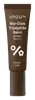
This anti-aging lip moisturizer is formulated around Ceramide NP and Palmitoyl Tripeptide-38 to soften the look of wrinkles and hydrate lips.
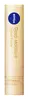
This lip moisturizer is formulated around Tocopheryl Acetate and Olea Europaea Fruit Oil to hydrate lips.


What's inside
What's inside
 Key Ingredients
Benefits
Concerns
Ingredients Side-by-side
Polybutene
Hydrogenated Polyisobutene
EmollientEthylhexyl Palmitate
Emollient




Microcrystalline Wax
Emulsion StabilisingPhytosteryl/Isostearyl/Cetyl/Stearyl/Behenyl Dimer Dilinoleate
Skin Conditioning
Camellia Oleifera Seed Oil
Skin Conditioning

Diisostearyl Malate
EmollientCocos Nucifera Oil
Masking

Bis-Ethylhexyloxyphenol Methoxyphenyl Triazine
UV Absorber
Ethylhexyl Triazone
UV Absorber
Silica
Abrasive


Silica Dimethyl Silylate
EmollientButyrospermum Parkii Butter
Skin Conditioning
Kojic Dipalmitate
Emollient
Cetearyl Ethylhexanoate
Emollient
Water
Skin ConditioningEthylene/Propylene/Styrene Copolymer
BHT
Antioxidant
Bisabolol
Antioxidant


Tocopheryl Acetate
Antioxidant

Sorbitan Isostearate
Emulsifying
Ceteareth-25
CleansingButylene/Ethylene/Styrene Copolymer
Glycerin
Humectant
Cetyl Alcohol
Emollient
Portulaca Pilosa Extract
Skin ConditioningPhenoxyethanol
Preservative
Behenic Acid
Cleansing
Ceramide NP
Skin Conditioning

Cholesterol
Emollient
Sucrose Cocoate
Emulsifying
Ceramide Ns
Skin Conditioning
Ethylhexylglycerin
Skin ConditioningCeramide AP
Skin Conditioning
Ceramide EOP
Skin Conditioning
Ceramide Eos
Skin Conditioning
Caprooyl Phytosphingosine
Skin Conditioning
Caprooyl Sphingosine
Skin ConditioningPalmitoyl Tripeptide-38
Skin Conditioning

Ascorbyl Palmitate
Antioxidant
Citric Acid
Buffering
Glyceryl Oleate
Emollient
Glyceryl Stearate
Emollient
Lecithin
Emollient
Tocopherol
Antioxidant
Polybutene, Hydrogenated Polyisobutene, Ethylhexyl Palmitate, Microcrystalline Wax, Phytosteryl/Isostearyl/Cetyl/Stearyl/Behenyl Dimer Dilinoleate, Camellia Oleifera Seed Oil, Diisostearyl Malate, Cocos Nucifera Oil, Bis-Ethylhexyloxyphenol Methoxyphenyl Triazine, Ethylhexyl Triazone, Silica, Silica Dimethyl Silylate, Butyrospermum Parkii Butter, Kojic Dipalmitate, Cetearyl Ethylhexanoate, Water, Ethylene/Propylene/Styrene Copolymer, BHT, Bisabolol, Tocopheryl Acetate, Sorbitan Isostearate, Ceteareth-25, Butylene/Ethylene/Styrene Copolymer, Glycerin, Cetyl Alcohol, Portulaca Pilosa Extract, Phenoxyethanol, Behenic Acid, Ceramide NP, Cholesterol, Sucrose Cocoate, Ceramide Ns, Ethylhexylglycerin, Ceramide AP, Ceramide EOP, Ceramide Eos, Caprooyl Phytosphingosine, Caprooyl Sphingosine, Palmitoyl Tripeptide-38, Ascorbyl Palmitate, Citric Acid, Glyceryl Oleate, Glyceryl Stearate, Lecithin, Tocopherol
Tocopheryl Acetate
Antioxidant
Stearyl Glycyrrhetinate
Skin ConditioningOlea Europaea Fruit Oil
Masking
Petrolatum
Emollient
Diisostearyl Malate
EmollientHydrogenated Polybutene
Dipentaerythrityl Hexahydroxystearate
EmulsifyingCeresin
Emulsion StabilisingPhytosteryl/Octyldodecyl Lauroyl Glutamate
Skin ConditioningPhytosteryl/Isostearyl/Cetyl/Stearyl/Behenyl Dimer Dilinoleate
Skin Conditioning
Ethylhexyl Methoxycinnamate
UV Absorber
Polyglyceryl-2 Diisostearate
Emulsifying
Polyethylene
Abrasive
Phytosteryl/Behenyl/Octyldodecyl Lauroyl Glutamate
Skin ConditioningMicrocrystalline Wax
Emulsion StabilisingParaffinum Liquidum
Emollient
Glycerin
Humectant
Euphorbia Cerifera Cera
Astringent
Trehalose
Humectant
Honey
Humectant
Royal Jelly Extract
Skin Conditioning
Dimethicone
Emollient
Butyl Methoxydibenzoylmethane
UV Absorber
BHT
Antioxidant
Water
Skin ConditioningTocopherol
Antioxidant
Alcohol
Antimicrobial
CI 19140
Cosmetic ColorantTocopheryl Acetate, Stearyl Glycyrrhetinate, Olea Europaea Fruit Oil, Petrolatum, Diisostearyl Malate, Hydrogenated Polybutene, Dipentaerythrityl Hexahydroxystearate, Ceresin, Phytosteryl/Octyldodecyl Lauroyl Glutamate, Phytosteryl/Isostearyl/Cetyl/Stearyl/Behenyl Dimer Dilinoleate, Ethylhexyl Methoxycinnamate, Polyglyceryl-2 Diisostearate, Polyethylene, Phytosteryl/Behenyl/Octyldodecyl Lauroyl Glutamate, Microcrystalline Wax, Paraffinum Liquidum, Glycerin, Euphorbia Cerifera Cera, Trehalose, Honey, Royal Jelly Extract, Dimethicone, Butyl Methoxydibenzoylmethane, BHT, Water, Tocopherol, Alcohol, CI 19140
Reviews
Ingredients Explained
These ingredients are found in both products.
Ingredients higher up in an ingredient list are typically present in a larger amount.
BHT is a synthetic antioxidant and preservative.
As an antioxidant, it helps your body fight off free-radicals. Free-radicals are molecules that may damage your skin cells.
As a preservative, it is used to stabilize products and prevent them from degrading. Specifically, BHT prevents degradation from oxidation.
The concerns related to BHT come from oral studies; this ingredient is currently allowed for use by both the FDA and EU.
However, it was recently restricted for use in the UK as of April 2024.
Learn more about BHTDiisostearyl Malate is an emollient and most often used in lip products. It comes from isostearyl alcohol, a fatty acid, and malic acid, an AHA.
As an emollient, Diisostearyl Malate helps create a thin film on your skin to trap moisture in. This helps keep your skin soft and smooth.
Glycerin (or glycerol) is a compound naturally found in your skin. It's a powerhouse humectant that pulls water into the stratum corneum.
Topically, glycerin does several things at once:
Your skin makes glycerin on its own (mostly from sebaceous oil breakdown) and shuttles it to your outermost layer of skin, or your epidermis, via aquaporin-3.
Aquaporin-3 is a transporter that is essential for normal skin hydration, elasticity, and repair. Interestingly, mice lacking in AQP3 have dry and less elastic skin that can be fully corrected with glycerin.
This ingredient is non-irritating, plays well with almost every ingredient, and works across all skin types. Typical use is anywhere between 3-10% but can go up to 79% in some leave-on products.
Just know very high concentrations (>40%) can feel tacky in low humidity.
Glycerin is the name for this ingredient in American English. British English uses Glycerol/Glycerine.
Learn more about GlycerinMicrocrystalline Wax is derived from petroleum through a de-oiling process, then highly refined and purified before use in cosmetics.
In skincare formulations, it is used to improve texture and create a smooth, even consistency. It also helps stabilize products by preventing ingredients from separating.
This is a plant-derived ester that functions as a skin conditioner. It's basically a two linoleic acid molecules combined with fatty alcohols.
In practice, it works as a rich emollient that helps reduce moisture loss and give skin a soft appearance.
The phytosterol part of this ingredient brings an added structural bonus: phytosterols are structurally similar to cholesterol so they can fit right into the stratum corneum's lipid matrix to help reinforce the skin barrier.
Due to its molecular structure, this ingredient delivers a cushiony and glossy feeling without being excessively greasy.
It did not produce skin irritation or sensitization in clinical studies, and this ingredient is deemed safe to use in cosmetics at current practices.
Because this ingredient contains C16, C18, and C22 fatty chains, it may not be Malassezia/fungal acne safe. The Malassezia yeast potentially feeds on fatty acids in the C11-C24 range.
Learn more about Phytosteryl/Isostearyl/Cetyl/Stearyl/Behenyl Dimer DilinoleateTocopherol is a fat-soluble antioxidant known as Vitamin E.
You'll find this ingredient in the vast majority of skincare (for good reason). It works to neutralize free radicals, or unstable molecules generated by UV exposure, pollution, and other environmental stressors, before they can cause oxidative damage to your skin cells.
Topically applied tocopherol has been shown to protect against UV damage by ramping up the skin's own natural defense enzymes.
It also acts as a skin conditioning agent; some studies show that regular topical use can improve the skin's water-binding capacity over 2-4 weeks.
This ingredient is especially loved for being a team player. When combined with Vitamin C, the photoprotective effect of both ingredients roughly doubles and the combo also helps reduce UV-induced DNA damage.
This ingredient has some brightening potential but it's more of a prevention ingredient than spot-fader. Cell studies show it can slow down melanin production but it's worth noting that it's not the most powerful brightener out there.
In formulations, it also serves as a stabilizer that helps protect other oxidation-prone ingredients from degrading.
Concentrations usually range from 0.1-1% in most leave-on products.
Learn more about TocopherolTocopheryl Acetate is a stable, shelf-friendly form of vitamin E.
Formulators love it because plain vitamin E oxidizes quickly once it hits air. This acetate version stays stable and resists going off, helping to extend a product's shelf life.
It's actually inactive on its own and works like a slow-release "storage" form; the enzymes in your skin called esterases gradually convert it into active vitamin E over time.
One in vivo study showed 5% of the acetate in the living layer of the epidermis converted to vitamin E after 5 days of application. This study also found the skin gained protection against UV damage even though the conversion was slow and small.
Once converted, vitamin E acts as a skin's main fat-soluble antioxidant that fights free radicals to protect skin from damage.
Topical vitamin E generally boosts the skin's photoprotection, and it reduced UV-damage in animal models.
This ingredient has some brightening potential but it's more of a prevention ingredient than spot-fader. Cell studies show it can slow down melanin production but it's worth noting that it's not the most powerful brightener out there.
Overall, it has a pretty solid safety profile and has been found to be non-irritating and non-comedogenic. Allergic reactions may happen but stay rare due to how widely the ingredient gets used.
The concentration will vary depending on the formula; industry data shows 0.1% in baby lotions, 3% in lipsticks, and 5% in foot powders. You can also find this ingredient at 100% in a pure vitamin E oil.
Most leave-on skincare keeps it at the lower end, often between 0.5-1%.
Learn more about Tocopheryl AcetateWater. It's the most common cosmetic ingredient of all. You'll usually see it at the top of ingredient lists, meaning that it makes up the largest part of the product.
So why is it so popular? Water most often acts as a solvent - this means that it helps dissolve other ingredients into the formulation.
You'll also recognize water as that liquid we all need to stay alive. If you see this, drink a glass of water. Remember to stay hydrated!
Learn more about Water

