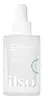
This pore-care serum is formulated around Moringa Oleifera Seed Extract and Niacinamide to refine the look of pores and refine skin texture.
This pore-care toner pad uses a pre-saturated pad with Allantoin and Centella Asiatica Extract to refine the look of pores and refine skin texture.


What's inside
What's inside
 Key Ingredients

Benefits
Concerns
Ingredients Side-by-side
Moringa Oleifera Seed Extract
Skin Conditioning

Water
Skin ConditioningButylene Glycol
Humectant
Glycerin
Humectant
PEG/PPG-17/6 Copolymer
SolventNiacinamide
Smoothing








1,2-Hexanediol
Skin Conditioning
Lactobionic Acid
Buffering
Tromethamine
BufferingSqualane
Emollient
Caprylyl Methicone
Skin Conditioning
Carbomer
Emulsion StabilisingSodium Acrylate/Sodium Acryloyldimethyl Taurate Copolymer
Emulsion StabilisingIsohexadecane
EmollientXanthan Gum
EmulsifyingPolysorbate 80
Emulsifying

Adenosine
Skin Conditioning
Disodium EDTA
ChelatingEthylhexylglycerin
Skin ConditioningSorbitan Oleate
Emulsifying

Dipeptide Diaminobutyroyl Benzylamide Diacetate
Skin Conditioning
Caprylyl Glycol
Emollient
Capryloyl Salicylic Acid
Exfoliating
Ectoin
Skin Conditioning
Acetyl Hexapeptide-8
Humectant
Glycine Soja Oil
Emollient

Retinol
Skin Conditioning

Salix Alba Bark Extract
Astringent
Origanum Vulgare Leaf Extract
Skin ConditioningPolyglutamic Acid
Skin Conditioning
Hydrolyzed Collagen
Emollient
BHT
Antioxidant
Chamaecyparis Obtusa Leaf Extract
Skin ConditioningSodium Hyaluronate
Humectant
Portulaca Oleracea Extract
Skin Conditioning
Cinnamomum Cassia Bark Extract
Masking
Lactobacillus/Soybean Ferment Extract
Skin ConditioningScutellaria Baicalensis Root Extract
Astringent
Sodium Acetylated Hyaluronate
Humectant
Hydrolyzed Hyaluronic Acid
Humectant
Hydroxypropyltrimonium Hyaluronate
Hydrolyzed Sodium Hyaluronate
Skin Conditioning
Hyaluronic Acid
Humectant
Potassium Hyaluronate
Skin ConditioningSodium Hyaluronate Crosspolymer
Humectant
Moringa Oleifera Seed Extract, Water, Butylene Glycol, Glycerin, PEG/PPG-17/6 Copolymer, Niacinamide, 1,2-Hexanediol, Lactobionic Acid, Tromethamine, Squalane, Caprylyl Methicone, Carbomer, Sodium Acrylate/Sodium Acryloyldimethyl Taurate Copolymer, Isohexadecane, Xanthan Gum, Polysorbate 80, Adenosine, Disodium EDTA, Ethylhexylglycerin, Sorbitan Oleate, Dipeptide Diaminobutyroyl Benzylamide Diacetate, Caprylyl Glycol, Capryloyl Salicylic Acid, Ectoin, Acetyl Hexapeptide-8, Glycine Soja Oil, Retinol, Salix Alba Bark Extract, Origanum Vulgare Leaf Extract, Polyglutamic Acid, Hydrolyzed Collagen, BHT, Chamaecyparis Obtusa Leaf Extract, Sodium Hyaluronate, Portulaca Oleracea Extract, Cinnamomum Cassia Bark Extract, Lactobacillus/Soybean Ferment Extract, Scutellaria Baicalensis Root Extract, Sodium Acetylated Hyaluronate, Hydrolyzed Hyaluronic Acid, Hydroxypropyltrimonium Hyaluronate, Hydrolyzed Sodium Hyaluronate, Hyaluronic Acid, Potassium Hyaluronate, Sodium Hyaluronate Crosspolymer
Water
Skin ConditioningDipropylene Glycol
HumectantGlycerin
Humectant
1,2-Hexanediol
Skin Conditioning
Hydroxyacetophenone
Antioxidant
Butylene Glycol
Humectant
Allantoin
Skin Conditioning
Carbomer
Emulsion StabilisingEthylhexylglycerin
Skin ConditioningXanthan Gum
EmulsifyingArginine
Masking
Polyglyceryl-10 Laurate
Skin Conditioning
Polyglyceryl-10 Myristate
Skin Conditioning
Disodium EDTA
ChelatingCentella Asiatica Extract
Cleansing
Leontopodium Alpinum Callus Culture Extract
Antioxidant
Panthenol
Skin Conditioning
Sodium Hyaluronate
Humectant
Parfum
Masking

Salix Nigra Bark Extract
Skin ProtectingOenothera Biennis Flower Extract
AstringentPinus Palustris Leaf Extract
TonicPueraria Lobata Root Extract
HumectantUlmus Davidiana Root Extract
Skin Conditioning
Citric Acid
Buffering
Capryloyl Salicylic Acid
Exfoliating
Copper Tripeptide-1
Skin Conditioning
Dipeptide-2
Skin Conditioning
Oligopeptide-1
Skin Conditioning
Palmitoyl Pentapeptide-4
Skin Conditioning
Tripeptide-1
Skin Conditioning
Water, Dipropylene Glycol, Glycerin, 1,2-Hexanediol, Hydroxyacetophenone, Butylene Glycol, Allantoin, Carbomer, Ethylhexylglycerin, Xanthan Gum, Arginine, Polyglyceryl-10 Laurate, Polyglyceryl-10 Myristate, Disodium EDTA, Centella Asiatica Extract, Leontopodium Alpinum Callus Culture Extract, Panthenol, Sodium Hyaluronate, Parfum, Salix Nigra Bark Extract, Oenothera Biennis Flower Extract, Pinus Palustris Leaf Extract, Pueraria Lobata Root Extract, Ulmus Davidiana Root Extract, Citric Acid, Capryloyl Salicylic Acid, Copper Tripeptide-1, Dipeptide-2, Oligopeptide-1, Palmitoyl Pentapeptide-4, Tripeptide-1
Ingredients Explained
These ingredients are found in both products.
Ingredients higher up in an ingredient list are typically present in a larger amount.
1,2-Hexanediol is a synthetic liquid and another multi-functional powerhouse.
It is a:
- Humectant, drawing moisture into the skin
- Emollient, helping to soften skin
- Solvent, dispersing and stabilizing formulas
- Preservative booster, enhancing the antimicrobial activity of other preservatives
Butylene Glycol (or BG) is used within cosmetic products for a few different reasons:
Overall, Butylene Glycol is a safe and well-rounded ingredient that works well with other ingredients.
Though this ingredient works well with most skin types, some people with sensitive skin may experience a reaction such as allergic rashes, closed comedones, or itchiness.
Learn more about Butylene GlycolCapryloyl Salicylic Acid comes from salicylic acid, the famous acne-fighting BHA.
It usually goes by a more common name of LHA, or lipohydroxy acid.
Like salicylic acid, this ingredient is a chemical exfoliant that can help break down the oil in your pores and reduce inflammation.
Though studies for LHA do show it to be less effective than salicylic acid. To be fair, salicylic acid is the reigning monarch of acne treatments.
However, a study from 2009 found LHA to be comparable to BPO, making it a good alternative for people with sensitive skin. Another study of 14 patients found a significant decrease in comedones after using LHA.
Another pro of LHA? It is less irritating than salicylic acid due to its large molecule size.
Large molecules cannot penetrate skin as well, so they are gentler on the skin. LHA is much less penetrative than salicylic acid.
An in-vitro study (not done on a living organism) found only 6% of LHA penetrated past the statum corneum compared to 58% of salicylic acid. An in-vivo (done on a living organism) analysis revealed ~17% of LHA was still present in the top layer of skin after 4 days, versus ~9% of salicylic acid.
Interestingly, a study from 2008 found LHA comparable to another famous acid, glycolic acid.
This study found about 10% of LHA is as effective as 20-50% of glycolic acid in treating hyperpigmentation and fine-lines.
Hydroxy acids have been found to stimulate skin protein, lipids, and thermal thickening. This may have anti-aging benefits.
Learn more about Capryloyl Salicylic AcidCarbomer is a synthetic thickening and gelling agent. It's basically the ingredient that gives a lot of serums, gels, creams, and sunscreens their smooth, non-sticky texture.
Although legally permitted at very high levels, carbomers are normally used at concentrations below 1%.
It also needs to be neutralized to actually thicken, and because it is a large molecule, it doesn't really penetrate the skin barrier.
Allergy-wise, the risk is very low. Clinical studies show carbomers have low potential for skin irritation/sensitization even at concentrations up to 100%.
A 2024 UK study patch-tested 1,302 patients and found true allergy to the parent group of carbomer to be rare with no confirmed relevant reactions.
Learn more about CarbomerDisodium EDTA is a chelating agent. It grabs onto and deactivates metal ions that sneak into your products from water, packaging, or air.
This ingredient mainly works behind the scenes and helps with:
On top of that, this ingredient can counteract the effects of hard water by binding to the minerals in it.
One thing worth knowing is that Disodium EDTA has been shown to be a mild penetration enhancer. It can help other ingredients absorb into skin more effectively which can be a double-edged sword (great for actives, but can also make the active too strong if you have sensitive skin).
Clinical patch testing showed no significant skin irritation at typical use concentrations and minimal dermal absorption.
You'll most likely see this ingredient near the end of an ingredient list. It's typically found in concentrations less than 1%.
Learn more about Disodium EDTAEthylhexylglycerin is created from glycerin. It is a multitasker ingredient that:
The CIR Expert Panel found minimal skin absorption or sensitization of any kind in a safety assessment. Though this ingredient is considered well-tolerated, a small number of cases of allergic dermatitis have been published since 2002. Just be sure to patch test if you are unsure.
Industry-reported use ranges from 8% in rinse-off products and 2% in leave-on formulations.
Learn more about EthylhexylglycerinGlycerin (or glycerol) is a compound naturally found in your skin. It's a powerhouse humectant that pulls water into the stratum corneum.
Topically, glycerin does several things at once:
Your skin makes glycerin on its own (mostly from sebaceous oil breakdown) and shuttles it to your outermost layer of skin, or your epidermis, via aquaporin-3.
Aquaporin-3 is a transporter that is essential for normal skin hydration, elasticity, and repair. Interestingly, mice lacking in AQP3 have dry and less elastic skin that can be fully corrected with glycerin.
This ingredient is non-irritating, plays well with almost every ingredient, and works across all skin types. Typical use is anywhere between 3-10% but can go up to 79% in some leave-on products.
Just know very high concentrations (>40%) can feel tacky in low humidity.
Glycerin is the name for this ingredient in American English. British English uses Glycerol/Glycerine.
Learn more about GlycerinSodium Hyaluronate is the salt form of hyaluronic acid. It is a long sugar chain that is naturally found in your skin, joints, and connective tissue that maintains hydration and elasticity.
In skincare, it works as a humectant. It pulls water from the environment and deeper layers of skin and binds it to the surface.
Interestingly, the size of the molecule affects its behavior:
Some clinical evidence links low molecular weight versions to improved wrinkle depth, elasticity, anti-inflammatory effects, and barrier repair.
Many serums use a blend of both weights so you can get surface hydration plus longer-lasting and deeper effects.
You'll typically see concentrations between 0.1-2% for this ingredient.
Learn more about Sodium HyaluronateWater. It's the most common cosmetic ingredient of all. You'll usually see it at the top of ingredient lists, meaning that it makes up the largest part of the product.
So why is it so popular? Water most often acts as a solvent - this means that it helps dissolve other ingredients into the formulation.
You'll also recognize water as that liquid we all need to stay alive. If you see this, drink a glass of water. Remember to stay hydrated!
Learn more about WaterXanthan gum is used as a stabilizer and thickener within cosmetic products. It helps give products a sticky, thick feeling - preventing them from being too runny.
On the technical side of things, xanthan gum is a polysaccharide - a combination consisting of multiple sugar molecules bonded together.
Xanthan gum is a pretty common and great ingredient. It is a natural, non-toxic, non-irritating ingredient that is also commonly used in food products.
Learn more about Xanthan Gum

