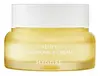
This calming moisturizer is formulated around Chamomilla Recutita Flower Extract and Centella Asiatica Extract to calm redness and strengthen the skin barrier.
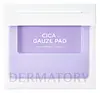
This calming exfoliating pad uses a pre-saturated pad with Centella Asiatica Leaf Extract and Glycyrrhiza Glabra Root Extract to calm redness and strengthen the skin barrier.

What's inside
What's inside
 Key Ingredients
Benefits
Concerns
Ingredients Side-by-side
Chamomilla Recutita Flower Extract
Masking


Glycerin
Humectant

Propanediol
Solvent
PCA Dimethicone
Skin Conditioning
Butylene Glycol
Humectant
Polyglycerin-3
Humectant
1,2-Hexanediol
Skin Conditioning
Squalane
Emollient
Sodium Guaiazulene Sulfonate
SurfactantSodium Hyaluronate
Humectant
Hydrolyzed Hyaluronic Acid
Humectant
Centella Asiatica Extract
Cleansing
Madecassoside
Antioxidant
Madecassic Acid
Skin Conditioning
Asiaticoside
Antioxidant
Asiatic Acid
Skin Conditioning
Portulaca Oleracea Extract
Skin Conditioning
Dipotassium Glycyrrhizate
Humectant
Betaine
Humectant
Glyceryl Glucoside
Humectant
Dicaprylyl Carbonate
EmollientOlea Europaea Fruit Oil
Masking



Glucose
Humectant
Water
Skin ConditioningCoptis Japonica Root Extract
Skin ConditioningAmmonium Acryloyldimethyltaurate/Vp Copolymer
Hydroxyethyl Urea
Humectant
Ammonium Acryloyldimethyltaurate/Beheneth-25 Methacrylate Crosspolymer
Emulsion StabilisingTriethylhexanoin
MaskingEthylhexylglycerin
Skin ConditioningSodium Phytate
Tocopherol
Antioxidant


Caprylyl Glycol
Emollient
Chamomilla Recutita Flower Extract, Glycerin, Propanediol, PCA Dimethicone, Butylene Glycol, Polyglycerin-3, 1,2-Hexanediol, Squalane, Sodium Guaiazulene Sulfonate, Sodium Hyaluronate, Hydrolyzed Hyaluronic Acid, Centella Asiatica Extract, Madecassoside, Madecassic Acid, Asiaticoside, Asiatic Acid, Portulaca Oleracea Extract, Dipotassium Glycyrrhizate, Betaine, Glyceryl Glucoside, Dicaprylyl Carbonate, Olea Europaea Fruit Oil, Glucose, Water, Coptis Japonica Root Extract, Ammonium Acryloyldimethyltaurate/Vp Copolymer, Hydroxyethyl Urea, Ammonium Acryloyldimethyltaurate/Beheneth-25 Methacrylate Crosspolymer, Triethylhexanoin, Ethylhexylglycerin, Sodium Phytate, Tocopherol, Caprylyl Glycol
Water
Skin ConditioningButylene Glycol
Humectant
Methylpropanediol
SolventGlycerin
Humectant
Dipropylene Glycol
HumectantGuaiazulene
Antimicrobial
Chrysanthemum Parthenium Extract
Skin ConditioningChamomilla Recutita Extract
Skin Conditioning
Centella Asiatica Leaf Extract
Skin Conditioning
Sea Water
HumectantBetula Alba Juice
AstringentChrysanthemum Boreale Flower Extract
Antioxidant
Glycyrrhiza Glabra Root Extract
Bleaching
Sodium Hyaluronate
Humectant
Hydrolyzed Collagen
Emollient
Althaea Rosea Flower Extract
Skin ConditioningRosa Centifolia Flower Water
Skin ConditioningHoney Extract
Humectant
Olea Europaea Fruit Oil
Masking
Hydroxyacetophenone
Antioxidant
Allantoin
Skin Conditioning
Hydroxyethylcellulose
Emulsion Stabilising1,2-Hexanediol
Skin Conditioning
Caprylyl Glycol
Emollient
Hydroxyethyl Urea
Humectant
Ethylhexylglycerin
Skin ConditioningTromethamine
BufferingSodium Carboxymethyl Beta-Glucan
CleansingPolysorbate 80
Emulsifying
Pentylene Glycol
Skin Conditioning
Octanediol
Caffeine
Skin Conditioning
Carbomer
Emulsion StabilisingDisodium EDTA
Water, Butylene Glycol, Methylpropanediol, Glycerin, Dipropylene Glycol, Guaiazulene, Chrysanthemum Parthenium Extract, Chamomilla Recutita Extract, Centella Asiatica Leaf Extract, Sea Water, Betula Alba Juice, Chrysanthemum Boreale Flower Extract, Glycyrrhiza Glabra Root Extract, Sodium Hyaluronate, Hydrolyzed Collagen, Althaea Rosea Flower Extract, Rosa Centifolia Flower Water, Honey Extract, Olea Europaea Fruit Oil, Hydroxyacetophenone, Allantoin, Hydroxyethylcellulose, 1,2-Hexanediol, Caprylyl Glycol, Hydroxyethyl Urea, Ethylhexylglycerin, Tromethamine, Sodium Carboxymethyl Beta-Glucan, Polysorbate 80, Pentylene Glycol, Octanediol, Caffeine, Carbomer, Disodium EDTA
Reviews
Ingredients Explained
These ingredients are found in both products.
Ingredients higher up in an ingredient list are typically present in a larger amount.
1,2-Hexanediol is a synthetic liquid and another multi-functional powerhouse.
It is a:
- Humectant, drawing moisture into the skin
- Emollient, helping to soften skin
- Solvent, dispersing and stabilizing formulas
- Preservative booster, enhancing the antimicrobial activity of other preservatives
Butylene Glycol (or BG) is used within cosmetic products for a few different reasons:
Overall, Butylene Glycol is a safe and well-rounded ingredient that works well with other ingredients.
Though this ingredient works well with most skin types, some people with sensitive skin may experience a reaction such as allergic rashes, closed comedones, or itchiness.
Learn more about Butylene GlycolCaprylyl Glycol is a humectant, skin conditioner, emollient, and preservative booster derived from either caprylic acid or synthetically created.
Typical use levels vary from 0.3-1% as a preservative booster and go up to 2% to condition skin.
Because it is not a free-fatty acid, this ingredient is fungal acne safe (there's nothing for Malassezia to feed on).
Learn more about Caprylyl GlycolEthylhexylglycerin is created from glycerin. It is a multitasker ingredient that:
The CIR Expert Panel found minimal skin absorption or sensitization of any kind in a safety assessment. Though this ingredient is considered well-tolerated, a small number of cases of allergic dermatitis have been published since 2002. Just be sure to patch test if you are unsure.
Industry-reported use ranges from 8% in rinse-off products and 2% in leave-on formulations.
Learn more about EthylhexylglycerinGlycerin (or glycerol) is a compound naturally found in your skin. It's a powerhouse humectant that pulls water into the stratum corneum.
Topically, glycerin does several things at once:
Your skin makes glycerin on its own (mostly from sebaceous oil breakdown) and shuttles it to your outermost layer of skin, or your epidermis, via aquaporin-3.
Aquaporin-3 is a transporter that is essential for normal skin hydration, elasticity, and repair. Interestingly, mice lacking in AQP3 have dry and less elastic skin that can be fully corrected with glycerin.
This ingredient is non-irritating, plays well with almost every ingredient, and works across all skin types. Typical use is anywhere between 3-10% but can go up to 79% in some leave-on products.
Just know very high concentrations (>40%) can feel tacky in low humidity.
Glycerin is the name for this ingredient in American English. British English uses Glycerol/Glycerine.
Learn more about GlycerinThis ingredient is also known as olive oil. It has been used in skincare for centuries and science largely backs up its reputation as a nourishing emollient.
The main components of olive oil are oleic acid (55-83%), linoleic acid (3.5-20%), and palmitic acid (7-20%). Oleic acid promotes skin regeneration and helps regulate inflammatory responses.
Squalene is also naturally present in olive oil and exhibits moisturizing and antioxidant properties.
The polyphenols in olive oil also show anti-aging promise; one clinical study found a measurable improvement in skin appearance after 30 days of topical serum use.
Just be aware that applying olive oil directly to skin can weaken the barrier and cause redness. One study with volunteers found even people without sensitive skin experienced a significant reduction in stratum corneum integrity and induced mild erythema.
It's best to use this ingredient as part of a carefully crafted formula (instead of putting it on skin directly from the bottle).
Because it has a 2-3 on the comedogenic scale, it is a moderate risk for acne-prone skin. However, the overall formulation of a product matters more than a few ingredients with comedogenic ratings.
This ingredient may not be fungal acne safe because of the oleic and palmitic acid content. These fall within the C11-24 fatty acid range that the Malassezia yeast can metabolize to grow.
Overall, olive oil is a well-studied and nourishing skincare ingredient.
Learn more about Olea Europaea Fruit OilSodium Hyaluronate is the salt form of hyaluronic acid. It is a long sugar chain that is naturally found in your skin, joints, and connective tissue that maintains hydration and elasticity.
In skincare, it works as a humectant. It pulls water from the environment and deeper layers of skin and binds it to the surface.
Interestingly, the size of the molecule affects its behavior:
Some clinical evidence links low molecular weight versions to improved wrinkle depth, elasticity, anti-inflammatory effects, and barrier repair.
Many serums use a blend of both weights so you can get surface hydration plus longer-lasting and deeper effects.
You'll typically see concentrations between 0.1-2% for this ingredient.
Learn more about Sodium HyaluronateWater. It's the most common cosmetic ingredient of all. You'll usually see it at the top of ingredient lists, meaning that it makes up the largest part of the product.
So why is it so popular? Water most often acts as a solvent - this means that it helps dissolve other ingredients into the formulation.
You'll also recognize water as that liquid we all need to stay alive. If you see this, drink a glass of water. Remember to stay hydrated!
Learn more about Water

