Hydropeptide Firma-Bright 20% Vitamin C Booster Versus Bloom Effects Royal Tulip Vitamin C Facial Oil
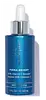
This brightening serum is formulated around Sodium Ascorbyl Phosphate and Niacinamide to brighten dull-looking skin and soften the look of wrinkles.
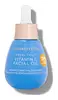
This brightening oil is formulated around Tetrahexyldecyl Ascorbate and Bakuchiol to brighten dull-looking skin and soften the look of wrinkles.


What's inside
What's inside
 Key Ingredients
Benefits
Concerns
Ingredients Side-by-side
Water
Skin ConditioningSodium Ascorbyl Phosphate
Antioxidant







Pentylene Glycol
Skin Conditioning
Glycerin
Humectant
Niacinamide
Smoothing




Propanediol
Solvent
Carrageenan



Erythritol
Humectant
Sodium PCA
Humectant
Xanthan Gum
Emulsifying1,2-Hexanediol
Skin Conditioning
Hydroxyacetophenone
Antioxidant
Acetyl Hexapeptide-8
Humectant
Caprylyl Glycol
Emollient
Disodium Phosphate
BufferingSodium Phosphate
BufferingSodium Hyaluronate
Humectant
Anogeissus Leiocarpus Bark Extract
Skin ProtectingSodium Phytate
Hydrangea Arborescens Root Extract
Skin ConditioningMorus Alba Root Extract
BleachingPolysorbate 20
Emulsifying

Resveratrol
Antioxidant
Scutellaria Lateriflora Extract
Skin ConditioningPentapeptide-21
Skin Conditioning
Avena Sativa Kernel Extract
Abrasive
Water, Sodium Ascorbyl Phosphate, Pentylene Glycol, Glycerin, Niacinamide, Propanediol, Carrageenan, Erythritol, Sodium PCA, Xanthan Gum, 1,2-Hexanediol, Hydroxyacetophenone, Acetyl Hexapeptide-8, Caprylyl Glycol, Disodium Phosphate, Sodium Phosphate, Sodium Hyaluronate, Anogeissus Leiocarpus Bark Extract, Sodium Phytate, Hydrangea Arborescens Root Extract, Morus Alba Root Extract, Polysorbate 20, Resveratrol, Scutellaria Lateriflora Extract, Pentapeptide-21, Avena Sativa Kernel Extract
Squalane
Emollient
Tetrahexyldecyl Ascorbate
Antioxidant
Fragaria Ananassa Seed Oil
Antioxidant
Caprylic/Capric Triglyceride
Masking
Tulipa Gesneriana Flower Extract
Skin ConditioningBakuchiol
Antimicrobial
Niacinamide
Smoothing
Cannabis Sativa Seed Oil
Emollient
Astragalus Membranaceus Root Extract
Emollient
Spilanthes Acmella Flower/Leaf/Stem Extract
AntimicrobialAcmella Oleracea Extract
Skin ProtectingUbiquinone
Antioxidant
Ceramide NP
Skin Conditioning
Ceramide As
Skin Conditioning
Ceramide AP
Skin Conditioning
Ceramide Ns
Skin Conditioning
Cholesterol
Emollient
Ceramide EOP
Skin Conditioning
Tocopherol
Antioxidant
Tocopheryl Acetate
Antioxidant
Chamomilla Recutita Flower Extract
Masking
Echinacea Purpurea Extract
MoisturisingEuterpe Oleracea Fruit Extract
Terminalia Ferdinandiana Fruit Extract
Antioxidant
Vaccinium Angustifolium Fruit Extract
Skin Protecting
Carica Papaya Fruit Extract
Skin ConditioningAnanas Sativus Fruit Extract
Skin ConditioningActinidia Chinensis Fruit Extract
EmollientCarthamus Tinctorius Seed Oil
Masking
Caprylyl Glycol
Emollient
Ethylhexylglycerin
Skin ConditioningOlea Europaea Fruit Oil
Masking
Rubus Idaeus Seed Oil
Emollient
Citrullus Lanatus Seed Oil
Emollient
Ribes Nigrum Seed Oil
Emollient
Prunus Amygdalus Dulcis Oil
Skin Conditioning
Persea Gratissima Oil
Skin Conditioning
Caryodendron Orinocense Seed Oil
Emollient
Brassica Oleracea Italica Seed Oil
Emollient
Rosa Canina Fruit Oil
Emollient
Sodium Hyaluronate
Humectant
Kinetin
Skin ConditioningIndole Acetic Acid
Skin ConditioningHydrogenated Lecithin
Emulsifying
Dipropylene Glycol
HumectantGlyceryl Stearate
Emollient
Sucrose Distearate
Emollient
Glycerin
Humectant
Maltodextrin
Absorbent
Sodium Benzoate
Masking
Potassium Sorbate
Preservative
Water
Skin ConditioningSqualane, Tetrahexyldecyl Ascorbate, Fragaria Ananassa Seed Oil, Caprylic/Capric Triglyceride, Tulipa Gesneriana Flower Extract, Bakuchiol, Niacinamide, Cannabis Sativa Seed Oil, Astragalus Membranaceus Root Extract, Spilanthes Acmella Flower/Leaf/Stem Extract, Acmella Oleracea Extract, Ubiquinone, Ceramide NP, Ceramide As, Ceramide AP, Ceramide Ns, Cholesterol, Ceramide EOP, Tocopherol, Tocopheryl Acetate, Chamomilla Recutita Flower Extract, Echinacea Purpurea Extract, Euterpe Oleracea Fruit Extract, Terminalia Ferdinandiana Fruit Extract, Vaccinium Angustifolium Fruit Extract, Carica Papaya Fruit Extract, Ananas Sativus Fruit Extract, Actinidia Chinensis Fruit Extract, Carthamus Tinctorius Seed Oil, Caprylyl Glycol, Ethylhexylglycerin, Olea Europaea Fruit Oil, Rubus Idaeus Seed Oil, Citrullus Lanatus Seed Oil, Ribes Nigrum Seed Oil, Prunus Amygdalus Dulcis Oil, Persea Gratissima Oil, Caryodendron Orinocense Seed Oil, Brassica Oleracea Italica Seed Oil, Rosa Canina Fruit Oil, Sodium Hyaluronate, Kinetin, Indole Acetic Acid, Hydrogenated Lecithin, Dipropylene Glycol, Glyceryl Stearate, Sucrose Distearate, Glycerin, Maltodextrin, Sodium Benzoate, Potassium Sorbate, Water
Ingredients Explained
These ingredients are found in both products.
Ingredients higher up in an ingredient list are typically present in a larger amount.
Caprylyl Glycol is a humectant, skin conditioner, emollient, and preservative booster derived from either caprylic acid or synthetically created.
Typical use levels vary from 0.3-1% as a preservative booster and go up to 2% to condition skin.
Because it is not a free-fatty acid, this ingredient is fungal acne safe (there's nothing for Malassezia to feed on).
Learn more about Caprylyl GlycolGlycerin (or glycerol) is a compound naturally found in your skin. It's a powerhouse humectant that pulls water into the stratum corneum.
Topically, glycerin does several things at once:
Your skin makes glycerin on its own (mostly from sebaceous oil breakdown) and shuttles it to your outermost layer of skin, or your epidermis, via aquaporin-3.
Aquaporin-3 is a transporter that is essential for normal skin hydration, elasticity, and repair. Interestingly, mice lacking in AQP3 have dry and less elastic skin that can be fully corrected with glycerin.
This ingredient is non-irritating, plays well with almost every ingredient, and works across all skin types. Typical use is anywhere between 3-10% but can go up to 79% in some leave-on products.
Just know very high concentrations (>40%) can feel tacky in low humidity.
Glycerin is the name for this ingredient in American English. British English uses Glycerol/Glycerine.
Learn more about GlycerinNiacinamide is a multitasking form of vitamin B3 that strengthens the skin barrier, reduces pores and dark spots, regulates oil, and improves signs of aging.
And the best part? It's gentle and well-tolerated by most skin types, including sensitive and reactive skin.
You might have heard of "niacin flush", or the reddening of skin that causes itchiness. Niacinamide has not been found to cause this.
In very rare cases, some individuals may not be able to tolerate niacinamide at all or experience an allergic reaction to it.
If you are experiencing flaking, irritation, and dryness with this ingredient, be sure to double check all your products as this ingredient can be found in all categories of skincare.
When incorporating niacinamide into your routine, look out for concentration amounts. Typically, 5% niacinamide provides benefits such as fading dark spots. However, if you have sensitive skin, it is better to begin with a smaller concentration.
When you apply niacinamide to your skin, your body converts it into nicotinamide adenine dinucleotide (NAD). NAD is an essential coenzyme that is already found in your cells as "fuel" and powers countless biological processes.
In your skin, NAD helps repair cell damage, produce new healthy cells, support collagen production, strengthen the skin barrier, and fight environmental stressors (like UV and pollution).
Our natural NAD levels start to decline with age, leading to slower skin repair, visible aging, and a weaker skin barrier. By providing your skin niacinamide, you're recharging your skin's NAD levels. This leads to stronger, healthier, and younger looking skin.
Another name for vitamin B3 is nicotinamide. This vitamin is water-soluble and our bodies don't store it. We obtain Vitamin B3 from either food or skincare. Meat, fish, wheat, yeast, and leafy greens contain vitamin B3.
The type of niacinamide used in skincare is synthetically created.
Learn more about NiacinamideSodium Hyaluronate is the salt form of hyaluronic acid. It is a long sugar chain that is naturally found in your skin, joints, and connective tissue that maintains hydration and elasticity.
In skincare, it works as a humectant. It pulls water from the environment and deeper layers of skin and binds it to the surface.
Interestingly, the size of the molecule affects its behavior:
Some clinical evidence links low molecular weight versions to improved wrinkle depth, elasticity, anti-inflammatory effects, and barrier repair.
Many serums use a blend of both weights so you can get surface hydration plus longer-lasting and deeper effects.
You'll typically see concentrations between 0.1-2% for this ingredient.
Learn more about Sodium HyaluronateWater. It's the most common cosmetic ingredient of all. You'll usually see it at the top of ingredient lists, meaning that it makes up the largest part of the product.
So why is it so popular? Water most often acts as a solvent - this means that it helps dissolve other ingredients into the formulation.
You'll also recognize water as that liquid we all need to stay alive. If you see this, drink a glass of water. Remember to stay hydrated!
Learn more about Water

