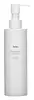
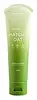
Huxley Secret of Sahara Be Clean Be Moist Cleansing Gel Versus True to Skin Matcha Oat Gentle Cleanser
This gel cleanser uses mild cleansing ingredients, but contains alcohol that may feel drying for some.
This mild gel cleanser is made to cleanse while calming and soothing your skin.


What's inside
What's inside
 Key Ingredients
Benefits
Concerns
Ingredients Side-by-side
Opuntia Ficus-Indica Stem Extract
Skin Conditioning
Water
Skin ConditioningPotassium Cocoyl Glycinate
Surfactant
Acrylates/Beheneth-25 Methacrylate Copolymer
Disodium Cocoamphodiacetate
CleansingCocamidopropyl Betaine
Cleansing


Sodium Methyl Cocoyl Taurate
Cleansing
Sodium Chloride
MaskingPEG-200 Hydrogenated Glyceryl Palmate
Cleansing
Opuntia Ficus-Indica Seed Oil
Emollient

Sodium Hyaluronate
Humectant



Citrus Aurantium Dulcis Fruit Extract
MaskingCitrus Medica Limonum Fruit Extract
Skin ConditioningCitrus Paradisi Fruit Extract
Skin ConditioningCitrus Aurantifolia Fruit Extract
Skin ConditioningCentella Asiatica Extract
Cleansing

Betula Alba Bud Extract
Skin ConditioningCorylus Avellana Bud Extract
Skin ConditioningOlea Europaea Bud Extract
Antioxidant
Juglans Regia Leaf Extract
Abrasive
1,2-Hexanediol
Skin Conditioning
Potassium Hydroxide
BufferingPEG-60 Hydrogenated Castor Oil
Emulsifying
PEG-7 Glyceryl Cocoate
Emulsifying
Isostearic Acid
Cleansing
Ethylhexylglycerin
Skin ConditioningSodium Benzoate
Masking
Citric Acid
Buffering

Propanediol
Solvent
Glycerin
Humectant
Alcohol
Antimicrobial
Butylene Glycol
Humectant
Disodium EDTA
ChelatingPhenoxyethanol
Preservative
Parfum
Masking

Opuntia Ficus-Indica Stem Extract, Water, Potassium Cocoyl Glycinate, Acrylates/Beheneth-25 Methacrylate Copolymer, Disodium Cocoamphodiacetate, Cocamidopropyl Betaine, Sodium Methyl Cocoyl Taurate, Sodium Chloride, PEG-200 Hydrogenated Glyceryl Palmate, Opuntia Ficus-Indica Seed Oil, Sodium Hyaluronate, Citrus Aurantium Dulcis Fruit Extract, Citrus Medica Limonum Fruit Extract, Citrus Paradisi Fruit Extract, Citrus Aurantifolia Fruit Extract, Centella Asiatica Extract, Betula Alba Bud Extract, Corylus Avellana Bud Extract, Olea Europaea Bud Extract, Juglans Regia Leaf Extract, 1,2-Hexanediol, Potassium Hydroxide, PEG-60 Hydrogenated Castor Oil, PEG-7 Glyceryl Cocoate, Isostearic Acid, Ethylhexylglycerin, Sodium Benzoate, Citric Acid, Propanediol, Glycerin, Alcohol, Butylene Glycol, Disodium EDTA, Phenoxyethanol, Parfum
Water
Skin ConditioningPotassium Cocoyl Hydrolyzed Collagen
Skin Conditioning
Glycerin
Humectant
Acrylates Copolymer
Cocamidopropyl Betaine
Cleansing
Potassium Cocoyl Glycinate
Surfactant
Butylene Glycol
Humectant
Decyl Glucoside
Cleansing
PEG-120 Methyl Glucose Dioleate
Emulsifying
Pentylene Glycol
Skin Conditioning
Xanthan Gum
EmulsifyingAvena Sativa Kernel Extract
Abrasive
Panthenol
Skin Conditioning
Glycyrrhiza Glabra Leaf Extract
Skin ConditioningTriethanolamine
BufferingClitoria Ternatea Flower Extract
Skin Conditioning1,2-Hexanediol
Skin Conditioning
Houttuynia Cordata Extract
Skin Conditioning
Sodium Hyaluronate
Humectant
Ethylhexylglycerin
Skin ConditioningCinnamomum Zeylanicum Bark Extract
Antimicrobial
Capryloyl Glycine
CleansingSarcosine
Skin Conditioning
Citrus Junos Seed Extract
Antioxidant
Citrus Unshiu Peel Extract
MaskingActinidia Chinensis Seed
Abrasive
Salicylic Acid 0.01%
Masking


Fragaria Chiloensis Fruit Extract
Skin Conditioning
Vitis Vinifera Seed Extract
Antimicrobial
Vitis Vinifera Skin Extract
Antioxidant
Vitis Vinifera Leaf Extract
Skin ConditioningGarcinia Mangostana Peel Extract
Skin ConditioningPropanediol
Solvent
Sodium Hydroxide
BufferingDipotassium Glycyrrhizate
Humectant
Chlorphenesin
Antimicrobial
Allantoin
Skin Conditioning
Disodium EDTA
ChelatingCamellia Sinensis Leaf
Perfuming
Water, Potassium Cocoyl Hydrolyzed Collagen, Glycerin, Acrylates Copolymer, Cocamidopropyl Betaine, Potassium Cocoyl Glycinate, Butylene Glycol, Decyl Glucoside, PEG-120 Methyl Glucose Dioleate, Pentylene Glycol, Xanthan Gum, Avena Sativa Kernel Extract, Panthenol, Glycyrrhiza Glabra Leaf Extract, Triethanolamine, Clitoria Ternatea Flower Extract, 1,2-Hexanediol, Houttuynia Cordata Extract, Sodium Hyaluronate, Ethylhexylglycerin, Cinnamomum Zeylanicum Bark Extract, Capryloyl Glycine, Sarcosine, Citrus Junos Seed Extract, Citrus Unshiu Peel Extract, Actinidia Chinensis Seed, Salicylic Acid 0.01%, Fragaria Chiloensis Fruit Extract, Vitis Vinifera Seed Extract, Vitis Vinifera Skin Extract, Vitis Vinifera Leaf Extract, Garcinia Mangostana Peel Extract, Propanediol, Sodium Hydroxide, Dipotassium Glycyrrhizate, Chlorphenesin, Allantoin, Disodium EDTA, Camellia Sinensis Leaf
Reviews
Ingredients Explained
These ingredients are found in both products.
Ingredients higher up in an ingredient list are typically present in a larger amount.
1,2-Hexanediol is a synthetic liquid and another multi-functional powerhouse.
It is a:
- Humectant, drawing moisture into the skin
- Emollient, helping to soften skin
- Solvent, dispersing and stabilizing formulas
- Preservative booster, enhancing the antimicrobial activity of other preservatives
Butylene Glycol (or BG) is used within cosmetic products for a few different reasons:
Overall, Butylene Glycol is a safe and well-rounded ingredient that works well with other ingredients.
Though this ingredient works well with most skin types, some people with sensitive skin may experience a reaction such as allergic rashes, closed comedones, or itchiness.
Learn more about Butylene GlycolCocamidopropyl Betaine is a fatty acid created by mixing similar compounds in coconut oil and dimethylaminopropylamine, a compound with two amino groups.
This ingredient is a surfactant and cleanser. It helps gather the dirt, pollutants, and other impurities in your skin to be washed away. It also helps thicken a product and make the texture more creamy.
Being created from coconut oil means Cocamidopropyl Betaine is hydrating for the skin.
While Cocamidopropyl Betaine was believed to be an allergen, a study from 2012 disproved this. It found two compounds in unpure Cocamidopropyl Betaine to be the irritants: aminoamide and 3-dimethylaminopropylamine. High-grade and pure Cocamidopropyl Betaine did not induce allergic reactions during this study.
Learn more about Cocamidopropyl BetaineDisodium EDTA is a chelating agent. It grabs onto and deactivates metal ions that sneak into your products from water, packaging, or air.
This ingredient mainly works behind the scenes and helps with:
On top of that, this ingredient can counteract the effects of hard water by binding to the minerals in it.
One thing worth knowing is that Disodium EDTA has been shown to be a mild penetration enhancer. It can help other ingredients absorb into skin more effectively which can be a double-edged sword (great for actives, but can also make the active too strong if you have sensitive skin).
Clinical patch testing showed no significant skin irritation at typical use concentrations and minimal dermal absorption.
You'll most likely see this ingredient near the end of an ingredient list. It's typically found in concentrations less than 1%.
Learn more about Disodium EDTAEthylhexylglycerin is created from glycerin. It is a multitasker ingredient that:
The CIR Expert Panel found minimal skin absorption or sensitization of any kind in a safety assessment. Though this ingredient is considered well-tolerated, a small number of cases of allergic dermatitis have been published since 2002. Just be sure to patch test if you are unsure.
Industry-reported use ranges from 8% in rinse-off products and 2% in leave-on formulations.
Learn more about EthylhexylglycerinGlycerin (or glycerol) is a compound naturally found in your skin. It's a powerhouse humectant that pulls water into the stratum corneum.
Topically, glycerin does several things at once:
Your skin makes glycerin on its own (mostly from sebaceous oil breakdown) and shuttles it to your outermost layer of skin, or your epidermis, via aquaporin-3.
Aquaporin-3 is a transporter that is essential for normal skin hydration, elasticity, and repair. Interestingly, mice lacking in AQP3 have dry and less elastic skin that can be fully corrected with glycerin.
This ingredient is non-irritating, plays well with almost every ingredient, and works across all skin types. Typical use is anywhere between 3-10% but can go up to 79% in some leave-on products.
Just know very high concentrations (>40%) can feel tacky in low humidity.
Glycerin is the name for this ingredient in American English. British English uses Glycerol/Glycerine.
Learn more about GlycerinPotassium Cocoyl Glycinate is an amino acid-based surfactant and cleaning agent. This ingredient can be derived from animals or plants. It may also be synthetically created from fatty acids of the coconut and glycine.
Potassium Cocoyl Glycinate is a gentle surfactant. Surfactants help gather the dirt, oil, and other pollutants from your skin to be rinsed away. It is a mild cleanser and naturally produces foam.
Propanediol is an all-star ingredient. It softens, hydrates, and smooths the skin.
It’s often used to:
Propanediol is not likely to cause sensitivity and considered safe to use. It is derived from corn or petroleum with a clear color and no scent.
Learn more about PropanediolSodium Hyaluronate is the salt form of hyaluronic acid. It is a long sugar chain that is naturally found in your skin, joints, and connective tissue that maintains hydration and elasticity.
In skincare, it works as a humectant. It pulls water from the environment and deeper layers of skin and binds it to the surface.
Interestingly, the size of the molecule affects its behavior:
Some clinical evidence links low molecular weight versions to improved wrinkle depth, elasticity, anti-inflammatory effects, and barrier repair.
Many serums use a blend of both weights so you can get surface hydration plus longer-lasting and deeper effects.
You'll typically see concentrations between 0.1-2% for this ingredient.
Learn more about Sodium HyaluronateWater. It's the most common cosmetic ingredient of all. You'll usually see it at the top of ingredient lists, meaning that it makes up the largest part of the product.
So why is it so popular? Water most often acts as a solvent - this means that it helps dissolve other ingredients into the formulation.
You'll also recognize water as that liquid we all need to stay alive. If you see this, drink a glass of water. Remember to stay hydrated!
Learn more about Water

