Hung Vanngo Beauty Red Carpet Skin Luminous Longwear Serum Foundation Versus Tower 28 Beauty Swipe Serum Foundation

What's inside
What's inside
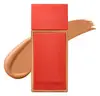 Key Ingredients
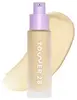
Benefits
Concerns
Ingredients Side-by-side
Water
Skin ConditioningMethyl Trimethicone
Skin Conditioning
Isotridecyl Isononanoate
EmollientButylene Glycol
Humectant

Heptyl Undecylenate
EmollientTriisostearin
Skin Conditioning

Glycerin
Humectant
Trimethylsiloxysilicate
Emollient
Isododecane
EmollientDimethicone
Emollient
Lauryl PEG-9 Polydimethylsiloxyethyl Dimethicone
Skin Conditioning
Polyglyceryl-6 Polyricinoleate
Emulsifying
Mica
Cosmetic ColorantDisteardimonium Hectorite
StabilisingBoron Nitride
Absorbent
Ceresin
Emulsion StabilisingMagnesium Sulfate
Niacinamide
Smoothing








Aluminum Hydroxide
EmollientPEG-10 Dimethicone
Skin Conditioning
Phenoxyethanol
Preservative
Synthetic Wax
Abrasive

Stearic Acid
Cleansing
Palmitic Acid
Emollient

Tocopherol
Antioxidant

Arachidic Acid
Cleansing
Myristic Acid
Cleansing
Hydrolyzed Hyaluronic Acid
Humectant
Squalane
Emollient
Lauric Acid
Cleansing
Glycyrrhiza Glabra Root Extract
Bleaching
CI 77891
Cosmetic ColorantCI 77499
Cosmetic ColorantCI 77492
Cosmetic ColorantCI 77491
Cosmetic ColorantWater, Methyl Trimethicone, Isotridecyl Isononanoate, Butylene Glycol, Heptyl Undecylenate, Triisostearin, Glycerin, Trimethylsiloxysilicate, Isododecane, Dimethicone, Lauryl PEG-9 Polydimethylsiloxyethyl Dimethicone, Polyglyceryl-6 Polyricinoleate, Mica, Disteardimonium Hectorite, Boron Nitride, Ceresin, Magnesium Sulfate, Niacinamide, Aluminum Hydroxide, PEG-10 Dimethicone, Phenoxyethanol, Synthetic Wax, Stearic Acid, Palmitic Acid, Tocopherol, Arachidic Acid, Myristic Acid, Hydrolyzed Hyaluronic Acid, Squalane, Lauric Acid, Glycyrrhiza Glabra Root Extract, CI 77891, CI 77499, CI 77492, CI 77491
Water
Skin ConditioningC15-19 Alkane
SolventCaprylic/Capric Triglyceride
Masking
Dicaprylyl Carbonate
EmollientPropanediol
Solvent
Silica
Abrasive
Glycerin
Humectant
Polyglyceryl-3 Polyricinoleate
Emulsifying
Glyceryl Hydrogenated Rosinate
Panthenol
Skin Conditioning
Shorea Robusta Resin
TonicOryza Sativa Starch
AbsorbentSodium Chloride
MaskingOctyldodecanol
Emollient
Stearalkonium Hectorite
Gel FormingDextrin Palmitate
Emulsifying
Magnesium Sulfate
Polyglyceryl-3 Diisostearate
Emulsifying
Diisostearyl Malate
EmollientSqualane
Emollient
Propylene Carbonate
SolventSodium Dehydroacetate
Preservative
Sodium Myristoyl Glutamate
CleansingPolyglycerin-3
Humectant
Tocopheryl Acetate
Antioxidant
Ophiopogon Japonicus Root Extract
Skin ConditioningPolyhydroxystearic Acid
Emulsifying
Portulaca Oleracea Extract
Skin Conditioning
Aluminum Hydroxide
EmollientLactobacillus Ferment
Skin Conditioning
Ricinoleic Acid
Cleansing
Maltodextrin
Absorbent
Avena Sativa Leaf Extract
AstringentIsostearic Acid
Cleansing
Citric Acid
Buffering
Lecithin
Emollient
Tocopherol
Antioxidant
Saccharomyces Ferment Lysate Filtrate
Skin Conditioning
Sodium Benzoate
Masking
Potassium Sorbate
Preservative
CI 77891
Cosmetic ColorantCI 77491
Cosmetic ColorantCI 77492
Cosmetic ColorantCI 77499
Cosmetic ColorantWater, C15-19 Alkane, Caprylic/Capric Triglyceride, Dicaprylyl Carbonate, Propanediol, Silica, Glycerin, Polyglyceryl-3 Polyricinoleate, Glyceryl Hydrogenated Rosinate, Panthenol, Shorea Robusta Resin, Oryza Sativa Starch, Sodium Chloride, Octyldodecanol, Stearalkonium Hectorite, Dextrin Palmitate, Magnesium Sulfate, Polyglyceryl-3 Diisostearate, Diisostearyl Malate, Squalane, Propylene Carbonate, Sodium Dehydroacetate, Sodium Myristoyl Glutamate, Polyglycerin-3, Tocopheryl Acetate, Ophiopogon Japonicus Root Extract, Polyhydroxystearic Acid, Portulaca Oleracea Extract, Aluminum Hydroxide, Lactobacillus Ferment, Ricinoleic Acid, Maltodextrin, Avena Sativa Leaf Extract, Isostearic Acid, Citric Acid, Lecithin, Tocopherol, Saccharomyces Ferment Lysate Filtrate, Sodium Benzoate, Potassium Sorbate, CI 77891, CI 77491, CI 77492, CI 77499
Ingredients Explained
These ingredients are found in both products.
Ingredients higher up in an ingredient list are typically present in a larger amount.
Aluminum Hydroxide is a form of aluminum. It can be naturally found in nature as the mineral gibbsite. In cosmetics, Aluminum Hydroxide is used as a colorant, pH adjuster, and absorbent.
As a colorant, Aluminum Hydroxide may add opacity, or reduce the transparency. Aluminum hydroxide is contains both basic and acidic properties.
According to manufacturers, this ingredient is an emollient and humectant. This means it helps hydrate the skin.
In medicine, this ingredient is used to help relieve heartburn and help heal ulcers.
There is currently no credible scientific evidence linking aluminum hydroxide in cosmetics to increased cancer risk.
Major health organizations allow the use of aluminum hydroxide in personal care products and have not flagged it as a carcinogenic risk at typical usage levels.
Learn more about Aluminum HydroxideCi 77491 is also hydrated iron III oxide. It's sole purpose is to give a red/pink hue to products.
Iron III oxides are classified as inorganic chemicals for coloring.
Synthetically created Ci 77491 is considered safer than those naturally found. This is because the synthetically created version may contain less impurities. Iron oxides are generally non-toxic and non-allergenic.
Learn more about CI 77491CI 77492 is also hydrated iron III oxide. It's sole purpose is to give a yellow hue to products.
Iron III oxides are classified as inorganic chemicals for coloring.
Synthetically created CI 77492 is considered safer than those naturally found. This is because the synthetically created version may contain less impurities. Iron oxides are generally non-toxic and non-allergenic.
Learn more about CI 77492Ci 77499 is also hydrated iron III oxide. It is created from mixing red and black iron oxides. This helps give shades of darkness to a product.
Iron III oxides are classified as inorganic chemicals for coloring.
Ci 77891 is a white pigment from Titanium dioxide. It is naturally found in minerals such as rutile and ilmenite.
It's main function is to add a white color to cosmetics. It can also be mixed with other colors to create different shades.
Ci 77891 is commonly found in sunscreens due to its ability to block UV rays.
Learn more about CI 77891Glycerin (or glycerol) is a compound naturally found in your skin. It's a powerhouse humectant that pulls water into the stratum corneum.
Topically, glycerin does several things at once:
Your skin makes glycerin on its own (mostly from sebaceous oil breakdown) and shuttles it to your outermost layer of skin, or your epidermis, via aquaporin-3.
Aquaporin-3 is a transporter that is essential for normal skin hydration, elasticity, and repair. Interestingly, mice lacking in AQP3 have dry and less elastic skin that can be fully corrected with glycerin.
This ingredient is non-irritating, plays well with almost every ingredient, and works across all skin types. Typical use is anywhere between 3-10% but can go up to 79% in some leave-on products.
Just know very high concentrations (>40%) can feel tacky in low humidity.
Glycerin is the name for this ingredient in American English. British English uses Glycerol/Glycerine.
Learn more about GlycerinMagnesium Sulfate is a salt. More specifically, it is an epsom salt, or the bath salt used to help relieve muscle aches.
Despite having ‘sulfate’ in the name, it isn’t a surfactant or cleansing agent like sodium lauryl sulfate. Unlike those sulfates, magnesium sulfate doesn’t have the same cleansing or foaming properties (it's simply a type of salt).
In cosmetics, Magnesium Sulfate is used to thicken a product or help dilute other solids. It is a non-reactive and non-irritating ingredient.
One study shows magnesium deficiency may lead to inflammation of the skin. Applying magnesium topically may help reduce inflammation.
You can find this ingredient in sea water or mineral deposits.
Learn more about Magnesium SulfateSqualane is the hydrogenated and shelf-stable form of squalene (a lipid that naturally occurs in human sebum).
It is an emollient and skin conditioning agent that is able to integrate seamlessly into the skin's lipid barrier without clogging pores.
This is due to how structurally similar it is to what your skin already produces.
Though it is mostly an emollient that helps soften and hydrate skin, it also has some humectant and occlusive action. Humectants help the skin retain moisture while occlusives seal it in, making squalane a triple-threat moisturizer.
Research shows it has antioxidant capabilities that help protect against stressors like UV exposure, specifically UVA induced oxidative stress. This study also found that it supports collagen biosynthesis in human dermal fibroblasts.
No clinical study has reported significant adverse effects and irritation reactions are very rare from this ingredient (even at 100% concentration).
Overall, it's a fantastic ingredient for hydration and is suitable for all skin types.
This depends on the source. Squalane can be derived from both plants and animals. Most squalane used in skincare comes from plants.
Please note: the source of squalane is only known if disclosed by the brand. We recommend reaching out to the brand if you have any questions about their squalane.
Read more about squalene with an "e".
Though squalane is often called an oil, it’s technically not one. It is a hydrocarbon, meaning it is only made of carbon and hydrogen. True oils are triglycerides and made of fatty acids and glycerol.
The term “oil-free” isn’t regulated so companies can define it however they want. Some exclude all oils, while others just avoid mineral oil or comedogenic oils.
Squalane has a comedogenic rating of 1 from the original 1972 study that tested raw ingredients under occlusion on rabbit ears. This system is not standardized or peer-reviewed, and using the raw ingredients is very different from how diluted cosmetic formulations are used on human skin.
A comedogenic rating of 1 means it is "unlikely to clog pores" according to the original rating system.
The overall formula of a product matters more than the individual ingredients on whether or not it will cause clogged pores.
Learn more about SqualaneTocopherol is a fat-soluble antioxidant known as Vitamin E.
You'll find this ingredient in the vast majority of skincare (for good reason). It works to neutralize free radicals, or unstable molecules generated by UV exposure, pollution, and other environmental stressors, before they can cause oxidative damage to your skin cells.
Topically applied tocopherol has been shown to protect against UV damage by ramping up the skin's own natural defense enzymes.
It also acts as a skin conditioning agent; some studies show that regular topical use can improve the skin's water-binding capacity over 2-4 weeks.
This ingredient is especially loved for being a team player. When combined with Vitamin C, the photoprotective effect of both ingredients roughly doubles and the combo also helps reduce UV-induced DNA damage.
This ingredient has some brightening potential but it's more of a prevention ingredient than spot-fader. Cell studies show it can slow down melanin production but it's worth noting that it's not the most powerful brightener out there.
In formulations, it also serves as a stabilizer that helps protect other oxidation-prone ingredients from degrading.
Concentrations usually range from 0.1-1% in most leave-on products.
Learn more about TocopherolWater. It's the most common cosmetic ingredient of all. You'll usually see it at the top of ingredient lists, meaning that it makes up the largest part of the product.
So why is it so popular? Water most often acts as a solvent - this means that it helps dissolve other ingredients into the formulation.
You'll also recognize water as that liquid we all need to stay alive. If you see this, drink a glass of water. Remember to stay hydrated!
Learn more about Water

