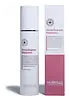
This barrier-repair moisturizer is formulated around Squalane and Centella Asiatica Extract to strengthen the skin barrier and hydrate skin.
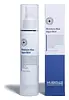
This hydrating toner is formulated around Allantoin and Saccharide Isomerate to hydrate skin and strengthen the skin barrier.

What's inside
What's inside
 Key Ingredients
Benefits
Concerns
Ingredients Side-by-side
Water
Skin ConditioningCaprylic/Capric Triglyceride
Masking


Butylene Glycol
Humectant
Glycerin
Humectant
Cyclopentasiloxane
Emollient
Betaine
Humectant
Squalane
Emollient
Centella Asiatica Extract
Cleansing

Glyceryl Stearate
Emollient

PEG-100 Stearate
Surfactant
Arachidyl Alcohol
Emollient
Behenyl Alcohol
Emollient
Arachidyl Glucoside
EmulsifyingGlucose
Humectant
Batyl Alcohol
EmollientStearic Acid
Cleansing
Lecithin
Emollient
1,2-Hexanediol
Skin Conditioning
Sorbitan Stearate
Emulsifying
Cetearyl Alcohol
Emollient

Sodium Acrylate/Sodium Acryloyldimethyl Taurate Copolymer
Emulsion StabilisingIsohexadecane
EmollientPolysorbate 80
Emulsifying
Sorbitan Oleate
Emulsifying
Caprylyl Glycol
Emollient
Dimethicone
Emollient
Macadamia Ternifolia Seed Oil
Emollient
Carbomer
Emulsion StabilisingArginine
Masking
Tocopheryl Acetate
Antioxidant


Xanthan Gum
EmulsifyingParfum
Masking


Ethylhexylglycerin
Skin ConditioningWater, Caprylic/Capric Triglyceride, Butylene Glycol, Glycerin, Cyclopentasiloxane, Betaine, Squalane, Centella Asiatica Extract, Glyceryl Stearate, PEG-100 Stearate, Arachidyl Alcohol, Behenyl Alcohol, Arachidyl Glucoside, Glucose, Batyl Alcohol, Stearic Acid, Lecithin, 1,2-Hexanediol, Sorbitan Stearate, Cetearyl Alcohol, Sodium Acrylate/Sodium Acryloyldimethyl Taurate Copolymer, Isohexadecane, Polysorbate 80, Sorbitan Oleate, Caprylyl Glycol, Dimethicone, Macadamia Ternifolia Seed Oil, Carbomer, Arginine, Tocopheryl Acetate, Xanthan Gum, Parfum, Ethylhexylglycerin
Water
Skin ConditioningDipropylene Glycol
HumectantButylene Glycol
Humectant
Glycerin
Humectant
1,2-Hexanediol
Skin Conditioning
Glyceryl Caprylate
EmollientBetaine
Humectant
Ethylhexylglycerin
Skin ConditioningPEG-40 Hydrogenated Castor Oil
Emulsifying
Polysorbate 20
Emulsifying
Sodium Citrate
BufferingCitric Acid
Buffering
Allantoin
Skin Conditioning
Cetyl Ethylhexanoate
EmollientSaccharide Isomerate
Humectant
Sodium PCA
Humectant
Xylitylglucoside
Humectant
Sodium Hyaluronate
Humectant
Parfum
Masking
Anhydroxylitol
Humectant
Xylitol
Humectant
Polyglutamic Acid
Skin Conditioning
Glucose
Humectant
Algae Extract
Emollient
Scutellaria Baicalensis Root Extract
Astringent
Hydrolyzed Hyaluronic Acid
Humectant
Sodium Acetylated Hyaluronate
Humectant
Water, Dipropylene Glycol, Butylene Glycol, Glycerin, 1,2-Hexanediol, Glyceryl Caprylate, Betaine, Ethylhexylglycerin, PEG-40 Hydrogenated Castor Oil, Polysorbate 20, Sodium Citrate, Citric Acid, Allantoin, Cetyl Ethylhexanoate, Saccharide Isomerate, Sodium PCA, Xylitylglucoside, Sodium Hyaluronate, Parfum, Anhydroxylitol, Xylitol, Polyglutamic Acid, Glucose, Algae Extract, Scutellaria Baicalensis Root Extract, Hydrolyzed Hyaluronic Acid, Sodium Acetylated Hyaluronate
Ingredients Explained
These ingredients are found in both products.
Ingredients higher up in an ingredient list are typically present in a larger amount.
1,2-Hexanediol is a synthetic liquid and another multi-functional powerhouse.
It is a:
- Humectant, drawing moisture into the skin
- Emollient, helping to soften skin
- Solvent, dispersing and stabilizing formulas
- Preservative booster, enhancing the antimicrobial activity of other preservatives
Betaine is a humectant. Like hyaluronic acid, it helps attract and retain moisture in the skin. It’s known for being gentle and for helping the skin maintain balanced hydration.
Betaine is mainly used to improve hydration and support calmer skin. It helps skin cells regulate water balance because it functions as an osmolyte.
Some studies suggest betaine may support making skin tone more even.
Fun fact: Betaine naturally exists in the skin and the body. In cosmetic products, it can be either plant-derived (most commonly from sugar beets) or synthetically produced for consistency and stability.
Betaine is also known as trimethylglycine.
Learn more about BetaineButylene Glycol (or BG) is used within cosmetic products for a few different reasons:
Overall, Butylene Glycol is a safe and well-rounded ingredient that works well with other ingredients.
Though this ingredient works well with most skin types, some people with sensitive skin may experience a reaction such as allergic rashes, closed comedones, or itchiness.
Learn more about Butylene GlycolEthylhexylglycerin is created from glycerin. It is a multitasker ingredient that:
The CIR Expert Panel found minimal skin absorption or sensitization of any kind in a safety assessment. Though this ingredient is considered well-tolerated, a small number of cases of allergic dermatitis have been published since 2002. Just be sure to patch test if you are unsure.
Industry-reported use ranges from 8% in rinse-off products and 2% in leave-on formulations.
Learn more about EthylhexylglycerinGlucose is a simple sugar (a monosaccharide). In skincare, it is mostly a humectant and skin conditioning agent.
Mechanistically, it has multiple hydroxyl groups that hydrogen-bond to water. This pulls moisture into the upper layers of skin to keep the surface soft and hydrated.
It's worth knowing sugars are already a natural component of the skin's NMF (natural moisturizing factor) so it's a molecule that your stratum corneum is well-acquainted with.
Just so you know, glucose is hydrophilic (water-loving) and the stratum corneum is a strong barrier to hydrophilic compounds. This just means penetration is slow and most of the action is happening on the surface.
Gram-to-gram, glucose is not as efficient as a humectant as glycerin. This is why you'll likely see glycose paired with stronger humectants for a bigger hydration payoff.
In skincare, glucose is typically derived from corn or other starch sources.
Learn more about GlucoseGlycerin (or glycerol) is a compound naturally found in your skin. It's a powerhouse humectant that pulls water into the stratum corneum.
Topically, glycerin does several things at once:
Your skin makes glycerin on its own (mostly from sebaceous oil breakdown) and shuttles it to your outermost layer of skin, or your epidermis, via aquaporin-3.
Aquaporin-3 is a transporter that is essential for normal skin hydration, elasticity, and repair. Interestingly, mice lacking in AQP3 have dry and less elastic skin that can be fully corrected with glycerin.
This ingredient is non-irritating, plays well with almost every ingredient, and works across all skin types. Typical use is anywhere between 3-10% but can go up to 79% in some leave-on products.
Just know very high concentrations (>40%) can feel tacky in low humidity.
Glycerin is the name for this ingredient in American English. British English uses Glycerol/Glycerine.
Learn more about GlycerinParfum is a catch-all term for an ingredient or more that is used to give a scent to products.
Also called "fragrance", this ingredient can be a blend of hundreds of chemicals or plant oils. This means every product with "fragrance" or "parfum" in the ingredients list is a different mixture.
For instance, Habanolide is a proprietary trade name for a specific aroma chemical. When used as a fragrance ingredient in cosmetics, most aroma chemicals fall under the broad labeling category of “FRAGRANCE” or “PARFUM” according to EU and US regulations.
The term 'parfum' or 'fragrance' is not regulated in many countries. In many cases, it is up to the brand to define this term.
For instance, many brands choose to label themselves as "fragrance-free" because they are not using synthetic fragrances. However, their products may still contain ingredients such as essential oils that are considered a fragrance by INCI standards.
One example is Calendula flower extract. Calendula is an essential oil that still imparts a scent or 'fragrance'.
Depending on the blend, the ingredients in the mixture can cause allergies and sensitivities on the skin. Some ingredients that are known EU allergens include linalool and citronellol.
Parfum can also be used to mask or cover an unpleasant scent.
The bottom line is: not all fragrances/parfum/ingredients are created equally. If you are worried about fragrances, we recommend taking a closer look at an ingredient. And of course, we always recommend speaking with a professional.
Learn more about ParfumWater. It's the most common cosmetic ingredient of all. You'll usually see it at the top of ingredient lists, meaning that it makes up the largest part of the product.
So why is it so popular? Water most often acts as a solvent - this means that it helps dissolve other ingredients into the formulation.
You'll also recognize water as that liquid we all need to stay alive. If you see this, drink a glass of water. Remember to stay hydrated!
Learn more about Water

