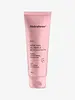
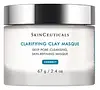
Hidrabene Máscara De Argila Revitalizante Versus SkinCeuticals Clarifying Clay Mask For Acne Prone Skin
This wash off mask is made with Kaolin and Aloe Barbadensis Leaf Extract for a rinse-off oil-control boost.

What's inside
What's inside
 Key Ingredients
Benefits
Concerns
Ingredients Side-by-side
Water
Skin ConditioningKaolin
Abrasive



Glycerin
Humectant


Cetearyl Alcohol
Emollient






CI 77891
Cosmetic ColorantAloe Barbadensis Leaf Extract
Emollient

Caprylic/Capric Triglyceride
Masking
Helianthus Annuus Seed Oil
Emollient
Propanediol
Solvent
Propylene Glycol
Humectant
Ceteareth-20
Cleansing
Bentonite
Absorbent
Citrus Aurantium Dulcis Fruit Extract
MaskingCitrus Limon Fruit Extract
Masking
Phenoxyethanol
Preservative
Rosa Canina Fruit Oil
Emollient
Xanthan Gum
EmulsifyingAlcohol
Antimicrobial

Curcuma Longa Root Extract
Antioxidant

Triethanolamine
BufferingChamomilla Recutita Flower Extract
Masking
Disodium EDTA
ChelatingCaprylyl Glycol
Emollient
Cucumis Sativus Fruit Extract
Emollient
Pentaerythrityl Tetra-Di-T-Butyl Hydroxyhydrocinnamate
Antioxidant
Vaccinium Myrtillus Fruit Extract
Skin ConditioningPEG-12 Dimethicone
Skin Conditioning
Jasminum Officinale Flower Extract
Masking
Lavandula Officinalis Flower Oil
Perfuming
Pelargonium Graveolens Flower Oil
Masking
Rosmarinus Officinalis Leaf Oil
Masking
Saccharum Officinarum Extract
MoisturisingSodium Benzoate
Masking
Potassium Sorbate
Preservative
Tetrasodium EDTA
ChelatingWater, Kaolin, Glycerin, Cetearyl Alcohol, CI 77891, Aloe Barbadensis Leaf Extract, Caprylic/Capric Triglyceride, Helianthus Annuus Seed Oil, Propanediol, Propylene Glycol, Ceteareth-20, Bentonite, Citrus Aurantium Dulcis Fruit Extract, Citrus Limon Fruit Extract, Phenoxyethanol, Rosa Canina Fruit Oil, Xanthan Gum, Alcohol, Curcuma Longa Root Extract, Triethanolamine, Chamomilla Recutita Flower Extract, Disodium EDTA, Caprylyl Glycol, Cucumis Sativus Fruit Extract, Pentaerythrityl Tetra-Di-T-Butyl Hydroxyhydrocinnamate, Vaccinium Myrtillus Fruit Extract, PEG-12 Dimethicone, Jasminum Officinale Flower Extract, Lavandula Officinalis Flower Oil, Pelargonium Graveolens Flower Oil, Rosmarinus Officinalis Leaf Oil, Saccharum Officinarum Extract, Sodium Benzoate, Potassium Sorbate, Tetrasodium EDTA
Water
Skin ConditioningKaolin
Abrasive
Bentonite
Absorbent
Aloe Barbadensis Leaf Extract
Emollient
Aloe Barbadensis Leaf Juice
Skin Conditioning
Propylene Glycol
Humectant
Glycerin
Humectant
CI 77891
Cosmetic ColorantCaprylic/Capric Triglyceride
Masking
Cetearyl Alcohol
Emollient
Dimethicone
Emollient
Lithium Magnesium Sodium Silicate
AbsorbentPhenoxyethanol
Preservative
Vaccinium Myrtillus Fruit Extract
Skin ConditioningCaprylyl Glycol
Emollient
Helianthus Annuus Seed Oil
Emollient
Saccharum Officinarum Extract
MoisturisingSodium Hydroxide
BufferingCitrus Aurantium Dulcis Fruit Water
MaskingCitrus Limon Fruit Extract
Masking
Acer Saccharum Extract
Skin ConditioningChamomilla Recutita Extract
Skin Conditioning
Rosmarinus Officinalis Leaf Oil
Masking
Cucumis Sativus Fruit Extract
Emollient
Pelargonium Graveolens Flower Oil
Masking
Lavandula Hybrida Oil
Emollient
Curcuma Longa Root Extract
Antioxidant
Sclareolide
Masking
Rosa Damascena Flower Oil
Masking
Jasminum Officinale Extract
Masking
Jasminum Sambac Flower Extract
Masking
Water, Kaolin, Bentonite, Aloe Barbadensis Leaf Extract, Aloe Barbadensis Leaf Juice, Propylene Glycol, Glycerin, CI 77891, Caprylic/Capric Triglyceride, Cetearyl Alcohol, Dimethicone, Lithium Magnesium Sodium Silicate, Phenoxyethanol, Vaccinium Myrtillus Fruit Extract, Caprylyl Glycol, Helianthus Annuus Seed Oil, Saccharum Officinarum Extract, Sodium Hydroxide, Citrus Aurantium Dulcis Fruit Water, Citrus Limon Fruit Extract, Acer Saccharum Extract, Chamomilla Recutita Extract, Rosmarinus Officinalis Leaf Oil, Cucumis Sativus Fruit Extract, Pelargonium Graveolens Flower Oil, Lavandula Hybrida Oil, Curcuma Longa Root Extract, Sclareolide, Rosa Damascena Flower Oil, Jasminum Officinale Extract, Jasminum Sambac Flower Extract
Ingredients Explained
These ingredients are found in both products.
Ingredients higher up in an ingredient list are typically present in a larger amount.
Aloe Barbadensis Leaf Extract is a botanical extract pulled from the leaves of aloe vera and one of the most studied plant ingredients in cosmetics.
The inner leaf gel it comes from is mostly water (~99-99.5%) and the remaining fraction is made up of pretty good stuff: polysaccharides, vitamins, phenolics, and enzymes.
Its headline job is hydration.
The star polysaccharide in aloe, acemannan, is a humectant that retains moisture and helps reduce trans-epidermal water loss.
Aloe also has real soothing credentials; it contains anti-inflammatory compounds like bradykinase and C-glucosyl chromone that help calm irritation and redness.
On the repair side, lab work shows that acemannan wakes up your skin's repair cells (fibroblasts), prompting them to multiply and speed up healing.
There's some human data for cosmetic benefit too: a cream containing 10% Aloe Barbadensis leaf extract improved skin hydration and elasticity in a real-use study.
Safety-wise, this ingredient is well-regarded with just one rare downside; there have been some case reports of acute eczema, contact urticaria, and dermatitis in people who applied aloe-derived ingredients topically. Those with a known aloe or Liliaceae sensitivity should patch test.
Typical use levels range widely, from under 1% up to 90%+ depending on the format and the effect you are after.
Learn more about Aloe Barbadensis Leaf ExtractBentonite is an aluminium phyllosilicate clay with great absorbent properties. The name 'bentonite' comes from the area where the largest source is found: Fort Benton, Wyoming.
As a clay, bentonite is often used to absorb excess oil and provide exfoliation. It has also been shown to have some antibacterial and anti-inflammatory properties. Studies show bentonite was effective at calming dermatitis from poison ivy and in diaper dermatitis of infants. Bentonite has also been shown to act as a barrier against toxic compounds on your skin.
Sunscreens containing bentonite display higher water resistance and stay on the skin for much longer. The sunscreens containing bentonite also show higher potency and UV light absorbtion.
Bentonite is naturally created from volcanic ash and several natural weathering/hydrothermal processes.
A common usage of bentonite is removing excess protein from white wines. Bentonite contains a property of being able to absorb large amounts of protein from aqueous solutions.
Phyllosilicate clay has a structure formed by sheets.
Learn more about BentoniteCaprylic/Capric Triglyceride (aka MCT Oil) is a lightweight emollient, solvent, and texture enhancer. It is considered a skin-softener by helping to prevent moisture loss.
Though it behaves like an oil, it is not technically one due to its chemical composition. One perk of this ingredient is that it is very stable, resistant to oxidation, and unlikely to go rancid.
In practice, that translates to a long shelf life and a consistently elegant skin feel.
While there is an assumption Caprylic Triglyceride can clog pores due to it being derived from coconut oil, there is no research supporting this. Just patch test if you have concerns.
Fractionated coconut oil and MCT Oil are both listed as Caprylic/Capric Triglyceride according to INCI. This is because INCI names are based on the ingredient’s final chemical composition and not its marketing name or source.
This ingredient is treated as the gold standard fungal acne safe oil. Even though it is coconut derived, the problematic lauric acid is stripped out.
This leaves just caprylic (C8) and capric (C10) acid. These chain lengths actually trend antifungal; a 2020 study found caprylic acid was enough to disrupt Malassezia furfur cell membrane, with a caprylic acid derivative damaging membrane structures at concentrations as low as 0.2%.
Learn more about Caprylic/Capric TriglycerideCaprylyl Glycol is a humectant, skin conditioner, emollient, and preservative booster derived from either caprylic acid or synthetically created.
Typical use levels vary from 0.3-1% as a preservative booster and go up to 2% to condition skin.
Because it is not a free-fatty acid, this ingredient is fungal acne safe (there's nothing for Malassezia to feed on).
Learn more about Caprylyl GlycolCetearyl alcohol is a waxy mixture of two fatty alcohols: cetyl alcohol and stearyl alcohol. It is an emollient and emulsifier.
Despite having "alcohol" in its name, it has nothing to do with drying solvent alcohols; the FDA also allows "alcohol-free" products to contain fatty alcohols like this ingredient.
It plays several roles in a formula:
Typical use levels for this ingredient sit around 1-10% and the Cosmetic Ingredient Review Expert Panel has affirmed safety at concentrations up to 25% in leave-on products.
Multiple assessments have found it to be non-irritating and non-sensitizing to most people.
However, there have been some cases of allergic contact dermatitis in patients with chronically compromised skin barriers.
Cetearyl alcohol has a comedogenic rating of 2 and irritancy rating of 1. Both of these numbers come from the 1989 study that used rabbit ears; a "2" means mildly comedogenic and a "1" means low irritancy.
Here's the catch: rabbit skin is more sensitive than human skin and throws a lot of false positives. A 1996 reappraisal found that ingredients rated 1-2 in the rabbit ear tests are generally safe for humans.
Remember comedogenic ratings are unable to assess the entire formula of a product or how it will react on your skin. Just be sure to patch test if you are unsure about certain ingredients.
This ingredient is not fungal acne safe. Cetearyl alcohol is a fatty alcohol with chain lengths that fall within the range that Malassezia can metabolize.
A 2019 study has also observed Malassezia growth in the presence of this ingredient, confirming it to be not-fungal acne safe.
Learn more about Cetearyl AlcoholCi 77891 is a white pigment from Titanium dioxide. It is naturally found in minerals such as rutile and ilmenite.
It's main function is to add a white color to cosmetics. It can also be mixed with other colors to create different shades.
Ci 77891 is commonly found in sunscreens due to its ability to block UV rays.
Learn more about CI 77891Citrus Limon Fruit Extract comes from lemons. While lemon extract is exfoliating and antimicrobial, it can also cause skin sensitivity.
Lemons contains antioxidants, which may help with anti-aging. They are also rich in citric acid, an AHA.
And of course, lemons are rich in Vitamin C. Vitamin C helps with skin-brightening and increasing collagen production.
The acidity of lemons may work as an astringent for acne.
However, lemons can also cause skin sensitivity due to its limonene content. It can also increase photosensitivity, or sensitivity to the sun.
This ingredient is also used to add a lemon scent to products.
Learn more about Citrus Limon Fruit ExtractThis extract comes from cucumber. Cucumbers are mostly made up of water (95%), and the other 5% is composed of: vitamin C, caffeic acid, fatty acids, amino acids, and other minerals.
Cucumbers have anti-inflammatory, barrier repair, and hydrating properties.
They contain shikimate dehydrigenase, an enzyme shown to help reduce inflammation and soothe the skin.
The amino acids found in cucumbers help nourish our skin's natural acid mantle (it's an important part of our skin barrier). This slightly acidic film acts as a barrier to protect us from bacteria, viruses, and other contaminants.
Unless you have an allergy to cucumbers, this is generally a non-irritating ingredient.
Fun fact: Cucumis Sativus is native to South Asia and can now be found on every continent.
Learn more about Cucumis Sativus Fruit ExtractCurcuma Longa Root Extract comes from the rhizome (underground stem) of the turmeric plant.
While the official EU Cosing Database lists this ingredient as a fragrance, it actually does more than give products a scent.
This ingredient contains a group of yellow pigments called curcuminoids (mostly curcumin) that give it genuine antioxidant and anti-inflammatory activity in skin.
Reviews of topical clinical studies have found turmeric/curcumin to be generally well-tolerated and useful across conditions like eczema and mild inflammation.
One thing working in its favor is that curcumin barely penetrates; in lab skin-permeation testing, the curcuminoids mostly stayed in the outermost layer of skin. This is a good thing because its soothing and antioxidant activity is a surface-level job anyway.
At this time, industry data shows there's no single "correct" cosmetic percentage. It's used across a wide range depending on the product and varies from tiny fractions of a percent up to a few percent.
Allergy-wise, curcumin is a documented (but uncommon) contact allergen. It can also cross react with related plants, so anyone with a turmeric/ginger/cinnamon allergy or reactive skin should patch test first.
Learn more about Curcuma Longa Root ExtractGlycerin (or glycerol) is a compound naturally found in your skin. It's a powerhouse humectant that pulls water into the stratum corneum.
Topically, glycerin does several things at once:
Your skin makes glycerin on its own (mostly from sebaceous oil breakdown) and shuttles it to your outermost layer of skin, or your epidermis, via aquaporin-3.
Aquaporin-3 is a transporter that is essential for normal skin hydration, elasticity, and repair. Interestingly, mice lacking in AQP3 have dry and less elastic skin that can be fully corrected with glycerin.
This ingredient is non-irritating, plays well with almost every ingredient, and works across all skin types. Typical use is anywhere between 3-10% but can go up to 79% in some leave-on products.
Just know very high concentrations (>40%) can feel tacky in low humidity.
Glycerin is the name for this ingredient in American English. British English uses Glycerol/Glycerine.
Learn more about GlycerinHelianthus Annuus Seed Oil is a plant oil derived from the seeds of a sunflower.
It is rich in fatty acids, primarily linoleic acid and oleic acid. This gives it emollient and skin conditioning properties.
The reason this ingredient is so effective is because it forms a thin film on the skin that reduces transepidermal water loss (TEWL) while supplying linoleic acid to the stratum corneum to improve barrier strength.
The high linoleic acid content is particularly noteworthy for acne-prone skin.
Research suggests that acne-prone skin tends to be deficient in linoleic acid in sebum. Topical application may help replenish this to support a healthier follicular environment and less comedone-promoting sebum.
One randomized study found sunflower seed oil preserved skin barrier integrity in adult volunteers with and without atopic dermatitis (outperforming olive oil).
This ingredient is well-studied, gentle, and an effective emollient suitable for most skin types.
On fungal acne: This ingredient may not be Fungal acne (Malassezia folliculitis) safe. This is because it contains fatty acids with carbon chain lengths in the C11-C24 range.
Learn more about Helianthus Annuus Seed OilKaolin is a clay. It is used for oil control and to help minimize pores. Like other clays, kaolin has the ability to absorb excess sebum or oil. This can help clean out pores and mattify the skin.
Some types of kaolin may have exfoliating properties. When water is added to kaolin, it becomes a paste with small abrasive particles.
Most kaolin is a white color, but may be pink/orange/red depending on where it comes from.
The name 'kaolin' comes from a Chinese village named 'Gaoling'. Kaolin clay comes from rocks rich in kaolinite. Kaolinite, the mineral, has a silicate layered structure. Kaolinite is formed from chemical weathering of aluminum siilicate minerals.
Besides skincare, kaolin is commonly used to make glossy paper, in ceramics, toothpaste, and as medicine to soothe stomach issues.
Learn more about KaolinPelargonium Graveolens Flower Oil is the pressed oil of the Rose Geranium plant. It is volatile, meaning it evaporates off the skin.
Fragrant components of Rose Geranium include citronellol and geraniol. These may cause allergies and skin-sensitivity. We recommend speaking with a professional if you have any concerns.
The scent of Rose Geranium closely resembles traditional roses.
Learn more about Pelargonium Graveolens Flower OilPhenoxyethanol is one of the most widely used preservatives in skincare (and for good reason!).
It has a large spectrum of antimicrobial activity and especially effective bacteria, yeast, and mold while only having a weak effect on your skin's natural microbiome.
On a cellular level, it disrupts the cell membranes of microbes by poking holes that make the cell leak. This shuts down the chemical reactions the microbe needs to make energy so it can no longer survive.
Another perk of this ingredient is that it stays functional across a wide pH range (3-10).
You'll often see it paired with boosters like Ethylhexylglycerin; one study showed that a 1:9 ratio of Ethylhexylglycerin to Phenoxyethanol damages bacterial membranes as effectively as doubling the Phenoxyethanol concentration on its own.
Typical use concentrations range from 0.3-1% depending on the formula, and this ingredient is capped at 1% int the EU.
Safety-wise, the fear mongering does not hold up to the evidence. The EU's Scientific Committee on Consumer Safety and FDA consider it safe as a preservative at up to 1%, including for children of all ages.
Adverse systemic effects only showed up in animal studies at exposures roughly 200x higher than what people get from cosmetics. And despite its very widespread use, this ingredient is a rare sensitizer and allergic reactions are uncommon.
Learn more about PhenoxyethanolPropylene Glycol is a synthetic, colorless, odorless liquid that has been a staple in cosmetics for decades. It is a skin conditioning agent, humectant, and solvent.
As a humectant, it draw water to the skin to reduce flaking and restore suppleness. It's also a solvent that helps dissolve other actives and keeps formulas stable across temperature changes.
The CIR Expert Panel has confirmed this ingredient to be nontoxic and clinical studies show no sensitization at cosmetic use concentrations.
True allergic reactions are quite rare: a 15-year retrospective study of 6,751 patients found only 0.31% had a positive reaction (and less than half were considered clinically relevant).
It seemed that when sensitization does occur, it's most commonly linked to topical medication (like corticosteroids) and not cosmetics. Allergic contact dermatitis also appears largely limited to individuals with underlying skin conditions.
Overall, propylene glycol is a well-studied ingredient that most people can tolerate without issue.
Learn more about Propylene GlycolRosmarinus Officinalis Leaf Oil is an essential oil also known as rosemary essential oil. In skincare, it is a skin conditioning agent and also acts as a natural fragrance that gives products a fresh/herby smell.
The oil is a mix of over 100 volatile compounds with 1,8-cineole, α-pinene, camphor, and verbenone usually leading the pack.
Lab studies credit this oil with antioxidant, anti-inflammatory, and antimicrobial activity. Some research even show rosemary compounds calming acne-related inflammation.
The Cosmetic Ingredient Review (CIR) has concluded rosemary-derived ingredients to be safe when formulated to be nonsensitizing.
Since this is a fragrant essential oil, the main concern is for fragrance-sensitive folks.
Learn more about Rosmarinus Officinalis Leaf OilThis ingredient is also called sugarcane extract. It is a moisturizing humectant and has skin soothing properties.
Similar to hyaluronic acid, sugarcane can attract moisture to your skin.
Glycolic acid is a derivative of sugarcane. While glycolic acid is an AHA with exfoliating properties, sugarcane is not an AHA.
A study from 2021 found the compounds in sugarcane extract to have antioxidant, antimicrobial, and anti-inflammatory activity. The study also suggests these compounds can inhibit skin ageing enzymes and promote collagen synthesis.
Learn more about Saccharum Officinarum ExtractVaccinium Myrtillus Fruit Extract comes from the bilberry plant. This plant is native to Eurasia.
Bilberry contains antioxidant compounds called anthocyanins. Anthocyanins help fight free-radicals. Free-radicals are molecules that may damage your skin cells. Fighting off these molecules can help reduce signs of aging.
Vaccinium Myrtillus Fruit Extract also helps reduce irritation.
Learn more about Vaccinium Myrtillus Fruit ExtractWater. It's the most common cosmetic ingredient of all. You'll usually see it at the top of ingredient lists, meaning that it makes up the largest part of the product.
So why is it so popular? Water most often acts as a solvent - this means that it helps dissolve other ingredients into the formulation.
You'll also recognize water as that liquid we all need to stay alive. If you see this, drink a glass of water. Remember to stay hydrated!
Learn more about Water

