heimish Matcha Biome Perfect Cleansing Oil Versus heimish Matcha Biome Oil-Free Calming Gel Moisturizer
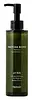
This oil-based makeup remover is made to dissolve makeup, sunscreen, and daily buildup.
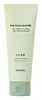
This calming moisturizer is formulated around Camellia Sinensis Leaf Extract and Niacinamide to calm redness and hydrate skin.

What's inside
What's inside
 Key Ingredients
Benefits
Concerns
Ingredients Side-by-side
Olea Europaea Fruit Oil
Masking






Glycine Soja Oil
Emollient


Sorbeth-30 Tetraoleate
Emulsifying
Macadamia Ternifolia Seed Oil
Emollient
Prunus Amygdalus Dulcis Oil
Skin Conditioning
Camellia Sinensis Leaf Extract
Antimicrobial





Lactobacillus Ferment
Skin Conditioning
Saccharomyces Ferment
Skin Conditioning
Moringa Oleifera Seed Oil
Emollient
Ceramide NP
Skin Conditioning
Tocopherol
Antioxidant
Squalane
Emollient
Oleyl Alcohol
Emollient

Octyldodecanol
Emollient
Butyrospermum Parkii Butter
Skin Conditioning
Candida Bombicola/Glucose/Methyl Rapeseedate Ferment
AntimicrobialPhytosphingosine
Skin Conditioning
Hydrogenated Lecithin
Emulsifying
Glycine Soja Sterols
Emollient
1,2-Hexanediol
Skin Conditioning
Water
Skin ConditioningGlycerin
Humectant
Parfum
Masking
Olea Europaea Fruit Oil, Glycine Soja Oil, Sorbeth-30 Tetraoleate, Macadamia Ternifolia Seed Oil, Prunus Amygdalus Dulcis Oil, Camellia Sinensis Leaf Extract, Lactobacillus Ferment, Saccharomyces Ferment, Moringa Oleifera Seed Oil, Ceramide NP, Tocopherol, Squalane, Oleyl Alcohol, Octyldodecanol, Butyrospermum Parkii Butter, Candida Bombicola/Glucose/Methyl Rapeseedate Ferment, Phytosphingosine, Hydrogenated Lecithin, Glycine Soja Sterols, 1,2-Hexanediol, Water, Glycerin, Parfum
Water
Skin ConditioningCamellia Sinensis Leaf Extract
Antimicrobial
Glycerin
Humectant
Butylene Glycol
Humectant
Dicaprylyl Ether
Emollient
Niacinamide
Smoothing


1,2-Hexanediol
Skin Conditioning
Pentylene Glycol
Skin Conditioning
Chlorella Vulgaris Extract
Skin ConditioningMelia Azadirachta Leaf Extract
Skin ConditioningMelia Azadirachta Flower Extract
Skin ConditioningCynanchum Atratum Extract
Skin ConditioningSaccharomyces Ferment
Skin Conditioning
Lactobacillus Ferment
Skin Conditioning
Theobroma Cacao Seed Extract
Antioxidant
Althaea Rosea Flower Extract
Skin ConditioningCentella Asiatica Leaf Extract
Skin Conditioning
Cryptomeria Japonica Leaf Extract
HumectantNelumbo Nucifera Leaf Extract
Skin ConditioningHydrogenated Polydecene
EmollientVinyldimethicone

Caprylyl Methicone
Skin Conditioning
Hydroxyethyl Acrylate/Sodium Acryloyldimethyl Taurate Copolymer
Emulsion StabilisingPanthenol
Skin Conditioning
Acrylates/C10-30 Alkyl Acrylate Crosspolymer
Emulsion StabilisingDimethiconol
Emollient
Sodium Polyacryloyldimethyl Taurate
Emulsion StabilisingGlucose
Humectant
Tromethamine
BufferingGlyceryl Acrylate/Acrylic Acid Copolymer
HumectantDipotassium Glycyrrhizate
Humectant
Fructooligosaccharides
Humectant
Fructose
Humectant
Ethylhexylglycerin
Skin ConditioningCitric Acid
Buffering
Sodium Phytate
ChelatingTocopherol
Antioxidant
Dextrin
AbsorbentDipropylene Glycol
HumectantMadecassoside
Antioxidant
Asiaticoside
Antioxidant
Madecassic Acid
Skin Conditioning
Asiatic Acid
Skin Conditioning
Xanthan Gum
EmulsifyingWater, Camellia Sinensis Leaf Extract, Glycerin, Butylene Glycol, Dicaprylyl Ether, Niacinamide, 1,2-Hexanediol, Pentylene Glycol, Chlorella Vulgaris Extract, Melia Azadirachta Leaf Extract, Melia Azadirachta Flower Extract, Cynanchum Atratum Extract, Saccharomyces Ferment, Lactobacillus Ferment, Theobroma Cacao Seed Extract, Althaea Rosea Flower Extract, Centella Asiatica Leaf Extract, Cryptomeria Japonica Leaf Extract, Nelumbo Nucifera Leaf Extract, Hydrogenated Polydecene, Vinyldimethicone, Caprylyl Methicone, Hydroxyethyl Acrylate/Sodium Acryloyldimethyl Taurate Copolymer, Panthenol, Acrylates/C10-30 Alkyl Acrylate Crosspolymer, Dimethiconol, Sodium Polyacryloyldimethyl Taurate, Glucose, Tromethamine, Glyceryl Acrylate/Acrylic Acid Copolymer, Dipotassium Glycyrrhizate, Fructooligosaccharides, Fructose, Ethylhexylglycerin, Citric Acid, Sodium Phytate, Tocopherol, Dextrin, Dipropylene Glycol, Madecassoside, Asiaticoside, Madecassic Acid, Asiatic Acid, Xanthan Gum
Reviews
Ingredients Explained
These ingredients are found in both products.
Ingredients higher up in an ingredient list are typically present in a larger amount.
1,2-Hexanediol is a synthetic liquid and another multi-functional powerhouse.
It is a:
- Humectant, drawing moisture into the skin
- Emollient, helping to soften skin
- Solvent, dispersing and stabilizing formulas
- Preservative booster, enhancing the antimicrobial activity of other preservatives
Camellia Sinensis Leaf Extract (tea extract) is one of the most well-researched plant extracts in skincare with an impressive resume.
Black tea, green tea, and oolong tea are all harvested from the Camellia Sinensis plant.
Studies show green tea extract and its catechins (like epigallocatechin gallate (EGCG)) help your skin cells product energy more efficiently and reducing the number of free-radicals that can damage your skin from the inside.
In lab-grown skin models, this translated to younger, healthier, and stronger skin.
There's also good sun protection data; researchers saw less DNA damage and redness on human skin when green tea was applied before UVB exposure. And the more they applied, the better the protection.
Needless to say, this ingredient shouldn't replace your sunscreen. But it is a great supportive ingredient that you can already find in many sunscreens and antioxidant serums.
A 2009 study found a 2% green tea lotion was effective for mild-to-moderate acne thanks to its anti-inflammatory and mild antimicrobial activity.
The quality of the extract matters a lot here:
Good extracts contain 50-90% catechins while lower quality ones are mostly there for marketing. We recommend reaching out to the brand if you have questions about the quality or source of their ingredients.
Human Repeated Insult Patch Testing showed no irritation or sensitization at use concentrations (0.86% in leave-on products and up to 30% as leaf water).
Learn more about Camellia Sinensis Leaf ExtractGlycerin (or glycerol) is a compound naturally found in your skin. It's a powerhouse humectant that pulls water into the stratum corneum.
Topically, glycerin does several things at once:
Your skin makes glycerin on its own (mostly from sebaceous oil breakdown) and shuttles it to your outermost layer of skin, or your epidermis, via aquaporin-3.
Aquaporin-3 is a transporter that is essential for normal skin hydration, elasticity, and repair. Interestingly, mice lacking in AQP3 have dry and less elastic skin that can be fully corrected with glycerin.
This ingredient is non-irritating, plays well with almost every ingredient, and works across all skin types. Typical use is anywhere between 3-10% but can go up to 79% in some leave-on products.
Just know very high concentrations (>40%) can feel tacky in low humidity.
Glycerin is the name for this ingredient in American English. British English uses Glycerol/Glycerine.
Learn more about GlycerinThis ingredient is made when the Lactobacillus bacteria (the same kind that makes yogurt and kimchi) are allowed to ferment a nutrient medium.
As it ferments, it collects lactic acid, peptides, enzymes, and other bioactive metabolites to provide:
A 2023 review noted that probiotic fermentation ingredients like this one can enhance antioxidant capacity, reduce UV-induced oxidative damage, and support barrier function.
One clinical study from the same year showed a Lactobacillus ferment lysate significantly reduced transepidermal water loss and improved skin hydration.
Another review highlighted that topical Lactobacillus-based preparations can improve ceramide levels in the stratum corneum, support barrier integrity, and even help reduce S. aureus colonization in atopic dermatitis.
Why is this so cool?
Basically, your skin's outer layer works as a brick wall; skin cells are bricks and ceramides are the mortar holding it together. Moisture escapes, irritants get in, and your skin gets dry and reactive when ceramide levels drop. On top of that, "bad" skin bacteria S. aureus loves to move in when your barrier is weak to make inflammation and irritation worse.
So Lactobacillus ferment is basically patching the wall and evicting the troublemaker when it boosts ceramide production and help keep S. aureus in check.
On top of all this, it also acts as a mild antimicrobial preservative booster.
Just so you know, most studies focus on specific strains or the lysate form rather than this generic "Lactobacillus Ferment", so results can vary.
Though it's a promising ingredient, it doesn't have decades of robust clinical data behind it just yet.
Lactobacillus Ferment is generally considered safe for fungal-acne prone skin. The key thing to understand is that it comes from bacteria, not yeast or fungus.
Yeast-derived ferments (like galactomyces) have been shown to activate a protein that's linked to Malassezia-related skin issues whereas lactobacillus doesn't have that problem.
Its byproducts also don't contain the types of fatty acids (C11-24 chain lengths) that Malassezia feeds on.
Learn more about Lactobacillus FermentSaccharomyces Ferment is what you get when you ferment yeast from Saccharomyces genus and keep the ferment rather than just the strained liquid.
You can think of it like the water-like version of Saccharomyces Ferment Filtrate.
As yeast eats through its growth medium, it leaves behind a nutrient soup of amino acids, peptides, vitamins, and minerals.
The component with the most actual research behind it, beta-glucan, is a polysaccharide that acts as a barrier-supportive humectant with antioxidant and skin-soothing properties.
Typical use concentrations range from 1-3%.
Fungal acne: This ingredient may not be considered fungal-acne safe. Even though Saccharomyces isn't the same yeast as Malassezia, fermentation can produce fatty acids in the C11-24 range that Malassezia feeds on.
Learn more about Saccharomyces FermentTocopherol is a fat-soluble antioxidant known as Vitamin E.
You'll find this ingredient in the vast majority of skincare (for good reason). It works to neutralize free radicals, or unstable molecules generated by UV exposure, pollution, and other environmental stressors, before they can cause oxidative damage to your skin cells.
Topically applied tocopherol has been shown to protect against UV damage by ramping up the skin's own natural defense enzymes.
It also acts as a skin conditioning agent; some studies show that regular topical use can improve the skin's water-binding capacity over 2-4 weeks.
This ingredient is especially loved for being a team player. When combined with Vitamin C, the photoprotective effect of both ingredients roughly doubles and the combo also helps reduce UV-induced DNA damage.
This ingredient has some brightening potential but it's more of a prevention ingredient than spot-fader. Cell studies show it can slow down melanin production but it's worth noting that it's not the most powerful brightener out there.
In formulations, it also serves as a stabilizer that helps protect other oxidation-prone ingredients from degrading.
Concentrations usually range from 0.1-1% in most leave-on products.
Learn more about TocopherolWater. It's the most common cosmetic ingredient of all. You'll usually see it at the top of ingredient lists, meaning that it makes up the largest part of the product.
So why is it so popular? Water most often acts as a solvent - this means that it helps dissolve other ingredients into the formulation.
You'll also recognize water as that liquid we all need to stay alive. If you see this, drink a glass of water. Remember to stay hydrated!
Learn more about Water

