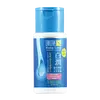
This brightening moisturizer is formulated around Arbutin and Magnesium Ascorbyl Phosphate to fade the look of dark spots and brighten dull-looking skin.
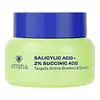
This acne moisturizer is formulated around Centella Asiatica Leaf Extract and Salicylic Acid to clear breakouts and calm redness.


What's inside
What's inside
 Key Ingredients
Benefits
Concerns
Ingredients Side-by-side
Water
Skin ConditioningDipropylene Glycol
HumectantTriethylhexanoin
MaskingIsopropyl Palmitate
Emollient




Arbutin
Antioxidant




Glycerin
Humectant

Glyceryl Stearate Se
Emulsifying
Pentylene Glycol
Skin Conditioning
PEG-20 Sorbitan Isostearate
Emulsifying
Cetyl Alcohol
Emollient

Limnanthes Alba Seed Oil
Skin Conditioning
Xanthan Gum
EmulsifyingHydroxyethyl Ethylcellulose
EmulsifyingMethylparaben
Preservative


Disodium EDTA
ChelatingCarbomer
Emulsion StabilisingTriethanolamine
BufferingSodium Hyaluronate
Humectant


Magnesium Ascorbyl Phosphate
Antioxidant


Water, Dipropylene Glycol, Triethylhexanoin, Isopropyl Palmitate, Arbutin, Glycerin, Glyceryl Stearate Se, Pentylene Glycol, PEG-20 Sorbitan Isostearate, Cetyl Alcohol, Limnanthes Alba Seed Oil, Xanthan Gum, Hydroxyethyl Ethylcellulose, Methylparaben, Disodium EDTA, Carbomer, Triethanolamine, Sodium Hyaluronate, Magnesium Ascorbyl Phosphate
Water
Skin ConditioningGlycerin
Humectant
Succinic Acid
BufferingPropanediol
Solvent
Ammonium Acryloyldimethyltaurate/Vp Copolymer
Dimethicone
Emollient
Sodium Hydroxide
BufferingPropylene Glycol
Humectant
Centella Asiatica Leaf Extract
Skin Conditioning
Salicylic Acid
Masking




Xanthan Gum
Emulsifying1,2-Hexanediol
Skin Conditioning
Cetearyl Olivate
Butylene Glycol
Humectant
Allantoin
Skin Conditioning
Bisabolol
Antioxidant
Chlorphenesin
Antimicrobial
Pentylene Glycol
Skin Conditioning
Dimethicone/Vinyl Dimethicone Crosspolymer
Skin Conditioning
Glycereth-20
HumectantSorbitan Olivate
Emulsifying
Chlorophyllin-Copper Complex
Antioxidant
Tocopheryl Acetate
Antioxidant
Amodimethicone
Carbomer
Emulsion StabilisingDisodium EDTA
ChelatingCaprylhydroxamic Acid
ChelatingLactic Acid
Buffering
Phenoxyethanol
Preservative
Mentha Piperita Leaf Extract
Skin ConditioningPolysorbate 60
Emulsifying
Maltodextrin
Absorbent
Centella Asiatica Extract
Cleansing
Beta-Glucan
Skin Conditioning
Polygonum Cuspidatum Root Extract
Antioxidant
Scutellaria Baicalensis Root Extract
Astringent
Caprylyl Glycol
Emollient
Camellia Sinensis Leaf Extract
Antimicrobial
Glycyrrhiza Glabra Root Extract
Bleaching
Chamomilla Recutita Flower Extract
Masking
Rosmarinus Officinalis Leaf Extract
AntimicrobialPotassium Sorbate
Preservative
Sodium Benzoate
Masking
Water, Glycerin, Succinic Acid, Propanediol, Ammonium Acryloyldimethyltaurate/Vp Copolymer, Dimethicone, Sodium Hydroxide, Propylene Glycol, Centella Asiatica Leaf Extract, Salicylic Acid, Xanthan Gum, 1,2-Hexanediol, Cetearyl Olivate, Butylene Glycol, Allantoin, Bisabolol, Chlorphenesin, Pentylene Glycol, Dimethicone/Vinyl Dimethicone Crosspolymer, Glycereth-20, Sorbitan Olivate, Chlorophyllin-Copper Complex, Tocopheryl Acetate, Amodimethicone, Carbomer, Disodium EDTA, Caprylhydroxamic Acid, Lactic Acid, Phenoxyethanol, Mentha Piperita Leaf Extract, Polysorbate 60, Maltodextrin, Centella Asiatica Extract, Beta-Glucan, Polygonum Cuspidatum Root Extract, Scutellaria Baicalensis Root Extract, Caprylyl Glycol, Camellia Sinensis Leaf Extract, Glycyrrhiza Glabra Root Extract, Chamomilla Recutita Flower Extract, Rosmarinus Officinalis Leaf Extract, Potassium Sorbate, Sodium Benzoate
Reviews
Ingredients Explained
These ingredients are found in both products.
Ingredients higher up in an ingredient list are typically present in a larger amount.
Carbomer is a synthetic thickening and gelling agent. It's basically the ingredient that gives a lot of serums, gels, creams, and sunscreens their smooth, non-sticky texture.
Although legally permitted at very high levels, carbomers are normally used at concentrations below 1%.
It also needs to be neutralized to actually thicken, and because it is a large molecule, it doesn't really penetrate the skin barrier.
Allergy-wise, the risk is very low. Clinical studies show carbomers have low potential for skin irritation/sensitization even at concentrations up to 100%.
A 2024 UK study patch-tested 1,302 patients and found true allergy to the parent group of carbomer to be rare with no confirmed relevant reactions.
Learn more about CarbomerDisodium EDTA is a chelating agent. It grabs onto and deactivates metal ions that sneak into your products from water, packaging, or air.
This ingredient mainly works behind the scenes and helps with:
On top of that, this ingredient can counteract the effects of hard water by binding to the minerals in it.
One thing worth knowing is that Disodium EDTA has been shown to be a mild penetration enhancer. It can help other ingredients absorb into skin more effectively which can be a double-edged sword (great for actives, but can also make the active too strong if you have sensitive skin).
Clinical patch testing showed no significant skin irritation at typical use concentrations and minimal dermal absorption.
You'll most likely see this ingredient near the end of an ingredient list. It's typically found in concentrations less than 1%.
Learn more about Disodium EDTAGlycerin (or glycerol) is a compound naturally found in your skin. It's a powerhouse humectant that pulls water into the stratum corneum.
Topically, glycerin does several things at once:
Your skin makes glycerin on its own (mostly from sebaceous oil breakdown) and shuttles it to your outermost layer of skin, or your epidermis, via aquaporin-3.
Aquaporin-3 is a transporter that is essential for normal skin hydration, elasticity, and repair. Interestingly, mice lacking in AQP3 have dry and less elastic skin that can be fully corrected with glycerin.
This ingredient is non-irritating, plays well with almost every ingredient, and works across all skin types. Typical use is anywhere between 3-10% but can go up to 79% in some leave-on products.
Just know very high concentrations (>40%) can feel tacky in low humidity.
Glycerin is the name for this ingredient in American English. British English uses Glycerol/Glycerine.
Learn more about GlycerinPentylene Glycol (1,2-pentanediol) is a multitasking little diol with three main roles in a formula:
Research on alkanediols (the family pentylene glycol belongs to) show they work by disrupting microbial cell membranes. This disruption helps the primary preservative system in a product work more effectively at lower doses.
On the safety side, the Cosmetic Ingredient Review Expert Panel has concluded this ingredient to be safe as used in current cosmetic practices + concentrations.
Typical use levels in a formula run about 1-5%.
Learn more about Pentylene GlycolWater. It's the most common cosmetic ingredient of all. You'll usually see it at the top of ingredient lists, meaning that it makes up the largest part of the product.
So why is it so popular? Water most often acts as a solvent - this means that it helps dissolve other ingredients into the formulation.
You'll also recognize water as that liquid we all need to stay alive. If you see this, drink a glass of water. Remember to stay hydrated!
Learn more about WaterXanthan gum is used as a stabilizer and thickener within cosmetic products. It helps give products a sticky, thick feeling - preventing them from being too runny.
On the technical side of things, xanthan gum is a polysaccharide - a combination consisting of multiple sugar molecules bonded together.
Xanthan gum is a pretty common and great ingredient. It is a natural, non-toxic, non-irritating ingredient that is also commonly used in food products.
Learn more about Xanthan Gum

