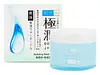
This barrier-repair moisturizer is formulated around Niacinamide and Sodium Hyaluronate to strengthen the skin barrier and hydrate skin.
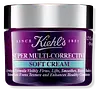
This anti-aging moisturizer is formulated around Niacinamide and Palmitoyl Tetrapeptide-7 to soften the look of wrinkles and refine skin texture.


What's inside
What's inside
 Key Ingredients
Benefits
Concerns
Ingredients Side-by-side
Water
Skin ConditioningAlcohol
Antimicrobial




Glycerin
Humectant


Niacinamide
Smoothing









Butylene Glycol
Humectant
Dimethicone
Emollient
1,2-Hexanediol
Skin Conditioning
Isononyl Isononanoate
EmollientAcrylates/C10-30 Alkyl Acrylate Crosspolymer
Emulsion StabilisingPhenoxyethanol
Preservative
Tromethamine
BufferingEthylhexylglycerin
Skin ConditioningDimethiconol
Emollient
Betaine
Humectant
Xanthan Gum
EmulsifyingAdenosine
Skin Conditioning
Hydrogenated Lecithin
Emulsifying
Tocopheryl Acetate
Antioxidant

Sodium Hyaluronate
Humectant
Piper Methysticum Leaf/Root/Stem Extract
Skin ConditioningPhellinus Linteus Extract
Skin ConditioningHydrolyzed Hyaluronic Acid
Humectant
Arctium Lappa Root Extract
Skin Conditioning
Citrus Medica Peel Oil

Soluble Collagen
Humectant
Portulaca Oleracea Extract
Skin Conditioning
Panthenol
Skin Conditioning
Citrus Grandis Peel Oil
Masking

Citrus Aurantium Bergamia Fruit Oil
Masking
Citrus Aurantium Dulcis Peel Oil
Masking
Pueraria Thunbergiana Root Extract
Skin ConditioningPaeonia Lactiflora Root Extract
Skin ConditioningGlycyrrhiza Glabra Root Extract
Bleaching
Cnidium Officinale Root Extract
Skin ConditioningAloe Barbadensis Leaf Juice
Skin Conditioning
Hydrogenated Phosphatidylcholine
Emulsifying
Raffinose
Skin ConditioningIsostearyl Isostearate
Emollient


Pelargonium Graveolens Flower Oil
Masking
Cholesterol
Emollient
Ceramide NP
Skin Conditioning
Folic Acid
Skin ConditioningTocopheryl Linoleate
Antioxidant
Sodium Acetylated Hyaluronate
Humectant
Potassium Cetyl Phosphate
EmulsifyingInulin Lauryl Carbamate
Emulsion StabilisingCedrus Atlantica Bark Oil
Masking
Cananga Odorata Flower Oil
Masking
Illicium Verum Fruit/Seed Oil
Masking
Cymbopogon Nardus Oil
Masking
Eugenia Caryophyllus Leaf Oil
Masking
CI 42090
Cosmetic ColorantAnthemis Nobilis Flower Oil
Masking
Jasminum Officinale Oil
Masking
Santalum Album Oil
Masking
Ferula Galbaniflua Resin Oil
Antimicrobial
Rose Flower Oil
Masking
Palmitoyl Pentapeptide-4
Skin Conditioning
Water, Alcohol, Glycerin, Niacinamide, Butylene Glycol, Dimethicone, 1,2-Hexanediol, Isononyl Isononanoate, Acrylates/C10-30 Alkyl Acrylate Crosspolymer, Phenoxyethanol, Tromethamine, Ethylhexylglycerin, Dimethiconol, Betaine, Xanthan Gum, Adenosine, Hydrogenated Lecithin, Tocopheryl Acetate, Sodium Hyaluronate, Piper Methysticum Leaf/Root/Stem Extract, Phellinus Linteus Extract, Hydrolyzed Hyaluronic Acid, Arctium Lappa Root Extract, Citrus Medica Peel Oil, Soluble Collagen, Portulaca Oleracea Extract, Panthenol, Citrus Grandis Peel Oil, Citrus Aurantium Bergamia Fruit Oil, Citrus Aurantium Dulcis Peel Oil, Pueraria Thunbergiana Root Extract, Paeonia Lactiflora Root Extract, Glycyrrhiza Glabra Root Extract, Cnidium Officinale Root Extract, Aloe Barbadensis Leaf Juice, Hydrogenated Phosphatidylcholine, Raffinose, Isostearyl Isostearate, Pelargonium Graveolens Flower Oil, Cholesterol, Ceramide NP, Folic Acid, Tocopheryl Linoleate, Sodium Acetylated Hyaluronate, Potassium Cetyl Phosphate, Inulin Lauryl Carbamate, Cedrus Atlantica Bark Oil, Cananga Odorata Flower Oil, Illicium Verum Fruit/Seed Oil, Cymbopogon Nardus Oil, Eugenia Caryophyllus Leaf Oil, CI 42090, Anthemis Nobilis Flower Oil, Jasminum Officinale Oil, Santalum Album Oil, Ferula Galbaniflua Resin Oil, Rose Flower Oil, Palmitoyl Pentapeptide-4
Water
Skin ConditioningGlycerin
Humectant
Hydroxypropyl Tetrahydropyrantriol
Skin ConditioningNiacinamide
Smoothing
Alcohol Denat.
Antimicrobial
Dimethicone
Emollient
Butylene Glycol
Humectant
Propylene Glycol
Humectant
Betaine
Humectant
Coco-Caprylate/Caprate
Emollient
Squalane
Emollient
Caprylyl Methicone
Skin Conditioning
Ammonium Acryloyldimethyltaurate/Vp Copolymer
Hydroxyethylpiperazine Ethane Sulfonic Acid
BufferingInonotus Obliquus Extract
Skin ConditioningAdenosine
Skin Conditioning
Capryloyl Glycine
CleansingMenthoxypropanediol
Masking
Methyldihydrojasmonate
MaskingPalmitoyl Tetrapeptide-7
Skin Conditioning
Palmitoyl Tripeptide-1
Skin Conditioning
Sodium Hydroxide
BufferingTetrasodium Glutamate Diacetate
ChelatingTocopheryl Acetate
Antioxidant
Hydrogenated Lecithin
Emulsifying
Acrylates/C10-30 Alkyl Acrylate Crosspolymer
Emulsion StabilisingAluminum Starch Octenylsuccinate
Absorbent
Carbomer
Emulsion StabilisingCetearyl Alcohol
Emollient
Cetearyl Glucoside
Emulsifying
Polysorbate 20
Emulsifying
Sodium Lactate
Buffering
T-Butyl Alcohol
Perfuming
Dimethiconol
Emollient
Stearyl Dimethicone
Emollient
Chlorphenesin
Antimicrobial
Phenoxyethanol
Preservative
Water, Glycerin, Hydroxypropyl Tetrahydropyrantriol, Niacinamide, Alcohol Denat., Dimethicone, Butylene Glycol, Propylene Glycol, Betaine, Coco-Caprylate/Caprate, Squalane, Caprylyl Methicone, Ammonium Acryloyldimethyltaurate/Vp Copolymer, Hydroxyethylpiperazine Ethane Sulfonic Acid, Inonotus Obliquus Extract, Adenosine, Capryloyl Glycine, Menthoxypropanediol, Methyldihydrojasmonate, Palmitoyl Tetrapeptide-7, Palmitoyl Tripeptide-1, Sodium Hydroxide, Tetrasodium Glutamate Diacetate, Tocopheryl Acetate, Hydrogenated Lecithin, Acrylates/C10-30 Alkyl Acrylate Crosspolymer, Aluminum Starch Octenylsuccinate, Carbomer, Cetearyl Alcohol, Cetearyl Glucoside, Polysorbate 20, Sodium Lactate, T-Butyl Alcohol, Dimethiconol, Stearyl Dimethicone, Chlorphenesin, Phenoxyethanol
Ingredients Explained
These ingredients are found in both products.
Ingredients higher up in an ingredient list are typically present in a larger amount.
Acrylates/C10-30 Alkyl Acrylate Crosspolymer is a synthetic polymer. It is used to thicken, emulsify, and improve the texture of products.
As an emulsifier, it helps stabilize oil-in-water emulsions to give products an elegant feel when applied.
It can also form a thin protective film on skin. One study found that a formula using this polymer helped slow down how quickly other ingredients (like DEET) were absorbed through skin.
A 2024 study of over 1,300 patients confirmed that sensitization to this ingredient is rare. It is also non-mutagenic and has a clean track record.
Learn more about Acrylates/C10-30 Alkyl Acrylate CrosspolymerAdenosine is a purine nucleoside that your body already makes in every cell. In skincare, it acts mainly as a skin conditioning and anti-aging agent.
The way it works is fairly well mapped out:
Your skin has cells called fibroblasts that build collagen (the stuff that keeps skin firm and smooth). Adenosine basically flips a switch on these cells that tells them to get to work making more collagen and other proteins. These cells slow down on their own as skin ages, so Adenosine helps give them a little nudge to keep going.
The clinical backing is pretty solid too.
A blind, randomized, placebo-controlled trial of 126 women aged 45-65 tested a 0.1% cream twice daily and found real improvements in crow's feet and frown lines using a precise 3D skin-mapping technique; these changes showed up by week 3 and held at 2 months.
A later study using Adenosine-loaded dissolving microneedle patches reported gains in wrinkle depth, dermal density, elasticity, and hydration.
On concentrations, South Korea's Ministry of Food and Drug Safety has set 0.04% as the approved functional anti-wrinkle level. You'll typically see this ingredient used somewhere in the 0.04-0.1% range since it works at low doses.
This ingredient has been found safe for cosmetics with the data showing no irritation or sensitization.
Overall, this is a great ingredient for any anti-aging routine and has no photosensitizing effect, so it suits both AM and PM use.
Learn more about AdenosineBetaine is a humectant. Like hyaluronic acid, it helps attract and retain moisture in the skin. It’s known for being gentle and for helping the skin maintain balanced hydration.
Betaine is mainly used to improve hydration and support calmer skin. It helps skin cells regulate water balance because it functions as an osmolyte.
Some studies suggest betaine may support making skin tone more even.
Fun fact: Betaine naturally exists in the skin and the body. In cosmetic products, it can be either plant-derived (most commonly from sugar beets) or synthetically produced for consistency and stability.
Betaine is also known as trimethylglycine.
Learn more about BetaineButylene Glycol (or BG) is used within cosmetic products for a few different reasons:
Overall, Butylene Glycol is a safe and well-rounded ingredient that works well with other ingredients.
Though this ingredient works well with most skin types, some people with sensitive skin may experience a reaction such as allergic rashes, closed comedones, or itchiness.
Learn more about Butylene GlycolDimethicone is a type of synthetic silicone created from natural materials such as quartz. It is also known as polydimethylsiloxane.
What it does:
Dimethicone comes in different viscosities:
Depending on the viscosity, dimethicone has different properties.
Ingredients lists don't always show which type is used, so we recommend reaching out to the brand if you have questions about the viscosity.
This ingredient is unlikely to cause irritation because it does not get absorbed into skin. However, people with silicone allergies should be careful about using this ingredient.
Note: Dimethicone may contribute to pilling. This is because it is not oil or water soluble, so pilling may occur when layered with products. When mixed with heavy oils in a formula, the outcome is also quite greasy.
Learn more about DimethiconeDimethiconol is a silicone that resembles the popular dimethicone. Like other silicones, it is an emollient. Emollients create a thin film on skin to prevent moisture from escaping.
This ingredient helps to create a silky texture and improve spreadability. Due to its high molecular weight and thickness, it is often combined with cyclopentasiloxane.
Glycerin (or glycerol) is a compound naturally found in your skin. It's a powerhouse humectant that pulls water into the stratum corneum.
Topically, glycerin does several things at once:
Your skin makes glycerin on its own (mostly from sebaceous oil breakdown) and shuttles it to your outermost layer of skin, or your epidermis, via aquaporin-3.
Aquaporin-3 is a transporter that is essential for normal skin hydration, elasticity, and repair. Interestingly, mice lacking in AQP3 have dry and less elastic skin that can be fully corrected with glycerin.
This ingredient is non-irritating, plays well with almost every ingredient, and works across all skin types. Typical use is anywhere between 3-10% but can go up to 79% in some leave-on products.
Just know very high concentrations (>40%) can feel tacky in low humidity.
Glycerin is the name for this ingredient in American English. British English uses Glycerol/Glycerine.
Learn more about GlycerinHydrogenated Lecithin is a more stable version of lecithin.
It's made by taking lecithin (a phospholipid commonly found in soybeans and egg yolks) and hydrogenating it. This just means the unsaturated fatty acids are turned into saturated ones so they don't go bad as easily.
This ingredient is an emollient, emulsifier, and penetration enhancer. As an emollient, it helps soften and hydrate skin by trapping moisture within. As an emulsifier, it prevents oil and water ingredients from separating.
Hydrogenated Lecithin can form tiny spherical structures made of phospholipid bilayers called liposomes. These liposomes are able to capture compounds inside their structure and deliver them through the skin barrier.
Because phospholipids are a natural component of our cell membranes, this ingredient is inherently compatible with skin.
A 2021 study found lecithin-based surfactants were less harsh and more tolerable comared to Sodium Lauryl Sulfate (SLS).
Learn more about Hydrogenated LecithinNiacinamide is a multitasking form of vitamin B3 that strengthens the skin barrier, reduces pores and dark spots, regulates oil, and improves signs of aging.
And the best part? It's gentle and well-tolerated by most skin types, including sensitive and reactive skin.
You might have heard of "niacin flush", or the reddening of skin that causes itchiness. Niacinamide has not been found to cause this.
In very rare cases, some individuals may not be able to tolerate niacinamide at all or experience an allergic reaction to it.
If you are experiencing flaking, irritation, and dryness with this ingredient, be sure to double check all your products as this ingredient can be found in all categories of skincare.
When incorporating niacinamide into your routine, look out for concentration amounts. Typically, 5% niacinamide provides benefits such as fading dark spots. However, if you have sensitive skin, it is better to begin with a smaller concentration.
When you apply niacinamide to your skin, your body converts it into nicotinamide adenine dinucleotide (NAD). NAD is an essential coenzyme that is already found in your cells as "fuel" and powers countless biological processes.
In your skin, NAD helps repair cell damage, produce new healthy cells, support collagen production, strengthen the skin barrier, and fight environmental stressors (like UV and pollution).
Our natural NAD levels start to decline with age, leading to slower skin repair, visible aging, and a weaker skin barrier. By providing your skin niacinamide, you're recharging your skin's NAD levels. This leads to stronger, healthier, and younger looking skin.
Another name for vitamin B3 is nicotinamide. This vitamin is water-soluble and our bodies don't store it. We obtain Vitamin B3 from either food or skincare. Meat, fish, wheat, yeast, and leafy greens contain vitamin B3.
The type of niacinamide used in skincare is synthetically created.
Learn more about NiacinamidePhenoxyethanol is one of the most widely used preservatives in skincare (and for good reason!).
It has a large spectrum of antimicrobial activity and especially effective bacteria, yeast, and mold while only having a weak effect on your skin's natural microbiome.
On a cellular level, it disrupts the cell membranes of microbes by poking holes that make the cell leak. This shuts down the chemical reactions the microbe needs to make energy so it can no longer survive.
Another perk of this ingredient is that it stays functional across a wide pH range (3-10).
You'll often see it paired with boosters like Ethylhexylglycerin; one study showed that a 1:9 ratio of Ethylhexylglycerin to Phenoxyethanol damages bacterial membranes as effectively as doubling the Phenoxyethanol concentration on its own.
Typical use concentrations range from 0.3-1% depending on the formula, and this ingredient is capped at 1% int the EU.
Safety-wise, the fear mongering does not hold up to the evidence. The EU's Scientific Committee on Consumer Safety and FDA consider it safe as a preservative at up to 1%, including for children of all ages.
Adverse systemic effects only showed up in animal studies at exposures roughly 200x higher than what people get from cosmetics. And despite its very widespread use, this ingredient is a rare sensitizer and allergic reactions are uncommon.
Learn more about PhenoxyethanolTocopheryl Acetate is a stable, shelf-friendly form of vitamin E.
Formulators love it because plain vitamin E oxidizes quickly once it hits air. This acetate version stays stable and resists going off, helping to extend a product's shelf life.
It's actually inactive on its own and works like a slow-release "storage" form; the enzymes in your skin called esterases gradually convert it into active vitamin E over time.
One in vivo study showed 5% of the acetate in the living layer of the epidermis converted to vitamin E after 5 days of application. This study also found the skin gained protection against UV damage even though the conversion was slow and small.
Once converted, vitamin E acts as a skin's main fat-soluble antioxidant that fights free radicals to protect skin from damage.
Topical vitamin E generally boosts the skin's photoprotection, and it reduced UV-damage in animal models.
This ingredient has some brightening potential but it's more of a prevention ingredient than spot-fader. Cell studies show it can slow down melanin production but it's worth noting that it's not the most powerful brightener out there.
Overall, it has a pretty solid safety profile and has been found to be non-irritating and non-comedogenic. Allergic reactions may happen but stay rare due to how widely the ingredient gets used.
The concentration will vary depending on the formula; industry data shows 0.1% in baby lotions, 3% in lipsticks, and 5% in foot powders. You can also find this ingredient at 100% in a pure vitamin E oil.
Most leave-on skincare keeps it at the lower end, often between 0.5-1%.
Learn more about Tocopheryl AcetateWater. It's the most common cosmetic ingredient of all. You'll usually see it at the top of ingredient lists, meaning that it makes up the largest part of the product.
So why is it so popular? Water most often acts as a solvent - this means that it helps dissolve other ingredients into the formulation.
You'll also recognize water as that liquid we all need to stay alive. If you see this, drink a glass of water. Remember to stay hydrated!
Learn more about Water

