This lip moisturizer is formulated around Citrullus Lanatus Seed Oil and Citrullus Lanatus Fruit Extract to calm irritation.
This smoothing lip moisturizer is formulated around Tetrahexyldecyl Ascorbate and Palmitoyl Tripeptide-1 to refine skin texture.

What's inside
What's inside
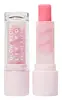 Key Ingredients
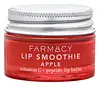
Benefits
Concerns
Ingredients Side-by-side
Polyglyceryl-2 Triisostearate
Emulsifying

Polyethylene
Abrasive

Caprylic/Capric Triglyceride
Masking


Diisostearyl Malate
EmollientPentaerythrityl Tetraisostearate
Emollient
Phytosteryl/Isostearyl/Cetyl/Stearyl/Behenyl Dimer Dilinoleate
Skin Conditioning
Hydrogenated Polyisobutene
EmollientOctyldodecanol
Emollient
Tridecyl Trimellitate
EmollientTrioctyldodecyl Citrate
EmollientDipentaerythrityl Hexahydroxystearate/Hexastearate/Hexarosinate
Skin ConditioningMacadamia Seed Oil Polyglyceryl-6 Esters Behenate
Emollient
Synthetic Wax
Abrasive
Silica Dimethyl Silylate
EmollientCitrullus Lanatus Seed Oil
Emollient
Coconut Flower Sugar
Antioxidant
Isostearic Acid
Cleansing
Sucrose
Humectant
Citrullus Lanatus Fruit Extract
Skin Conditioning
Hibiscus Sabdariffa Flower Extract
Skin ConditioningTocopherol
Antioxidant




Stearalkonium Hectorite
Gel FormingEthylene/Propylene Copolymer
Abrasive
Propylene Carbonate
SolventEuphorbia Cerifera Cera
Astringent
Citric Acid
Buffering
Maltodextrin
Absorbent
Copernicia Cerifera Cera
Emollient
Dehydroacetic Acid
Preservative
Propylene Glycol
Humectant
Water
Skin ConditioningMalic Acid
Buffering

Ascorbic Acid
Antioxidant

Tartaric Acid
Buffering
Crataegus Monogyna Flower Extract
Skin ConditioningPotassium Sorbate
Preservative
Viola Tricolor Extract
EmollientCI 45410
Cosmetic ColorantCI 15850
Cosmetic ColorantCI 19140
Cosmetic ColorantParfum
Masking

Sodium Benzoate
Masking
Polyglyceryl-2 Triisostearate, Polyethylene, Caprylic/Capric Triglyceride, Diisostearyl Malate, Pentaerythrityl Tetraisostearate, Phytosteryl/Isostearyl/Cetyl/Stearyl/Behenyl Dimer Dilinoleate, Hydrogenated Polyisobutene, Octyldodecanol, Tridecyl Trimellitate, Trioctyldodecyl Citrate, Dipentaerythrityl Hexahydroxystearate/Hexastearate/Hexarosinate, Macadamia Seed Oil Polyglyceryl-6 Esters Behenate, Synthetic Wax, Silica Dimethyl Silylate, Citrullus Lanatus Seed Oil, Coconut Flower Sugar, Isostearic Acid, Sucrose, Citrullus Lanatus Fruit Extract, Hibiscus Sabdariffa Flower Extract, Tocopherol, Stearalkonium Hectorite, Ethylene/Propylene Copolymer, Propylene Carbonate, Euphorbia Cerifera Cera, Citric Acid, Maltodextrin, Copernicia Cerifera Cera, Dehydroacetic Acid, Propylene Glycol, Water, Malic Acid, Ascorbic Acid, Tartaric Acid, Crataegus Monogyna Flower Extract, Potassium Sorbate, Viola Tricolor Extract, CI 45410, CI 15850, CI 19140, Parfum, Sodium Benzoate
Hydrogenated Polyisobutene
EmollientDiisostearyl Malate
EmollientPhytosteryl/Isostearyl/Cetyl/Stearyl/Behenyl Dimer Dilinoleate
Skin Conditioning
Caprylic/Capric Triglyceride
Masking
Polybutene
Mangifera Indica Seed Butter
Skin Conditioning
Synthetic Wax
Abrasive
Ethylene/Propylene/Styrene Copolymer
Euphorbia Cerifera Wax
Brassica Campestris/Aleurites Fordi Oil Copolymer
Skin Conditioning
Butyrospermum Parkii Butter
Skin Conditioning
Tetrahexyldecyl Ascorbate
Antioxidant
Palmitoyl Tripeptide-1
Skin Conditioning
Pyrus Malus Fruit Extract
Skin Conditioning
Glycerin
Humectant
Moringa Oleifera Seed Oil
Emollient
Curcuma Longa Leaf Extract
Skin ConditioningSolanum Melongena Fruit Extract
Skin ConditioningCoccinia Indica Fruit Extract
Skin Conditioning
Ocimum Sanctum Leaf Extract
Skin ConditioningCorallina Officinalis Extract
Skin Conditioning
Melia Azadirachta Leaf Extract
Skin ConditioningMelia Azadirachta Flower Extract
Skin ConditioningMelia Azadirachta Extract
Skin ConditioningTocopherol
Antioxidant
Tribehenin
Emollient
Ethylhexyl Palmitate
Emollient
Glyceryl Caprylate
EmollientMalic Acid
Buffering
Lactic Acid
Buffering
Sorbitan Isostearate
Emulsifying
Amber Powder
Pentaerythrityl Tetra-Di-T-Butyl Hydroxyhydrocinnamate
Antioxidant
Butylene/Ethylene/Styrene Copolymer
Aroma
Limonene
Perfuming
Hydrogenated Polyisobutene, Diisostearyl Malate, Phytosteryl/Isostearyl/Cetyl/Stearyl/Behenyl Dimer Dilinoleate, Caprylic/Capric Triglyceride, Polybutene, Mangifera Indica Seed Butter, Synthetic Wax, Ethylene/Propylene/Styrene Copolymer, Euphorbia Cerifera Wax, Brassica Campestris/Aleurites Fordi Oil Copolymer, Butyrospermum Parkii Butter, Tetrahexyldecyl Ascorbate, Palmitoyl Tripeptide-1, Pyrus Malus Fruit Extract, Glycerin, Moringa Oleifera Seed Oil, Curcuma Longa Leaf Extract, Solanum Melongena Fruit Extract, Coccinia Indica Fruit Extract, Ocimum Sanctum Leaf Extract, Corallina Officinalis Extract, Melia Azadirachta Leaf Extract, Melia Azadirachta Flower Extract, Melia Azadirachta Extract, Tocopherol, Tribehenin, Ethylhexyl Palmitate, Glyceryl Caprylate, Malic Acid, Lactic Acid, Sorbitan Isostearate, Amber Powder, Pentaerythrityl Tetra-Di-T-Butyl Hydroxyhydrocinnamate, Butylene/Ethylene/Styrene Copolymer, Aroma, Limonene
Reviews
Ingredients Explained
These ingredients are found in both products.
Ingredients higher up in an ingredient list are typically present in a larger amount.
Caprylic/Capric Triglyceride (aka MCT Oil) is a lightweight emollient, solvent, and texture enhancer. It is considered a skin-softener by helping to prevent moisture loss.
Though it behaves like an oil, it is not technically one due to its chemical composition. One perk of this ingredient is that it is very stable, resistant to oxidation, and unlikely to go rancid.
In practice, that translates to a long shelf life and a consistently elegant skin feel.
While there is an assumption Caprylic Triglyceride can clog pores due to it being derived from coconut oil, there is no research supporting this. Just patch test if you have concerns.
Fractionated coconut oil and MCT Oil are both listed as Caprylic/Capric Triglyceride according to INCI. This is because INCI names are based on the ingredient’s final chemical composition and not its marketing name or source.
This ingredient is treated as the gold standard fungal acne safe oil. Even though it is coconut derived, the problematic lauric acid is stripped out.
This leaves just caprylic (C8) and capric (C10) acid. These chain lengths actually trend antifungal; a 2020 study found caprylic acid was enough to disrupt Malassezia furfur cell membrane, with a caprylic acid derivative damaging membrane structures at concentrations as low as 0.2%.
Learn more about Caprylic/Capric TriglycerideDiisostearyl Malate is an emollient and most often used in lip products. It comes from isostearyl alcohol, a fatty acid, and malic acid, an AHA.
As an emollient, Diisostearyl Malate helps create a thin film on your skin to trap moisture in. This helps keep your skin soft and smooth.
Hydrogenated Polyisobutene is a synthetic polymer. Polymers are compounds with high molecular weight. Hydrogenated Polyisobutene is an emollient and texture enhancer.
In one study, Hydrogenated Polyisobutene showed better skin hydration levels than Caprylic/Capric Triglyceride. As an emollient, it helps keep your skin soft and hydrated by trapping moisture in.
Hydrogenated Polyisobutene is often used as a mineral oil replacement.
Learn more about Hydrogenated PolyisobuteneMalic Acid is an acid with both AHA and BHA properties, but is considered an AHA because its AHA properties are stronger.
It can be naturally found in unripe fruit and especially apples (its name from the latin word "malum", meaning apple!).
Like other AHAs, malic acid gently removes the top layer of dead skin cells to reveal smoother, brighter skin underneath.
Though it’s considered milder and less potent than glycolic or lactic acid, it can help improve:
Due to its larger molecular structure, it penetrates the skin more slowly and is often used in combination with other AHAs to enhance their overall effectiveness.
Malic acid often plays a role in balancing a product’s pH and is usually included in small amounts (around 1-2%) as a supporting exfoliant.
As with all exfoliating acids, you should wear sunscreen daily when using malic acid to protect your newly resurfaced skin.
Fun fact: Malic acid is the compound responsible for the tart flavor of apples and other sour fruits.
While research on malic acid is limited compared to glycolic or lactic acid, it’s still a safe and mild exfoliant.
Read more about some other popular AHA's here:
Learn more about Malic AcidThis is a plant-derived ester that functions as a skin conditioner. It's basically a two linoleic acid molecules combined with fatty alcohols.
In practice, it works as a rich emollient that helps reduce moisture loss and give skin a soft appearance.
The phytosterol part of this ingredient brings an added structural bonus: phytosterols are structurally similar to cholesterol so they can fit right into the stratum corneum's lipid matrix to help reinforce the skin barrier.
Due to its molecular structure, this ingredient delivers a cushiony and glossy feeling without being excessively greasy.
It did not produce skin irritation or sensitization in clinical studies, and this ingredient is deemed safe to use in cosmetics at current practices.
Because this ingredient contains C16, C18, and C22 fatty chains, it may not be Malassezia/fungal acne safe. The Malassezia yeast potentially feeds on fatty acids in the C11-C24 range.
Learn more about Phytosteryl/Isostearyl/Cetyl/Stearyl/Behenyl Dimer DilinoleateSynthetic Wax is a manufactured hydrocarbon wax. In formulas, it works as an occlusive emollient that helps reduce water loss and improves the spreadability of products.
Research comparing synthetic wax to traditional mineral-derived products found that formulas containing it perform as well for skin hydration.
It is considered non-comedogenic and vegan-friendly.
This ingredient has a well-established safety record by the CIR Expert Panel for Cosmetic Ingredient Safety.
Synthetic Waxes are straight/branched-chain hydrocarbons with no ester bond or fatty acids. That means there is nothing for the Malassezia yeast to feed on.
Learn more about Synthetic WaxTocopherol is a fat-soluble antioxidant known as Vitamin E.
You'll find this ingredient in the vast majority of skincare (for good reason). It works to neutralize free radicals, or unstable molecules generated by UV exposure, pollution, and other environmental stressors, before they can cause oxidative damage to your skin cells.
Topically applied tocopherol has been shown to protect against UV damage by ramping up the skin's own natural defense enzymes.
It also acts as a skin conditioning agent; some studies show that regular topical use can improve the skin's water-binding capacity over 2-4 weeks.
This ingredient is especially loved for being a team player. When combined with Vitamin C, the photoprotective effect of both ingredients roughly doubles and the combo also helps reduce UV-induced DNA damage.
This ingredient has some brightening potential but it's more of a prevention ingredient than spot-fader. Cell studies show it can slow down melanin production but it's worth noting that it's not the most powerful brightener out there.
In formulations, it also serves as a stabilizer that helps protect other oxidation-prone ingredients from degrading.
Concentrations usually range from 0.1-1% in most leave-on products.
Learn more about Tocopherol

