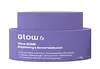
Glow FX Glow Bomb Brightening & Barrier Moisturizer Versus Facetology Triple Care 15% Total Advanced Brightening Active Serum
This barrier-repair moisturizer is formulated around Niacinamide and Panthenol to strengthen the skin barrier and brighten dull-looking skin.
This brightening serum is formulated around Niacinamide and Alpha-Arbutin to fade the look of dark spots and brighten dull-looking skin.

What's inside
What's inside
 Key Ingredients
Benefits
Concerns
Ingredients Side-by-side
Water
Skin ConditioningPEG/PPG-14/7 Dimethyl Ether
Skin ConditioningNiacinamide
Smoothing











Panthenol
Skin Conditioning
Glycerin
Humectant
Butylene Glycol
Humectant
Hydrogenated Polyisobutene
EmollientAspergillus/Saccharomyces/Rice Ferment Filtrate
Humectant

Propylene Glycol
Humectant
Arachidyl Alcohol
Emollient
Dimethicone
Emollient
Dipropylene Glycol
HumectantBehenyl Alcohol
Emollient
Phenoxyethanol
Preservative
Squalane
Emollient
Acrylates/C10-30 Alkyl Acrylate Crosspolymer
Emulsion StabilisingPolyacrylate Crosspolymer-6
Emulsion StabilisingArachidyl Glucoside
EmulsifyingMethylpropanediol
SolventMadecassoside
Antioxidant
Disodium EDTA
ChelatingDipotassium Glycyrrhizate
Humectant
Lauric Acid
Cleansing

Chlorphenesin
Antimicrobial
Aminomethyl Propanol
BufferingPolyglyceryl-10 Laurate
Skin Conditioning
1,2-Hexanediol
Skin Conditioning
Amylopectin
Pentylene Glycol
Skin Conditioning
Tocopherol
Antioxidant
Lecithin
Emollient
Lauryl Alcohol Diphosphonic Acid
Emulsion StabilisingCysteamine Hcl
Antioxidant
Ceramide NP
Skin Conditioning
Ceramide AP
Skin Conditioning
Ceramide EOP
Skin Conditioning
Ceramide As
Skin Conditioning
Ceramide Ns
Skin Conditioning
Cholesterol
Emollient
Lithothamnion Calcareum Extract
Skin ConditioningEthylhexylglycerin
Skin ConditioningLactic Acid
Buffering

Sodium Benzoate
Masking
Laminaria Digitata Extract
Skin Protecting
Potassium Sorbate
Preservative
Citric Acid
Buffering
Biosaccharide Gum-1
Humectant
Hydrogenated Lecithin
Emulsifying
Xanthan Gum
EmulsifyingCetyl-Pg Hydroxyethyl Palmitamide
Skin ConditioningWater, PEG/PPG-14/7 Dimethyl Ether, Niacinamide, Panthenol, Glycerin, Butylene Glycol, Hydrogenated Polyisobutene, Aspergillus/Saccharomyces/Rice Ferment Filtrate, Propylene Glycol, Arachidyl Alcohol, Dimethicone, Dipropylene Glycol, Behenyl Alcohol, Phenoxyethanol, Squalane, Acrylates/C10-30 Alkyl Acrylate Crosspolymer, Polyacrylate Crosspolymer-6, Arachidyl Glucoside, Methylpropanediol, Madecassoside, Disodium EDTA, Dipotassium Glycyrrhizate, Lauric Acid, Chlorphenesin, Aminomethyl Propanol, Polyglyceryl-10 Laurate, 1,2-Hexanediol, Amylopectin, Pentylene Glycol, Tocopherol, Lecithin, Lauryl Alcohol Diphosphonic Acid, Cysteamine Hcl, Ceramide NP, Ceramide AP, Ceramide EOP, Ceramide As, Ceramide Ns, Cholesterol, Lithothamnion Calcareum Extract, Ethylhexylglycerin, Lactic Acid, Sodium Benzoate, Laminaria Digitata Extract, Potassium Sorbate, Citric Acid, Biosaccharide Gum-1, Hydrogenated Lecithin, Xanthan Gum, Cetyl-Pg Hydroxyethyl Palmitamide
Water
Skin ConditioningNiacinamide
Smoothing
Alpha-Arbutin
Antioxidant
Tranexamic Acid
Astringent
Methylpropanediol
SolventBetaine
Humectant
Diglycerin
Humectant
Nicotinamide Mononucleotide
Antioxidant
Hydrolyzed Rice Extract
Skin Conditioning
Saussurea Involucrata Extract
HumectantPhenoxyethanol
Preservative
Xanthan Gum
EmulsifyingPEG-40 Hydrogenated Castor Oil
Emulsifying
Polyglycerin-3
Humectant
Benzotriazolyl Dodecyl P-Cresol
UV AbsorberDisodium EDTA
ChelatingEthylhexylglycerin
Skin ConditioningAlgin
MaskingHydroxyethylpiperazine Ethane Sulfonic Acid
BufferingPotassium Sorbate
Preservative
Sodium Benzoate
Masking
Calcium Chloride
AstringentCI 19140
Cosmetic ColorantCaramel
Cosmetic ColorantWater, Niacinamide, Alpha-Arbutin, Tranexamic Acid, Methylpropanediol, Betaine, Diglycerin, Nicotinamide Mononucleotide, Hydrolyzed Rice Extract, Saussurea Involucrata Extract, Phenoxyethanol, Xanthan Gum, PEG-40 Hydrogenated Castor Oil, Polyglycerin-3, Benzotriazolyl Dodecyl P-Cresol, Disodium EDTA, Ethylhexylglycerin, Algin, Hydroxyethylpiperazine Ethane Sulfonic Acid, Potassium Sorbate, Sodium Benzoate, Calcium Chloride, CI 19140, Caramel
Ingredients Explained
These ingredients are found in both products.
Ingredients higher up in an ingredient list are typically present in a larger amount.
Disodium EDTA is a chelating agent. It grabs onto and deactivates metal ions that sneak into your products from water, packaging, or air.
This ingredient mainly works behind the scenes and helps with:
On top of that, this ingredient can counteract the effects of hard water by binding to the minerals in it.
One thing worth knowing is that Disodium EDTA has been shown to be a mild penetration enhancer. It can help other ingredients absorb into skin more effectively which can be a double-edged sword (great for actives, but can also make the active too strong if you have sensitive skin).
Clinical patch testing showed no significant skin irritation at typical use concentrations and minimal dermal absorption.
You'll most likely see this ingredient near the end of an ingredient list. It's typically found in concentrations less than 1%.
Learn more about Disodium EDTAEthylhexylglycerin is created from glycerin. It is a multitasker ingredient that:
The CIR Expert Panel found minimal skin absorption or sensitization of any kind in a safety assessment. Though this ingredient is considered well-tolerated, a small number of cases of allergic dermatitis have been published since 2002. Just be sure to patch test if you are unsure.
Industry-reported use ranges from 8% in rinse-off products and 2% in leave-on formulations.
Learn more about EthylhexylglycerinMethylpropanediol is a synthetic solvent and humectant.
As a solvent, it helps dissolve other ingredients, helping to evenly distribute ingredients throughout the product. This ingredient has also been shown to have antimicrobial properties which makes it a preservative booster.
Methylpropanediol is able to add a bit of moisture to the skin. It also helps other ingredients be better absorbed into the skin, such as salicylic acid.
Learn more about MethylpropanediolNiacinamide is a multitasking form of vitamin B3 that strengthens the skin barrier, reduces pores and dark spots, regulates oil, and improves signs of aging.
And the best part? It's gentle and well-tolerated by most skin types, including sensitive and reactive skin.
You might have heard of "niacin flush", or the reddening of skin that causes itchiness. Niacinamide has not been found to cause this.
In very rare cases, some individuals may not be able to tolerate niacinamide at all or experience an allergic reaction to it.
If you are experiencing flaking, irritation, and dryness with this ingredient, be sure to double check all your products as this ingredient can be found in all categories of skincare.
When incorporating niacinamide into your routine, look out for concentration amounts. Typically, 5% niacinamide provides benefits such as fading dark spots. However, if you have sensitive skin, it is better to begin with a smaller concentration.
When you apply niacinamide to your skin, your body converts it into nicotinamide adenine dinucleotide (NAD). NAD is an essential coenzyme that is already found in your cells as "fuel" and powers countless biological processes.
In your skin, NAD helps repair cell damage, produce new healthy cells, support collagen production, strengthen the skin barrier, and fight environmental stressors (like UV and pollution).
Our natural NAD levels start to decline with age, leading to slower skin repair, visible aging, and a weaker skin barrier. By providing your skin niacinamide, you're recharging your skin's NAD levels. This leads to stronger, healthier, and younger looking skin.
Another name for vitamin B3 is nicotinamide. This vitamin is water-soluble and our bodies don't store it. We obtain Vitamin B3 from either food or skincare. Meat, fish, wheat, yeast, and leafy greens contain vitamin B3.
The type of niacinamide used in skincare is synthetically created.
Learn more about NiacinamidePhenoxyethanol is one of the most widely used preservatives in skincare (and for good reason!).
It has a large spectrum of antimicrobial activity and especially effective bacteria, yeast, and mold while only having a weak effect on your skin's natural microbiome.
On a cellular level, it disrupts the cell membranes of microbes by poking holes that make the cell leak. This shuts down the chemical reactions the microbe needs to make energy so it can no longer survive.
Another perk of this ingredient is that it stays functional across a wide pH range (3-10).
You'll often see it paired with boosters like Ethylhexylglycerin; one study showed that a 1:9 ratio of Ethylhexylglycerin to Phenoxyethanol damages bacterial membranes as effectively as doubling the Phenoxyethanol concentration on its own.
Typical use concentrations range from 0.3-1% depending on the formula, and this ingredient is capped at 1% int the EU.
Safety-wise, the fear mongering does not hold up to the evidence. The EU's Scientific Committee on Consumer Safety and FDA consider it safe as a preservative at up to 1%, including for children of all ages.
Adverse systemic effects only showed up in animal studies at exposures roughly 200x higher than what people get from cosmetics. And despite its very widespread use, this ingredient is a rare sensitizer and allergic reactions are uncommon.
Learn more about PhenoxyethanolPotassium Sorbate is a preservative used to prevent yeast and mold in products. It is commonly found in both cosmetic and food products.
This ingredient comes from potassium salt derived from sorbic acid. Sorbic acid is a natural antibiotic and effective against fungus.
Both potassium sorbate and sorbic acid can be found in baked goods, cheeses, dried meats, dried fruit, ice cream, pickles, wine, yogurt, and more.
You'll often find this ingredient used with other preservatives.
Learn more about Potassium SorbateSodium Benzoate is a preservative. It's used in both cosmetic and food products to inhibit the growth of mold and bacteria. It is typically produced synthetically.
Both the US FDA and EU Health Committee have approved the use of sodium benzoate. In the US, levels of 0.1% (of the total product) are allowed.
Sodium benzoate works as a preservative by inhibiting the growth of bacteria inside of cells. It prevents the cell from fermenting a type of sugar using an enzyme called phosphofructokinase.
It is the salt of benzoic acid. Foods containing sodium benzoate include soda, salad dressings, condiments, fruit juices, wines, and snack foods.
Studies for using ascorbic acid and sodium benzoate in cosmetics are lacking, especially in skincare routines with multiple steps.
We always recommend speaking with a professional, such as a dermatologist, if you have any concerns.
Learn more about Sodium BenzoateWater. It's the most common cosmetic ingredient of all. You'll usually see it at the top of ingredient lists, meaning that it makes up the largest part of the product.
So why is it so popular? Water most often acts as a solvent - this means that it helps dissolve other ingredients into the formulation.
You'll also recognize water as that liquid we all need to stay alive. If you see this, drink a glass of water. Remember to stay hydrated!
Learn more about WaterXanthan gum is used as a stabilizer and thickener within cosmetic products. It helps give products a sticky, thick feeling - preventing them from being too runny.
On the technical side of things, xanthan gum is a polysaccharide - a combination consisting of multiple sugar molecules bonded together.
Xanthan gum is a pretty common and great ingredient. It is a natural, non-toxic, non-irritating ingredient that is also commonly used in food products.
Learn more about Xanthan Gum

