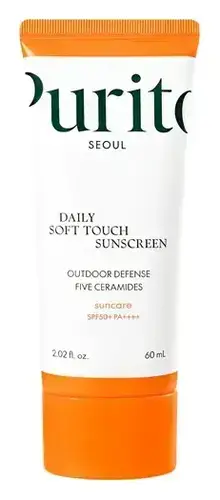
This chemical sunscreen covers most of the UV range, lighter on the deep UVA that drives aging.
This chemical sunscreen covers the full UV range, though its SPF isn't confirmed on file yet.


What's inside
What's inside
 Key Ingredients
Benefits
Concerns
Ingredients Side-by-side
Butyl Methoxydibenzoylmethane 3%
UV Absorber
Homosalate 7%
Skin Conditioning
Ethylhexyl Salicylate 5%
UV Absorber
Octocrylene 10%
UV Absorber

Isododecane
EmollientDimethicone/Bis-Isobutyl PPG-20 Crosspolymer
Emollient
Caprylic/Capric Triglyceride
Masking


Butyloctyl Salicylate
Skin Conditioning
Polysilicone-22
Dimethicone Crosspolymer
Emulsion Stabilising
Dicaprylyl Ether
Emollient
Glycine Soja Oil
Emollient






Carthamus Tinctorius Seed Oil
Masking
Polyglyceryl-3 Diisostearate
Emulsifying
Oryza Sativa Germ Extract
EmollientOryza Sativa Extract
Absorbent
Aloe Barbadensis Leaf Juice
Skin Conditioning
Bisabolol
Antioxidant

Tocopherol
Antioxidant

Zingiber Officinale Root Extract
Masking
Butyl Methoxydibenzoylmethane 3%, Homosalate 7%, Ethylhexyl Salicylate 5%, Octocrylene 10%, Isododecane, Dimethicone/Bis-Isobutyl PPG-20 Crosspolymer, Caprylic/Capric Triglyceride, Butyloctyl Salicylate, Polysilicone-22, Dimethicone Crosspolymer, Dicaprylyl Ether, Glycine Soja Oil, Carthamus Tinctorius Seed Oil, Polyglyceryl-3 Diisostearate, Oryza Sativa Germ Extract, Oryza Sativa Extract, Aloe Barbadensis Leaf Juice, Bisabolol, Tocopherol, Zingiber Officinale Root Extract
Water
Skin ConditioningPropanediol
Solvent
Butyloctyl Salicylate
Skin Conditioning
Dibutyl Adipate
EmollientEthylhexyl Triazone
UV Absorber
Terephthalylidene Dicamphor Sulfonic Acid
UV Absorber
Octyldodecanol
Emollient
Tromethamine
BufferingPolyglyceryl-3 Distearate
Emulsifying
Cetearyl Alcohol
Emollient
Panthenol
Skin Conditioning
1,2-Hexanediol
Skin Conditioning
Pentylene Glycol
Skin Conditioning
Diethylamino Hydroxybenzoyl Hexyl Benzoate
UV Filter
Caprylyl Methicone
Skin Conditioning
Polysilicone-15
UV Filter
Sedum Sarmentosum Extract
HumectantCardiospermum Halicacabum Flower/Leaf/Vine Extract
Skin ConditioningEchium Plantagineum Seed Oil
Skin Conditioning
Sodium Hyaluronate
Humectant
Polymethylsilsesquioxane
Glyceryl Stearate
Emollient
Bis-Ethylhexyloxyphenol Methoxyphenyl Triazine
UV Absorber
Potassium Cetyl Phosphate
EmulsifyingMethylpropanediol
SolventPoly C10-30 Alkyl Acrylate
Emulsion StabilisingCarbomer
Emulsion StabilisingGlyceryl Stearate Citrate
Emollient
Acrylates/C10-30 Alkyl Acrylate Crosspolymer
Emulsion StabilisingEthylhexylglycerin
Skin ConditioningAmmonium Acryloyldimethyltaurate/Vp Copolymer
Polyether-1
Helianthus Annuus Seed Oil Unsaponifiables
Emollient
Butylene Glycol
Humectant
Tocopherol
Antioxidant
Biosaccharide Gum-1
Humectant
Allantoin
Skin Conditioning
Glyceryl Glucoside
Humectant
Dimethylsilanol Hyaluronate
Humectant
Hydrolyzed Sodium Hyaluronate
Skin Conditioning
Hydrolyzed Hyaluronic Acid
Humectant
Potassium Hyaluronate
Skin ConditioningHyaluronic Acid
Humectant
Sodium Hyaluronate Crosspolymer
Humectant
Hydroxypropyltrimonium Hyaluronate
Glycerin
Humectant
Sodium Hyaluronate Dimethylsilanol
HumectantSodium Acetylated Hyaluronate
Humectant
Water, Propanediol, Butyloctyl Salicylate, Dibutyl Adipate, Ethylhexyl Triazone, Terephthalylidene Dicamphor Sulfonic Acid, Octyldodecanol, Tromethamine, Polyglyceryl-3 Distearate, Cetearyl Alcohol, Panthenol, 1,2-Hexanediol, Pentylene Glycol, Diethylamino Hydroxybenzoyl Hexyl Benzoate, Caprylyl Methicone, Polysilicone-15, Sedum Sarmentosum Extract, Cardiospermum Halicacabum Flower/Leaf/Vine Extract, Echium Plantagineum Seed Oil, Sodium Hyaluronate, Polymethylsilsesquioxane, Glyceryl Stearate, Bis-Ethylhexyloxyphenol Methoxyphenyl Triazine, Potassium Cetyl Phosphate, Methylpropanediol, Poly C10-30 Alkyl Acrylate, Carbomer, Glyceryl Stearate Citrate, Acrylates/C10-30 Alkyl Acrylate Crosspolymer, Ethylhexylglycerin, Ammonium Acryloyldimethyltaurate/Vp Copolymer, Polyether-1, Helianthus Annuus Seed Oil Unsaponifiables, Butylene Glycol, Tocopherol, Biosaccharide Gum-1, Allantoin, Glyceryl Glucoside, Dimethylsilanol Hyaluronate, Hydrolyzed Sodium Hyaluronate, Hydrolyzed Hyaluronic Acid, Potassium Hyaluronate, Hyaluronic Acid, Sodium Hyaluronate Crosspolymer, Hydroxypropyltrimonium Hyaluronate, Glycerin, Sodium Hyaluronate Dimethylsilanol, Sodium Acetylated Hyaluronate
Reviews
Ingredients Explained
These ingredients are found in both products.
Ingredients higher up in an ingredient list are typically present in a larger amount.
Butyloctyl Salicylate is a chemical UV filter structurally similar to octisalate. It is a photostabilizer, SPF booster, emollient and solvent. This ingredient helps evenly spread out ingredients.
According to a manufacturer, it is suitable for pairing with micro Titanium Dioxide, Zinc Oxide, and pigments.
Photostabilizers help stabilize UV-filters and prevents them from degrading quickly.
Learn more about Butyloctyl SalicylateTocopherol is a fat-soluble antioxidant known as Vitamin E.
You'll find this ingredient in the vast majority of skincare (for good reason). It works to neutralize free radicals, or unstable molecules generated by UV exposure, pollution, and other environmental stressors, before they can cause oxidative damage to your skin cells.
Topically applied tocopherol has been shown to protect against UV damage by ramping up the skin's own natural defense enzymes.
It also acts as a skin conditioning agent; some studies show that regular topical use can improve the skin's water-binding capacity over 2-4 weeks.
This ingredient is especially loved for being a team player. When combined with Vitamin C, the photoprotective effect of both ingredients roughly doubles and the combo also helps reduce UV-induced DNA damage.
This ingredient has some brightening potential but it's more of a prevention ingredient than spot-fader. Cell studies show it can slow down melanin production but it's worth noting that it's not the most powerful brightener out there.
In formulations, it also serves as a stabilizer that helps protect other oxidation-prone ingredients from degrading.
Concentrations usually range from 0.1-1% in most leave-on products.
Learn more about Tocopherol