

What's inside
What's inside
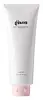 Key Ingredients
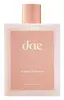
Benefits
Concerns
Ingredients Side-by-side
Water
Skin ConditioningCetearyl Alcohol
Emollient






Glycerin
Humectant


Behentrimonium Chloride
Preservative
Cetrimonium Chloride
Antimicrobial
Mel
EmollientPrunus Amygdalus Dulcis Oil
Skin Conditioning
Panthenol
Skin Conditioning

Polyquaternium-37
Stearamidopropyl Dimethylamine
EmulsifyingParfum
Masking


Propylene Glycol Dicaprylate/Dicaprate
EmollientSodium Benzoate
Masking
Butyrospermum Parkii Butter
Skin Conditioning
Creatine
Skin ConditioningHydroxyethylcellulose
Emulsion StabilisingIsopropyl Alcohol
Solvent

Lactic Acid
Buffering






Argania Spinosa Kernel Oil
Emollient
Cocos Nucifera Oil
Masking
PPG-1 Trideceth-6
Skin ConditioningTocopheryl Acetate
Antioxidant

Caramel
Cosmetic ColorantGardenia Taitensis Flower Extract
Skin ConditioningTocopherol
Antioxidant
Hexyl Cinnamal
Perfuming
Limonene
Perfuming
Linalool
Perfuming
Water, Cetearyl Alcohol, Glycerin, Behentrimonium Chloride, Cetrimonium Chloride, Mel, Prunus Amygdalus Dulcis Oil, Panthenol, Polyquaternium-37, Stearamidopropyl Dimethylamine, Parfum, Propylene Glycol Dicaprylate/Dicaprate, Sodium Benzoate, Butyrospermum Parkii Butter, Creatine, Hydroxyethylcellulose, Isopropyl Alcohol, Lactic Acid, Argania Spinosa Kernel Oil, Cocos Nucifera Oil, PPG-1 Trideceth-6, Tocopheryl Acetate, Caramel, Gardenia Taitensis Flower Extract, Tocopherol, Hexyl Cinnamal, Limonene, Linalool
Water
Skin ConditioningStearyl Alcohol
Emollient
Behentrimonium Methosulfate
SurfactantCetearyl Alcohol
Emollient
Cetyl Alcohol
Emollient
Betaine
Humectant
Cyclopentasiloxane
Emollient
Cetrimonium Chloride
Antimicrobial
Citrus Aurantium Dulcis Peel Oil
Masking
Parfum
Masking
Quaternium-91
Isopropyl Alcohol
Solvent
Cocos Nucifera Oil
Masking
Hydroxypropyl Guar
Emulsion StabilisingPrunus Amygdalus Dulcis Oil
Skin Conditioning
Vitis Vinifera Seed Oil
Emollient
Phenoxyethanol
Preservative
Trimethylsiloxyamodimethicone
Butylene Glycol
Humectant
Cetrimonium Methosulfate
AntimicrobialHydroxyacetophenone
Antioxidant
Glycerin
Humectant
Cinnamidopropyltrimonium Chloride
Caprylyl Glycol
Emollient
Galactoarabinan
C11-15 Pareth-7
EmulsifyingSalvia Hispanica Seed Extract
Emollient
Chlorphenesin
Antimicrobial
Ethylhexylglycerin
Skin ConditioningHexylene Glycol
EmulsifyingTrehalose
Humectant
Xylitol
Humectant
Butyrospermum Parkii Butter
Skin Conditioning
Eclipta Prostrata Extract
Skin Conditioning
Tetrasodium Glutamate Diacetate
ChelatingCamellia Sinensis Leaf Extract
Antimicrobial
Panthenol
Skin Conditioning
C12-16 Pareth-9
EmulsifyingTrideceth-12
EmulsifyingSodium Phosphate
BufferingMelia Azadirachta Leaf Extract
Skin ConditioningTocopherol
Antioxidant
Moringa Oleifera Leaf Extract
Skin ConditioningMoringa Oleifera Seed Oil
Emollient
Cereus Grandiflorus Extract
Antioxidant
Citrus Aurantifolia Fruit Extract
Skin ConditioningHibiscus Rosa-Sinensis Flower Extract
HumectantPhalaenopsis Amabilis Flower Extract
BleachingAloe Barbadensis Leaf Juice
Skin Conditioning
Curcuma Longa Root Extract
Antioxidant
Water, Stearyl Alcohol, Behentrimonium Methosulfate, Cetearyl Alcohol, Cetyl Alcohol, Betaine, Cyclopentasiloxane, Cetrimonium Chloride, Citrus Aurantium Dulcis Peel Oil, Parfum, Quaternium-91, Isopropyl Alcohol, Cocos Nucifera Oil, Hydroxypropyl Guar, Prunus Amygdalus Dulcis Oil, Vitis Vinifera Seed Oil, Phenoxyethanol, Trimethylsiloxyamodimethicone, Butylene Glycol, Cetrimonium Methosulfate, Hydroxyacetophenone, Glycerin, Cinnamidopropyltrimonium Chloride, Caprylyl Glycol, Galactoarabinan, C11-15 Pareth-7, Salvia Hispanica Seed Extract, Chlorphenesin, Ethylhexylglycerin, Hexylene Glycol, Trehalose, Xylitol, Butyrospermum Parkii Butter, Eclipta Prostrata Extract, Tetrasodium Glutamate Diacetate, Camellia Sinensis Leaf Extract, Panthenol, C12-16 Pareth-9, Trideceth-12, Sodium Phosphate, Melia Azadirachta Leaf Extract, Tocopherol, Moringa Oleifera Leaf Extract, Moringa Oleifera Seed Oil, Cereus Grandiflorus Extract, Citrus Aurantifolia Fruit Extract, Hibiscus Rosa-Sinensis Flower Extract, Phalaenopsis Amabilis Flower Extract, Aloe Barbadensis Leaf Juice, Curcuma Longa Root Extract
Reviews
Ingredients Explained
These ingredients are found in both products.
Ingredients higher up in an ingredient list are typically present in a larger amount.
This ingredient is also known as shea butter. It is a plant-derived extract from the nuts of the Africa shea tree and one of the most well-studied emollients.
Because it has a high concentration of fatty acids (primarily oleic, stearic, and linoleic) it is able to form a protective barrier on the skin's surface. This helps seal in moisture and prevents transepidermal water loss (TEWL).
In vitro research found an increase in skin hydration by 58% and a decrease in TEWL by 37.8% after 24 hours of applying this ingredient (pretty impressive for a single ingredient!).
Besides hydration, shea butter also contains triterpenes that have anti-inflammatory potential. In particule, lupeol cinnamate has shown the highest anti-inflammatory activity in vivo.
Shea butter also contains vitamins A and E which may contribute to antioxidant activity.
While Shea Butter has an SPF rating of about 3-4, it is not a sunscreen replacement.
This ingredient may not be fungal acne safe because its fatty acids fall within the C11-C24 range that the Malassezia yeast can metabolize.
This ingredient shows up on a lot of "pore-clogging" lists but there's no real evidence behind that. It doesn't even have a comedogenic rating from an actual study; the numbers you'll find online come from blogs citing other blogs.
Ratings for other ingredients mostly come from a 1980s rabbit ear test. This test doesn't translate well to human skin or to real products because the ingredient sits at a much lower percentage.
Some people still find it breaks them out. So if that's you, definitely trust your skin. Just know this one's based on experience and not evidence.
Learn more about Butyrospermum Parkii ButterCetearyl alcohol is a waxy mixture of two fatty alcohols: cetyl alcohol and stearyl alcohol. It is an emollient and emulsifier.
Despite having "alcohol" in its name, it has nothing to do with drying solvent alcohols; the FDA also allows "alcohol-free" products to contain fatty alcohols like this ingredient.
It plays several roles in a formula:
Typical use levels for this ingredient sit around 1-10% and the Cosmetic Ingredient Review Expert Panel has affirmed safety at concentrations up to 25% in leave-on products.
Multiple assessments have found it to be non-irritating and non-sensitizing to most people.
However, there have been some cases of allergic contact dermatitis in patients with chronically compromised skin barriers.
Cetearyl alcohol has a comedogenic rating of 2 and irritancy rating of 1. Both of these numbers come from the 1989 study that used rabbit ears; a "2" means mildly comedogenic and a "1" means low irritancy.
Here's the catch: rabbit skin is more sensitive than human skin and throws a lot of false positives. A 1996 reappraisal found that ingredients rated 1-2 in the rabbit ear tests are generally safe for humans.
Remember comedogenic ratings are unable to assess the entire formula of a product or how it will react on your skin. Just be sure to patch test if you are unsure about certain ingredients.
This ingredient is not fungal acne safe. Cetearyl alcohol is a fatty alcohol with chain lengths that fall within the range that Malassezia can metabolize.
A 2019 study has also observed Malassezia growth in the presence of this ingredient, confirming it to be not-fungal acne safe.
Learn more about Cetearyl AlcoholThis ingredient is a preservative, antimicrobial, and emulsifier. It is often used in cosmetics for its ability to cleanse, condition, and reduce static.
Cetrimonium chloride is a quaternary ammonium salt, meaning it has a water-soluble structure.
This ingredient is also known as coconut oil. It is a plant-derived ingredient with skin conditioning properties.
The fatty acid profile of coconut oil is mostly lauric acid (~54%), followed by capric, caprylic, palmitic, and myristic acids. This profile allows it to penetrate easily into skin, moisturize, and improve dry skin.
A double-blind study confirmed that extra virgin coconut oil is as effective as mineral oil for treating very dry skin. Another study found it outperformed mineral oil for mild to moderate atopic dermatitis in children.
Another study from 2018 found that virgin coconut oil can soothe inflammation and boost key skin barrier proteins. Just know this evidence is still only from lab settings and not human trials.
It has also been shown to reduce Staphylococcus aureus, a bacteria that commonly overgrows in people with eczema.
Clinical testing shows very minimal skin irritation and no evidence of sensitization or phototoxicity.
Coconut oil gets flagged as a "fragrance" because it has a natural mild scent (not because it's a synthetic perfume). The European Cosmetic ingredient database also lists "perfuming" as a function of this ingredient.
Just so you know, the term "fragrance" is completely unregulated. Some brands still use botanical extracts or essential oils in their "fragrance-free" formulas, but regulatory databases technically classify these under "fragrance".
Coconut oil has a tiny and useless bit of natural SPF. Early lab studies clocked it around SPF 7-8 but a more recent study found the real number closer to SPF 1.2. It also offers no meaningful UVA protection (SPF only overs UVB rays).
The comedogenic rating of 4/5 means it has a high potential to clog pores; but it's worth noting that comedogenicity is highly individual and ratings cannot predict how an overall formula will behave on skin.
Since lauric acid is the dominant fatty acid, this ingredient may not be fungal acne safe. The Malassezia yeast feeds on fatty acids with carbon chain lengths between 11-24, and lauric acid falls within these lengths (C12).
Learn more about Cocos Nucifera OilGlycerin (or glycerol) is a compound naturally found in your skin. It's a powerhouse humectant that pulls water into the stratum corneum.
Topically, glycerin does several things at once:
Your skin makes glycerin on its own (mostly from sebaceous oil breakdown) and shuttles it to your outermost layer of skin, or your epidermis, via aquaporin-3.
Aquaporin-3 is a transporter that is essential for normal skin hydration, elasticity, and repair. Interestingly, mice lacking in AQP3 have dry and less elastic skin that can be fully corrected with glycerin.
This ingredient is non-irritating, plays well with almost every ingredient, and works across all skin types. Typical use is anywhere between 3-10% but can go up to 79% in some leave-on products.
Just know very high concentrations (>40%) can feel tacky in low humidity.
Glycerin is the name for this ingredient in American English. British English uses Glycerol/Glycerine.
Learn more about GlycerinIsopropyl Alcohol is a small, fast-evaporating alcohol.
Formulators use it as a solvent, a way to think out thick liquids, an antifoaming agent, and occasionally a fragrance ingredient.
Reported use concentrations run from 0.002%-100% and any number over 50% usually comes from a nail product.
Actual skincare numbers run much lower: cleansers (0.3-26%), toners (0.07-7%), face moisturizers (0.04-0.2%).
The Cosmetic Ingredient Review Expert Panel reviewed it and concluded it is safe in the present practices of use and the International Agency for Research on Cancer classifies it as a non-carcinogenic to humans.
True allergy to this ingredient is uncommon but real: 44 out of 1,450 patients patch tested between 1992-2011 reacted with most cases clustering in people with leg ulcers, occupational hand eczema, or repeated use of Isopropyl Alcohol on already-broken skin.
Irritation and dryness are far more likely than allergy; before you throw away your skincare, just know this is dose-dependent and the risk is modest.
The irritant potential of the alcohols used in hand antiseptics is very low and skin irritation is significantly lower after alcohol application than after detergents (though isopropanol is somewhat more irritating than ethanol).
A 70% solution was a severe eye irritant in rabbit eye tests so the industry keeps this ingredient at low percentages in eye-area products.
One genuine caution: a 70% solution was a severe eye irritant in rabbit eye tests, so it belongs at low percentages in eye-area products, which is where the industry already keeps it.
According to the National Rosacea Society based in the US, you should be mindful of products with these alcohols in the top half of ingredients.
Learn more about Isopropyl AlcoholPanthenol is a common ingredient that helps hydrate and soothe the skin. It is found naturally in our skin and hair.
There are two forms of panthenol: D and L.
D-panthenol is also known as dexpanthenol. Most cosmetics use dexpanthenol or a mixture of D and L-panthenol.
Panthenol is famous due to its ability to go deeper into the skin's layers. Using this ingredient has numerous pros (and no cons):
Like hyaluronic acid, panthenol is a humectant. Humectants are able to bind and hold large amounts of water to keep skin hydrated.
This ingredient works well for wound healing. It works by increasing tissue in the wound and helps close open wounds.
Once oxidized, panthenol converts to pantothenic acid. Panthothenic acid is found in all living cells.
This ingredient is also referred to as pro-vitamin B5.
Learn more about PanthenolParfum is a catch-all term for an ingredient or more that is used to give a scent to products.
Also called "fragrance", this ingredient can be a blend of hundreds of chemicals or plant oils. This means every product with "fragrance" or "parfum" in the ingredients list is a different mixture.
For instance, Habanolide is a proprietary trade name for a specific aroma chemical. When used as a fragrance ingredient in cosmetics, most aroma chemicals fall under the broad labeling category of “FRAGRANCE” or “PARFUM” according to EU and US regulations.
The term 'parfum' or 'fragrance' is not regulated in many countries. In many cases, it is up to the brand to define this term.
For instance, many brands choose to label themselves as "fragrance-free" because they are not using synthetic fragrances. However, their products may still contain ingredients such as essential oils that are considered a fragrance by INCI standards.
One example is Calendula flower extract. Calendula is an essential oil that still imparts a scent or 'fragrance'.
Depending on the blend, the ingredients in the mixture can cause allergies and sensitivities on the skin. Some ingredients that are known EU allergens include linalool and citronellol.
Parfum can also be used to mask or cover an unpleasant scent.
The bottom line is: not all fragrances/parfum/ingredients are created equally. If you are worried about fragrances, we recommend taking a closer look at an ingredient. And of course, we always recommend speaking with a professional.
Learn more about ParfumThis ingredient is also known as sweet almond oil. It is a lightweight, cold-pressed oil from the ripe seeds of the sweet almond tree.
Sweet almond oil is rich in skin-nourishing fatty acids such as oleic acid (55-86%) and linolenic acid (7-35%).
As an emollient, it softens and hydrates skin by forming a thin barrier that locks in moisture.
Clinical studies have found it to be non-irritating and non-sensitizing. The CIR Expert Panel has evaluated the available safety data and concluded it is safe for topical use.
Because of the oleic acid content, this ingredient may not be fungal acne safe.
Learn more about Prunus Amygdalus Dulcis OilTocopherol is a fat-soluble antioxidant known as Vitamin E.
You'll find this ingredient in the vast majority of skincare (for good reason). It works to neutralize free radicals, or unstable molecules generated by UV exposure, pollution, and other environmental stressors, before they can cause oxidative damage to your skin cells.
Topically applied tocopherol has been shown to protect against UV damage by ramping up the skin's own natural defense enzymes.
It also acts as a skin conditioning agent; some studies show that regular topical use can improve the skin's water-binding capacity over 2-4 weeks.
This ingredient is especially loved for being a team player. When combined with Vitamin C, the photoprotective effect of both ingredients roughly doubles and the combo also helps reduce UV-induced DNA damage.
This ingredient has some brightening potential but it's more of a prevention ingredient than spot-fader. Cell studies show it can slow down melanin production but it's worth noting that it's not the most powerful brightener out there.
In formulations, it also serves as a stabilizer that helps protect other oxidation-prone ingredients from degrading.
Concentrations usually range from 0.1-1% in most leave-on products.
Learn more about TocopherolWater. It's the most common cosmetic ingredient of all. You'll usually see it at the top of ingredient lists, meaning that it makes up the largest part of the product.
So why is it so popular? Water most often acts as a solvent - this means that it helps dissolve other ingredients into the formulation.
You'll also recognize water as that liquid we all need to stay alive. If you see this, drink a glass of water. Remember to stay hydrated!
Learn more about Water

