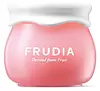
Frudia Pomegranate Nutri-Moisturizing Cream Versus Mossa Youth Defence Nutritive Antioxidant Day Cream
This anti-aging moisturizer is formulated around Punica Granatum Fruit Extract and Trehalose to soften the look of wrinkles and hydrate skin.
This day moisturizer is formulated around Helianthus Annuus Seed Oil to hydrate skin.


What's inside
What's inside
 Key Ingredients
Benefits
Concerns
Ingredients Side-by-side
Punica Granatum Fruit Extract 63%
Antioxidant


Glycerin
Humectant


Butylene Glycol
Humectant
Caprylic/Capric Triglyceride
Masking
Cyclopentasiloxane
Emollient
Diisostearyl Malate
EmollientPentaerythrityl Tetraethylhexanoate
Emollient
Dimethicone
Emollient
Cyclohexasiloxane
Emollient
1,2-Hexanediol
Skin Conditioning
Trehalose
Humectant
Glyceryl Stearate
Emollient

PEG-100 Stearate
Surfactant
Sorbitan Stearate
Emulsifying
Water
Skin ConditioningGlyceryl Caprylate
EmollientPEG-240/Hdi Copolymer Bis-Decyltetradeceth-20 Ether
StabilisingPolyglyceryl-3 Methylglucose Distearate
Emulsifying
Hydroxyethyl Acrylate/Sodium Acryloyldimethyl Taurate Copolymer
Emulsion StabilisingChlorphenesin
Antimicrobial
Sodium Polyacrylate
Absorbent
Dimethicone/Vinyl Dimethicone Crosspolymer
Skin Conditioning
Parfum
Masking



Ethylhexyl Stearate
Emollient

Coco-Caprylate/Caprate
Emollient
Sucrose Cocoate
Emulsifying
Adenosine
Skin Conditioning
Glyceryl Acrylate/Acrylic Acid Copolymer
HumectantDisodium EDTA
ChelatingPolysorbate 60
Emulsifying
Sorbitan Isostearate
Emulsifying
Prunus Armeniaca Kernel Oil
Masking
Vitis Vinifera Seed Oil
Emollient
Trideceth-6
EmulsifyingCitrus Paradisi Seed Oil
Perfuming
Mangifera Indica Seed Oil
Emollient
Punica Granatum Seed Oil
Emollient
Solanum Lycopersicum Seed Oil
Emollient
CI 14700
Cosmetic ColorantTocopherol
Antioxidant

Punica Granatum Fruit Extract 63%, Glycerin, Butylene Glycol, Caprylic/Capric Triglyceride, Cyclopentasiloxane, Diisostearyl Malate, Pentaerythrityl Tetraethylhexanoate, Dimethicone, Cyclohexasiloxane, 1,2-Hexanediol, Trehalose, Glyceryl Stearate, PEG-100 Stearate, Sorbitan Stearate, Water, Glyceryl Caprylate, PEG-240/Hdi Copolymer Bis-Decyltetradeceth-20 Ether, Polyglyceryl-3 Methylglucose Distearate, Hydroxyethyl Acrylate/Sodium Acryloyldimethyl Taurate Copolymer, Chlorphenesin, Sodium Polyacrylate, Dimethicone/Vinyl Dimethicone Crosspolymer, Parfum, Ethylhexyl Stearate, Coco-Caprylate/Caprate, Sucrose Cocoate, Adenosine, Glyceryl Acrylate/Acrylic Acid Copolymer, Disodium EDTA, Polysorbate 60, Sorbitan Isostearate, Prunus Armeniaca Kernel Oil, Vitis Vinifera Seed Oil, Trideceth-6, Citrus Paradisi Seed Oil, Mangifera Indica Seed Oil, Punica Granatum Seed Oil, Solanum Lycopersicum Seed Oil, CI 14700, Tocopherol
Water
Skin ConditioningAlcohol
Antimicrobial
Helianthus Annuus Seed Oil
Emollient
Glycerin
Humectant
Polyglyceryl-3 Methylglucose Distearate
Emulsifying
Cetearyl Alcohol
Emollient
Dicaprylyl Carbonate
EmollientDecyl Cocoate
Emollient
Simmondsia Chinensis Seed Oil
Emollient
Oenothera Biennis Oil
Emollient
Rubus Idaeus Extract
Skin ProtectingRubus Chamaemorus Fruit Extract
Antioxidant
Butyrospermum Parkii Butter
Skin Conditioning
Cellulose
Absorbent
Aroma
Stearic Acid
Cleansing
Palmitic Acid
Emollient
Mica
Cosmetic ColorantXanthan Gum
EmulsifyingAscorbyl Palmitate
Antioxidant
Tocopherol
Antioxidant
CI 77891
Cosmetic ColorantSodium Phytate
ChelatingSodium Hyaluronate
Humectant
Lactic Acid
Buffering


Linalool
Perfuming
Limonene
Perfuming
Water, Alcohol, Helianthus Annuus Seed Oil, Glycerin, Polyglyceryl-3 Methylglucose Distearate, Cetearyl Alcohol, Dicaprylyl Carbonate, Decyl Cocoate, Simmondsia Chinensis Seed Oil, Oenothera Biennis Oil, Rubus Idaeus Extract, Rubus Chamaemorus Fruit Extract, Butyrospermum Parkii Butter, Cellulose, Aroma, Stearic Acid, Palmitic Acid, Mica, Xanthan Gum, Ascorbyl Palmitate, Tocopherol, CI 77891, Sodium Phytate, Sodium Hyaluronate, Lactic Acid, Linalool, Limonene
Reviews
Ingredients Explained
These ingredients are found in both products.
Ingredients higher up in an ingredient list are typically present in a larger amount.
Glycerin (or glycerol) is a compound naturally found in your skin. It's a powerhouse humectant that pulls water into the stratum corneum.
Topically, glycerin does several things at once:
Your skin makes glycerin on its own (mostly from sebaceous oil breakdown) and shuttles it to your outermost layer of skin, or your epidermis, via aquaporin-3.
Aquaporin-3 is a transporter that is essential for normal skin hydration, elasticity, and repair. Interestingly, mice lacking in AQP3 have dry and less elastic skin that can be fully corrected with glycerin.
This ingredient is non-irritating, plays well with almost every ingredient, and works across all skin types. Typical use is anywhere between 3-10% but can go up to 79% in some leave-on products.
Just know very high concentrations (>40%) can feel tacky in low humidity.
Glycerin is the name for this ingredient in American English. British English uses Glycerol/Glycerine.
Learn more about GlycerinPolyglyceryl-3 Methylglucose Distearate is a plant-derived emulsifier whose only job is to keep the oily and watery parts of a formula blended so it doesn't separate into layers.
It's compatible with a wide-range of active ingredients and especially good at making emulsions survive heat/freeze cycles.
Typical use concentrations range from 2-3% and it works across a pH of 4.5-8.5.
This ingredient has been found safe to use in cosmetics and has a low irritation profile.
Because it's build on stearic acid, it may not be fungal acne safe. Stearic acid is a C18 fatty acid that falls within the range (C11-24) that Malassezia can feed on.
Learn more about Polyglyceryl-3 Methylglucose DistearateTocopherol is a fat-soluble antioxidant known as Vitamin E.
You'll find this ingredient in the vast majority of skincare (for good reason). It works to neutralize free radicals, or unstable molecules generated by UV exposure, pollution, and other environmental stressors, before they can cause oxidative damage to your skin cells.
Topically applied tocopherol has been shown to protect against UV damage by ramping up the skin's own natural defense enzymes.
It also acts as a skin conditioning agent; some studies show that regular topical use can improve the skin's water-binding capacity over 2-4 weeks.
This ingredient is especially loved for being a team player. When combined with Vitamin C, the photoprotective effect of both ingredients roughly doubles and the combo also helps reduce UV-induced DNA damage.
This ingredient has some brightening potential but it's more of a prevention ingredient than spot-fader. Cell studies show it can slow down melanin production but it's worth noting that it's not the most powerful brightener out there.
In formulations, it also serves as a stabilizer that helps protect other oxidation-prone ingredients from degrading.
Concentrations usually range from 0.1-1% in most leave-on products.
Learn more about TocopherolWater. It's the most common cosmetic ingredient of all. You'll usually see it at the top of ingredient lists, meaning that it makes up the largest part of the product.
So why is it so popular? Water most often acts as a solvent - this means that it helps dissolve other ingredients into the formulation.
You'll also recognize water as that liquid we all need to stay alive. If you see this, drink a glass of water. Remember to stay hydrated!
Learn more about Water

