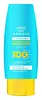
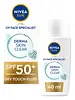
Fresh Skinlab Jeju Aloe Ice 3 In 1 Niacinamide Super Multivitamin Sunscreen SPF 100 Versus Nivea UV Face Derma Blemish Skin Clear Sun Fluid SPF 50+


What's inside
What's inside
 Key Ingredients
Benefits
Concerns
Ingredients Side-by-side
Water
Skin ConditioningTitanium Dioxide
Cosmetic Colorant

Cyclopentasiloxane
Emollient
Ethylhexyl Methoxycinnamate
UV Absorber
Isononyl Isononanoate
EmollientPropylene Glycol
Humectant


C12-15 Alkyl Benzoate
AntimicrobialMethylene Bis-Benzotriazolyl Tetramethylbutylphenol
UV Filter
Tris-Biphenyl Triazine
UV Absorber
Dimethicone/PEG-10/15 Crosspolymer
Cetyl PEG/PPG-10/1 Dimethicone
Emulsifying
Bis-Ethylhexyloxyphenol Methoxyphenyl Triazine
Skin Conditioning
Allantoin
Skin Conditioning



Aluminum Hydroxide
EmollientSodium Chloride
MaskingButylene Glycol
Humectant
Phenoxyethanol
Preservative
Stearic Acid
Cleansing

Ethylhexylglycerin
Skin ConditioningNiacinamide
Smoothing







Calcium Pantothenate
Aloe Barbadensis Leaf Powder
Skin Conditioning
Sodium Ascorbyl Phosphate
Antioxidant

Tocopheryl Acetate
Antioxidant
Parfum
Masking

Decyl Glucoside
Cleansing
Xanthan Gum
EmulsifyingDisodium Phosphate
BufferingPyridoxine Hcl
Skin ConditioningMaltodextrin
Absorbent
Sodium Starch Octenylsuccinate
AbsorbentSilica
Abrasive
Water, Titanium Dioxide, Cyclopentasiloxane, Ethylhexyl Methoxycinnamate, Isononyl Isononanoate, Propylene Glycol, C12-15 Alkyl Benzoate, Methylene Bis-Benzotriazolyl Tetramethylbutylphenol, Tris-Biphenyl Triazine, Dimethicone/PEG-10/15 Crosspolymer, Cetyl PEG/PPG-10/1 Dimethicone, Bis-Ethylhexyloxyphenol Methoxyphenyl Triazine, Allantoin, Aluminum Hydroxide, Sodium Chloride, Butylene Glycol, Phenoxyethanol, Stearic Acid, Ethylhexylglycerin, Niacinamide, Calcium Pantothenate, Aloe Barbadensis Leaf Powder, Sodium Ascorbyl Phosphate, Tocopheryl Acetate, Parfum, Decyl Glucoside, Xanthan Gum, Disodium Phosphate, Pyridoxine Hcl, Maltodextrin, Sodium Starch Octenylsuccinate, Silica
Water
Skin ConditioningAlcohol Denat.
Antimicrobial

C12-15 Alkyl Benzoate
AntimicrobialButyl Methoxydibenzoylmethane
UV Absorber
Butylene Glycol Dicaprylate/Dicaprate
EmollientEthylhexyl Triazone
UV Absorber
Isopropyl Palmitate
Emollient
Bis-Ethylhexyloxyphenol Methoxyphenyl Triazine
Skin Conditioning
Dibutyl Adipate
EmollientDiethylamino Hydroxybenzoyl Hexyl Benzoate
UV Filter
Phenylbenzimidazole Sulfonic Acid
UV Absorber
Tapioca Starch
Polyglyceryl-6 Stearate
Emollient
Distarch Phosphate
AbsorbentSilica Dimethyl Silylate
EmollientGlycyrrhiza Inflata Root Extract
Skin Conditioning
Carnitine
Cleansing
Niacinamide
Smoothing
Decylene Glycol
Skin ConditioningTocopheryl Acetate
Antioxidant
Glycerin
Humectant
Cetearyl Alcohol
Emollient
Glyceryl Stearate
Emollient
Oryza Sativa Starch
AbsorbentCopernicia Cerifera Cera
Emollient
Polyglyceryl-6 Behenate
Emulsion Stabilising
Hydroxypropyl Methylcellulose
Emulsion StabilisingHydroxypropyl Starch Phosphate
Xanthan Gum
EmulsifyingSodium Hydroxide
BufferingHydroxyacetophenone
Antioxidant
Trisodium Ethylenediamine Disuccinate
Phenoxyethanol
Preservative
Parfum
Masking
Water, Alcohol Denat., C12-15 Alkyl Benzoate, Butyl Methoxydibenzoylmethane, Butylene Glycol Dicaprylate/Dicaprate, Ethylhexyl Triazone, Isopropyl Palmitate, Bis-Ethylhexyloxyphenol Methoxyphenyl Triazine, Dibutyl Adipate, Diethylamino Hydroxybenzoyl Hexyl Benzoate, Phenylbenzimidazole Sulfonic Acid, Tapioca Starch, Polyglyceryl-6 Stearate, Distarch Phosphate, Silica Dimethyl Silylate, Glycyrrhiza Inflata Root Extract, Carnitine, Niacinamide, Decylene Glycol, Tocopheryl Acetate, Glycerin, Cetearyl Alcohol, Glyceryl Stearate, Oryza Sativa Starch, Copernicia Cerifera Cera, Polyglyceryl-6 Behenate, Hydroxypropyl Methylcellulose, Hydroxypropyl Starch Phosphate, Xanthan Gum, Sodium Hydroxide, Hydroxyacetophenone, Trisodium Ethylenediamine Disuccinate, Phenoxyethanol, Parfum
Reviews
Ingredients Explained
These ingredients are found in both products.
Ingredients higher up in an ingredient list are typically present in a larger amount.
This ingredient is better known as bemotrizinol or Tinosorb S and is one of the best broad-spectrum UV filters in modern sunscreen.
It works by absorbing UV light across a whole range (280-400 nm) with peaks around 310 nm (UVB) and 340-345 nm (UVA). This means it covers UVB plus the deeper UVA wavelengths that drive photoaging and pigmentation.
Another pro?
It's exceptionally photostable, barely degrades in sunlight, and acts as a "bodyguard" for less stable filters.
That's why you'll see it paired with avobenzone or octinoxate; this team up ensures they keep working through sun exposure.
Safety reviews have been reassuring across the board. This ingredient shows low absorption through the skin, rarely irritates, and lab studies found it doesn't act like a hormone in the body (a concern that's been raised about some older sunscreen filters).
On maximum concentrations:
In 2026, the US F.D.A finally added it as an OTC sunscreen ingredient at concentrations up to 6% for adults / children 6 months and older
Learn more about Bis-Ethylhexyloxyphenol Methoxyphenyl TriazineC12-15 Alkyl Benzoate is a lightweight emollient made by combinig benzoic acid with fatty alcohols that are 12-15 carbons long.
In cosmetics, it plays several roles:
The Cosmetic Review Expert Panel has concluded the alkyl benzoate group to be safe as used in cosmetics; it wasn't found to be a skin irritant and unlikely to be absorbed due to its low water solubility.
This report recorded almost 1000 reported uses with concentrations up to 59% in leave-on products but your cosmetics will typically use 0.5-15% depending on the product.
It's often called a "SPF booster": this is because it keeps UV filters properly dissolved and evenly distributed to support a sunscreen's performance. It doesn't actually raise SPF on its own.
Overall, this ingredient is well tolerated.
This ingredient is fungal acne safe.
The Malassezia yeast feeds on free fatty acids and this ingredient is made up of an aromatic acid and fatty alcohols.
When this ingredient breaks down, it yields benzoic acid (which is antifungal) and fatty alcohols. Neither of these have been found in studies to be a known food source for Malassezia.
Learn more about C12-15 Alkyl BenzoateNiacinamide is a multitasking form of vitamin B3 that strengthens the skin barrier, reduces pores and dark spots, regulates oil, and improves signs of aging.
And the best part? It's gentle and well-tolerated by most skin types, including sensitive and reactive skin.
You might have heard of "niacin flush", or the reddening of skin that causes itchiness. Niacinamide has not been found to cause this.
In very rare cases, some individuals may not be able to tolerate niacinamide at all or experience an allergic reaction to it.
If you are experiencing flaking, irritation, and dryness with this ingredient, be sure to double check all your products as this ingredient can be found in all categories of skincare.
When incorporating niacinamide into your routine, look out for concentration amounts. Typically, 5% niacinamide provides benefits such as fading dark spots. However, if you have sensitive skin, it is better to begin with a smaller concentration.
When you apply niacinamide to your skin, your body converts it into nicotinamide adenine dinucleotide (NAD). NAD is an essential coenzyme that is already found in your cells as "fuel" and powers countless biological processes.
In your skin, NAD helps repair cell damage, produce new healthy cells, support collagen production, strengthen the skin barrier, and fight environmental stressors (like UV and pollution).
Our natural NAD levels start to decline with age, leading to slower skin repair, visible aging, and a weaker skin barrier. By providing your skin niacinamide, you're recharging your skin's NAD levels. This leads to stronger, healthier, and younger looking skin.
Another name for vitamin B3 is nicotinamide. This vitamin is water-soluble and our bodies don't store it. We obtain Vitamin B3 from either food or skincare. Meat, fish, wheat, yeast, and leafy greens contain vitamin B3.
The type of niacinamide used in skincare is synthetically created.
Learn more about NiacinamideParfum is a catch-all term for an ingredient or more that is used to give a scent to products.
Also called "fragrance", this ingredient can be a blend of hundreds of chemicals or plant oils. This means every product with "fragrance" or "parfum" in the ingredients list is a different mixture.
For instance, Habanolide is a proprietary trade name for a specific aroma chemical. When used as a fragrance ingredient in cosmetics, most aroma chemicals fall under the broad labeling category of “FRAGRANCE” or “PARFUM” according to EU and US regulations.
The term 'parfum' or 'fragrance' is not regulated in many countries. In many cases, it is up to the brand to define this term.
For instance, many brands choose to label themselves as "fragrance-free" because they are not using synthetic fragrances. However, their products may still contain ingredients such as essential oils that are considered a fragrance by INCI standards.
One example is Calendula flower extract. Calendula is an essential oil that still imparts a scent or 'fragrance'.
Depending on the blend, the ingredients in the mixture can cause allergies and sensitivities on the skin. Some ingredients that are known EU allergens include linalool and citronellol.
Parfum can also be used to mask or cover an unpleasant scent.
The bottom line is: not all fragrances/parfum/ingredients are created equally. If you are worried about fragrances, we recommend taking a closer look at an ingredient. And of course, we always recommend speaking with a professional.
Learn more about ParfumPhenoxyethanol is a preservative that has germicide, antimicrobial, and aromatic properties. Studies show that phenoxyethanol can prevent microbial growth. By itself, it has a scent that is similar to that of a rose.
It's often used in formulations along with Caprylyl Glycol to preserve the shelf life of products.
Tocopheryl Acetate is AKA Vitamin E. It is an antioxidant and protects your skin from free radicals. Free radicals damage the skin by breaking down collagen.
One study found using Tocopheryl Acetate with Vitamin C decreased the number of sunburned cells.
Tocopheryl Acetate is commonly found in both skincare and dietary supplements.
Learn more about Tocopheryl AcetateWater. It's the most common cosmetic ingredient of all. You'll usually see it at the top of ingredient lists, meaning that it makes up the largest part of the product.
So why is it so popular? Water most often acts as a solvent - this means that it helps dissolve other ingredients into the formulation.
You'll also recognize water as that liquid we all need to stay alive. If you see this, drink a glass of water. Remember to stay hydrated!
Learn more about WaterXanthan gum is used as a stabilizer and thickener within cosmetic products. It helps give products a sticky, thick feeling - preventing them from being too runny.
On the technical side of things, xanthan gum is a polysaccharide - a combination consisting of multiple sugar molecules bonded together.
Xanthan gum is a pretty common and great ingredient. It is a natural, non-toxic, non-irritating ingredient that is also commonly used in food products.
Learn more about Xanthan Gum
