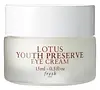
This anti-aging eye moisturizer is formulated around Squalane and Adenosine to soften the look of wrinkles and hydrate skin.
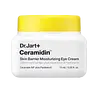
This barrier-repair eye moisturizer is formulated around Ceramide NP and Panthenol to strengthen the skin barrier and hydrate skin.


What's inside
What's inside
 Key Ingredients
Benefits
Concerns
Ingredients Side-by-side
Water
Skin ConditioningGlycerin
Humectant


Isostearyl Isostearate
Emollient




Propanediol
Solvent
Squalane
Emollient
Cetyl Alcohol
Emollient

Potassium Cetyl Phosphate
EmulsifyingPentylene Glycol
Skin Conditioning
C10-18 Triglycerides
Emollient
Boron Nitride
Absorbent
Glyceryl Stearate
Emollient
Polyglycerin-3
Humectant
Nelumbo Nucifera Extract
Skin ConditioningAesculus Hippocastanum Extract
Antioxidant
Citrus Limon Peel Oil
Masking





Cucumis Sativus Fruit Extract
Emollient

Tocopherol
Antioxidant


Fructose
Humectant
Ethylene/Acrylic Acid Copolymer
Emulsion StabilisingBis-Diglyceryl Polyacyladipate-2
Emollient
Behenyl Alcohol
Emollient
Dimethicone
Emollient
Carbomer
Emulsion StabilisingSodium Polyacrylate
Absorbent
Xanthan Gum
EmulsifyingSodium Citrate
BufferingCaprylic/Capric Triglyceride
Masking
Sodium Hyaluronate
Humectant
Citric Acid
Buffering
Sodium Hydroxide
BufferingAdenosine
Skin Conditioning
Biosaccharide Gum-2
Skin ConditioningSodium Metabisulfite
Antioxidant
Poloxamer 338
EmulsifyingSilica
Abrasive

Tetrasodium EDTA
ChelatingChlorphenesin
Antimicrobial
Potassium Sorbate
Preservative
Sodium Benzoate
Masking
Limonene
Perfuming
Citral
Perfuming
Water, Glycerin, Isostearyl Isostearate, Propanediol, Squalane, Cetyl Alcohol, Potassium Cetyl Phosphate, Pentylene Glycol, C10-18 Triglycerides, Boron Nitride, Glyceryl Stearate, Polyglycerin-3, Nelumbo Nucifera Extract, Aesculus Hippocastanum Extract, Citrus Limon Peel Oil, Cucumis Sativus Fruit Extract, Tocopherol, Fructose, Ethylene/Acrylic Acid Copolymer, Bis-Diglyceryl Polyacyladipate-2, Behenyl Alcohol, Dimethicone, Carbomer, Sodium Polyacrylate, Xanthan Gum, Sodium Citrate, Caprylic/Capric Triglyceride, Sodium Hyaluronate, Citric Acid, Sodium Hydroxide, Adenosine, Biosaccharide Gum-2, Sodium Metabisulfite, Poloxamer 338, Silica, Tetrasodium EDTA, Chlorphenesin, Potassium Sorbate, Sodium Benzoate, Limonene, Citral
Water
Skin ConditioningButylene Glycol
Humectant
Caprylic/Capric Triglyceride
Masking
Glycerin
Humectant
Butyrospermum Parkii Butter
Skin Conditioning
Propanediol
Solvent
Pentylene Glycol
Skin Conditioning
Behenyl Alcohol
Emollient
Ricinus Communis Seed Oil
Masking
Caprylic/Capric/Myristic/Stearic Triglyceride
EmollientCetearyl Alcohol
Emollient
Panthenol
Skin Conditioning
Vinyldimethicone
Theobroma Cacao Extract
Skin ConditioningTheobroma Cacao Seed Extract
Antioxidant
Cetearyl Olivate
Ceramide NP
Skin Conditioning
Glyceryl Caprylate
EmollientDipotassium Glycyrrhizate
Humectant
Adenosine
Skin Conditioning
Hydroxyethyl Acrylate/Sodium Acryloyldimethyl Taurate Copolymer
Emulsion StabilisingC14-22 Alcohols
Emulsion Stabilising
C12-16 Alcohols
Emollient1,2-Hexanediol
Skin Conditioning
Sorbitan Olivate
Emulsifying
Palmitic Acid
Emollient
Hydrogenated Lecithin
Emulsifying
Acrylates/C10-30 Alkyl Acrylate Crosspolymer
Emulsion StabilisingC12-20 Alkyl Glucoside
EmulsifyingTromethamine
BufferingXanthan Gum
EmulsifyingSynthetic Beeswax
Emulsion Stabilising
Sorbitan Isostearate
Emulsifying
Dextrin
AbsorbentParfum
Masking
Sodium Phytate
ChelatingCI 19140
Cosmetic ColorantWater, Butylene Glycol, Caprylic/Capric Triglyceride, Glycerin, Butyrospermum Parkii Butter, Propanediol, Pentylene Glycol, Behenyl Alcohol, Ricinus Communis Seed Oil, Caprylic/Capric/Myristic/Stearic Triglyceride, Cetearyl Alcohol, Panthenol, Vinyldimethicone, Theobroma Cacao Extract, Theobroma Cacao Seed Extract, Cetearyl Olivate, Ceramide NP, Glyceryl Caprylate, Dipotassium Glycyrrhizate, Adenosine, Hydroxyethyl Acrylate/Sodium Acryloyldimethyl Taurate Copolymer, C14-22 Alcohols, C12-16 Alcohols, 1,2-Hexanediol, Sorbitan Olivate, Palmitic Acid, Hydrogenated Lecithin, Acrylates/C10-30 Alkyl Acrylate Crosspolymer, C12-20 Alkyl Glucoside, Tromethamine, Xanthan Gum, Synthetic Beeswax, Sorbitan Isostearate, Dextrin, Parfum, Sodium Phytate, CI 19140
Reviews
Ingredients Explained
These ingredients are found in both products.
Ingredients higher up in an ingredient list are typically present in a larger amount.
Adenosine is a purine nucleoside that your body already makes in every cell. In skincare, it acts mainly as a skin conditioning and anti-aging agent.
The way it works is fairly well mapped out:
Your skin has cells called fibroblasts that build collagen (the stuff that keeps skin firm and smooth). Adenosine basically flips a switch on these cells that tells them to get to work making more collagen and other proteins. These cells slow down on their own as skin ages, so Adenosine helps give them a little nudge to keep going.
The clinical backing is pretty solid too.
A blind, randomized, placebo-controlled trial of 126 women aged 45-65 tested a 0.1% cream twice daily and found real improvements in crow's feet and frown lines using a precise 3D skin-mapping technique; these changes showed up by week 3 and held at 2 months.
A later study using Adenosine-loaded dissolving microneedle patches reported gains in wrinkle depth, dermal density, elasticity, and hydration.
On concentrations, South Korea's Ministry of Food and Drug Safety has set 0.04% as the approved functional anti-wrinkle level. You'll typically see this ingredient used somewhere in the 0.04-0.1% range since it works at low doses.
This ingredient has been found safe for cosmetics with the data showing no irritation or sensitization.
Overall, this is a great ingredient for any anti-aging routine and has no photosensitizing effect, so it suits both AM and PM use.
Learn more about AdenosineBehenyl Alcohol is a type of fatty alcohol (these are different from the drying, solvent alcohols).
Fatty Alcohols have hydrating properties and are most often used as an emollient or to thicken a product. They are usually derived from natural fats and oils; behenyl alcohol is derived from the fats of vegetable oils.
Emollients help keep your skin soft and hydrated by creating a film that traps moisture in.
In 2000, Behenyl Alcohol was approved by the US as medicine to reduce the duration of cold sores.
Learn more about Behenyl AlcoholCaprylic/Capric Triglyceride (aka MCT Oil) is a lightweight emollient, solvent, and texture enhancer. It is considered a skin-softener by helping to prevent moisture loss.
Though it behaves like an oil, it is not technically one due to its chemical composition. One perk of this ingredient is that it is very stable, resistant to oxidation, and unlikely to go rancid.
In practice, that translates to a long shelf life and a consistently elegant skin feel.
While there is an assumption Caprylic Triglyceride can clog pores due to it being derived from coconut oil, there is no research supporting this. Just patch test if you have concerns.
Fractionated coconut oil and MCT Oil are both listed as Caprylic/Capric Triglyceride according to INCI. This is because INCI names are based on the ingredient’s final chemical composition and not its marketing name or source.
This ingredient is treated as the gold standard fungal acne safe oil. Even though it is coconut derived, the problematic lauric acid is stripped out.
This leaves just caprylic (C8) and capric (C10) acid. These chain lengths actually trend antifungal; a 2020 study found caprylic acid was enough to disrupt Malassezia furfur cell membrane, with a caprylic acid derivative damaging membrane structures at concentrations as low as 0.2%.
Learn more about Caprylic/Capric TriglycerideGlycerin (or glycerol) is a compound naturally found in your skin. It's a powerhouse humectant that pulls water into the stratum corneum.
Topically, glycerin does several things at once:
Your skin makes glycerin on its own (mostly from sebaceous oil breakdown) and shuttles it to your outermost layer of skin, or your epidermis, via aquaporin-3.
Aquaporin-3 is a transporter that is essential for normal skin hydration, elasticity, and repair. Interestingly, mice lacking in AQP3 have dry and less elastic skin that can be fully corrected with glycerin.
This ingredient is non-irritating, plays well with almost every ingredient, and works across all skin types. Typical use is anywhere between 3-10% but can go up to 79% in some leave-on products.
Just know very high concentrations (>40%) can feel tacky in low humidity.
Glycerin is the name for this ingredient in American English. British English uses Glycerol/Glycerine.
Learn more about GlycerinPentylene Glycol (1,2-pentanediol) is a multitasking little diol with three main roles in a formula:
Research on alkanediols (the family pentylene glycol belongs to) show they work by disrupting microbial cell membranes. This disruption helps the primary preservative system in a product work more effectively at lower doses.
On the safety side, the Cosmetic Ingredient Review Expert Panel has concluded this ingredient to be safe as used in current cosmetic practices + concentrations.
Typical use levels in a formula run about 1-5%.
Learn more about Pentylene GlycolPropanediol is an all-star ingredient. It softens, hydrates, and smooths the skin.
It’s often used to:
Propanediol is not likely to cause sensitivity and considered safe to use. It is derived from corn or petroleum with a clear color and no scent.
Learn more about PropanediolWater. It's the most common cosmetic ingredient of all. You'll usually see it at the top of ingredient lists, meaning that it makes up the largest part of the product.
So why is it so popular? Water most often acts as a solvent - this means that it helps dissolve other ingredients into the formulation.
You'll also recognize water as that liquid we all need to stay alive. If you see this, drink a glass of water. Remember to stay hydrated!
Learn more about WaterXanthan gum is used as a stabilizer and thickener within cosmetic products. It helps give products a sticky, thick feeling - preventing them from being too runny.
On the technical side of things, xanthan gum is a polysaccharide - a combination consisting of multiple sugar molecules bonded together.
Xanthan gum is a pretty common and great ingredient. It is a natural, non-toxic, non-irritating ingredient that is also commonly used in food products.
Learn more about Xanthan Gum

