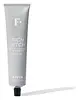
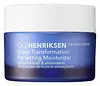
Freck Freck Rich Bitch Cactus + Vitamin C Moisturizer Versus Olehenriksen Sheer Transformation Perfecting Moisturizer
This brightening moisturizer is formulated around Opuntia Ficus-Indica Seed Oil and Ascorbyl Palmitate to brighten dull-looking skin and hydrate skin.
This brightening moisturizer is formulated around Glycyrrhiza Glabra Root Extract to brighten dull-looking skin.

What's inside
What's inside
 Key Ingredients
Benefits
Concerns
Ingredients Side-by-side
Water
Skin ConditioningCoco-Caprylate/Caprate
Emollient
Caprylic/Capric Triglyceride
Masking

Hydrogenated Palm Oil
Emollient


Cetearyl Alcohol
Emollient



Glycerin
Humectant
Cetyl Alcohol
Emollient
Stearyl Alcohol
Emollient
Simmondsia Chinensis Seed Oil
Emollient
Hydrogenated Coco-Glycerides
Emollient
Cereus Grandiflorus Flower Extract
Skin ConditioningOpuntia Ficus-Indica Seed Oil
Emollient
Cocos Nucifera Oil
Masking
Ascophyllum Nodosum Extract
Skin Conditioning
Helianthus Annuus Extract
Emollient
Rosmarinus Officinalis Leaf Extract
AntimicrobialOryza Sativa Bran Extract
Skin Conditioning
Ascorbyl Palmitate
Antioxidant


Tocopherol
Antioxidant



Lecithin
Emollient
Xanthan Gum
EmulsifyingPolysorbate 60
Emulsifying
Sodium Acrylates Copolymer
Caprylyl Glycol
Emollient
Phenoxyethanol
Preservative
Hexylene Glycol
EmulsifyingButylene Glycol
Humectant
Tetrasodium EDTA
ChelatingPotassium Hydroxide
BufferingEthylhexylglycerin
Skin ConditioningParfum
Masking

Aroma
Water, Coco-Caprylate/Caprate, Caprylic/Capric Triglyceride, Hydrogenated Palm Oil, Cetearyl Alcohol, Glycerin, Cetyl Alcohol, Stearyl Alcohol, Simmondsia Chinensis Seed Oil, Hydrogenated Coco-Glycerides, Cereus Grandiflorus Flower Extract, Opuntia Ficus-Indica Seed Oil, Cocos Nucifera Oil, Ascophyllum Nodosum Extract, Helianthus Annuus Extract, Rosmarinus Officinalis Leaf Extract, Oryza Sativa Bran Extract, Ascorbyl Palmitate, Tocopherol, Lecithin, Xanthan Gum, Polysorbate 60, Sodium Acrylates Copolymer, Caprylyl Glycol, Phenoxyethanol, Hexylene Glycol, Butylene Glycol, Tetrasodium EDTA, Potassium Hydroxide, Ethylhexylglycerin, Parfum, Aroma
Water
Skin ConditioningCaprylic/Capric Triglyceride
Masking
Dimethicone
Emollient
Stearyl Alcohol
Emollient
Tribehenin
Emollient
Glycerin
Humectant
Steareth-20
CleansingSteareth-2
EmulsifyingHydrogenated Coco-Glycerides
Emollient
Phenoxyethanol
Preservative
Sucrose Dilaurate
Emollient
Octyldodecanol
Emollient
Cyclopentasiloxane
Emollient
Xanthan Gum
EmulsifyingCaprylyl Glycol
Emollient
Dimethiconol
Emollient
Hexylene Glycol
EmulsifyingEthylhexylglycerin
Skin ConditioningPolysorbate 20
Emulsifying
Tocopheryl Acetate
Antioxidant
Helianthus Annuus Seed Cera
Emollient
Pisum Sativum Extract
Skin ConditioningSantalum Album Wood Extract
Perfuming
Glycyrrhiza Glabra Root Extract
Bleaching
Chamomilla Recutita Flower Extract
Masking
Berberis Vulgaris Bark Extract
Skin ConditioningP-Anisic Acid
MaskingSorbic Acid
Preservative
Ascorbyl Palmitate
Antioxidant
Sorbitol
Humectant
Vaccinium Myrtillus Fruit/Leaf Extract
AstringentSodium Benzoate
Masking
Potassium Sorbate
Preservative
Citric Acid
Buffering
Superoxide Dismutase
Antioxidant
Calcium Ascorbate
Antioxidant
Saccharum Officinarum Extract
MoisturisingCitrus Limon Fruit Extract
Masking
Citrus Aurantium Dulcis Fruit Extract
MaskingAcer Saccharum Extract
Skin ConditioningWater, Caprylic/Capric Triglyceride, Dimethicone, Stearyl Alcohol, Tribehenin, Glycerin, Steareth-20, Steareth-2, Hydrogenated Coco-Glycerides, Phenoxyethanol, Sucrose Dilaurate, Octyldodecanol, Cyclopentasiloxane, Xanthan Gum, Caprylyl Glycol, Dimethiconol, Hexylene Glycol, Ethylhexylglycerin, Polysorbate 20, Tocopheryl Acetate, Helianthus Annuus Seed Cera, Pisum Sativum Extract, Santalum Album Wood Extract, Glycyrrhiza Glabra Root Extract, Chamomilla Recutita Flower Extract, Berberis Vulgaris Bark Extract, P-Anisic Acid, Sorbic Acid, Ascorbyl Palmitate, Sorbitol, Vaccinium Myrtillus Fruit/Leaf Extract, Sodium Benzoate, Potassium Sorbate, Citric Acid, Superoxide Dismutase, Calcium Ascorbate, Saccharum Officinarum Extract, Citrus Limon Fruit Extract, Citrus Aurantium Dulcis Fruit Extract, Acer Saccharum Extract
Reviews
Ingredients Explained
These ingredients are found in both products.
Ingredients higher up in an ingredient list are typically present in a larger amount.
Ascorbyl Palmitate is a fat-soluble form of vitamin C (Ascorbic Acid) made by combining it with palmitic acid.
It is able to blend easily into creams and oil-based formulas because it dissolves in oils rather than water.
As you may know, regular vitamin C is notorious for breaking down when exposed to sunlight and air. Ascorbyl Palmitate is more stable and degrades at a slower rate.
Research on whether it converts efficiently into active vitamin C once it's applied on your skin is still limited.
Some in-vitro studies suggest it may support collagen production, but it is not considered one of the stronger vitamin C derivatives, like:
Due to the palmitic acid base, this ingredient may not be fungal acne safe. Comedogenic studies have also shown this ingredient to have a rating of 2.
It's also worth keeping in mind that comedogenic and irritancy ratings are tested on individual ingredients, not finished formulas. The final product's formulation, concentration, and other ingredients all play a role in how something actually behaves on your skin.
Learn more about Ascorbyl PalmitateCaprylic/Capric Triglyceride (aka MCT Oil) is a lightweight emollient, solvent, and texture enhancer. It is considered a skin-softener by helping to prevent moisture loss.
Though it behaves like an oil, it is not technically one due to its chemical composition. One perk of this ingredient is that it is very stable, resistant to oxidation, and unlikely to go rancid.
In practice, that translates to a long shelf life and a consistently elegant skin feel.
While there is an assumption Caprylic Triglyceride can clog pores due to it being derived from coconut oil, there is no research supporting this. Just patch test if you have concerns.
Fractionated coconut oil and MCT Oil are both listed as Caprylic/Capric Triglyceride according to INCI. This is because INCI names are based on the ingredient’s final chemical composition and not its marketing name or source.
This ingredient is treated as the gold standard fungal acne safe oil. Even though it is coconut derived, the problematic lauric acid is stripped out.
This leaves just caprylic (C8) and capric (C10) acid. These chain lengths actually trend antifungal; a 2020 study found caprylic acid was enough to disrupt Malassezia furfur cell membrane, with a caprylic acid derivative damaging membrane structures at concentrations as low as 0.2%.
Learn more about Caprylic/Capric TriglycerideCaprylyl Glycol is a humectant, skin conditioner, emollient, and preservative booster derived from either caprylic acid or synthetically created.
Typical use levels vary from 0.3-1% as a preservative booster and go up to 2% to condition skin.
Because it is not a free-fatty acid, this ingredient is fungal acne safe (there's nothing for Malassezia to feed on).
Learn more about Caprylyl GlycolEthylhexylglycerin is created from glycerin. It is a multitasker ingredient that:
The CIR Expert Panel found minimal skin absorption or sensitization of any kind in a safety assessment. Though this ingredient is considered well-tolerated, a small number of cases of allergic dermatitis have been published since 2002. Just be sure to patch test if you are unsure.
Industry-reported use ranges from 8% in rinse-off products and 2% in leave-on formulations.
Learn more about EthylhexylglycerinGlycerin (or glycerol) is a compound naturally found in your skin. It's a powerhouse humectant that pulls water into the stratum corneum.
Topically, glycerin does several things at once:
Your skin makes glycerin on its own (mostly from sebaceous oil breakdown) and shuttles it to your outermost layer of skin, or your epidermis, via aquaporin-3.
Aquaporin-3 is a transporter that is essential for normal skin hydration, elasticity, and repair. Interestingly, mice lacking in AQP3 have dry and less elastic skin that can be fully corrected with glycerin.
This ingredient is non-irritating, plays well with almost every ingredient, and works across all skin types. Typical use is anywhere between 3-10% but can go up to 79% in some leave-on products.
Just know very high concentrations (>40%) can feel tacky in low humidity.
Glycerin is the name for this ingredient in American English. British English uses Glycerol/Glycerine.
Learn more about GlycerinHexylene Glycol is a multitasker ingredient that works as a solvent, humectant, emulsifier, viscosity reducer, and preservative booster.
It is able to dissolve both water and oil-soluble ingredients to stabilize tricky actives and make products spread more easily.
As a humectant, it pulls water into the skin. But it's a pretty minor moisturizing ingredient compared to other humectants, like glycerin.
Interestingly, it can act as a mild penetration enhancer. One in vitro study on human skin found a 12% concentration upped the absorption of mometasone furoate (a medicinal ingredient used to treat inflammatory skin conditions) up to 7%.
This ingredient is typically used at levels of 0.1-10% depending on the role it's playing.
A patch test study on eczema patients didn't find a significant increase in irritation versus the control group, but the potential for irritation rises at higher concentrations.
Learn more about Hexylene GlycolHydrogenated Coco-Glycerides isn't fungal acne safe.
Phenoxyethanol is one of the most widely used preservatives in skincare (and for good reason!).
It has a large spectrum of antimicrobial activity and especially effective bacteria, yeast, and mold while only having a weak effect on your skin's natural microbiome.
On a cellular level, it disrupts the cell membranes of microbes by poking holes that make the cell leak. This shuts down the chemical reactions the microbe needs to make energy so it can no longer survive.
Another perk of this ingredient is that it stays functional across a wide pH range (3-10).
You'll often see it paired with boosters like Ethylhexylglycerin; one study showed that a 1:9 ratio of Ethylhexylglycerin to Phenoxyethanol damages bacterial membranes as effectively as doubling the Phenoxyethanol concentration on its own.
Typical use concentrations range from 0.3-1% depending on the formula, and this ingredient is capped at 1% int the EU.
Safety-wise, the fear mongering does not hold up to the evidence. The EU's Scientific Committee on Consumer Safety and FDA consider it safe as a preservative at up to 1%, including for children of all ages.
Adverse systemic effects only showed up in animal studies at exposures roughly 200x higher than what people get from cosmetics. And despite its very widespread use, this ingredient is a rare sensitizer and allergic reactions are uncommon.
Learn more about PhenoxyethanolStearyl Alcohol is a type of fatty alcohol from stearic acid. It is a white, waxy compound used to emulsify ingredients used as an emollient or to thicken a product.
Emollients help soothe and hydrate the skin by trapping moisture.
Fatty alcohols are usually derived from natural fats and oils and therefore do not have the same drying or irritating effect as solvent (ethanol) alcohols.
The FDA allows products labeled "alcohol-free" to have fatty alcohols.
This ingredient may not be fungal acne safe. It is a primary fatty alcohol with a chain length above 12 carbons. A study from 2019 show Malassezia can feed on fatty alcohols in this range, so it may trigger fungal acne in those prone to it.
Learn more about Stearyl AlcoholWater. It's the most common cosmetic ingredient of all. You'll usually see it at the top of ingredient lists, meaning that it makes up the largest part of the product.
So why is it so popular? Water most often acts as a solvent - this means that it helps dissolve other ingredients into the formulation.
You'll also recognize water as that liquid we all need to stay alive. If you see this, drink a glass of water. Remember to stay hydrated!
Learn more about WaterXanthan gum is used as a stabilizer and thickener within cosmetic products. It helps give products a sticky, thick feeling - preventing them from being too runny.
On the technical side of things, xanthan gum is a polysaccharide - a combination consisting of multiple sugar molecules bonded together.
Xanthan gum is a pretty common and great ingredient. It is a natural, non-toxic, non-irritating ingredient that is also commonly used in food products.
Learn more about Xanthan Gum

