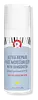
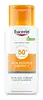
First Aid Beauty Ultra Repair Face Moisturizer With Sunscreen SPF 30 Versus Eucerin Sun Allergy Protect Sun Gel-Creme SPF 50+
This hybrid sunscreen covers the full UV range and blocks ~97% of UVB at SPF 30.
This chemical sunscreen covers the full UV range and blocks ~98% of UVB at SPF 50.


What's inside
What's inside
 Key Ingredients
Benefits
Concerns
Ingredients Side-by-side
Octocrylene 10%
UV Absorber



Zinc Oxide 10.13%
Cosmetic Colorant
Water
Skin ConditioningIsononyl Isononanoate
EmollientGlycerin
Humectant


Dimethicone
Emollient
C13-15 Alkane
SolventPolyglyceryl-6 Stearate
Emollient

Hydroxypropyl Starch Phosphate
Ethylhexyl Methoxycrylene
Skin Conditioning
C12-15 Alkyl Benzoate
AntimicrobialPolysorbate 20
Emulsifying
Phenoxyethanol
Preservative
Glyceryl Stearate
Emollient
Cetearyl Alcohol
Emollient



Hydrogen Dimethicone
Polyglyceryl-6 Behenate
Emulsion Stabilising
Hydroxyethyl Acrylate/Sodium Acryloyldimethyl Taurate Copolymer
Emulsion StabilisingXanthan Gum
EmulsifyingIsohexadecane
EmollientChrysanthemum Parthenium Extract
Skin ConditioningCamellia Sinensis Leaf Extract
Antimicrobial





Glycyrrhiza Glabra Root Extract
Bleaching
Polyhydroxystearic Acid
Emulsifying
Polysorbate 60
Emulsifying
Sodium Benzoate
Masking
Potassium Sorbate
Preservative
Sorbitan Isostearate
Emulsifying
Tetrasodium EDTA
ChelatingOctocrylene 10%, Zinc Oxide 10.13%, Water, Isononyl Isononanoate, Glycerin, Dimethicone, C13-15 Alkane, Polyglyceryl-6 Stearate, Hydroxypropyl Starch Phosphate, Ethylhexyl Methoxycrylene, C12-15 Alkyl Benzoate, Polysorbate 20, Phenoxyethanol, Glyceryl Stearate, Cetearyl Alcohol, Hydrogen Dimethicone, Polyglyceryl-6 Behenate, Hydroxyethyl Acrylate/Sodium Acryloyldimethyl Taurate Copolymer, Xanthan Gum, Isohexadecane, Chrysanthemum Parthenium Extract, Camellia Sinensis Leaf Extract, Glycyrrhiza Glabra Root Extract, Polyhydroxystearic Acid, Polysorbate 60, Sodium Benzoate, Potassium Sorbate, Sorbitan Isostearate, Tetrasodium EDTA
Water
Skin ConditioningAlcohol Denat.
Antimicrobial

Butyl Methoxydibenzoylmethane
UV Absorber
Isopropyl Palmitate
Emollient
Bis-Ethylhexyloxyphenol Methoxyphenyl Triazine
UV Absorber
C12-15 Alkyl Benzoate
AntimicrobialDibutyl Adipate
EmollientDistarch Phosphate
AbsorbentDiethylamino Hydroxybenzoyl Hexyl Benzoate
UV Filter
Ethylhexyl Triazone
UV Absorber
Butylene Glycol Dicaprylate/Dicaprate
EmollientPhenylbenzimidazole Sulfonic Acid
UV Absorber
Diethylhexyl Butamido Triazone
UV Absorber
Glycyrrhiza Inflata Root Extract
Skin Conditioning
Glucosylrutin
Antioxidant
Isoquercitrin
Antioxidant
Glycyrrhetinic Acid
Skin Conditioning
Tocopherol
Antioxidant
Glycerin
Humectant
C18-38 Alkyl Hydroxystearoyl Stearate
EmollientCopernicia Cerifera Cera
Emollient
Hydrogenated Rapeseed Oil
Emollient
Cetyl Palmitate
Emollient
Microcrystalline Cellulose
AbsorbentXanthan Gum
EmulsifyingCellulose Gum
Emulsion StabilisingSodium Stearoyl Glutamate
CleansingSilica Dimethyl Silylate
EmollientPhenoxyethanol
Preservative
Caprylyl Glycol
Emollient
Hydroxyacetophenone
Antioxidant
Trisodium EDTA
ChelatingSodium Hydroxide
BufferingSodium Chloride
MaskingWater, Alcohol Denat., Butyl Methoxydibenzoylmethane, Isopropyl Palmitate, Bis-Ethylhexyloxyphenol Methoxyphenyl Triazine, C12-15 Alkyl Benzoate, Dibutyl Adipate, Distarch Phosphate, Diethylamino Hydroxybenzoyl Hexyl Benzoate, Ethylhexyl Triazone, Butylene Glycol Dicaprylate/Dicaprate, Phenylbenzimidazole Sulfonic Acid, Diethylhexyl Butamido Triazone, Glycyrrhiza Inflata Root Extract, Glucosylrutin, Isoquercitrin, Glycyrrhetinic Acid, Tocopherol, Glycerin, C18-38 Alkyl Hydroxystearoyl Stearate, Copernicia Cerifera Cera, Hydrogenated Rapeseed Oil, Cetyl Palmitate, Microcrystalline Cellulose, Xanthan Gum, Cellulose Gum, Sodium Stearoyl Glutamate, Silica Dimethyl Silylate, Phenoxyethanol, Caprylyl Glycol, Hydroxyacetophenone, Trisodium EDTA, Sodium Hydroxide, Sodium Chloride
Reviews
Ingredients Explained
These ingredients are found in both products.
Ingredients higher up in an ingredient list are typically present in a larger amount.
C12-15 Alkyl Benzoate is a lightweight emollient made by combinig benzoic acid with fatty alcohols that are 12-15 carbons long.
In cosmetics, it plays several roles:
The Cosmetic Review Expert Panel has concluded the alkyl benzoate group to be safe as used in cosmetics; it wasn't found to be a skin irritant and unlikely to be absorbed due to its low water solubility.
This report recorded almost 1000 reported uses with concentrations up to 59% in leave-on products but your cosmetics will typically use 0.5-15% depending on the product.
It's often called a "SPF booster": this is because it keeps UV filters properly dissolved and evenly distributed to support a sunscreen's performance. It doesn't actually raise SPF on its own.
Overall, this ingredient is well tolerated.
This ingredient is fungal acne safe because it is an ester of benzoic acid.
Think of this ingredient as two parts stuck together: an oily part and an acid part. Malassezia only gets a meal when it can snip off a fatty acid to eat. With C12-15 Alkyl Benzoate, the acid part is benzoic acid, which isn't a fatty acid and which the yeast can't use as food.
Benzoic acid is actually used as a preservative to stop yeast from growing.
The oily part is a blend of C12-15 fatty alcohols but fatty alcohols in this size range can support only a little Malassezia growth (mostly for one species of Malassezia as well).
In the ingredient, those alcohols stay locked inside the molecule. The yeast can only reach them by snipping the benzoate bond, and that type of bond is harder for it to cut than a normal fatty bond.
So not much gets released. And whatever does get snipped comes packaged with benzoic acid, which discourages yeast growth.
Learn more about C12-15 Alkyl BenzoateGlycerin (or glycerol) is a compound naturally found in your skin. It's a powerhouse humectant that pulls water into the stratum corneum.
Topically, glycerin does several things at once:
Your skin makes glycerin on its own (mostly from sebaceous oil breakdown) and shuttles it to your outermost layer of skin, or your epidermis, via aquaporin-3.
Aquaporin-3 is a transporter that is essential for normal skin hydration, elasticity, and repair. Interestingly, mice lacking in AQP3 have dry and less elastic skin that can be fully corrected with glycerin.
This ingredient is non-irritating, plays well with almost every ingredient, and works across all skin types. Typical use is anywhere between 3-10% but can go up to 79% in some leave-on products.
Just know very high concentrations (>40%) can feel tacky in low humidity.
Glycerin is the name for this ingredient in American English. British English uses Glycerol/Glycerine.
Learn more about GlycerinPhenoxyethanol is one of the most widely used preservatives in skincare (and for good reason!).
It has a large spectrum of antimicrobial activity and especially effective bacteria, yeast, and mold while only having a weak effect on your skin's natural microbiome.
On a cellular level, it disrupts the cell membranes of microbes by poking holes that make the cell leak. This shuts down the chemical reactions the microbe needs to make energy so it can no longer survive.
Another perk of this ingredient is that it stays functional across a wide pH range (3-10).
You'll often see it paired with boosters like Ethylhexylglycerin; one study showed that a 1:9 ratio of Ethylhexylglycerin to Phenoxyethanol damages bacterial membranes as effectively as doubling the Phenoxyethanol concentration on its own.
Typical use concentrations range from 0.3-1% depending on the formula, and this ingredient is capped at 1% int the EU.
Safety-wise, the fear mongering does not hold up to the evidence. The EU's Scientific Committee on Consumer Safety and FDA consider it safe as a preservative at up to 1%, including for children of all ages.
Adverse systemic effects only showed up in animal studies at exposures roughly 200x higher than what people get from cosmetics. And despite its very widespread use, this ingredient is a rare sensitizer and allergic reactions are uncommon.
Learn more about PhenoxyethanolWater. It's the most common cosmetic ingredient of all. You'll usually see it at the top of ingredient lists, meaning that it makes up the largest part of the product.
So why is it so popular? Water most often acts as a solvent - this means that it helps dissolve other ingredients into the formulation.
You'll also recognize water as that liquid we all need to stay alive. If you see this, drink a glass of water. Remember to stay hydrated!
Learn more about WaterXanthan gum is used as a stabilizer and thickener within cosmetic products. It helps give products a sticky, thick feeling - preventing them from being too runny.
On the technical side of things, xanthan gum is a polysaccharide - a combination consisting of multiple sugar molecules bonded together.
Xanthan gum is a pretty common and great ingredient. It is a natural, non-toxic, non-irritating ingredient that is also commonly used in food products.
Learn more about Xanthan Gum

