FaceTheory Resveratrol Antioxidant Serum Versus Asam Beauty Resveratrol Premium NT50 Perfecting Eye Cream
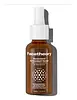
This anti-aging serum is formulated around Resveratrol and Ferulic Acid to soften the look of wrinkles and brighten dull-looking skin.
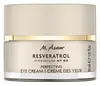
This anti-aging eye moisturizer is formulated around Resveratrol and Palmitoyl Tripeptide-1 to soften the look of wrinkles.


What's inside
What's inside
 Key Ingredients
Benefits
Concerns
Ingredients Side-by-side
Propanediol
Solvent

Dimethyl Isosorbide
SolventResveratrol
Antioxidant




Glycerin
Humectant
Ferulic Acid
Antimicrobial
Olive Oil Polyglyceryl-4 Esters
Surfactant


Bis(Cyano Butylacetate) Anthracenediylidene
Skin ConditioningCamellia Sinensis Leaf Extract
Antimicrobial

Centella Asiatica Flower/Leaf/Stem Extract
Skin Conditioning
Dibutyl Lauroyl Glutamide
Skin ConditioningDibutyl Ethylhexanoyl Glutamide
Skin ConditioningWater
Skin ConditioningMethylpropanediol
SolventGlycerin
Humectant
Caprylic/Capric Triglyceride
Masking
Hydrogenated Vegetable Oil
Emollient

C10-18 Triglycerides
Emollient
Glyceryl Stearate Citrate
Emollient
Dicaprylyl Carbonate
EmollientRicinus Communis Seed Oil
Masking
Butylene Glycol
Humectant
Glyceryl Stearate
Emollient
Cetearyl Alcohol
Emollient

Vitis Vinifera Seed Oil
Emollient
Butyrospermum Parkii Butter
Skin Conditioning
Dipentaerythrityl Pentaisononanoate
EmollientSodium Stearoyl Glutamate
CleansingResveratrol
Antioxidant
Inulin
Skin Conditioning
Sodium Hyaluronate
Humectant
Sodium Hyaluronate Crosspolymer-3
HumectantHeptapeptide-15 Palmitate
Skin Conditioning
Palmitoyl Tripeptide-1
Skin Conditioning
Palmitoyl Tetrapeptide-7
Skin Conditioning
Vitis Vinifera Seed Extract
Antimicrobial
Vitis Vinifera Vine Extract
Skin ConditioningMagnolia Biondii Bark Extract
Skin ConditioningSalix Alba Bark Extract
Astringent
Camellia Sinensis Leaf Extract
Antimicrobial
Citrus Grandis Fruit Extract
Astringent
Propolis Extract
Skin Conditioning

Chamomilla Recutita Flower/Leaf Extract
AntimicrobialThujopsis Dolabrata Branch Extract
Skin ConditioningArgania Spinosa Kernel Oil
Emollient
Glycine Soja Oil
Emollient
Panthenol
Skin Conditioning
Ubiquinone
Antioxidant
Tocopherol
Antioxidant
Tocopheryl Acetate
Antioxidant
Ascorbyl Tetraisopalmitate
Antioxidant
Glycolic Acid
Buffering


Lactic Acid
Buffering
Sodium Lactate
Buffering
Coco-Glucoside
Cleansing
Lecithin
Emollient
Diisopropyl Adipate
EmollientAcrylates/C10-30 Alkyl Acrylate Crosspolymer
Emulsion StabilisingGlyceryl Undecylenate
Emollient
Polyvinyl Alcohol
Carbomer
Emulsion StabilisingSynthetic Fluorphlogopite
Sodium Polyacrylate
Absorbent
Sodium Gluconate
ChelatingCaprylyl Glycol
Emollient
1,2-Hexanediol
Skin Conditioning
Alcohol
Antimicrobial

Citric Acid
Buffering
Tin Oxide
Abrasive
CI 77891
Cosmetic ColorantWater, Methylpropanediol, Glycerin, Caprylic/Capric Triglyceride, Hydrogenated Vegetable Oil, C10-18 Triglycerides, Glyceryl Stearate Citrate, Dicaprylyl Carbonate, Ricinus Communis Seed Oil, Butylene Glycol, Glyceryl Stearate, Cetearyl Alcohol, Vitis Vinifera Seed Oil, Butyrospermum Parkii Butter, Dipentaerythrityl Pentaisononanoate, Sodium Stearoyl Glutamate, Resveratrol, Inulin, Sodium Hyaluronate, Sodium Hyaluronate Crosspolymer-3, Heptapeptide-15 Palmitate, Palmitoyl Tripeptide-1, Palmitoyl Tetrapeptide-7, Vitis Vinifera Seed Extract, Vitis Vinifera Vine Extract, Magnolia Biondii Bark Extract, Salix Alba Bark Extract, Camellia Sinensis Leaf Extract, Citrus Grandis Fruit Extract, Propolis Extract, Chamomilla Recutita Flower/Leaf Extract, Thujopsis Dolabrata Branch Extract, Argania Spinosa Kernel Oil, Glycine Soja Oil, Panthenol, Ubiquinone, Tocopherol, Tocopheryl Acetate, Ascorbyl Tetraisopalmitate, Glycolic Acid, Lactic Acid, Sodium Lactate, Coco-Glucoside, Lecithin, Diisopropyl Adipate, Acrylates/C10-30 Alkyl Acrylate Crosspolymer, Glyceryl Undecylenate, Polyvinyl Alcohol, Carbomer, Synthetic Fluorphlogopite, Sodium Polyacrylate, Sodium Gluconate, Caprylyl Glycol, 1,2-Hexanediol, Alcohol, Citric Acid, Tin Oxide, CI 77891
Ingredients Explained
These ingredients are found in both products.
Ingredients higher up in an ingredient list are typically present in a larger amount.
Camellia Sinensis Leaf Extract (tea extract) is one of the most well-researched plant extracts in skincare with an impressive resume.
Black tea, green tea, and oolong tea are all harvested from the Camellia Sinensis plant.
Studies show green tea extract and its catechins (like epigallocatechin gallate (EGCG)) help your skin cells product energy more efficiently and reducing the number of free-radicals that can damage your skin from the inside.
In lab-grown skin models, this translated to younger, healthier, and stronger skin.
There's also good sun protection data; researchers saw less DNA damage and redness on human skin when green tea was applied before UVB exposure. And the more they applied, the better the protection.
Needless to say, this ingredient shouldn't replace your sunscreen. But it is a great supportive ingredient that you can already find in many sunscreens and antioxidant serums.
A 2009 study found a 2% green tea lotion was effective for mild-to-moderate acne thanks to its anti-inflammatory and mild antimicrobial activity.
The quality of the extract matters a lot here:
Good extracts contain 50-90% catechins while lower quality ones are mostly there for marketing. We recommend reaching out to the brand if you have questions about the quality or source of their ingredients.
Human Repeated Insult Patch Testing showed no irritation or sensitization at use concentrations (0.86% in leave-on products and up to 30% as leaf water).
Learn more about Camellia Sinensis Leaf ExtractGlycerin (or glycerol) is a compound naturally found in your skin. It's a powerhouse humectant that pulls water into the stratum corneum.
Topically, glycerin does several things at once:
Your skin makes glycerin on its own (mostly from sebaceous oil breakdown) and shuttles it to your outermost layer of skin, or your epidermis, via aquaporin-3.
Aquaporin-3 is a transporter that is essential for normal skin hydration, elasticity, and repair. Interestingly, mice lacking in AQP3 have dry and less elastic skin that can be fully corrected with glycerin.
This ingredient is non-irritating, plays well with almost every ingredient, and works across all skin types. Typical use is anywhere between 3-10% but can go up to 79% in some leave-on products.
Just know very high concentrations (>40%) can feel tacky in low humidity.
Glycerin is the name for this ingredient in American English. British English uses Glycerol/Glycerine.
Learn more about GlycerinResveratrol is a well-studied polyphenol antioxidant that has gained attention in skincare for its protective and calming effects on the skin. It’s often considered a gentler option for people who can’t tolerate retinoids.
This antioxidant is best known for its anti-aging benefits. Research suggests resveratrol helps combat visible signs of aging by:
Beyond anti-aging, resveratrol is also valued for its skin-brightening and soothing properties.
Some forms of resveratrol appear to be more effective than others. Resveratrol isobutyrate and resveratrol butyrate are often cited as more stable derivatives.
Research also suggests these two forms have stronger effects on Type I collagen stimulation and inflammation reduction compared to basic resveratrol.
Resveratrol is naturally unstable and can degrade when exposed to light and oxygen. Well-designed products often use stabilized derivatives, airless or opaque packaging, and supporting antioxidants to help maintain effectiveness on skin.
A note on resveratrol as a retinoid alternative:
While resveratrol offers antioxidant protection, inflammation control, and some collagen-supporting benefits, it does not replace retinoids in terms of cell turnover or acne treatment.
However, it can be a useful option for people with retinoid sensitivity or intolerance, or for those looking to support skin health without irritation.
Fun fact: Resveratrol is naturally found in grapes, peanuts, and berries, which is why it’s frequently associated with wine and grape-derived skincare ingredients.
Learn more about Resveratrol

