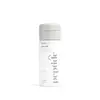
This hydrating toner is formulated around Simmondsia Chinensis Seed Oil and Avena Sativa Peptide to hydrate skin and strengthen the skin barrier.
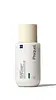
This barrier-repair moisturizer is formulated around Ceramide NP and Hexapeptide-11 to strengthen the skin barrier and soften the look of wrinkles.


What's inside
What's inside
 Key Ingredients
Benefits
Concerns
Ingredients Side-by-side
Water
Skin ConditioningGlycerin
Humectant


Paraffinum Liquidum
Emollient


Isohexadecane
EmollientTocopheryl Acetate
Antioxidant


Simmondsia Chinensis Seed Oil
Emollient

Avena Sativa Peptide
Skin Conditioning
Milk Protein
Skin ConditioningPolysorbate 60
Emulsifying
Cetearyl Alcohol
Emollient



Dimethicone
Emollient
Sorbitan Stearate
Emulsifying
Phenoxyethanol
Preservative
Glyceryl Stearate
Emollient
PEG-100 Stearate
Surfactant
Polyacrylate Crosspolymer-6
Emulsion StabilisingChlorphenesin
Antimicrobial
Xanthan Gum
EmulsifyingGlyceryl Caprylate
EmollientParfum
Masking

Ethylhexylglycerin
Skin ConditioningMagnesium Sulfate
Proline
Skin Conditioning
Caprylyl Glycol
Emollient
Acetyl Hexapeptide-8
Humectant
Linalool
Perfuming
Water, Glycerin, Paraffinum Liquidum, Isohexadecane, Tocopheryl Acetate, Simmondsia Chinensis Seed Oil, Avena Sativa Peptide, Milk Protein, Polysorbate 60, Cetearyl Alcohol, Dimethicone, Sorbitan Stearate, Phenoxyethanol, Glyceryl Stearate, PEG-100 Stearate, Polyacrylate Crosspolymer-6, Chlorphenesin, Xanthan Gum, Glyceryl Caprylate, Parfum, Ethylhexylglycerin, Magnesium Sulfate, Proline, Caprylyl Glycol, Acetyl Hexapeptide-8, Linalool
Water
Skin ConditioningGlycerin
Humectant
Propanediol
Solvent
Isopropyl Myristate
Emollient
Ethylhexyl Olivate
Skin Conditioning
Squalane
Emollient
Hydrolyzed Rice Protein
Skin ConditioningCeramide NP
Skin Conditioning


Ceramide As
Skin Conditioning
Ceramide Ns
Skin Conditioning
Ceramide EOP
Skin Conditioning
Ceramide AP
Skin Conditioning
Hexapeptide-11
Skin Conditioning
Matrixyl 3000
Polyglyceryl-10 Stearate
Skin Conditioning
Triolein
Skin Conditioning
Ammonium Acryloyldimethyltaurate/Vp Copolymer
Glyceryl Oleate
Emollient
Undecane
EmollientHydroxyacetophenone
Antioxidant
Glyceryl Dioleate
Emollient
Caprylyl Glycol
Emollient
Xanthan Gum
EmulsifyingTridecane
Perfuming
Betaine
Humectant
Sodium Stearoyl Glutamate
CleansingCitric Acid
Buffering
Sodium Phytate
ChelatingSodium PCA
Humectant
Sodium Hydroxide
BufferingSodium Lactate
Buffering
PCA
Humectant
Sodium Benzoate
Masking
Serine
Masking
Alanine
Masking
Palmitic Acid
Emollient
Glycine
Buffering
Hydrogenated Lecithin
Emulsifying
Ethylhexyl Palmitate
Emollient
Butylene Glycol
Humectant
Phenoxyethanol
Preservative
Ethylhexylglycerin
Skin ConditioningGlutamic Acid
Humectant
Lysine Hcl
Skin Conditioning
Threonine
Arginine
Masking
Proline
Skin Conditioning
Tocopherol
Antioxidant
Carbomer
Emulsion StabilisingPolysorbate 20
Emulsifying
Water, Glycerin, Propanediol, Isopropyl Myristate, Ethylhexyl Olivate, Squalane, Hydrolyzed Rice Protein, Ceramide NP, Ceramide As, Ceramide Ns, Ceramide EOP, Ceramide AP, Hexapeptide-11, Matrixyl 3000, Polyglyceryl-10 Stearate, Triolein, Ammonium Acryloyldimethyltaurate/Vp Copolymer, Glyceryl Oleate, Undecane, Hydroxyacetophenone, Glyceryl Dioleate, Caprylyl Glycol, Xanthan Gum, Tridecane, Betaine, Sodium Stearoyl Glutamate, Citric Acid, Sodium Phytate, Sodium PCA, Sodium Hydroxide, Sodium Lactate, PCA, Sodium Benzoate, Serine, Alanine, Palmitic Acid, Glycine, Hydrogenated Lecithin, Ethylhexyl Palmitate, Butylene Glycol, Phenoxyethanol, Ethylhexylglycerin, Glutamic Acid, Lysine Hcl, Threonine, Arginine, Proline, Tocopherol, Carbomer, Polysorbate 20
Reviews
Ingredients Explained
These ingredients are found in both products.
Ingredients higher up in an ingredient list are typically present in a larger amount.
Caprylyl Glycol is a humectant, skin conditioner, emollient, and preservative booster derived from either caprylic acid or synthetically created.
Typical use levels vary from 0.3-1% as a preservative booster and go up to 2% to condition skin.
Because it is not a free-fatty acid, this ingredient is fungal acne safe (there's nothing for Malassezia to feed on).
Learn more about Caprylyl GlycolEthylhexylglycerin is created from glycerin. It is a multitasker ingredient that:
The CIR Expert Panel found minimal skin absorption or sensitization of any kind in a safety assessment. Though this ingredient is considered well-tolerated, a small number of cases of allergic dermatitis have been published since 2002. Just be sure to patch test if you are unsure.
Industry-reported use ranges from 8% in rinse-off products and 2% in leave-on formulations.
Learn more about EthylhexylglycerinGlycerin (or glycerol) is a compound naturally found in your skin. It's a powerhouse humectant that pulls water into the stratum corneum.
Topically, glycerin does several things at once:
Your skin makes glycerin on its own (mostly from sebaceous oil breakdown) and shuttles it to your outermost layer of skin, or your epidermis, via aquaporin-3.
Aquaporin-3 is a transporter that is essential for normal skin hydration, elasticity, and repair. Interestingly, mice lacking in AQP3 have dry and less elastic skin that can be fully corrected with glycerin.
This ingredient is non-irritating, plays well with almost every ingredient, and works across all skin types. Typical use is anywhere between 3-10% but can go up to 79% in some leave-on products.
Just know very high concentrations (>40%) can feel tacky in low humidity.
Glycerin is the name for this ingredient in American English. British English uses Glycerol/Glycerine.
Learn more about GlycerinPhenoxyethanol is one of the most widely used preservatives in skincare (and for good reason!).
It has a large spectrum of antimicrobial activity and especially effective bacteria, yeast, and mold while only having a weak effect on your skin's natural microbiome.
On a cellular level, it disrupts the cell membranes of microbes by poking holes that make the cell leak. This shuts down the chemical reactions the microbe needs to make energy so it can no longer survive.
Another perk of this ingredient is that it stays functional across a wide pH range (3-10).
You'll often see it paired with boosters like Ethylhexylglycerin; one study showed that a 1:9 ratio of Ethylhexylglycerin to Phenoxyethanol damages bacterial membranes as effectively as doubling the Phenoxyethanol concentration on its own.
Typical use concentrations range from 0.3-1% depending on the formula, and this ingredient is capped at 1% int the EU.
Safety-wise, the fear mongering does not hold up to the evidence. The EU's Scientific Committee on Consumer Safety and FDA consider it safe as a preservative at up to 1%, including for children of all ages.
Adverse systemic effects only showed up in animal studies at exposures roughly 200x higher than what people get from cosmetics. And despite its very widespread use, this ingredient is a rare sensitizer and allergic reactions are uncommon.
Learn more about PhenoxyethanolProline is a non-essential amino acid, meaning your body can make it on its own. In skincare, it is a skin conditioning ingredient that keeps skin soft and hydrated.
It makes up about 23% of the collagen molecule (collagen is the protein responsible for keeping your skin firm) and is involved in your skin's natural hyaluronic acid production. When applied topically, proline can penetrate the skin fairly well due to its small molecular size.
Reviews of this ingredient have found it to be neither a dermal irritant nor a sensitizer.
Fun fact: Proline can be found in protein-rich foods like meat, fish, eggs, and dairy.
Learn more about ProlineWater. It's the most common cosmetic ingredient of all. You'll usually see it at the top of ingredient lists, meaning that it makes up the largest part of the product.
So why is it so popular? Water most often acts as a solvent - this means that it helps dissolve other ingredients into the formulation.
You'll also recognize water as that liquid we all need to stay alive. If you see this, drink a glass of water. Remember to stay hydrated!
Learn more about WaterXanthan gum is used as a stabilizer and thickener within cosmetic products. It helps give products a sticky, thick feeling - preventing them from being too runny.
On the technical side of things, xanthan gum is a polysaccharide - a combination consisting of multiple sugar molecules bonded together.
Xanthan gum is a pretty common and great ingredient. It is a natural, non-toxic, non-irritating ingredient that is also commonly used in food products.
Learn more about Xanthan Gum

