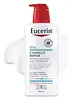
This barrier-repair moisturizer is formulated around Urea to strengthen the skin barrier and hydrate skin.
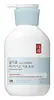
This barrier-repair moisturizer is formulated around Hydroxypropyl Bispalmitamide Mea and Ceramide NP to strengthen the skin barrier and hydrate skin.


What's inside
What's inside
 Key Ingredients
Benefits
Concerns
Ingredients Side-by-side
Water
Skin ConditioningGlycerin
Humectant


Urea
Buffering


Cetearyl Alcohol
Emollient





Glyceryl Glucoside
Humectant
Cyclomethicone
Emollient
Sodium Lactate
Buffering
Butyrospermum Parkii Butter
Skin Conditioning
Caprylic/Capric Triglyceride
Masking
Dicaprylyl Ether
Emollient
Methylpropanediol
SolventOctyldodecanol
Emollient
Tapioca Starch
Glyceryl Stearate Se
Emulsifying
Hydrogenated Coco-Glycerides
Emollient
1,2-Hexanediol
Skin Conditioning
Arginine Hcl
Skin ConditioningSodium Chloride
MaskingSodium PCA
Humectant
Dimethiconol
Emollient
Phenoxyethanol
Preservative
Lactic Acid
Buffering






Sodium Cetearyl Sulfate
Cleansing
Chondrus Crispus Extract
Skin Conditioning
Carnitine
Cleansing
Mannitol
Humectant
Serine
Masking
Sucrose
Humectant
Ceramide NP
Skin Conditioning
Citrulline
Skin ConditioningGlycogen
HumectantHistidine Hcl
Skin ConditioningAlanine
Masking
Threonine
Glutamic Acid
Humectant
Lysine
Skin ConditioningWater, Glycerin, Urea, Cetearyl Alcohol, Glyceryl Glucoside, Cyclomethicone, Sodium Lactate, Butyrospermum Parkii Butter, Caprylic/Capric Triglyceride, Dicaprylyl Ether, Methylpropanediol, Octyldodecanol, Tapioca Starch, Glyceryl Stearate Se, Hydrogenated Coco-Glycerides, 1,2-Hexanediol, Arginine Hcl, Sodium Chloride, Sodium PCA, Dimethiconol, Phenoxyethanol, Lactic Acid, Sodium Cetearyl Sulfate, Chondrus Crispus Extract, Carnitine, Mannitol, Serine, Sucrose, Ceramide NP, Citrulline, Glycogen, Histidine Hcl, Alanine, Threonine, Glutamic Acid, Lysine
Water
Skin ConditioningGlycerin
Humectant
Propanediol
Solvent
Hydrogenated Rice Bran Oil
Skin Conditioning
Cyclopentasiloxane
Emollient
Hydrogenated Poly(C6-14 Olefin)
EmollientCyclohexasiloxane
Emollient
Dimethicone
Emollient
Cetyl Ethylhexanoate
EmollientDiisostearyl Malate
Emollient1,2-Hexanediol
Skin Conditioning
Butylene Glycol
Humectant
Hydroxyethyl Acrylate/Sodium Acryloyldimethyl Taurate Copolymer
Emulsion StabilisingC14-22 Alcohols
Emulsion Stabilising
Arachidyl Alcohol
Emollient
Stearic Acid
Cleansing
Glyceryl Stearate
Emollient
Palmitic Acid
Emollient
Behenyl Alcohol
Emollient
C12-20 Alkyl Glucoside
EmulsifyingGlyceryl Caprylate
EmollientArachidyl Glucoside
EmulsifyingPanax Ginseng Root Water
Masking
Disodium EDTA
ChelatingEthylhexylglycerin
Skin ConditioningSorbitan Isostearate
Emulsifying
Polysorbate 60
Emulsifying
Perilla Ocymoides Seed Extract
Antioxidant
Bupleurum Falcatum Root Extract
Skin ConditioningAngelica Acutiloba Root Extract
Skin ConditioningOphiopogon Japonicus Root Extract
Skin ConditioningHydroxypropyl Bispalmitamide Mea
Emollient
Mannitol
Humectant
Glucose
Humectant
Glycine Max Oil
Emollient
Myristic Acid
Cleansing
Acrylates/Ammonium Methacrylate Copolymer
Arachidic Acid
Cleansing
Ceramide NP
Skin Conditioning
Cholesterol
Emollient
Silica
Abrasive
Phytosphingosine
Skin Conditioning
Hydrogenated Lecithin
Emulsifying
Tocopherol
Antioxidant
Canola Oil
Emollient
Rosmarinus Officinalis Leaf Extract
AntimicrobialWater, Glycerin, Propanediol, Hydrogenated Rice Bran Oil, Cyclopentasiloxane, Hydrogenated Poly(C6-14 Olefin), Cyclohexasiloxane, Dimethicone, Cetyl Ethylhexanoate, Diisostearyl Malate, 1,2-Hexanediol, Butylene Glycol, Hydroxyethyl Acrylate/Sodium Acryloyldimethyl Taurate Copolymer, C14-22 Alcohols, Arachidyl Alcohol, Stearic Acid, Glyceryl Stearate, Palmitic Acid, Behenyl Alcohol, C12-20 Alkyl Glucoside, Glyceryl Caprylate, Arachidyl Glucoside, Panax Ginseng Root Water, Disodium EDTA, Ethylhexylglycerin, Sorbitan Isostearate, Polysorbate 60, Perilla Ocymoides Seed Extract, Bupleurum Falcatum Root Extract, Angelica Acutiloba Root Extract, Ophiopogon Japonicus Root Extract, Hydroxypropyl Bispalmitamide Mea, Mannitol, Glucose, Glycine Max Oil, Myristic Acid, Acrylates/Ammonium Methacrylate Copolymer, Arachidic Acid, Ceramide NP, Cholesterol, Silica, Phytosphingosine, Hydrogenated Lecithin, Tocopherol, Canola Oil, Rosmarinus Officinalis Leaf Extract
Reviews
Ingredients Explained
These ingredients are found in both products.
Ingredients higher up in an ingredient list are typically present in a larger amount.
1,2-Hexanediol is a synthetic liquid and another multi-functional powerhouse.
It is a:
- Humectant, drawing moisture into the skin
- Emollient, helping to soften skin
- Solvent, dispersing and stabilizing formulas
- Preservative booster, enhancing the antimicrobial activity of other preservatives
Ceramide NP (formerly known as Ceramide 3) is one of the skin's naturally occurring lipids.
Since ceramides are the major lipid components of the skin, they are crucial for maintaining skin barrier and hydration. Ceramide NP most closely mirrors the dominant kind in human skin amongst ceramide subtypes.
This ceramide works by slotting into gaps within the stratum corneum's lipid matrix to limit trans-epidermal water loss (TEWL) and shield the skin against external irritants.
A study with 312 patients found that using a ceramide-containing routine for 4 weeks reduced the severity of atopic dermatitis by over 61%.
Another clinical study in subjects aged 60 and older found that a ceramide body wash and moisturizer improved skin dryness and itchy skin in 15 days.
Overall, ceramides are considered non-irritating and safety tests have found little to no observable adverse effects from using this ingredient.
Ceramide NP is usually sourced from plants (like soybean or rice bran), or produced synthetically.
Learn more about Ceramide NPGlycerin (or glycerol) is a compound naturally found in your skin. It's a powerhouse humectant that pulls water into the stratum corneum.
Topically, glycerin does several things at once:
Your skin makes glycerin on its own (mostly from sebaceous oil breakdown) and shuttles it to your outermost layer of skin, or your epidermis, via aquaporin-3.
Aquaporin-3 is a transporter that is essential for normal skin hydration, elasticity, and repair. Interestingly, mice lacking in AQP3 have dry and less elastic skin that can be fully corrected with glycerin.
This ingredient is non-irritating, plays well with almost every ingredient, and works across all skin types. Typical use is anywhere between 3-10% but can go up to 79% in some leave-on products.
Just know very high concentrations (>40%) can feel tacky in low humidity.
Glycerin is the name for this ingredient in American English. British English uses Glycerol/Glycerine.
Learn more about GlycerinMannitol is a sugar alcohol. It is a humectant and moisturizes the skin. In vitro (not tested on a living organism), mannitol displays antioxidant properties.
When found in aqueous solutions, mannitol tends to become acidic. This is because it loses a hydrogen ion. This is why mannitol can often be found with pH adjusting ingredients, such as sodium bicarbonate.
Fun fact: Mannitol can be found in foods as a sweetener. It can be naturally found in mushrooms, algae, fruits, and veggies.
Learn more about MannitolWater. It's the most common cosmetic ingredient of all. You'll usually see it at the top of ingredient lists, meaning that it makes up the largest part of the product.
So why is it so popular? Water most often acts as a solvent - this means that it helps dissolve other ingredients into the formulation.
You'll also recognize water as that liquid we all need to stay alive. If you see this, drink a glass of water. Remember to stay hydrated!
Learn more about Water

