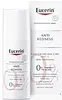
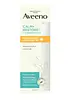
Eucerin Antiredness Concealing Day Care SPF 30 Versus Aveeno Calm + Restore Moisturising Lotion SPF 50
This calming day moisturizer is formulated around 4-T-Butylcyclohexanol and Glycyrrhiza Inflata Root Extract to calm redness.
This hybrid sunscreen covers the full UV range and blocks ~98% of UVB at SPF 50.


What's inside
What's inside
 Key Ingredients
Benefits
Concerns
Ingredients Side-by-side
Water
Skin ConditioningGlycerin
Humectant


Homosalate
Skin Conditioning

Octocrylene
UV Absorber

Butyl Methoxydibenzoylmethane
UV Absorber
Ethylhexyl Salicylate
UV Absorber
Pentylene Glycol
Skin Conditioning
Methylpropanediol
SolventButyrospermum Parkii Butter
Skin Conditioning



Cetearyl Alcohol
Emollient

Bis-Ethylhexyloxyphenol Methoxyphenyl Triazine
UV Absorber
4-T-Butylcyclohexanol
Masking



Glycyrrhiza Inflata Root Extract
Skin Conditioning
Xanthan Gum
EmulsifyingSodium Acrylates/C10-30 Alkyl Acrylate Crosspolymer
Potassium Cetyl Phosphate
EmulsifyingTrisodium EDTA
Dimethicone
Emollient
Caprylyl Glycol
Emollient
CI 77891
Cosmetic ColorantCI 77288
Cosmetic ColorantSodium Hydroxide
BufferingTrisodium Ethylenediamine Disuccinate
1,2-Hexanediol
Skin Conditioning
Hydroxyacetophenone
Antioxidant
Water, Glycerin, Homosalate, Octocrylene, Butyl Methoxydibenzoylmethane, Ethylhexyl Salicylate, Pentylene Glycol, Methylpropanediol, Butyrospermum Parkii Butter, Cetearyl Alcohol, Bis-Ethylhexyloxyphenol Methoxyphenyl Triazine, 4-T-Butylcyclohexanol, Glycyrrhiza Inflata Root Extract, Xanthan Gum, Sodium Acrylates/C10-30 Alkyl Acrylate Crosspolymer, Potassium Cetyl Phosphate, Trisodium EDTA, Dimethicone, Caprylyl Glycol, CI 77891, CI 77288, Sodium Hydroxide, Trisodium Ethylenediamine Disuccinate, 1,2-Hexanediol, Hydroxyacetophenone
Water
Skin ConditioningDiethylamino Hydroxybenzoyl Hexyl Benzoate
UV Filter
Ethylhexyl Triazone
UV Absorber
C12-15 Alkyl Benzoate
AntimicrobialCaprylyl Methicone
Skin Conditioning
Diisopropyl Adipate
EmollientAluminum Starch Octenylsuccinate
Absorbent
Methylene Bis-Benzotriazolyl Tetramethylbutylphenol
UV Filter
Dimethicone
Emollient
Avena Sativa Kernel Flour
Abrasive

Diisopropyl Sebacate
EmollientGlycerin
Humectant
Hydroxyacetophenone
Antioxidant
Glyceryl Stearate
Emollient
PEG-100 Stearate
Surfactant
Bis-Ethylhexyloxyphenol Methoxyphenyl Triazine
UV Absorber
Potassium Cetyl Phosphate
EmulsifyingTriacontanyl Pvp
HumectantDecyl Glucoside
Cleansing
Dimethicone Crosspolymer
Emulsion Stabilising
Hydroxyethyl Acrylate/Sodium Acryloyldimethyl Taurate Copolymer
Emulsion StabilisingAcrylates/C10-30 Alkyl Acrylate Crosspolymer
Emulsion StabilisingHydrolyzed Jojoba Esters
Skin Conditioning
Titanium Dioxide
Cosmetic Colorant
Disodium EDTA
Tocopheryl Acetate
Antioxidant

Sodium Hydroxide
BufferingChrysanthemum Parthenium Flower/Leaf/Stem Juice
Antioxidant
Silica
Abrasive
Sodium Hyaluronate
Humectant

Jojoba Esters
Emollient
Polysorbate 60
Emulsifying
Sorbitan Isostearate
Emulsifying
Propylene Glycol
Humectant
Pentylene Glycol
Skin Conditioning
Xanthan Gum
EmulsifyingSodium Metabisulfite
Antioxidant
Citric Acid
Buffering
Potassium Sorbate
Preservative
Sodium Benzoate
Masking
Water, Diethylamino Hydroxybenzoyl Hexyl Benzoate, Ethylhexyl Triazone, C12-15 Alkyl Benzoate, Caprylyl Methicone, Diisopropyl Adipate, Aluminum Starch Octenylsuccinate, Methylene Bis-Benzotriazolyl Tetramethylbutylphenol, Dimethicone, Avena Sativa Kernel Flour, Diisopropyl Sebacate, Glycerin, Hydroxyacetophenone, Glyceryl Stearate, PEG-100 Stearate, Bis-Ethylhexyloxyphenol Methoxyphenyl Triazine, Potassium Cetyl Phosphate, Triacontanyl Pvp, Decyl Glucoside, Dimethicone Crosspolymer, Hydroxyethyl Acrylate/Sodium Acryloyldimethyl Taurate Copolymer, Acrylates/C10-30 Alkyl Acrylate Crosspolymer, Hydrolyzed Jojoba Esters, Titanium Dioxide, Disodium EDTA, Tocopheryl Acetate, Sodium Hydroxide, Chrysanthemum Parthenium Flower/Leaf/Stem Juice, Silica, Sodium Hyaluronate, Jojoba Esters, Polysorbate 60, Sorbitan Isostearate, Propylene Glycol, Pentylene Glycol, Xanthan Gum, Sodium Metabisulfite, Citric Acid, Potassium Sorbate, Sodium Benzoate
Reviews
Ingredients Explained
These ingredients are found in both products.
Ingredients higher up in an ingredient list are typically present in a larger amount.
This ingredient is better known as bemotrizinol or Tinosorb S and is one of the best broad-spectrum UV filters in modern sunscreen.
It works by absorbing UV light across a whole range (280-400 nm) with peaks around 310 nm (UVB) and 340-345 nm (UVA). This means it covers UVB plus the deeper UVA wavelengths that drive photoaging and pigmentation.
Another pro?
It's exceptionally photostable, barely degrades in sunlight, and acts as a "bodyguard" for less stable filters.
That's why you'll see it paired with avobenzone or octinoxate; this team up ensures they keep working through sun exposure.
Safety reviews have been reassuring across the board. This ingredient shows low absorption through the skin, rarely irritates, and lab studies found it doesn't act like a hormone in the body (a concern that's been raised about some older sunscreen filters).
On maximum concentrations:
In 2026, the US F.D.A finally added it as an OTC sunscreen ingredient at concentrations up to 6% for adults / children 6 months and older
Learn more about Bis-Ethylhexyloxyphenol Methoxyphenyl TriazineDimethicone is a type of synthetic silicone created from natural materials such as quartz. It is also known as polydimethylsiloxane.
What it does:
Dimethicone comes in different viscosities:
Depending on the viscosity, dimethicone has different properties.
Ingredients lists don't always show which type is used, so we recommend reaching out to the brand if you have questions about the viscosity.
This ingredient is unlikely to cause irritation because it does not get absorbed into skin. However, people with silicone allergies should be careful about using this ingredient.
Note: Dimethicone may contribute to pilling. This is because it is not oil or water soluble, so pilling may occur when layered with products. When mixed with heavy oils in a formula, the outcome is also quite greasy.
Learn more about DimethiconeGlycerin (or glycerol) is a compound naturally found in your skin. It's a powerhouse humectant that pulls water into the stratum corneum.
Topically, glycerin does several things at once:
Your skin makes glycerin on its own (mostly from sebaceous oil breakdown) and shuttles it to your outermost layer of skin, or your epidermis, via aquaporin-3.
Aquaporin-3 is a transporter that is essential for normal skin hydration, elasticity, and repair. Interestingly, mice lacking in AQP3 have dry and less elastic skin that can be fully corrected with glycerin.
This ingredient is non-irritating, plays well with almost every ingredient, and works across all skin types. Typical use is anywhere between 3-10% but can go up to 79% in some leave-on products.
Just know very high concentrations (>40%) can feel tacky in low humidity.
Glycerin is the name for this ingredient in American English. British English uses Glycerol/Glycerine.
Learn more about GlycerinHydroxyacetophenone is a small phenolic molecule that earns its place in a formulas as an antioxidant and preservative booster.
As a phenol, it is able to neutralize free radicals to protect both the product and the skin from oxidative stress.
Though it can't kill microbes on its own, it works as a good supporting agent when combined with other preservatives like Phenoxyethanol or 1,2-Hexanediol.
This ingredient naturally occurs as piceol in Norwegian spruce needles (~0.4-1.1% dry weight and in cloudberries). Though the cosmetic-grade material is synthesized for purity and consistency.
You'll usually see it used at low levels and suppliers recommend up to 1% added to a water phase.
Safety testing was done at concentrations like 0.05% in SPF products and 0.5% in a Human Repeated Insult Patch Test. The safety evidence is assuring; this ingredient is safe for cosmetics in current use and also holds safety status as a food flavoring as well.
An honest caveat: the "soothing" and "anti-inflammatory" claims come mostly from supplier marketing rather than published clinical trials. The Cosmetic Ingredient Review's own literature search found no useful efficacy studies on this ingredient.
So the antioxidant and preservative-boosting roles are the well supported ones while the calming benefit is plausible but thinly evidenced.
Overall, this is a well-tolerated, low-irritation multitasker that quietly helps a formula stay fresh and stable.
Learn more about HydroxyacetophenonePentylene Glycol (1,2-pentanediol) is a multitasking little diol with three main roles in a formula:
Research on alkanediols (the family pentylene glycol belongs to) show they work by disrupting microbial cell membranes. This disruption helps the primary preservative system in a product work more effectively at lower doses.
On the safety side, the Cosmetic Ingredient Review Expert Panel has concluded this ingredient to be safe as used in current cosmetic practices + concentrations.
Typical use levels in a formula run about 1-5%.
Learn more about Pentylene GlycolPotassium Cetyl Phosphate is the potassium salt of a mixture. This mixture consists of the esters from phosphoricacid and cetyl alcohol.
Potassium Cetyl Phosphate is an emulsifier and cleansing agent. Emulsifiers help stabilize a product. It does this by preventing certain ingredients from separating.
As a cleansing agent, Potassium Cetyl Phosphate helps gather oils, dirts, and pollutants from your skin. This makes it easier to rinse them away with water.
Learn more about Potassium Cetyl PhosphateSodium Hydroxide is also known as lye or caustic soda. It is used to adjust the pH of products; many ingredients require a specific pH to be effective.
In small amounts, sodium hydroxide is considered safe to use. However, large amounts may cause chemical burns due to its high alkaline.
Your skin has a natural pH and acid mantle. This acid mantle helps prevent harmful bacteria from breaking through. The acid mantle also helps keep your skin hydrated.
"Alkaline" refers to a high pH level. A low pH level would be considered acidic.
Learn more about Sodium HydroxideWater. It's the most common cosmetic ingredient of all. You'll usually see it at the top of ingredient lists, meaning that it makes up the largest part of the product.
So why is it so popular? Water most often acts as a solvent - this means that it helps dissolve other ingredients into the formulation.
You'll also recognize water as that liquid we all need to stay alive. If you see this, drink a glass of water. Remember to stay hydrated!
Learn more about WaterXanthan gum is used as a stabilizer and thickener within cosmetic products. It helps give products a sticky, thick feeling - preventing them from being too runny.
On the technical side of things, xanthan gum is a polysaccharide - a combination consisting of multiple sugar molecules bonded together.
Xanthan gum is a pretty common and great ingredient. It is a natural, non-toxic, non-irritating ingredient that is also commonly used in food products.
Learn more about Xanthan Gum


