Estée Lauder Micro Essence Treatment Lotion With Bio-Ferment Versus Numbuzin No.3 Bifida Bakuchiol 50 Zero Pore Milky Toner
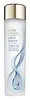
This barrier-repair essence is formulated around Bifida Ferment Lysate and Lactobacillus Ferment to strengthen the skin barrier and hydrate skin.
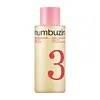
This pore-care toner is formulated around Bifida Ferment Lysate and Niacinamide to refine the look of pores and strengthen the skin barrier.


What's inside
What's inside
 Key Ingredients
Benefits
Concerns
Ingredients Side-by-side
Water
Skin ConditioningBifida Ferment Lysate
Skin Conditioning



Propanediol
Solvent
PEG-75
HumectantLactobacillus Ferment
Skin Conditioning
Acetyl Hexapeptide-8
Humectant

Acetyl Glucosamine
Skin Conditioning

Sodium Hyaluronate
Humectant
Anthemis Nobilis Flower Extract
Masking
Caffeine
Skin Conditioning
Dipotassium Glycyrrhizate
Humectant
Hydrolyzed Rice Extract
Skin Conditioning
Betaine
Humectant
Maltodextrin
Absorbent
Carbomer
Emulsion StabilisingTromethamine
BufferingCitric Acid
Buffering

Trehalose
Humectant
Butylene Glycol
Humectant
Caprylyl Glycol
Emollient
PPG-5-Ceteth-20
EmulsifyingPentylene Glycol
Skin Conditioning
Disodium EDTA
Sodium Citrate
BufferingPhenoxyethanol
Preservative
Potassium Sorbate
Preservative
Water, Bifida Ferment Lysate, Propanediol, PEG-75, Lactobacillus Ferment, Acetyl Hexapeptide-8, Acetyl Glucosamine, Sodium Hyaluronate, Anthemis Nobilis Flower Extract, Caffeine, Dipotassium Glycyrrhizate, Hydrolyzed Rice Extract, Betaine, Maltodextrin, Carbomer, Tromethamine, Citric Acid, Trehalose, Butylene Glycol, Caprylyl Glycol, PPG-5-Ceteth-20, Pentylene Glycol, Disodium EDTA, Sodium Citrate, Phenoxyethanol, Potassium Sorbate
Water
Skin ConditioningDipropylene Glycol
HumectantGlycereth-26
Humectant
Bifida Ferment Lysate
Skin Conditioning
Butylene Glycol
Humectant
1,2-Hexanediol
Skin Conditioning
Niacinamide
Smoothing





Galactomyces Ferment Filtrate
Humectant
Glycerin
Humectant
Kojic Acid
Antioxidant

Polyglyceryl-10 Laurate
Skin Conditioning
Methyl Gluceth-20
Humectant
Cetearyl Alcohol
Emollient



Betaine
Humectant
Acrylates/C10-30 Alkyl Acrylate Crosspolymer
Emulsion StabilisingTromethamine
BufferingAdenosine
Skin Conditioning
Spiraea Ulmaria Extract
AstringentHydroxyethylcellulose
Emulsion StabilisingCaprylyl Glycol
Emollient
Sodium Hyaluronate
Humectant
Streptococcus Thermophilus Ferment
Humectant
Sphingomonas Ferment Extract
Skin Conditioning
Schizosaccharomyces Ferment Filtrate
Humectant
Saccharomyces/Soy Protein Ferment
Skin Conditioning
Saccharomyces/Rice Ferment Filtrate
Skin Conditioning
Saccharomyces/Rice Bran Ferment Filtrate Extract
Skin Conditioning
Saccharomyces/Rice Bran Ferment
Humectant
Saccharomyces/Potato Extract Ferment Filtrate
Humectant
Saccharomyces/Malachite Ferment
Skin Conditioning
Saccharomyces/Laminaria Saccharina Ferment
Skin Conditioning
Saccharomyces/Grape Ferment Extract
Skin Conditioning
Saccharomyces/Coix Lacryma-Jobi Ma-Yuen Seed Ferment Filtrate
Skin Conditioning
Saccharomyces/Calcium Ferment
Skin Conditioning
Saccharomyces/Barley Seed Ferment Filtrate
HumectantSaccharomyces Ferment Filtrate
Humectant
Saccharomyces Ferment
Skin Conditioning
Pichia Ferment Lysate Filtrate
HumectantMonascus/Rice Ferment
Antioxidant
Leuconostoc/Radish Root Ferment Filtrate
Antimicrobial
Lactococcus/Milk Ferment Lysate
Lactococcus Ferment Lysate
Skin Conditioning
Lactococcus Ferment Extract
Skin ConditioningLactococcus Ferment
Skin ConditioningLactobacillus/Water Hyacinth Ferment
Skin ProtectingLactobacillus/Wasabia Japonica Root Ferment Extract
Antioxidant
Lactobacillus/Soybean Ferment Extract
Skin ConditioningLactobacillus/Soybean Extract Ferment Filtrate
Skin ConditioningLactobacillus/Rye Flour Ferment
Skin ConditioningLactobacillus/Rice Ferment
Skin Conditioning
Lactobacillus/Punica Granatum Fruit Ferment Extract
Antioxidant
Lactobacillus/Pumpkin Ferment Extract
Skin ConditioningLactococcus/Phaseolus Radiatus Seed Extract Ferment Filtrate
AntimicrobialLactobacillus/Pear Juice Ferment Filtrate
Skin ConditioningLactobacillus/Milk Ferment Filtrate
Skin ConditioningLactobacillus/Hibiscus Sabdariffa Flower Ferment Filtrate
Skin ConditioningLactobacillus/Panax Ginseng Root Extract Ferment Filtrate
Skin ConditioningLactobacillus/Eriodictyon Californicum Ferment Extract
Skin ConditioningLactobacillus/Algae Extract Ferment
Skin ProtectingLactobacillus/Acerola Cherry Ferment
Skin ProtectingLactobacillus Ferment Lysate Filtrate
Skin ConditioningLactobacillus Ferment
Skin Conditioning
Chlorella Ferment
Skin Conditioning
Bifida Ferment Filtrate
Skin Conditioning
Bifida Ferment Extract
Humectant
Bacillus/Rice Bran Extract/Soybean Extract Ferment Filtrate
Antioxidant
Bacillus/Glutamic Acid Ferment Filtrate
Skin ConditioningAureobasidium Pullulans Ferment Filtrate
HumectantAspergillus/Glucose/Soybean/Starch Ferment Filtrate
Aspergillus Ferment
Skin ConditioningAlteromonas Ferment Extract
Skin Conditioning
Polyquaternium-51
Skin Conditioning
Tropolone
Skin ConditioningLactobacillus Ferment Lysate
Skin Conditioning
Hydrogenated Lecithin
Emulsifying
Bakuchiol
Antimicrobial
Water, Dipropylene Glycol, Glycereth-26, Bifida Ferment Lysate, Butylene Glycol, 1,2-Hexanediol, Niacinamide, Galactomyces Ferment Filtrate, Glycerin, Kojic Acid, Polyglyceryl-10 Laurate, Methyl Gluceth-20, Cetearyl Alcohol, Betaine, Acrylates/C10-30 Alkyl Acrylate Crosspolymer, Tromethamine, Adenosine, Spiraea Ulmaria Extract, Hydroxyethylcellulose, Caprylyl Glycol, Sodium Hyaluronate, Streptococcus Thermophilus Ferment, Sphingomonas Ferment Extract, Schizosaccharomyces Ferment Filtrate, Saccharomyces/Soy Protein Ferment, Saccharomyces/Rice Ferment Filtrate, Saccharomyces/Rice Bran Ferment Filtrate Extract, Saccharomyces/Rice Bran Ferment, Saccharomyces/Potato Extract Ferment Filtrate, Saccharomyces/Malachite Ferment, Saccharomyces/Laminaria Saccharina Ferment, Saccharomyces/Grape Ferment Extract, Saccharomyces/Coix Lacryma-Jobi Ma-Yuen Seed Ferment Filtrate, Saccharomyces/Calcium Ferment, Saccharomyces/Barley Seed Ferment Filtrate, Saccharomyces Ferment Filtrate, Saccharomyces Ferment, Pichia Ferment Lysate Filtrate, Monascus/Rice Ferment, Leuconostoc/Radish Root Ferment Filtrate, Lactococcus/Milk Ferment Lysate, Lactococcus Ferment Lysate, Lactococcus Ferment Extract, Lactococcus Ferment, Lactobacillus/Water Hyacinth Ferment, Lactobacillus/Wasabia Japonica Root Ferment Extract, Lactobacillus/Soybean Ferment Extract, Lactobacillus/Soybean Extract Ferment Filtrate, Lactobacillus/Rye Flour Ferment, Lactobacillus/Rice Ferment, Lactobacillus/Punica Granatum Fruit Ferment Extract, Lactobacillus/Pumpkin Ferment Extract, Lactococcus/Phaseolus Radiatus Seed Extract Ferment Filtrate, Lactobacillus/Pear Juice Ferment Filtrate, Lactobacillus/Milk Ferment Filtrate, Lactobacillus/Hibiscus Sabdariffa Flower Ferment Filtrate, Lactobacillus/Panax Ginseng Root Extract Ferment Filtrate, Lactobacillus/Eriodictyon Californicum Ferment Extract, Lactobacillus/Algae Extract Ferment, Lactobacillus/Acerola Cherry Ferment, Lactobacillus Ferment Lysate Filtrate, Lactobacillus Ferment, Chlorella Ferment, Bifida Ferment Filtrate, Bifida Ferment Extract, Bacillus/Rice Bran Extract/Soybean Extract Ferment Filtrate, Bacillus/Glutamic Acid Ferment Filtrate, Aureobasidium Pullulans Ferment Filtrate, Aspergillus/Glucose/Soybean/Starch Ferment Filtrate, Aspergillus Ferment, Alteromonas Ferment Extract, Polyquaternium-51, Tropolone, Lactobacillus Ferment Lysate, Hydrogenated Lecithin, Bakuchiol
Reviews
Ingredients Explained
These ingredients are found in both products.
Ingredients higher up in an ingredient list are typically present in a larger amount.
Betaine is a humectant. Like hyaluronic acid, it helps attract and retain moisture in the skin. It’s known for being gentle and for helping the skin maintain balanced hydration.
Betaine is mainly used to improve hydration and support calmer skin. It helps skin cells regulate water balance because it functions as an osmolyte.
Some studies suggest betaine may support making skin tone more even.
Fun fact: Betaine naturally exists in the skin and the body. In cosmetic products, it can be either plant-derived (most commonly from sugar beets) or synthetically produced for consistency and stability.
Betaine is also known as trimethylglycine.
Learn more about BetaineBifida Ferment Lysate is a postbiotic ingredient made by fermenting Bifidobacterium to extract a nutrient-rich mix of peptides, amino acids, vitamins, organic acids, and polysaccharides.
These components are basically the building blocks that your skin already uses to stay hydrated, repair itself, and maintain its barrier. That's why this ingredient helps your skin hold onto moisture and stay resilient against irritation.
One in-vitro study found that this ingredient tells your skin cells to produce more of the proteins (filaggrin, loricrin, and involucrin) for building a strong and healthy barrier. This study also found this ingredient to be a solid antioxidant that helped neutralize damage against UV and pollution.
A study with people from 2010 found that sensitive, reactive skin using a cream with 10% of this ingredient for a month became noticeably less dry, less reactive, and harder to irritate compared to the group using a plain cream.
In short, this ingredient is a well-tolerated ingredient that can help with barrier repair, antioxidant protection, and calming reactive skin.
This ingredient is generally considered fungal acne (Malassezia) safe; Bifidobacterium is a bacterium, not a yeast or fungus.
The fungal acne concern with fermented ingredients mainly applies to yeast-derived ferments like Saccharomyces and Galactomyces, because those are in the same kingdom as Malassezia and could theoretically contain residual compounds that feed it.
Bifida is a completely different organism, so on its own it doesn't provide a food source for the Malassezia yeast that causes fungal acne.
Learn more about Bifida Ferment LysateButylene Glycol (or BG) is used within cosmetic products for a few different reasons:
Overall, Butylene Glycol is a safe and well-rounded ingredient that works well with other ingredients.
Though this ingredient works well with most skin types, some people with sensitive skin may experience a reaction such as allergic rashes, closed comedones, or itchiness.
Learn more about Butylene GlycolCaprylyl Glycol is a humectant, skin conditioner, emollient, and preservative booster derived from either caprylic acid or synthetically created.
Typical use levels vary from 0.3-1% as a preservative booster and go up to 2% to condition skin.
Because it is not a free-fatty acid, this ingredient is fungal acne safe (there's nothing for Malassezia to feed on).
Learn more about Caprylyl GlycolThis ingredient is made when the Lactobacillus bacteria (the same kind that makes yogurt and kimchi) are allowed to ferment a nutrient medium.
As it ferments, it collects lactic acid, peptides, enzymes, and other bioactive metabolites to provide:
A 2023 review noted that probiotic fermentation ingredients like this one can enhance antioxidant capacity, reduce UV-induced oxidative damage, and support barrier function.
One clinical study from the same year showed a Lactobacillus ferment lysate significantly reduced transepidermal water loss and improved skin hydration.
Another review highlighted that topical Lactobacillus-based preparations can improve ceramide levels in the stratum corneum, support barrier integrity, and even help reduce S. aureus colonization in atopic dermatitis.
Why is this so cool?
Basically, your skin's outer layer works as a brick wall; skin cells are bricks and ceramides are the mortar holding it together. Moisture escapes, irritants get in, and your skin gets dry and reactive when ceramide levels drop. On top of that, "bad" skin bacteria S. aureus loves to move in when your barrier is weak to make inflammation and irritation worse.
So Lactobacillus ferment is basically patching the wall and evicting the troublemaker when it boosts ceramide production and help keep S. aureus in check.
On top of all this, it also acts as a mild antimicrobial preservative booster.
Just so you know, most studies focus on specific strains or the lysate form rather than this generic "Lactobacillus Ferment", so results can vary.
Though it's a promising ingredient, it doesn't have decades of robust clinical data behind it just yet.
Lactobacillus Ferment is generally considered safe for fungal-acne prone skin. The key thing to understand is that it comes from bacteria, not yeast or fungus.
Yeast-derived ferments (like galactomyces) have been shown to activate a protein that's linked to Malassezia-related skin issues whereas lactobacillus doesn't have that problem.
Its byproducts also don't contain the types of fatty acids (C11-24 chain lengths) that Malassezia feeds on.
Learn more about Lactobacillus FermentSodium Hyaluronate is the salt form of hyaluronic acid. It is a long sugar chain that is naturally found in your skin, joints, and connective tissue that maintains hydration and elasticity.
In skincare, it works as a humectant. It pulls water from the environment and deeper layers of skin and binds it to the surface.
Interestingly, the size of the molecule affects its behavior:
Some clinical evidence links low molecular weight versions to improved wrinkle depth, elasticity, anti-inflammatory effects, and barrier repair.
Many serums use a blend of both weights so you can get surface hydration plus longer-lasting and deeper effects.
You'll typically see concentrations between 0.1-2% for this ingredient.
Learn more about Sodium HyaluronateTromethamine (aka THAM) is a synthetic amino acid that shows up in skincare as a helper ingredient.
It functions as a pH adjuster to help neutralize acidic ingredients and set a formula's pH to the right spot.
This matters a lot because a lot of actives (like vitamin C) needs a specific pH to work well and feel comfortable on skin.
Concentration use ranges from 0.1-1.0% depending on the formula.
Learn more about TromethamineWater. It's the most common cosmetic ingredient of all. You'll usually see it at the top of ingredient lists, meaning that it makes up the largest part of the product.
So why is it so popular? Water most often acts as a solvent - this means that it helps dissolve other ingredients into the formulation.
You'll also recognize water as that liquid we all need to stay alive. If you see this, drink a glass of water. Remember to stay hydrated!
Learn more about Water


