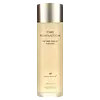
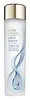
Missha Time Revolution The First Essence Enriched Versus Estée Lauder Micro Essence Treatment Lotion With Bio-Ferment
This barrier-repair essence is formulated around Niacinamide and Bifida Ferment Lysate to strengthen the skin barrier and soften the look of wrinkles.
This barrier-repair essence is formulated around Bifida Ferment Lysate and Lactobacillus Ferment to strengthen the skin barrier and hydrate skin.


What's inside
What's inside
 Key Ingredients
Benefits
Concerns
Ingredients Side-by-side
Water
Skin ConditioningGlycerin
Humectant


Propanediol
Solvent
1,2-Hexanediol
Skin Conditioning
Niacinamide
Smoothing









Yeast Ferment Extract
Skin ConditioningAmmonium Acryloyldimethyltaurate/Vp Copolymer
Diethoxyethyl Succinate
SolventBifida Ferment Lysate
Skin Conditioning
Xanthan Gum
EmulsifyingButylene Glycol
Humectant
Ethylhexylglycerin
Skin ConditioningAdenosine
Skin Conditioning
Dextrin
AbsorbentTheobroma Cacao Seed Extract
Antioxidant
Aureobasidium Pullulans Ferment
Skin ConditioningBeta-Glucan
Skin Conditioning
Oryza Sativa Extract
Absorbent
Sea Salt
Abrasive

Aspergillus Ferment
Skin ConditioningCeramide NP
Skin Conditioning
Hydrogenated Lecithin
Emulsifying
Water, Glycerin, Propanediol, 1,2-Hexanediol, Niacinamide, Yeast Ferment Extract, Ammonium Acryloyldimethyltaurate/Vp Copolymer, Diethoxyethyl Succinate, Bifida Ferment Lysate, Xanthan Gum, Butylene Glycol, Ethylhexylglycerin, Adenosine, Dextrin, Theobroma Cacao Seed Extract, Aureobasidium Pullulans Ferment, Beta-Glucan, Oryza Sativa Extract, Sea Salt, Aspergillus Ferment, Ceramide NP, Hydrogenated Lecithin
Water
Skin ConditioningBifida Ferment Lysate
Skin Conditioning
Propanediol
Solvent
PEG-75
HumectantLactobacillus Ferment
Skin Conditioning
Acetyl Hexapeptide-8
Humectant
Acetyl Glucosamine
Skin Conditioning
Sodium Hyaluronate
Humectant
Anthemis Nobilis Flower Extract
Masking
Caffeine
Skin Conditioning
Dipotassium Glycyrrhizate
Humectant
Hydrolyzed Rice Extract
Skin Conditioning
Betaine
Humectant
Maltodextrin
Absorbent
Carbomer
Emulsion StabilisingTromethamine
BufferingCitric Acid
Buffering
Trehalose
Humectant
Butylene Glycol
Humectant
Caprylyl Glycol
Emollient
PPG-5-Ceteth-20
EmulsifyingPentylene Glycol
Skin Conditioning
Disodium EDTA
Sodium Citrate
BufferingPhenoxyethanol
Preservative
Potassium Sorbate
Preservative
Water, Bifida Ferment Lysate, Propanediol, PEG-75, Lactobacillus Ferment, Acetyl Hexapeptide-8, Acetyl Glucosamine, Sodium Hyaluronate, Anthemis Nobilis Flower Extract, Caffeine, Dipotassium Glycyrrhizate, Hydrolyzed Rice Extract, Betaine, Maltodextrin, Carbomer, Tromethamine, Citric Acid, Trehalose, Butylene Glycol, Caprylyl Glycol, PPG-5-Ceteth-20, Pentylene Glycol, Disodium EDTA, Sodium Citrate, Phenoxyethanol, Potassium Sorbate
Reviews
Ingredients Explained
These ingredients are found in both products.
Ingredients higher up in an ingredient list are typically present in a larger amount.
Bifida Ferment Lysate is a postbiotic ingredient made by fermenting Bifidobacterium to extract a nutrient-rich mix of peptides, amino acids, vitamins, organic acids, and polysaccharides.
These components are basically the building blocks that your skin already uses to stay hydrated, repair itself, and maintain its barrier. That's why this ingredient helps your skin hold onto moisture and stay resilient against irritation.
One in-vitro study found that this ingredient tells your skin cells to produce more of the proteins (filaggrin, loricrin, and involucrin) for building a strong and healthy barrier. This study also found this ingredient to be a solid antioxidant that helped neutralize damage against UV and pollution.
A study with people from 2010 found that sensitive, reactive skin using a cream with 10% of this ingredient for a month became noticeably less dry, less reactive, and harder to irritate compared to the group using a plain cream.
In short, this ingredient is a well-tolerated ingredient that can help with barrier repair, antioxidant protection, and calming reactive skin.
This ingredient is generally considered fungal acne (Malassezia) safe; Bifidobacterium is a bacterium, not a yeast or fungus.
The fungal acne concern with fermented ingredients mainly applies to yeast-derived ferments like Saccharomyces and Galactomyces, because those are in the same kingdom as Malassezia and could theoretically contain residual compounds that feed it.
Bifida is a completely different organism, so on its own it doesn't provide a food source for the Malassezia yeast that causes fungal acne.
Learn more about Bifida Ferment LysateButylene Glycol (or BG) is used within cosmetic products for a few different reasons:
Overall, Butylene Glycol is a safe and well-rounded ingredient that works well with other ingredients.
Though this ingredient works well with most skin types, some people with sensitive skin may experience a reaction such as allergic rashes, closed comedones, or itchiness.
Learn more about Butylene GlycolPropanediol is an all-star ingredient. It softens, hydrates, and smooths the skin.
It’s often used to:
Propanediol is not likely to cause sensitivity and considered safe to use. It is derived from corn or petroleum with a clear color and no scent.
Learn more about PropanediolWater. It's the most common cosmetic ingredient of all. You'll usually see it at the top of ingredient lists, meaning that it makes up the largest part of the product.
So why is it so popular? Water most often acts as a solvent - this means that it helps dissolve other ingredients into the formulation.
You'll also recognize water as that liquid we all need to stay alive. If you see this, drink a glass of water. Remember to stay hydrated!
Learn more about Water


